Green Products

Green Products

The Rise of Eco-Friendly Consumer Goods

Key Takeaways:

The growth of sustainable living has led to an increase in demand for eco-friendly products, transforming the way companies design, produce, and market their goods. Here are the main points to consider:

  • The shift towards environmentally responsible consumer goods is driven by consumer awareness of climate change and its impact on the planet, prompting a desire for products with minimal carbon footprint.
  • Innovative materials and biodegradable packaging are becoming increasingly popular as companies strive to reduce waste and promote recycling in their production processes.
  • Sustainable production methods, such as renewable energy sources and fair trade practices, are being adopted by businesses to enhance their brand reputation and appeal to the growing market of eco-conscious consumers.
  • The digital age has enabled consumers to make informed decisions about the products they purchase, with online reviews and social media platforms providing a space to share information about eco-friendly alternatives and promote green living.
  • As the demand for eco-friendly products continues to rise, companies must prioritize supply chain transparency and accountability to ensure that their sustainable claims are genuine and align with the values of their environmentally aware customers.

The Shift in Consumer Behavior

Your purchasing decisions are driving the growth of eco-friendly consumer goods, as you become more aware of the environmental impact of your choices.

Growing Awareness of Environmental Issues

The rising concern about climate change and pollution is influencing your buying habits, making you opt for products with minimal environmental footprint.

Increasing Demand for Sustainable Products

To meet your expectations, companies are developing products that are both effective and environmentally friendly, catering to your demand for sustainability.

In fact, as you continue to prioritize the well-being of the planet, the demand for sustainable products is expected to skyrocket, leading to a significant shift in the consumer goods market, and you will have a wide range of eco-friendly options to choose from, allowing you to make a positive impact on the environment with every purchase you make.
Eco-Friendly Alternatives

Some of the most exciting developments in eco-friendly consumer goods are the innovative alternatives to traditional products. You can now find sustainable options for almost every aspect of your daily life, from reusable water bottles to eco-friendly cleaning products.

Biodegradable Materials and Packaging

Besides traditional plastics, biodegradable materials are becoming increasingly popular, offering you a guilt-free way to consume products without harming the environment. You can opt for products with biodegradable packaging, reducing your waste and minimizing your ecological footprint.

Renewable Energy Sources and Production Methods

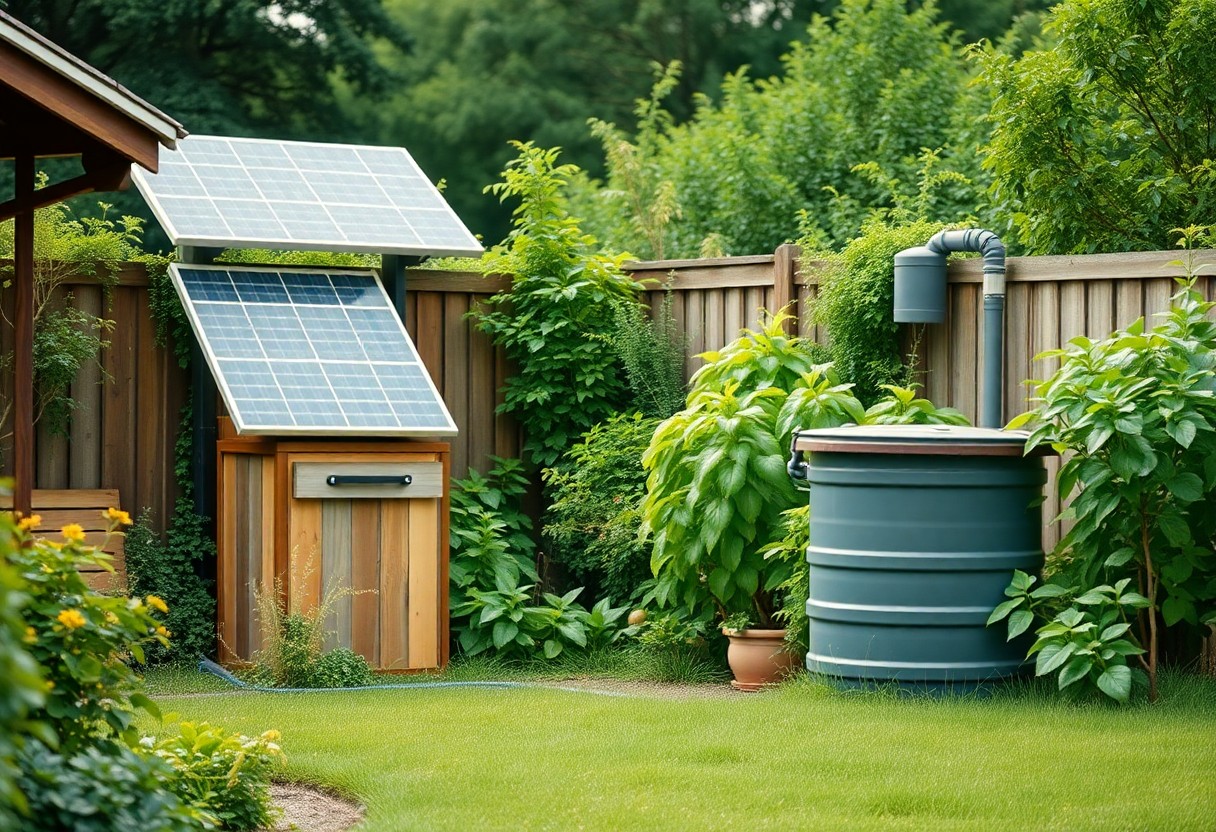
Meanwhile, materials such as solar and wind power are being utilized to produce consumer goods, allowing you to make more sustainable choices. You can look for products made with renewable energy sources, supporting companies that prioritize the environment.

To make the most of renewable energy sources and production methods, you should consider the entire lifecycle of a product, from production to disposal. You can explore companies that use solar or wind power to manufacture their goods, and opt for products with minimal packaging or those that can be easily recycled, thereby reducing your carbon footprint and contributing to a more sustainable future.

The Impact of Social Media

Once again, social media has proven to be a driving force in shaping your consumer habits, particularly when it comes to eco-friendly products. You are constantly exposed to information and ideas that influence your purchasing decisions, and social media platforms have become a key channel for discovering and learning about eco-friendly consumer goods.

Influencer Marketing and Eco-Friendly Trends

There is a significant intersection between influencer marketing and eco-friendly trends, as you are often inspired by social media personalities who promote sustainable living and environmentally responsible products, which in turn shapes your perception of what is trendy and desirable.

Online Platforms and Consumer Education

To further understand the impact of social media on your eco-friendly consumer habits, you can look at online platforms as a key source of information and education, where you can learn about the benefits and features of various eco-friendly products and make informed decisions about your purchases.

Marketing strategies on these online platforms are designed to help you navigate the complex world of eco-friendly consumer goods, providing you with the knowledge and tools you need to make choices that align with your values and contribute to a more sustainable future, and as you continue to prioritize eco-friendliness in your purchasing decisions, you will likely see even more innovative and effective marketing approaches emerge.

Innovative Entrepreneurship

Unlike traditional business models, innovative entrepreneurship in the eco-friendly consumer goods sector is driving growth and change, allowing you to make a positive impact on the environment with your purchasing decisions.

Startup Companies and Sustainable Business Models

Alongside established companies, startup companies are emerging with sustainable business models, enabling you to support environmentally responsible practices and fostering a community that values eco-friendly products.

Creative Solutions for Environmental Challenges

Altogether, creative solutions are being developed to address environmental challenges, providing you with a wide range of eco-friendly options and encouraging you to adopt sustainable habits in your daily life.

Due to the increasing demand for eco-friendly products, companies are investing in research and development to create innovative solutions that not only reduce environmental impact but also meet your evolving needs and expectations as a consumer, allowing you to make informed choices that benefit both you and the planet.

The Role of Governments and Policies

For you to understand the impact of governments on eco-friendly consumer goods, consider their role in promoting sustainability. Governments can influence your purchasing decisions through policies and regulations that support environmentally responsible businesses.

Regulations and Incentives for Eco-Friendly Businesses

Beneath the surface of the eco-friendly market, you’ll find regulations and incentives that encourage businesses to adopt sustainable practices, helping you make more informed choices.

International Cooperation and Environmental Standards

Across the globe, you’ll see a growing trend towards cooperation on environmental standards, enabling you to trust the eco-friendly labels on your purchases.

Regulations such as carbon pricing and extended producer responsibility are being implemented internationally, allowing you to make a positive impact on the environment through your consumer choices, and as you support businesses that adhere to these standards, you contribute to a more sustainable future.

Challenges and Opportunities

Despite the growing demand for eco-friendly products, you face several challenges in the consumer goods industry. You must navigate complex supply chains, high production costs, and changing consumer behaviors, all while maintaining profitability and competing with traditional products.

Balancing Sustainability and Affordability

Beneath the surface of the eco-friendly market, you’ll find a delicate balance between sustainability and affordability. You need to consider the environmental impact of your products while keeping prices competitive, making it important to find innovative solutions that meet both requirements.

Overcoming Barriers to Widespread Adoption

Among the significant barriers to adoption are lack of awareness, high costs, and limited availability. You may encounter these obstacles as you try to make eco-friendly choices, but understanding these challenges is the first step to overcoming them.

At the forefront of overcoming these barriers is education and awareness. As you learn more about the benefits of eco-friendly products and the impact of your purchasing decisions, you can make informed choices that drive demand for sustainable goods, ultimately pushing companies to innovate and reduce prices, making eco-friendly options more accessible to everyone.

To wrap up

Ultimately, as you consider the shift towards eco-friendly consumer goods, you’ll notice the impact on your daily life and the environment. You can make informed choices, choosing products that align with your values, and your purchasing power will drive further innovation in sustainable products, benefiting your health and the planet. Your decisions will contribute to a more environmentally conscious market, shaping the future of consumer goods and promoting a healthier lifestyle for yourself and future generations.

FAQ

Q: What is driving the demand for eco-friendly consumer goods?

A: The demand for eco-friendly consumer goods is driven by increasing consumer awareness about the impact of their purchasing decisions on the environment. As more people become informed about the benefits of sustainable living, they are seeking out products that are made with environmentally responsible materials, have minimal packaging, and are designed to be recycled or reused. Additionally, concerns about climate change, pollution, and waste management are also contributing to the growing demand for eco-friendly consumer goods. Many companies are now responding to this demand by developing innovative products that not only minimize harm to the environment but also promote sustainability.

Q: How can consumers make informed choices when it comes to eco-friendly consumer goods?

A: Consumers can make informed choices by looking for products that have been certified by reputable third-party organizations, such as the Environmental Protection Agency’s (EPA) Safer Choice label or the Forest Stewardship Council (FSC) certification. They can also check the product’s packaging for information about its environmental impact, such as whether it is made from recycled materials or is biodegradable. Furthermore, consumers can research the company’s sustainability policies and practices to ensure that they align with their own values. Reading product reviews and asking questions can also help consumers make informed decisions about the eco-friendliness of a product.

Q: What are some examples of eco-friendly consumer goods that are becoming increasingly popular?

A: Some examples of eco-friendly consumer goods that are becoming increasingly popular include reusable water bottles, bamboo toothbrushes, and refillable coffee cups. Additionally, many consumers are opting for products that are made from sustainable materials, such as clothing made from organic cotton or recycled plastics. Eco-friendly cleaning products, such as those that are free from harsh chemicals and toxins, are also gaining popularity. Moreover, the demand for electric and hybrid vehicles is on the rise, as consumers seek to reduce their carbon footprint and contribute to a more sustainable transportation system. These products not only help to reduce waste and minimize environmental harm but also promote a healthier lifestyle.

How to Choose Green Products Wisely

As you strive to live a more sustainable lifestyle, you’re likely looking for ways to make environmentally friendly choices. Regarding selecting green products, you want to ensure that your purchases align with your values. You’ll need to evaluate the ingredients, packaging, and production processes of various products to determine their eco-friendliness. By doing so, you can make informed decisions that benefit both your health and the planet, and you can trust that your choices are supporting a more sustainable future.

Key Takeaways:

To make informed decisions when selecting eco-friendly products, consider the following points:

  • Look for products with certified labels, such as the EPA Safer Choice label, which indicates that the product meets certain environmental standards.
  • Check the ingredients and materials used in the product to ensure they are sustainable and non-toxic.
  • Consider the lifecycle of the product, including its production, use, and disposal, to determine its overall environmental impact.
  • Evaluate the company’s values and practices to ensure they align with your own environmental goals and values.
  • Be aware of greenwashing, where companies make false claims about the environmental benefits of their products, and always verify the information through reliable sources.

Identifying Genuine Green Products

The process of identifying genuine green products involves careful consideration of various factors, including the product’s ingredients, manufacturing process, and packaging. You can start by looking for products that are made from sustainable materials, have minimal packaging, and are designed for recyclability or biodegradability. By doing so, you can make informed decisions that align with your values and contribute to a more sustainable future.

Eco-Labels and Certifications

Among the various eco-labels and certifications available, you should look for reputable ones that are backed by rigorous standards and third-party verification. You can trust products that carry labels such as Energy Star, USDA Organic, or Fair Trade, as they indicate a commitment to environmental and social responsibility.

Reading Between the Lines of Product Claims

Greener options often come with claims that sound appealing, but you need to be cautious of greenwashing. You should scrutinize the language used on the product label, looking for specific details about the product’s environmental benefits and any relevant certifications.

The key to reading between the lines of product claims is to be vigilant and critical. You should question vague terms like “eco-friendly” or “natural,” and instead, look for concrete evidence of the product’s sustainability features. By doing so, you can make more informed decisions and avoid falling prey to misleading marketing tactics, ultimately helping you to choose products that truly align with your values and contribute to a more sustainable future.

Evaluating Environmental Impact

There’s more to choosing green products than just looking for an eco-label. You need to consider the product’s overall environmental footprint, from production to disposal.

Considering the Product’s Lifecycle

Lifecycle assessments help you understand the environmental effects of a product at each stage, enabling you to make informed decisions about your purchases.

Assessing the Manufacturing Process

An analysis of the manufacturing process is vital to determine the product’s environmental impact, and you should look for information on the materials used, energy consumption, and waste generation.

Considering the details of the manufacturing process, you can evaluate the efforts made by the company to reduce its environmental footprint, such as using renewable energy sources, reducing water usage, or implementing recycling programs, which will help you make a more eco-friendly choice.

Making Informed Decisions

Your buying power can drive change, and choosing green products is a great place to start. By considering the environmental impact of your purchases, you can make a positive difference.

Weighing the Pros and Cons

On evaluating green products, you’ll want to weigh their advantages and disadvantages. The following Green Product Comparison table breaks it down:

Pros Cons
Eco-friendly materials Higher cost
Sustainable production Limited availability
Reduced waste Performance concerns

Comparing Similar Products

After researching green products, you’ll want to compare similar items. The following Product Comparison Table helps:

Product Environmental Impact
Product A Low waste, biodegradable
Product B High energy consumption

It is vital to explore deeper into comparing similar products. The following Detailed Comparison table provides more insights:

Feature Product C
Materials Sustainable, recycled
Manufacturing process Energy-efficient, minimal waste

Red Flags to Watch Out For

Despite your best intentions, it’s easy to get misled by false claims. You need to be vigilant when choosing green products to avoid falling prey to deceptive marketing tactics.

Greenwashing Tactics

Beneath the surface of eco-friendly claims, some companies employ misleading strategies to boost sales. You should look out for vague terms and unverified certifications that make a product seem more sustainable than it actually is.

Misleading Product Labels

Beside the attractive packaging, you’ll find labels that can be deceiving. You might see terms like “natural” or “biodegradable” without any clear explanation, making it difficult to gauge the product’s actual environmental impact.

Due to the lack of standardization in labeling, you may encounter products with misleading or exaggerated claims. You should always check for third-party certifications and investigate the manufacturer’s environmental policies to ensure that your purchase aligns with your values and contributes to a more sustainable future.

Benefits of Choosing Green Products

Unlike traditional products, green products offer numerous advantages. You can learn more about eco-friendly shopping by visiting Eco-friendly Shopping Tips: A Short Guide To Sustainable Living to make informed decisions.

Environmental Benefits

Around the time you start using green products, you’ll notice a significant reduction in your environmental footprint, as they are designed to be sustainable and eco-friendly.

Health and Economic Benefits

For your well-being and financial stability, choosing green products is an excellent decision, as they are often made from natural ingredients and can help you save money in the long run.

In fact, by opting for green products, you will not only improve your health by reducing exposure to harsh chemicals, but also support sustainable economies, which can lead to a more stable and prosperous future for you and your community.

Resources for Further Guidance

Keep in mind that choosing green products wisely requires ongoing education and research. You can find numerous resources to help you make informed decisions.

Reliable Sources of Information

Among the many available resources, government websites and non-profit organizations provide valuable information on environmentally friendly products and practices that you can trust.

Online Tools and Apps

An array of online tools and apps are available to help you evaluate and compare the environmental impact of various products, enabling you to make more sustainable choices.

Understanding the features and benefits of these online tools and apps will allow you to utilize them effectively in your search for green products, providing you with a more comprehensive understanding of your options and helping you to identify the most eco-friendly choices for your needs.

Summing up

Considering all points, you can make informed decisions when choosing green products. You will be able to evaluate your options and select products that align with your values and needs. By analyzing labels, researching brands, and understanding your impact, you can trust your choices and feel confident in your ability to make a positive difference with your purchases, ultimately contributing to a more sustainable future for your community and the environment. You will be supporting your own well-being and the well-being of the planet.

FAQ

Q: What are the key factors to consider when choosing green products?

A: When deciding on green products, it’s important to look for items that are made from sustainable materials, have minimal packaging, and are designed for recyclability or biodegradability. Additionally, consider the product’s energy efficiency, water usage, and whether it’s free from toxic chemicals. Checking for certifications like Energy Star or EcoLogo can also help ensure that the product meets certain environmental standards.

Q: How can I distinguish between genuinely eco-friendly products and those that are just “greenwashed”?

A: To avoid falling for “greenwashed” products, look beyond the marketing claims and examine the product’s ingredients, manufacturing process, and end-of-life disposal. Check for third-party certifications, read reviews from other customers, and research the company’s environmental policies and track record. Be wary of vague terms like “natural” or “eco-friendly” and opt for products with specific, quantifiable claims, such as “made from 100% post-consumer recycled materials” or “uses 50% less energy than traditional products.”

Q: Are green products always more expensive than their conventional counterparts, and is the extra cost worth it?

A: While some green products may be pricier than traditional ones, many are competitively priced, and some can even save you money in the long run. For example, energy-efficient appliances and LED light bulbs may cost more upfront but can lead to significant energy savings over time. Consider the product’s lifespan, maintenance requirements, and potential health benefits when evaluating the cost. Additionally, supporting green products can also contribute to a larger market shift towards sustainability, ultimately benefiting the environment and public health.

Why Green Products Are Worth the Investment

As you consider your purchasing decisions, you’re likely weighing the costs and benefits of choosing green products. You may think that eco-friendly options are too expensive or ineffective, but your investment in these products can have a significant impact on your health and the environment. By choosing green products, you’re taking a step towards reducing your carbon footprint and creating a more sustainable future. Your decision to invest in green products can also improve your quality of life and save you money in the long run.

Key Takeaways:

  • Investing in green products can have a significant impact on the environment, as they are designed to reduce waste and minimize carbon footprint.
  • Eco-friendly products may have a higher upfront cost, but they can lead to long-term savings through reduced energy consumption and extended product lifespan.
  • Sustainable living is not only good for the planet, but also for our health, as green products often contain fewer toxic chemicals and allergens.
  • Choosing green products can also support innovative companies that prioritize environmental responsibility and sustainable practices.
  • By investing in green products, consumers can contribute to a circular economy that promotes recycling, reuse, and reduction of waste, ultimately creating a more sustainable future.

Benefits of Green Products

A key aspect of switching to green products is the positive impact they have on your life and the environment. You will find that making this change can lead to a significant reduction in your carbon footprint and contribute to a healthier lifestyle.

Environmental Advantages

Above all, prior to making the switch, you should consider the eco-friendly nature of green products. You will be reducing your reliance on harmful chemicals and pollutants that damage the environment, allowing you to live more sustainably.

Health Benefits

Benefiting your well-being, green products offer a safer alternative to traditional goods. You can enjoy peace of mind knowing that your choices are not harming your health or the environment, making it a worthwhile investment for your family.

Due to the non-toxic and natural ingredients used in green products, you can significantly minimize your exposure to harmful substances. You will be creating a healthier living space for yourself and your loved ones, which can lead to long-term benefits for your overall well-being and quality of life.

Cost-Effectiveness

One of the primary advantages of green products is their cost-effectiveness. You can save money in the long run by investing in eco-friendly products that last longer and perform better than their traditional counterparts.

Long-Term Savings

With the initial higher cost of green products, you may think they are not worth the investment, but they can lead to significant long-term savings on your energy and water bills, reducing your overall expenses.

Reduced Waste

Below the surface of green products lies a significant reduction in waste, allowing you to minimize your environmental footprint and contribute to a more sustainable future, which benefits your community and your own well-being.

Indeed, when you choose green products, you are not only reducing waste but also promoting a culture of sustainability that can have a positive impact on your daily life and the lives of those around you, making your investment in green products a worthwhile decision for your health and the environment.

Innovative Green Technologies

All around you, innovative green technologies are emerging, offering you effective solutions to reduce your environmental footprint. You can invest in these technologies to make a positive impact on the planet.

Renewable Energy Sources

Upon exploring the options, you’ll find that renewable energy sources like solar and wind power are becoming increasingly accessible, allowing you to generate clean energy and reduce your reliance on fossil fuels.

Sustainable Materials

Besides the benefits of renewable energy, you’ll also discover that sustainable materials are being developed to replace traditional ones, offering you a chance to reduce waste and minimize your environmental impact.

In addition, as you explore deeper into sustainable materials, you’ll find that they are not only eco-friendly but also cost-effective in the long run, making them a worthwhile investment for your home and your future, allowing you to contribute to a more sustainable world.

Impact on Climate Change

Unlike other products, green products can significantly mitigate your carbon footprint. By choosing eco-friendly options, you can contribute to a more sustainable future. For more information, visit Why Buy Greener Products? | US EPA to learn about the benefits of greener products.

Reduced Carbon Footprint

Any small change you make can have a significant impact on the environment. By investing in green products, you can reduce your carbon footprint and contribute to a cleaner planet.

Supporting Eco-Friendly Policies

Beneath the surface of your daily choices, lies an opportunity to support eco-friendly policies. By choosing green products, you are promoting sustainable practices and reducing your environmental impact.

To further support eco-friendly policies, you can encourage companies to adopt sustainable practices by choosing their green products. As you make these choices, you are helping to create a demand for environmentally responsible products, which can lead to a significant positive impact on the environment, and ultimately, a better future for you and your community.

Consumer Demand and Trends

Many consumers are now opting for green products, driving demand and influencing market trends. You are likely part of this shift, seeking products that align with your values and promote sustainability. As you make eco-friendly choices, you contribute to a growing market that values the environment.

Growing Market for Green Products

Alongside the rising awareness of environmental issues, a noticeable increase in demand for green products has occurred. You notice that more companies are now offering eco-friendly alternatives, catering to your desire for sustainable living.

Influencing Business Practices

Above the usual business operations, companies are now considering the environmental impact of their products. You see that your purchasing decisions have the power to shape business practices, pushing companies to adopt more sustainable methods.

Practices such as reducing waste, using renewable energy, and implementing sustainable supply chains become more prevalent as you continue to support green products. You play a significant role in driving this change, and your investment in green products encourages businesses to prioritize the environment, ultimately benefiting your community and the planet.

Implementation and Accessibility

For you to make a significant impact on the environment, it’s vital to incorporate green products into your daily life. You can start by exploring the various options available in the market and choosing the ones that fit your needs and budget.

Making Green Products Affordable

Products like reusable bags, beeswax wraps, and refillable water bottles are becoming increasingly popular, making it easier for you to find affordable alternatives to traditional products. You can also consider buying in bulk or shopping during sales to reduce the cost.

Increasing Availability

The availability of green products has increased significantly over the years, with many companies now offering eco-friendly options. You can find green products in your local stores, online marketplaces, or even through community-supported initiatives.

Further, as you explore the world of green products, you’ll notice that many companies are now prioritizing sustainability, making it easier for you to find products that align with your values. You can also influence your favorite brands to adopt more eco-friendly practices by providing feedback and supporting their sustainable initiatives.

Summing up

With this in mind, you can make a positive impact on the environment by choosing green products. Your investment in eco-friendly items will not only reduce your carbon footprint, but also contribute to a sustainable future. You will be supporting companies that prioritize the planet’s well-being, and your choices will influence others to do the same, creating a ripple effect of environmental responsibility.

FAQ

Q: What are the environmental benefits of choosing green products over traditional ones?

A: Green products are designed to be eco-friendly, reducing the amount of waste, pollution, and carbon footprint associated with their production, use, and disposal. By investing in green products, consumers can significantly decrease their impact on the environment, contributing to a cleaner and healthier planet for future generations. This includes reducing greenhouse gas emissions, conserving natural resources, and minimizing the risk of toxic substances being released into the air and water.

Q: Are green products more expensive than traditional products, and is the investment worthwhile?

A: While green products might have a higher upfront cost compared to traditional products, their long-term benefits and cost savings can far outweigh the initial investment. Many green products are designed to be more energy-efficient, durable, and require less maintenance, leading to lower operational costs over time. Additionally, investing in green products can also enhance the value of a property, improve health and productivity, and provide access to various incentives and tax credits, making them a valuable and worthwhile investment.

Q: How can I be sure that a product labeled as ‘green’ or ‘eco-friendly’ is genuinely sustainable and not just a marketing gimmick?

A: To ensure that a product is genuinely green and not just a case of greenwashing, look for third-party certifications from reputable organizations, such as Energy Star or EcoLogo, which verify that the product meets rigorous environmental standards. You can also check the product’s label for transparent information about its materials, production process, and end-of-life disposal. Furthermore, researching the manufacturer’s sustainability policies and practices can provide insight into their commitment to environmental responsibility, helping you make an informed decision about the authenticity of their green claims.

The Benefits of Using Green Alternatives

As you navigate your daily life, you’re constantly making choices that impact the environment. By opting for green alternatives, you can significantly reduce your ecological footprint. Your decision to embrace sustainable practices can have a profound effect on the health of our planet. You’ll not only be preserving natural resources, but also contributing to a cleaner, healthier world for yourself and future generations. By exploring the benefits of green alternatives, you’ll discover a simpler, more sustainable way of living.

Key Takeaways:

  • The use of renewable energy sources, such as solar and wind power, can significantly reduce our reliance on fossil fuels and decrease greenhouse gas emissions.
  • Sustainable practices, like reducing water waste and using eco-friendly products, can help conserve natural resources and mitigate the impact of climate change.
  • Switching to green transportation options, such as electric or hybrid vehicles, can reduce air pollution and promote a healthier environment.
  • Implementing energy-efficient solutions, like LED lighting and insulation, can help reduce energy consumption and lower utility bills.
  • Adopting a circular economy approach, which emphasizes recycling and reusing materials, can minimize waste and support a more sustainable future.

Environmental Benefits

For many years, you have been searching for ways to reduce your impact on the environment, and using green alternatives is a great step in the right direction. By choosing eco-friendly options, you can significantly decrease your carbon footprint and contribute to a healthier planet.

Reduction of Pollution

Similarly, one of the most significant advantages of green alternatives is the reduction of pollution in your community. You can help minimize air and water pollution by using products that are free from toxic chemicals and emissions.

Conservation of Natural Resources

Opposite to traditional methods, adopting green alternatives helps you conserve natural resources. You can reduce your reliance on non-renewable resources, such as fossil fuels, and instead opt for renewable energy sources like solar and wind power.

The conservation of natural resources is a significant benefit of using green alternatives, and you can make a substantial impact by making a few simple changes to your daily life. The reduction of waste and the preservation of ecosystems are just a few of the many advantages you will experience when you choose to use eco-friendly products and services, ultimately enhancing your quality of life and the health of the planet you inhabit.

Health Benefits

Assuming you want to live a healthier life, using green alternatives can greatly benefit your well-being. By making eco-friendly choices, you can reduce your exposure to harmful chemicals and pollutants, leading to a healthier you.

Improved Air Quality

Beneath the surface of everyday life, cleaner air is a significant advantage of going green. You can breathe easier knowing your choices are contributing to a reduction in air pollution, creating a healthier environment for yourself and your community.

Reduced Toxic Exposure

By opting for green alternatives, you minimize your contact with harmful toxins found in everyday products. You can safeguard your health by choosing products with natural ingredients, reducing the risk of illnesses associated with toxic exposure.

A significant aspect of reduced toxic exposure is the long-term benefits it provides. As you continue to make eco-friendly choices, you will notice a positive impact on your overall health, from reduced allergy symptoms to lower risks of chronic diseases, ultimately leading to a better quality of life for you and your loved ones.

Economic Benefits

Many individuals and businesses are turning to green alternatives as a way to reduce their environmental impact, and in doing so, they are also experiencing significant economic benefits. You can save money and boost your economy by adopting eco-friendly practices.

Cost Savings

Bridging the gap between your current habits and green alternatives can lead to significant cost savings. You will find that making a few simple changes can have a positive impact on your budget and the environment.

Job Creation

The shift towards green alternatives is creating new job opportunities for you and your community. You can be part of a growing industry that is focused on sustainability and eco-friendly practices.

And as you consider the benefits of job creation in the green industry, you will notice that it not only helps your local economy but also provides you with a sense of purpose and fulfillment, knowing that your work is contributing to a more sustainable future for you and future generations.

Social Benefits

Now, as you explore the advantages of green alternatives, you’ll discover a significant impact on your community and social connections. By adopting eco-friendly habits, you contribute to a larger movement, fostering a sense of unity and cooperation among like-minded individuals.

Community Engagement

Along with the environmental benefits, you’ll find that green alternatives promote community engagement and social interaction, as people come together to support local initiatives and share knowledge on sustainable practices.

Educational Opportunities

The switch to green alternatives offers you a chance to learn about innovative technologies, sustainable materials, and eco-friendly methods, allowing you to make informed decisions about your daily choices.

But as you probe deeper into the world of educational opportunities, you’ll find that the benefits extend far beyond individual knowledge, influencing your community’s perception of environmental issues and inspiring a new generation of eco-conscious leaders, encouraging you to take an active role in promoting sustainability and green living.

Technological Advancements

Keep in mind that technological advancements have made it easier for you to adopt green alternatives in your daily life, and as you explore these options, you’ll find that they are more efficient and cost-effective than traditional methods.

Renewable Energy Sources

Akin to a breath of fresh air, renewable energy sources such as solar and wind power offer you a cleaner alternative to fossil fuels, reducing your carbon footprint and reliance on non-renewable resources.

Sustainable Innovations

Following the development of new technologies, you can now access sustainable innovations that make it simpler for you to live a greener lifestyle, from eco-friendly appliances to energy-efficient lighting solutions.

To take full advantage of sustainable innovations, you can start by assessing your current energy consumption and identifying areas where you can make changes, such as switching to energy-efficient light bulbs or investing in a smart thermostat that optimizes your energy usage, and as you make these changes, you’ll be contributing to a more sustainable future.

Implementation Strategies

Once again, you have the power to make a difference by adopting green alternatives in your daily life. You can start by making small changes, such as using public transport or carpooling, and then gradually move on to bigger changes like investing in renewable energy sources for your home.

Individual Actions

The simplest way to begin is by making eco-friendly choices in your daily routine, such as using reusable bags, recycling, and reducing energy consumption. You can also support companies that prioritize sustainability and use environmentally friendly products.

Government Initiatives

Around the world, governments are launching initiatives to promote the use of green alternatives, and you can benefit from these programs. You can take advantage of tax incentives, subsidies, and other incentives offered by your government to encourage sustainable practices.

Individual efforts can be amplified when combined with government support, and you can play a significant role in driving this change. You can participate in public consultations, support policies that promote sustainability, and hold your leaders accountable for their environmental actions, ultimately contributing to a more sustainable future for your community.

Conclusion

From above, you can see the numerous advantages of incorporating green alternatives into your daily life. By choosing eco-friendly options, you reduce your carbon footprint and contribute to a healthier environment. As you make these changes, you not only improve your own well-being but also play a vital role in preserving the planet for future generations, allowing you to live in harmony with nature and ensuring your actions have a positive impact on the world around you.

FAQ

Q: What are the environmental benefits of using green alternatives?

A: Using green alternatives has numerous environmental benefits, including reducing carbon footprint, conserving natural resources, and minimizing pollution. Green alternatives such as solar panels, wind turbines, and energy-efficient appliances help decrease reliance on fossil fuels, which in turn reduces greenhouse gas emissions and helps combat climate change. Additionally, green alternatives promote sustainable practices, such as recycling and reducing waste, which helps preserve ecosystems and protect biodiversity.

Q: How can using green alternatives impact my daily life and budget?

A: Incorporating green alternatives into your daily life can have a significant impact on your budget and overall well-being. For instance, using energy-efficient appliances and turning off lights, electronics, and taps when not in use can lead to substantial savings on utility bills. Moreover, adopting green transportation methods, such as cycling or using public transport, can reduce fuel costs and promote a healthier lifestyle. While the initial investment in green alternatives may seem high, the long-term benefits and cost savings can be substantial, making it a worthwhile investment for individuals and families.

Q: Are green alternatives more expensive than traditional options, and are they accessible to everyone?

A: While some green alternatives may be more expensive than traditional options, many are becoming increasingly affordable and accessible to everyone. Governments and organizations are offering incentives, such as tax credits and grants, to encourage the adoption of green alternatives. Additionally, the cost of green technologies, such as solar panels and wind turbines, has decreased significantly over the years, making them more competitive with traditional energy sources. Furthermore, many companies are now offering affordable and accessible green products, such as eco-friendly cleaning products and sustainable clothing, making it easier for individuals to make environmentally conscious choices without breaking the bank.

How Green Products Help the Environment

As you consider the impact of your daily choices on the planet, you may wonder how your decisions affect the environment. Your use of green products can significantly reduce your ecological footprint, mitigating the harm caused by human activities. By choosing eco-friendly options, you contribute to a healthier planet, conserving natural resources and decreasing pollution. This, in turn, helps to preserve the delicate balance of ecosystems, ensuring a sustainable future for generations to come, and it starts with the choices you make every day.

Key Takeaways:

  • Using eco-friendly products helps to reduce the amount of waste and pollution in the environment, which in turn helps to protect wildlife and their habitats.
  • Sustainable products are designed to be reusable and biodegradable, which decreases the need for single-use products and helps to conserve natural resources.
  • Green products promote energy efficiency and help to lower greenhouse gas emissions, which contributes to a healthier planet and helps to combat climate change.
  • Purchasing environmentally responsible products supports companies that prioritize environmental stewardship and encourages other businesses to follow suit, creating a positive impact on the environment.
  • By choosing green products, individuals can make a significant difference in their daily lives and contribute to a larger movement towards a more sustainable future for the planet.

Benefits of Green Products

A significant advantage of using green products is that they have a positive impact on the environment. You can learn more about The Importance of Eco-Friendly Products in Reducing Environmental Impact and how you can make a difference by choosing eco-friendly options.

Reduction of Pollution

On a daily basis, you are exposed to various pollutants that can harm your health and the environment. By opting for green products, you can significantly reduce your exposure to toxic substances and decrease the amount of waste that ends up in landfills and oceans.

Conservation of Natural Resources

By making conscious choices, you can help preserve the natural world for future generations. You can start by choosing products that are sustainably sourced and have minimal packaging, which will help reduce the demand on natural resources.

Conservation of natural resources is a vital step towards creating a healthier planet. As you continue to make eco-friendly choices, you will be contributing to the preservation of forests, water sources, and wildlife habitats, ensuring that your actions have a positive impact on the environment and your own well-being.

Impact on Climate Change

Assuming you are concerned about the well-being of the planet, using green products can significantly help reduce your carbon footprint, ultimately contributing to a decrease in climate change.

Decrease in Greenhouse Gas Emissions

Around the globe, the shift towards green products has led to a noticeable reduction in greenhouse gas emissions, which you can be a part of by making conscious choices in your daily life.

Promotion of Sustainable Practices

Sustainable living is at the heart of the green product movement, and as you adopt these products, you are promoting a lifestyle that values the well-being of the environment and conserves natural resources for future generations.

In fact, as you continue to choose green products, you will find that your daily habits and routines become more mindful of the environment, influencing those around you to do the same, and collectively creating a significant positive impact on the health of our planet.

Role of Green Products in Waste Management

After adopting green products, you will notice a significant impact on the environment, particularly in waste management, as they are designed to reduce, reuse, and recycle, ultimately decreasing the amount of waste that ends up in landfills and oceans.

Reduction of Waste Disposal

For your part in reducing waste disposal, using green products is an effective way to minimize the amount of trash you generate, and by doing so, you contribute to a cleaner and healthier environment for yourself and future generations.

Increased Recycling and Reuse

Waste reduction is closely tied to increased recycling and reuse, and as you make the switch to green products, you will find that many of them are made from recycled materials or are designed to be recycled, which helps to conserve natural resources and decrease pollution.

For instance, when you choose products with minimal packaging or those that use biodegradable materials, you are supporting a system that values recycling and reuse, and this, in turn, helps to decrease the amount of waste that ends up in landfills, reducing greenhouse gas emissions and helping to mitigate the effects of climate change, which ultimately benefits your community and the planet as a whole.

Health Benefits of Green Products

Once again, your choice of products can have a significant impact on your well-being, as green products provide a healthier alternative to traditional ones, reducing your exposure to harmful substances and promoting a better quality of life.

Reduction of Toxic Chemicals

Among the numerous advantages of green products, one of the most significant is the decrease in toxic chemicals used in their production, which in turn reduces the risk of diseases and health problems that you may face.

Improvement of Air and Water Quality

Decreasing pollution is a key benefit of using green products, as they produce fewer emissions and waste, resulting in cleaner air and water, which is vital for your health and the health of your surroundings.

And as you continue to choose green products, you will notice a significant improvement in the air and water quality around you, allowing you to breathe easier and live a healthier life, free from the negative impacts of pollution and toxic substances that can harm your well-being and the environment.

Economic Benefits of Green Products

Now, as you consider the impact of your purchasing decisions, you’ll find that green products offer numerous economic benefits, from reducing your expenses to contributing to a more sustainable future.

Cost-Effective Solutions

Along with the environmental advantages, you’ll discover that green products often provide cost-effective solutions, helping you save money in the long run by reducing your energy consumption and waste.

Job Creation and Economic Growth

About the economic benefits of green products, you’ll be interested to know that they can lead to job creation and economic growth, as companies invest in sustainable practices and technologies.

The jobs created in the green industry can have a positive impact on your community, as you see local businesses thrive and new opportunities emerge, ultimately contributing to a more sustainable and prosperous economy for you and future generations.

Challenges and Limitations

All green products are not created equal, and you may encounter some obstacles when trying to make eco-friendly choices. As you consider switching to green products, you should be aware of the potential drawbacks.

Higher Costs of Green Products

To make the switch to green products, you will likely need to pay a premium, as eco-friendly options are often more expensive than their traditional counterparts, which can be a significant barrier for you, especially if you are on a tight budget.

Limited Availability and Accessibility

Accessibility to green products can be a major issue, as you may not find them in your local stores or online, making it difficult for you to make sustainable choices.

At the moment, you may need to go out of your way to find stores that carry green products or shop online, which can be inconvenient and may deter you from making the switch to eco-friendly options, but as demand grows, availability and accessibility are likely to improve, allowing you to make more informed choices about the products you use.

Summing up

The choices you make can significantly impact the health of your planet. By opting for green products, you reduce your reliance on toxic substances and lower your carbon footprint. As you continue to make environmentally conscious decisions, you contribute to a larger movement that protects your air, water, and soil, ultimately preserving the delicate balance of your ecosystem for future generations.

FAQ

Q: What are green products and how do they help reduce pollution?

A: Green products are made from environmentally friendly materials, designed to minimize waste and reduce pollution. These products help reduce the amount of toxic chemicals released into the air, water, and soil, which in turn helps to preserve natural habitats and protect wildlife. By choosing green products, consumers can significantly decrease their carbon footprint and contribute to a cleaner, healthier environment.

Q: How do green products contribute to conserving natural resources?

A: Green products are typically made using sustainable materials and production methods, which help to conserve natural resources such as water, energy, and land. For example, products made from recycled materials reduce the need for virgin materials, while energy-efficient products decrease the demand for fossil fuels. By conserving natural resources, green products help to prolong the life of ecosystems, maintain biodiversity, and ensure a sustainable future for generations to come.

Q: Can using green products really make a significant impact on climate change?

A: Yes, using green products can play a significant role in mitigating climate change. By reducing greenhouse gas emissions, decreasing energy consumption, and promoting sustainable practices, green products can help to slow down global warming. Additionally, the production and disposal of green products often involve closed-loop systems, where materials are constantly cycled back into production, reducing waste and the environmental harm associated with it. As more consumers choose green products, the collective impact can be substantial, driving a shift towards a more sustainable and environmentally conscious economy.

Akademiya Skip to content