Green Products

Are there any contraindications or individuals who should avoid the Pelvic Floor Strong program

Many individuals wonder if there are contraindications for the Pelvic Floor Strong program. Before launching on this journey to strengthen your pelvic floor, it’s important to consider any potential risks or reasons why this program may not be suitable for you. If you’re unsure about whether this program is right for you, it’s crucial to consult with your healthcare provider. Additionally, certain activities like unsafe abdominal exercises can impact pelvic floor health, as highlighted in this resource on 12 Unsafe Abdominal Exercises for Prolapse & after Surgery. Keep in mind, your health always comes first!

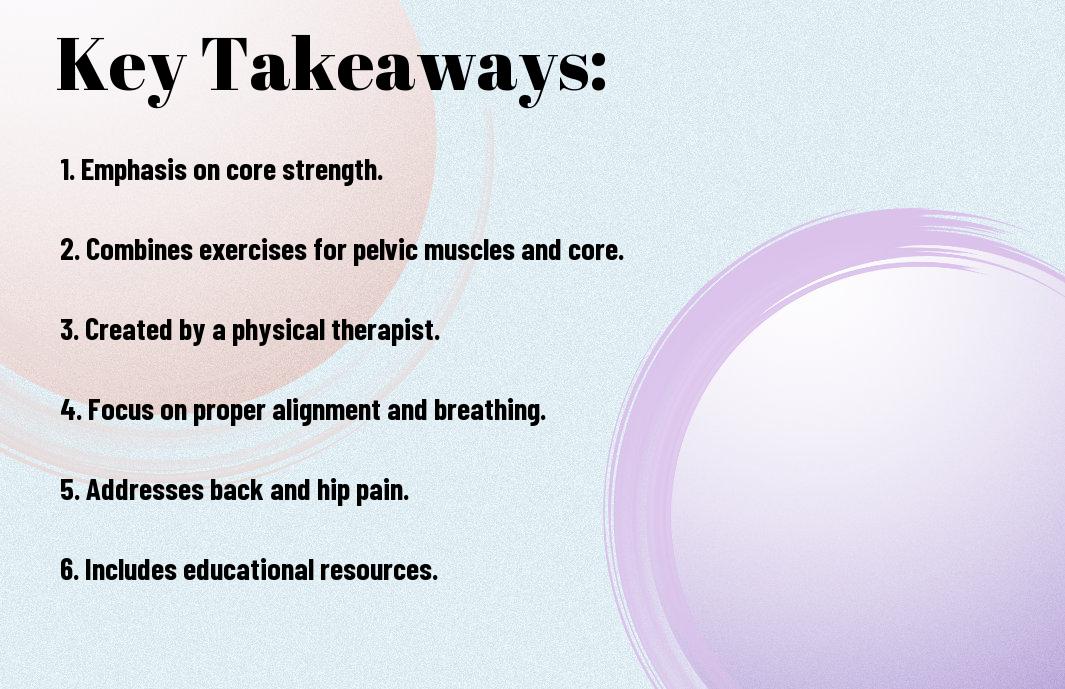
Key Takeaways:

  • Consultation with a healthcare provider: Individuals with underlying health conditions or concerns should consult with their healthcare provider before starting the Pelvic Floor Strong program.
  • Hernias or recent surgeries: Those with hernias or who have recently undergone abdominal or pelvic surgeries should avoid the program until they have fully recovered and received clearance from their healthcare provider.
  • Pregnant individuals: Pregnant individuals should avoid the Pelvic Floor Strong program unless it is specifically designed for prenatal use and approved by their healthcare provider.

Contraindications for Pelvic Floor Strong

Pregnancy and Postpartum

With regards to the Pelvic Floor Strong program, if you are currently pregnant or in the immediate postpartum period, it is crucial to consult with your healthcare provider before starting any new exercise regimen. Pregnancy and the postpartum period require specialized care and attention to ensure the safety and well-being of both you and your baby.

Recent Pelvic Surgery

Floor If you have undergone recent pelvic surgery, it is necessary to speak with your healthcare provider before beginning the Pelvic Floor Strong program. Recent pelvic surgery may impact your body’s ability to safely engage in certain exercises or movements, and it is important to receive personalized guidance to prevent any complications or discomfort.

Pelvic It is recommended to disclose any recent pelvic surgeries or procedures to your healthcare provider to determine if the Pelvic Floor Strong program is suitable for your individual circumstances. Your healthcare provider can offer insights into how to adapt the program to fit your needs and promote optimal recovery.

Medical Conditions to Consider

One important factor to consider before starting the Pelvic Floor Strong program is your current medical condition. Certain individuals may need to proceed with caution or consult their healthcare provider before beginning the program.

Pelvic Organ Prolapse

Pelvic organ prolapse is a condition where the organs in your pelvis, such as the bladder, uterus, or rectum, sag or bulge into the vaginal space due to weakened pelvic floor muscles. If you have been diagnosed with pelvic organ prolapse, it is important to consult your healthcare provider before starting the Pelvic Floor Strong program. Some exercises in the program may need to be modified to prevent worsening of the condition.

Urinary Incontinence

Organizations such as the International Continence Society define urinary incontinence as any involuntary leakage of urine. If you experience urinary incontinence, it’s crucial to address this issue with your healthcare provider before starting the Pelvic Floor Strong program. While the program can help strengthen your pelvic floor muscles, certain exercises may need to be tailored to your specific needs to avoid exacerbating urinary incontinence.

Medical conditions such as urinary incontinence can have different underlying causes, including weak pelvic floor muscles or nerve damage. It’s important to determine the root cause of your urinary incontinence to incorporate the most appropriate exercises from the Pelvic Floor Strong program into your routine.

Pelvic Pain

Pain in the pelvic region can be caused by various factors, including muscle tension, nerve irritation, or underlying medical conditions. If you experience chronic pelvic pain, it’s crucial to discuss your condition with a healthcare provider before starting the Pelvic Floor Strong program. Certain exercises in the program may need to be avoided or modified to prevent exacerbating pelvic pain.

It’s important to address any underlying medical conditions contributing to your pelvic pain before beginning a pelvic floor strengthening program. By working closely with your healthcare provider, you can develop a tailored approach that addresses your specific needs and helps improve your pelvic floor health.

Age-Related Factors

Not everyone is the same when it comes to health and fitness, and age can play a role in determining the best approach for your pelvic floor strength. Here are some age-related factors to consider when thinking about the Pelvic Floor Strong program:

Adolescents and Young Adults

Young individuals can benefit from pelvic floor exercises to prevent future issues and promote overall pelvic health. It’s never too early to start working on strengthening your pelvic floor muscles. By incorporating the Pelvic Floor Strong program into your routine, you can establish good habits that will support your pelvic floor health as you age.

  • Young individuals may have different needs and goals compared to older adults
  • Starting early can help prevent pelvic floor issues later in life

Older Adults

An important factor to consider for older adults is any pre-existing conditions or limitations that may impact their ability to perform certain exercises in the Pelvic Floor Strong program. As you age, it’s important to take into account any age-related changes in muscle tone, flexibility, and overall health that might affect your pelvic floor strength.

This group may require modifications to the exercises to suit their individual needs and capabilities. It’s recommended to consult with a healthcare provider before starting any new fitness program, including Pelvic Floor Strong, especially if you are an older adult. Knowing your body and its limitations is key to safely and effectively improving your pelvic floor strength.

Other Health Factors to Consider

Despite the many benefits of the Pelvic Floor Strong program, there are certain health factors that you should consider before starting. Here are some other health conditions that may impact your ability to participate in the program:

Chronic Back Pain

Factors such as chronic back pain can affect your ability to perform certain exercises in the Pelvic Floor Strong program. If you have a history of back pain, it is important to consult with your healthcare provider before starting the program. Your healthcare provider can provide guidance on modifications or alternative exercises that may be more suitable for you.

The Pelvic Floor Strong program focuses on strengthening the pelvic floor muscles, which can indirectly support the muscles in your back and help alleviate back pain. However, certain exercises in the program may exacerbate existing back issues, so it is important to proceed with caution and seek professional advice.

Neurological Conditions

For individuals with neurological conditions such as Multiple Sclerosis or Parkinson’s disease, certain exercises in the Pelvic Floor Strong program may need to be modified to accommodate your specific needs. It is important to work closely with your healthcare provider or a physical therapist who can offer guidance on how to adapt the exercises to your condition.

Pain and discomfort associated with neurological conditions can impact your ability to perform certain movements in the program. It is important to listen to your body and communicate any concerns with your healthcare provider. They can help you make adjustments to ensure that you are exercising safely and effectively.

Weakened Immune System

Health conditions that result in a weakened immune system, such as autoimmune disorders or chronic illnesses, may impact your ability to participate in the Pelvic Floor Strong program. It is important to prioritize your overall health and well-being before starting any exercise program.

Chronic stress and inflammation associated with a weakened immune system can affect your energy levels and recovery ability. Before starting the program, consult with your healthcare provider to ensure that it is safe for you to engage in physical activity. They can provide tailored recommendations to support your immune system while strengthening your pelvic floor muscles.

Medications and Interactions

Now, let’s discuss some medications and interactions that you should be aware of before starting the Pelvic Floor Strong program. It is important to note that certain medications may interact with the exercises or techniques recommended in the program, potentially affecting your health and well-being. Always consult with your healthcare provider before beginning any new exercise program, especially if you are taking medications.

Blood Thinners and Anticoagulants

An important consideration for individuals on blood thinners or anticoagulants is the potential risk of increased bleeding or bruising when participating in high-intensity exercises or activities that put strain on the pelvic floor muscles. The Pelvic Floor Strong program includes exercises that may involve intense contractions of the pelvic floor, which could pose a risk for individuals on these medications.

Hormone Replacement Therapy

Hormone replacement therapy (HRT) is another factor to consider before starting the Pelvic Floor Strong program. If you are currently undergoing HRT, certain exercises or techniques in the program may impact your hormone levels or exacerbate any existing hormonal imbalances. It is vital to discuss this with your healthcare provider to determine if the program is suitable for you.

Blood thinners and anticoagulants pose a risk of increased bleeding or bruising when combined with high-intensity exercises of the pelvic floor muscles. Hormone replacement therapy can be impacted by the exercises or techniques recommended in the program. It is crucial to consult your healthcare provider to evaluate the compatibility of the Pelvic Floor Strong program with your current medications.

Muscle Relaxants

The use of muscle relaxants may also affect your ability to perform the exercises in the Pelvic Floor Strong program effectively. Muscle relaxants can impact muscle strength and coordination, potentially reducing the efficacy of the pelvic floor exercises. If you are taking muscle relaxants, it is important to discuss their potential effects on the program with your healthcare provider.

Special Populations

Individuals with Disabilities

The Pelvic Floor Strong program is designed to be accessible to individuals of various abilities, but it’s important to consider your specific needs and limitations. The program may need to be modified to accommodate certain disabilities or conditions. If you have any concerns about whether the exercises are suitable for you, it’s best to consult with a healthcare provider or a physical therapist before starting the program.

Those with a History of Trauma

Populations with a history of trauma, such as sexual abuse or childbirth trauma, may have unique considerations when engaging in a pelvic floor strengthening program. It’s important to approach these exercises with sensitivity and mindfulness. If you have experienced trauma that may impact your ability to comfortably participate in the program, you may want to seek guidance from a mental health professional or therapist who can help you navigate any emotional challenges that may arise during the program.

For instance, you may need to take breaks or modify certain exercises to ensure your comfort and emotional well-being throughout the program. Prioritizing your mental health and seeking support from a professional can be imperative in helping you effectively engage with the Pelvic Floor Strong program while honoring your personal needs and boundaries.

To wrap up

On the whole, the Pelvic Floor Strong program is safe and beneficial for most individuals, including those looking to improve their pelvic floor health. However, there are certain contraindications and individuals who should avoid this program. If you have a history of pelvic organ prolapse, pelvic surgery, or are pregnant, it is recommended to consult with a healthcare professional before starting the Pelvic Floor Strong program. Additionally, if you experience any pain or discomfort while performing the exercises, it is crucial to stop and seek guidance from a physiotherapist or healthcare provider. For more information on pelvic floor exercises, you can visit Pelvic Floor Exercises.

Q: Are there any contraindications or individuals who should avoid the Pelvic Floor Strong program?

A: The Pelvic Floor Strong program is generally safe for most individuals, but there are some cases where caution should be exercised. It is recommended to consult with a healthcare provider before starting the program if you have any underlying medical conditions or concerns about your pelvic health. Additionally, pregnant women or individuals who have recently given birth should consult with their healthcare provider before beginning the program.

Q: Can men participate in the Pelvic Floor Strong program?

A: While the Pelvic Floor Strong program is specifically designed for women, men can also benefit from strengthening their pelvic floor muscles. However, it is advised to consult with a healthcare provider or a pelvic floor specialist to ensure that the exercises are suitable and safe for men.

Q: Are there any age restrictions for the Pelvic Floor Strong program?

A: The Pelvic Floor Strong program is suitable for individuals of all ages. However, it is important to listen to your body and modify the exercises as needed, especially if you have any pre-existing health conditions or physical limitations. If you have any concerns about whether the program is appropriate for your age group, it is advised to consult with a healthcare provider before starting the program.

How long does it typically take to see results from following the Pelvic Floor Strong program

Over the course of entering into the Pelvic Floor Strong program, you may find yourself curious about when you will begin to see tangible results. Just like any journey to improvement, the timeline for progress varies from person to person. Factors such as consistency, dedication, and your body’s unique response all play a role in determining how long it will take for you to notice significant changes. In this blog post, we will explore the typical timeframe for seeing results from following the Pelvic Floor Strong program, empowering you to stay motivated on your wellness journey.

Key Takeaways:

  • Consistency is key: It is important to consistently follow the Pelvic Floor Strong program to see results.
  • Individual results may vary: The time it takes to see results may differ from person to person depending on their individual body and effort put into the program.
  • Generally visible results: Many individuals start noticing improvements in pelvic floor strength within a few weeks of starting the program.

Setting Realistic Expectations

The Importance of Patience

Realistic expectations are crucial when launching on a journey to improve your pelvic floor strength. It’s crucial to understand that progress may not happen overnight, and consistent effort over time is key. Patience is your best friend in this process. Just like building any muscle in your body, strengthening your pelvic floor takes time and dedication. By staying patient and committed to the Pelvic Floor Strong program, you are more likely to see sustainable results that will benefit you in the long run.

Debunking Unrealistic Claims

One common mistake many people make when starting a new fitness program is falling for unrealistic claims of quick fixes or overnight results. It’s important to remember that genuine improvements in pelvic floor strength, like any physical changes in your body, take time. Be wary of programs promising miraculous transformations in a matter of days or weeks. These claims often lead to disappointment and can deter you from the real progress you are making with consistent effort.

It is crucial to approach the Pelvic Floor Strong program with a realistic mindset. While you may not see drastic changes right away, trust in the process and stay dedicated. Consistent effort and patience will pay off in the long term, leading to significant improvements in your pelvic floor strength and overall well-being.

Factors Affecting Progress

Now, let’s research into the factors that can influence the time it takes to see results from the Pelvic Floor Strong program:

Individual Variations in Pelvic Floor Strength

With any exercise program, individual variations play a significant role in how quickly you may see progress. Factors such as your current level of pelvic floor strength, overall fitness, and any pre-existing conditions can impact your journey. The Pelvic Floor Strong program is designed to cater to various levels, but it’s vital to understand that each person’s body responds differently to exercise.

Consistency of Exercise Routine

Variations in the consistency of your exercise routine can also affect how soon you notice improvements. The frequency and dedication with which you follow the program can make a noticeable difference in the results you achieve. Consistency is key when it comes to strengthening your pelvic floor muscles. The more regularly you engage in the exercises, the more likely you are to see positive outcomes in a timely manner.

One important aspect to keep in mind regarding the consistency of your exercise routine is that progress is often gradual. Your pelvic floor muscles may not drastically change overnight, but with sustained effort and commitment to the program, you will likely start to feel the benefits over time.

Quality of Exercises Performed

One crucial factor that can influence the effectiveness of the Pelvic Floor Strong program is the quality of the exercises you perform. Proper technique, focus, and attention to detail are vital to ensure that you are engaging the correct muscles and maximizing the benefits of each movement.

Pelvic Floor Strong emphasizes the importance of precise execution to target the pelvic floor muscles effectively. Taking the time to understand and master each exercise can significantly impact the speed at which you experience results.

Pelvic floor health is a journey that requires patience and dedication. By considering these factors and staying committed to the program, you can enhance your progress and reap the benefits of a stronger pelvic floor.

Typical Timeline for Seeing Results

Despite Pelvic Floor Dysfunction: What It Is, Symptoms & Treatment, the timeline for seeing results from following the Pelvic Floor Strong program can vary from person to person.

Short-Term Progress (1-4 weeks)

An important aspect of the Pelvic Floor Strong program is that you may start to notice improvements in the first few weeks of starting the program. You might experience reduced frequency of leaks, improved pelvic stability, and better control over your pelvic floor muscles. These early results can be encouraging and motivate you to continue with the program.

Mid-Term Progress (4-8 weeks)

On your journey with the Pelvic Floor Strong program, by the 4-8 week mark, you may start to see more significant changes. Your pelvic floor muscles may become stronger, helping to support your pelvic organs better. You might also notice a decrease in pain or discomfort related to pelvic floor issues, and an overall improvement in your quality of life as you regain control over your pelvic muscles.

It is important to stay consistent with the exercises and techniques taught in the Pelvic Floor Strong program during this period to maximize your progress and continue building on the gains you’ve made so far.

Long-Term Progress (8-12 weeks and beyond)

Seeing lasting improvements in your pelvic floor strength and function can take time, typically around 8-12 weeks and beyond. You may find that the exercises become easier to perform, and you can increase the intensity as your muscles adapt and grow stronger. Over time, you may experience a significant reduction in symptoms related to pelvic floor dysfunction, such as incontinence, pelvic pain, or discomfort during intercourse.

ShortTerm, consistency and patience are key to achieving long-term success with the Pelvic Floor Strong program. Remember that everyone’s progress is unique, so listen to your body and celebrate the milestones along the way.

Identifying Progress Beyond Just Strength

Keep track of various aspects of your health and well-being as you progress through the Pelvic Floor Strong program. While improvements in pelvic floor strength are vital, there are other signs of progress to look out for as well.

Improved Bladder Control

Identifying improvements in bladder control can be a significant indicator of progress in your pelvic floor health. You may notice fewer incidents of urgency or leakage, allowing you to regain confidence and control over your bladder function.

Enhanced Core Stability

Progress in core stability goes hand in hand with pelvic floor strength. Developing a stronger core can help support your pelvic organs and contribute to better posture and reduced back pain. Pay attention to how your core feels during daily activities and exercises to gauge improvements in stability.

Progress in enhanced core stability may not always be immediately noticeable, but over time, you may find it easier to engage your core muscles, maintain good posture, and experience less discomfort in your lower back.

Better Posture and Reduced Back Pain

It is crucial to pay attention to how your posture changes as you follow the Pelvic Floor Strong program. Better posture not only indicates improved alignment and muscle balance but can also alleviate strain on the lower back, resulting in reduced back pain.

Identifying improvements in your posture can involve standing taller, feeling less tension in your shoulders and lower back, and experiencing reduced discomfort when sitting for extended periods. These changes signify that your body is becoming stronger and more balanced to support optimal pelvic floor function.

Overcoming Plateaus and Setbacks

Your journey to a stronger pelvic floor may encounter plateaus and setbacks along the way. It’s important to understand that progress isn’t always linear, and there are strategies to navigate through these obstacles.

Reassessing Your Exercise Routine

Overcoming plateaus in your pelvic floor strength may require reassessing your exercise routine. You may need to increase the intensity of your exercises, switch up the type of exercises you’re doing, or incorporate new movements to challenge your muscles in different ways. Consulting with a pelvic floor physical therapist or a fitness professional can help you tailor your workout routine to break through these plateaus.

Adjusting Your Diet and Lifestyle

Routine adjustments to your diet and lifestyle can also play a significant role in overcoming plateaus in your pelvic floor strength journey. Ensure you’re staying hydrated, eating a balanced diet rich in nutrients that support muscle health, and getting enough rest and sleep to allow your body to recover and repair. Small changes in your daily habits can make a big difference in reaching your pelvic floor strength goals.

Understanding the impact of your diet and lifestyle choices on your pelvic floor health is crucial. Certain foods and habits, like caffeine or high-impact activities, can potentially worsen pelvic floor symptoms or hinder your progress. Making informed decisions and adjustments can help you stay on track towards optimal pelvic floor function.

Seeking Professional Guidance

On your journey to building a strong pelvic floor, seeking professional guidance can be invaluable. Pelvic floor physical therapists, nutritionists, or specialized trainers can provide personalized advice and tailored strategies to address your unique needs and challenges. Don’t hesitate to reach out to experts who can offer support and guidance to help you overcome obstacles and achieve your goals.

Adjusting your approach with the help of qualified professionals can bring a fresh perspective and renewed motivation to your pelvic floor strengthening journey. Their expertise can help you navigate setbacks, plateaus, and any roadblocks you may encounter along the way.

Maximizing Results with Additional Strategies

Incorporating Other Forms of Exercise

With the Pelvic Floor Strong program as your foundation, incorporating other forms of exercise can further enhance your results. Activities like yoga, Pilates, and swimming can help strengthen your core and improve overall body alignment, which can in turn support your pelvic floor muscles. These exercises can complement the targeted workouts of the program and provide a more holistic approach to your fitness routine.

Stress Reduction Techniques

Additional to the physical aspect of the Pelvic Floor Strong program, incorporating stress reduction techniques into your daily routine can also maximize your results. Practices such as meditation, deep breathing exercises, or even engaging in hobbies you enjoy can help reduce tension in your body, including your pelvic floor muscles. By managing stress effectively, you can create a more conducive environment for your muscles to heal and strengthen.

Another way to reduce stress and support your pelvic floor health is by prioritizing sleep. Getting enough rest each night is imperative for muscle recovery and overall well-being. Adequate sleep can also help regulate your hormones, which play a role in the health of your pelvic floor muscles. By incorporating relaxation techniques and ensuring proper rest, you can optimize the benefits of the Pelvic Floor Strong program.

Pelvic Floor-Friendly Nutrition

Fueling your body with the right nutrients is key to supporting your pelvic floor health. Incorporating a diet rich in fruits, vegetables, lean proteins, and whole grains can provide the vitamins and minerals necessary for muscle repair and strength. Avoiding foods that can irritate the bladder, such as caffeine and spicy foods, can also help maintain optimal pelvic floor function.

Other dietary considerations include staying hydrated and maintaining a healthy weight. Proper hydration is imperative for muscle function, including the pelvic floor muscles. Additionally, excess weight can put pressure on the pelvic floor, so maintaining a balanced diet and staying active can contribute to better outcomes from the Pelvic Floor Strong program.

To wrap up

On the whole, it is important to remember that results from following the Pelvic Floor Strong program can vary from person to person. Some individuals may start to notice improvements in pelvic floor strength and symptoms within a few weeks of consistently following the program, while for others it may take a bit longer. Remember that consistency and patience are key when it comes to seeing lasting results. By committing to the exercises and techniques outlined in the program, you are taking positive steps towards strengthening your pelvic floor and improving your quality of life.

FAQ

Q: How long does it typically take to see results from following the Pelvic Floor Strong program?

A: The timeline for seeing results from the Pelvic Floor Strong program can vary depending on individual factors such as starting fitness level, consistency in following the program, and adherence to the exercises. However, many people report noticeable improvements in pelvic floor strength and functionality within 4-6 weeks of consistently following the program.

Q: What kind of results can I expect from the Pelvic Floor Strong program?

A: By following the Pelvic Floor Strong program, you can expect to experience improvements in pelvic floor muscle strength, increased bladder control, reduced frequency of urinary incontinence episodes, enhanced core stability, better posture, and overall improved pelvic health. Additionally, many participants also report decreased pain and discomfort in the pelvic region.

Q: How often should I do the Pelvic Floor Strong exercises to see results?

A: To see optimal results from the Pelvic Floor Strong program, it is recommended to perform the exercises at least 3-4 times per week. Consistency is key to strengthening the pelvic floor muscles and improving their functionality. It is important to gradually progress with the exercises as your strength and endurance increase to continue seeing positive results.

Can men benefit from the Pelvic Floor Strong program, or is it exclusively for women

Many people wonder if the Pelvic Floor Strong program is only designed for women, but the truth is that men can also benefit from it. Just like women, men can experience pelvic floor issues, and exercises like Kegels can work for both genders. To learn more about how pelvic floor exercises can benefit men, you can read the article Pelvic floor issues aren’t just a woman’s health condition ….

Key Takeaways:

  • Men can benefit from the Pelvic Floor Strong program: While the program is often marketed towards women, men can also benefit from strengthening their pelvic floor muscles through the exercises and techniques taught in the program.
  • Improved bladder control: Both men and women can experience issues with bladder control, and participating in the Pelvic Floor Strong program can help individuals of any gender strengthen their pelvic floor to improve bladder control and reduce leakage.
  • Enhanced sexual health: Strengthening the pelvic floor can lead to improved sexual health for both men and women, including better erections, ejaculation control, and overall sexual satisfaction.

The Pelvic Floor Strong Program: An Overview

What is the Pelvic Floor Strong program?

Strong pelvic floor muscles are important for both men and women. The Pelvic Floor Strong program focuses on exercises to strengthen these muscles and improve issues such as incontinence, pelvic pain, and sexual dysfunction. While often associated with women, pelvic floor exercises, such as Kegels, are beneficial for men as well. According to Kegels: Not for women only, pelvic floor exercises can help improve bladder control and sexual function in men.

Its origins and popularity among women

Strong The Pelvic Floor Strong program has gained popularity among women seeking to address postpartum issues, pelvic organ prolapse, and other pelvic floor concerns. To understand its origins, you must probe into the growing awareness of pelvic floor health and the importance of kegel exercises in strengthening these muscles. The program’s effectiveness in helping women regain control over their pelvic floor muscles and improve quality of life has contributed to its rise in popularity.

The Anatomy of Pelvic Floor Muscles

What are pelvic floor muscles?

Some of the most important, yet often neglected, muscles in your body are the pelvic floor muscles. These muscles form a hammock-like structure at the base of your pelvis, supporting your pelvic organs, including the bladder, rectum, and in women, the uterus. Keeping these muscles strong and healthy is crucial for various bodily functions.

Their role in men’s and women’s bodies

Floor muscles play a significant role in both men’s and women’s bodies. In men, these muscles are vital for urinary and bowel control, as well as sexual function. For women, in addition to these functions, strong pelvic floor muscles are crucial during pregnancy and childbirth. These muscles support the growing uterus and play a key role in the birthing process.

Can Men Benefit from Pelvic Floor Exercises?

Many people mistakenly believe that pelvic floor exercises are only beneficial for women, but the truth is that men can also greatly benefit from incorporating these exercises into their routine.

Similarities between men’s and women’s pelvic floor muscles

Pelvic floor muscles are not gender-specific; both men and women have them. These muscles play a crucial role in supporting the pelvic organs, controlling bladder and bowel functions, and enhancing sexual performance. Just like women, men can experience issues such as incontinence, erectile dysfunction, and pelvic pain, all of which can be improved through pelvic floor exercises.

How pelvic floor exercises can benefit men’s health

Men can experience various benefits from pelvic floor exercises, including improved bladder control, enhanced sexual function, and reduced risk of pelvic pain and dysfunction. By strengthening these muscles, you can potentially alleviate symptoms of urinary incontinence, erectile dysfunction, and even chronic pelvic pain.

For instance, if you regularly engage in high-impact activities like running or heavy lifting, having a strong pelvic floor can provide better support for your pelvic organs and reduce the risk of developing issues such as pelvic organ prolapse or urinary incontinence. By incorporating pelvic floor exercises into your routine, you can improve your overall pelvic health and quality of life.

Benefits of Pelvic Floor Strong for Men

Improved bladder control and urinary health

Unlike what many people think, Pelvic Floor Strong is not just beneficial for women. Any man can benefit from the program to improve bladder control and maintain good urinary health. By strengthening your pelvic floor muscles, you can reduce instances of urinary incontinence and other bladder issues that may arise as you age.

Enhanced sexual performance and pleasure

For men, a strong pelvic floor can lead to enhanced sexual performance and pleasure. By improving blood flow to the genital area and increasing muscle tone, you may experience stronger and longer-lasting erections. Additionally, a healthy pelvic floor can help prevent issues such as erectile dysfunction and premature ejaculation.

The Pelvic Floor Strong program can also help you have better control over your orgasms, leading to more intense and satisfying sexual experiences.

Better core strength and athletic performance

Benefits of Pelvic Floor Strong extend to improving core strength and athletic performance for men as well. By incorporating pelvic floor exercises into your routine, you can enhance your overall strength, stability, and power. This can be particularly beneficial for athletes looking to improve their performance in various sports activities.

Having a strong core from the inside out can also help prevent injuries during physical activities, allowing you to push your limits and excel in your fitness goals with greater ease and pleasure.

Addressing Common Concerns

Is the program too focused on women’s health?

Not at all. While pelvic floor issues are more commonly discussed in relation to women, men can also benefit greatly from strengthening their pelvic floor muscles. The Pelvic Floor Strong program is designed to help both men and women improve their pelvic health and address issues such as incontinence, pelvic pain, and sexual dysfunction.

Can men modify the exercises to suit their needs?

Program modifications can definitely be made to suit the needs of men. Men may need to adjust certain exercises or focus on different aspects of pelvic floor health than women. However, the fundamental principles of the Pelvic Floor Strong program can still be applied effectively to improve pelvic floor strength and function in men.

For men, it’s vital to consider their unique anatomy and specific pelvic floor concerns when modifying the exercises. Consulting with a healthcare provider or a pelvic floor specialist can help tailor the program to address men’s individual needs and optimize their pelvic health.

Real-Life Examples and Success Stories

Men who have benefited from the Pelvic Floor Strong program

Examples of men who have experienced improvements in their pelvic floor strength through the Pelvic Floor Strong program are not as widely discussed as women’s success stories, but they do exist. Men facing issues such as urinary incontinence, erectile dysfunction, or pelvic pain have found relief and improved quality of life by following the program’s techniques and exercises.

Their experiences and testimonials

One man who followed the Pelvic Floor Strong program shared his experience of regaining control over his bladder and improving his sexual function. He mentioned feeling more confident and comfortable in daily activities without the constant worry of leaks or discomfort. Another individual highlighted how the program helped him alleviate chronic pelvic pain that had been affecting his daily life for years.

The testimonials from men who have benefited from the Pelvic Floor Strong program emphasize the significant impact it had on their overall well-being and confidence. By committing to the exercises and methods outlined in the program, these individuals were able to address and overcome various pelvic floor issues that had been holding them back.

To wrap up

Following this detailed analysis of the Pelvic Floor Strong program, it is evident that men can benefit from it as well. While the program is primarily marketed towards women, the exercises and techniques are beneficial for men looking to strengthen their pelvic floor muscles. Whether you are a man experiencing issues with bladder control, sexual dysfunction, or lower back pain, incorporating the Pelvic Floor Strong program into your fitness routine could help improve your symptoms and overall quality of life.

Note, pelvic floor dysfunction is not exclusive to women, and taking proactive steps to strengthen your pelvic floor muscles can have significant benefits for men as well. Consider giving the Pelvic Floor Strong program a try and see how it can help you improve your pelvic health and overall well-being. Your body will thank you for taking the time to prioritize your pelvic floor strength.

Q: Can men benefit from the Pelvic Floor Strong program?

A: Yes, men can benefit from the Pelvic Floor Strong program as well. While pelvic floor issues are more commonly associated with women, men can also experience pelvic floor dysfunction. The exercises and techniques taught in the program can help improve pelvic floor strength and function for both men and women.

Q: Is the Pelvic Floor Strong program exclusively for women?

A: No, the Pelvic Floor Strong program is not exclusively for women. While the program may be marketed towards women due to the higher prevalence of pelvic floor issues in females, men can also benefit from the exercises and strategies taught in the program.

Q: How can men benefit from the Pelvic Floor Strong program?

A: Men can benefit from the Pelvic Floor Strong program by improving their pelvic floor muscle strength, which can help with issues such as urinary incontinence, erectile dysfunction, and pelvic pain. The program includes exercises and techniques that are effective for both men and women in strengthening the pelvic floor muscles.

What are the common signs of a weak pelvic floor that the Pelvic Floor Strong program addresses

Signs that your pelvic floor may be weak can include issues like urinary incontinence, frequent bathroom trips, or discomfort during intimacy. The Pelvic Floor Strong program aims to address these symptoms and strengthen your pelvic floor muscles. To learn more about weak pelvic floor muscle symptoms and how to strengthen them, check out Weak Pelvic Floor Muscle Symptoms & How To Strengthen.

Key Takeaways:

  • Incontinence: Common signs of a weak pelvic floor include leaking urine when laughing, sneezing, or exercising.
  • Pelvic Pressure: Feeling of heaviness or pressure in the pelvic area is a common sign of a weak pelvic floor.
  • Pelvic Pain: Pain in the pelvic region, lower back, or during sexual intercourse can also indicate a weak pelvic floor that needs attention.

What is a Weak Pelvic Floor?

Definition and Explanation

The pelvic floor is a group of muscles that form a supportive sling at the base of your pelvis. When these muscles are weak, they are unable to properly support your pelvic organs, including the bladder, uterus, and rectum. This can lead to issues such as urinary incontinence, pelvic organ prolapse, and even lower back pain.

Common causes of a weak pelvic floor include pregnancy and childbirth, hormonal changes, chronic coughing, heavy lifting, and even high-impact activities like running. It’s important to strengthen these muscles to prevent and address these issues.

Prevalence and Statistics

The prevalence of weak pelvic floor muscles is more common than you might think. Research suggests that about one in three women will experience some form of pelvic floor dysfunction in their lifetime. Additionally, men can also suffer from pelvic floor weakness, especially as they age or after prostate surgery.

Pelvic floor issues are often underdiagnosed and undertreated, leading to unnecessary discomfort and embarrassment. It’s imperative to address these problems early on to improve your quality of life and prevent further complications.

Physical Signs of a Weak Pelvic Floor

Even though a weak pelvic floor may not always be visible, there are physical signs that can indicate its weakness. Some of the most common signs include urinary incontinence, fecal incontinence, and pelvic organ prolapse. These signs can be distressing for many individuals, affecting their quality of life and overall well-being.

Urinary Incontinence

Signs of urinary incontinence, such as leaking urine when you cough, sneeze, or laugh, can be indicative of a weak pelvic floor. You may also experience a sudden and urgent need to urinate, as well as frequent trips to the bathroom throughout the day and night.

Fecal Incontinence

Incontinence of stool, or fecal incontinence, is another common sign of a weak pelvic floor. This can manifest as difficulty controlling gas or bowel movements, leading to accidents that can be embarrassing and disrupt your daily life.

Fecal incontinence can be caused by a variety of factors, including childbirth, aging, chronic constipation, or nerve damage. Strengthening the muscles of the pelvic floor can help improve control and reduce the likelihood of accidents.

Pelvic Organ Prolapse

An additional sign of a weak pelvic floor is pelvic organ prolapse, where one or more organs in the pelvic area slip from their normal position and bulge into the vagina. This can cause sensations of pressure, discomfort, or heaviness in the pelvic region.

With the Pelvic Floor Strong program, you can learn exercises and techniques to strengthen your pelvic floor muscles, address these physical signs, and improve the overall function of your pelvic floor. Taking steps to strengthen your pelvic floor can help alleviate these symptoms and enhance your quality of life.

Emotional and Mental Signs of a Weak Pelvic Floor

Now, let’s investigate into the emotional and mental signs that may indicate a weak pelvic floor and how the Pelvic Floor Strong program can help address them.

Anxiety and Fear

On your journey with a weak pelvic floor, you may experience heightened anxiety and fear. The constant worry about leaks or discomfort can lead to emotional distress. The uncertainty of when your pelvic floor muscles may let you down can be stressful. The Pelvic Floor Strong program aims to alleviate these feelings by strengthening your pelvic floor, giving you more control and confidence.

Low Self-Esteem and Confidence

With a weakened pelvic floor, you may find your self-esteem and confidence taking a hit. The lack of control over your bladder or bowel movements can be embarrassing and affect how you feel about yourself. The Pelvic Floor Strong program not only focuses on physical strength but also helps you regain your self-assurance. By regaining control of your pelvic floor muscles, you can rebuild your confidence and feel empowered in your daily life.

Anxiety and fear can stem from the uncertainty of how your pelvic floor will behave in different situations. The Pelvic Floor Strong program can help you strengthen these muscles, providing you with more predictability and less anxiety in your daily activities.

Depression and Isolation

Isolation may become a common theme if you’re dealing with depression due to a weak pelvic floor. Feeling alone in your struggles and limiting your activities to avoid embarrassment can lead to isolation. The Pelvic Floor Strong program addresses not only the physical aspects but also the emotional well-being associated with pelvic floor weakness. By building strength and confidence, you can break free from the cycle of depression and isolation.

This holistic approach can significantly impact your mental health, helping you feel more connected, supported, and optimistic about your pelvic floor health.

Common Causes of a Weak Pelvic Floor

Childbirth and Pregnancy

Not surprisingly, one of the primary causes of a weak pelvic floor is childbirth and pregnancy. The strain from carrying a baby and the actual process of giving birth can weaken the pelvic floor muscles. This weakening can lead to issues like urinary incontinence, pelvic organ prolapse, and decreased sexual satisfaction.

Aging and Menopause

For women, aging and menopause can also contribute to a weak pelvic floor. As you age, the muscles in the pelvic floor naturally weaken. Additionally, the hormonal changes that occur during menopause can further weaken these muscles, leading to symptoms like urinary incontinence and pelvic organ prolapse.

Common signs of a weak pelvic floor due to aging and menopause include a frequent need to urinate, especially at night, as well as a feeling of heaviness in the pelvis. You may also experience discomfort during sexual intercourse.

Surgery and Injury

Injury, such as trauma from a fall or accident, can also weaken the pelvic floor muscles. Surgeries in the pelvic area, such as hysterectomies, can inadvertently damage these muscles as well. When these muscles are weakened, issues like urinary incontinence and pelvic pain can arise.

If you’ve undergone surgery in the pelvic region or have experienced a pelvic injury, it’s crucial to be aware of the potential impact on your pelvic floor muscles. Strengthening exercises like those found in the Pelvic Floor Strong program can help you regain muscle strength and function.

How the Pelvic Floor Strong Program Addresses Weakness

Exercise and Physical Therapy

Floor exercises and physical therapy are core components of the Pelvic Floor Strong program. By targeting specific muscles in your pelvic floor through guided exercises and therapeutic techniques, the program aims to strengthen and restore function to these vital muscles.

Lifestyle Changes and Modifications

The Pelvic Floor Strong program also addresses lifestyle factors that may contribute to pelvic floor weakness. By educating you on proper posture, dietary adjustments, and other lifestyle modifications, the program empowers you to make positive changes that support the health of your pelvic floor.

The program emphasizes the importance of good habits that can alleviate stress on your pelvic floor muscles. By incorporating simple yet effective modifications into your daily routine, you can help reduce strain and improve the overall function of your pelvic floor.

Breathing and Relaxation Techniques

Relaxation techniques play a crucial role in the Pelvic Floor Strong program. By focusing on deep breathing, mindfulness, and relaxation exercises, you can learn to release tension in your pelvic floor and promote better circulation and muscle flexibility.

Techniques such as diaphragmatic breathing and progressive muscle relaxation are incorporated into the program to help you improve your pelvic floor function and overall well-being.

Benefits of Strengthening the Pelvic Floor

Many women experience the benefits of strengthening their pelvic floor through the Pelvic Floor Strong program. This program can help address various issues related to a weak pelvic floor, offering improvements in bladder control, enhanced sexual function, increased core strength, and stability.

Improved Bladder Control

Improved bladder control is a significant benefit of strengthening your pelvic floor. Weak pelvic floor muscles can lead to urinary incontinence, where you may experience leaks when you cough, sneeze, or exercise. By strengthening these muscles through targeted exercises, you can reduce or even eliminate these issues, giving you more confidence and freedom in your daily activities.

Enhanced Sexual Function

The Pelvic Floor Strong program also addresses enhanced sexual function as a benefit of pelvic floor strengthening. Strong pelvic floor muscles can improve sensation during intercourse and lead to better orgasms. Additionally, by increasing blood flow to the pelvic area through targeted exercises, you may experience heightened arousal and overall sexual satisfaction.

This not only benefits you but also your partner, as a strong pelvic floor can result in improved intimacy and a more fulfilling sex life.

Increased Core Strength and Stability

This program also offers the benefit of increased core strength and stability. Your pelvic floor muscles are an crucial part of your core, providing support to your spine and pelvis. By strengthening these muscles, you can improve your overall core strength, which can help alleviate back pain, improve posture, and enhance your athletic performance.

Floor exercises that target the pelvic floor can also engage other core muscles, such as the deep abdominals and the back muscles, leading to a more stable and balanced core. This can benefit you in various activities, from everyday movements to more intense workouts.

Conclusion

Presently, you have gained insight into common signs of a weak pelvic floor that the Pelvic Floor Strong program aims to address. These signs may include urinary incontinence, pelvic pain, and discomfort during intercourse. By targeting the pelvic floor muscles through specific exercises and routines, this program can help strengthen your pelvic floor, improve bladder control, and alleviate symptoms associated with pelvic floor dysfunction. To learn more about the importance of pelvic floor muscles, you can refer to Pelvic Floor Muscles: Anatomy, Function & Conditions.

By committing to the Pelvic Floor Strong program, you can take proactive steps to enhance your pelvic health and overall well-being. Strengthening your pelvic floor can lead to improved quality of life, increased confidence, and the ability to engage in various physical activities without the fear of discomfort or leakage. Bear in mind, a strong pelvic floor is crucial for your core stability, posture, and overall body function. Embrace the opportunity to address any weaknesses in your pelvic floor and empower yourself with the knowledge and tools to achieve optimal pelvic health.

Q: What are the common signs of a weak pelvic floor that the Pelvic Floor Strong program addresses?

A: Some common signs of a weak pelvic floor include urinary incontinence, pelvic pain, pain during intercourse, and pelvic organ prolapse. The Pelvic Floor Strong program addresses these issues by providing exercises and techniques to strengthen and support the pelvic floor muscles.

Q: How do I know if I have a weak pelvic floor?

A: If you experience symptoms such as leaking urine when you laugh, cough, or sneeze, have a frequent urge to urinate, or feel a heaviness in your pelvic area, you may have a weak pelvic floor. It is important to consult with a healthcare provider for an accurate diagnosis.

Q: How can the Pelvic Floor Strong program help improve pelvic floor health?

A: The Pelvic Floor Strong program offers targeted exercises and techniques designed to strengthen the pelvic floor muscles, improve bladder control, reduce pelvic pain, and support pelvic organ function. By following the program consistently, individuals can see improvements in their pelvic floor health and overall quality of life.

How does the Pelvic Floor Strong program differ from other pelvic floor exercise programs

Effective pelvic floor exercises are crucial for optimal health, especially for women. With respect to choosing the right program, it’s important to understand how the Pelvic Floor Strong program sets itself apart from others. By focusing on targeted exercises that strengthen not just the pelvic floor muscles but also the surrounding areas, this program offers a comprehensive approach to improving pelvic health. Unlike traditional Kegels, Pelvic Floor Strong incorporates proven techniques that go beyond basic contractions, providing a tailored and effective solution for your pelvic floor needs. Let’s examine into how this program stands out from the rest.

Key Takeaways:

  • Emphasis on Breathing Techniques: The Pelvic Floor Strong program focuses on proper diaphragmatic breathing techniques to help activate and strengthen the pelvic floor muscles.
  • Whole-Body Approach: Unlike traditional Kegel exercises, this program incorporates exercises that target not only the pelvic floor muscles but also the surrounding muscle groups to provide overall support and strength.
  • Online Accessibility: The Pelvic Floor Strong program is available online, making it convenient for individuals to access and follow the exercises from the comfort of their homes at their own pace.

The Unique Approach of Pelvic Floor Strong

The Pelvic floor muscle exercise and training for coping with Pelvic Floor Strong program stands out due to its unique approach that focuses on addressing pelvic floor issues from a holistic perspective. This program goes beyond just targeting the pelvic floor muscles and incorporates elements that promote overall wellness.

Focus on Holistic Wellness

Holistic wellness is at the core of the Pelvic Floor Strong program. It acknowledges that pelvic floor health is interconnected with your overall well-being. By incorporating exercises that strengthen not only the pelvic floor muscles but also other muscle groups, along with guidance on nutrition and lifestyle factors, Pelvic Floor Strong aims to improve your quality of life comprehensively.

Emphasis on Mind-Body Connection

Approach your pelvic floor health holistically, understanding that the mind and body are intricately linked. Pelvic Floor Strong recognizes the importance of addressing stress, anxiety, and emotional well-being in conjunction with physical exercises. This emphasis on the mind-body connection sets Pelvic Floor Strong apart from traditional pelvic floor exercise programs.

When you prioritize your mind-body connection in pelvic floor exercises, you are better equipped to achieve long-lasting results. By incorporating relaxation techniques, mindfulness practices, and stress management strategies into your routine, you can enhance the effectiveness of the physical exercises and promote overall pelvic floor health.

Other Pelvic Floor Exercise Programs

Little do many people know that there are various pelvic floor exercise programs available besides the Pelvic Floor Strong program. Understanding the differences between these programs can help you choose the one that best suits your needs.

Kegel Exercises: The Traditional Approach

Traditional pelvic floor exercises often revolve around Kegels, which involve contracting and relaxing the pelvic floor muscles. While Kegels can be beneficial for some individuals, they may not address the root cause of pelvic floor dysfunction for everyone. Additionally, performing Kegels incorrectly can lead to further issues rather than improvement.

Physical Therapy-Based Programs

Pelvic floor physical therapy programs are designed and supervised by healthcare professionals such as physical therapists specializing in pelvic health. These programs typically involve a comprehensive assessment of your pelvic floor function and personalized exercises to target specific weaknesses or imbalances in the pelvic floor muscles.

Exercises prescribed in physical therapy-based programs are often more comprehensive and tailored to your individual needs compared to generic pelvic floor exercises. They can include a combination of strengthening, stretching, relaxation, and coordination exercises to improve pelvic floor function and alleviate symptoms of dysfunction.

Online Courses and Apps

Any on-demand online courses and apps claim to offer pelvic floor exercises for strengthening and rehabilitation. While these programs can provide convenience and accessibility, it’s necessary to choose reputable sources to ensure the exercises are safe and effective. Some online courses may lack personalized guidance and feedback, which could lead to improper technique and potentially worsen pelvic floor issues.

Understanding the differences between these pelvic floor exercise programs can help you make an informed decision about which approach aligns best with your goals and preferences. Consider consulting with a healthcare provider or pelvic health specialist to determine the most suitable program for your individual needs.

Key Differences in Exercise Techniques

Isometric vs. Isotonic Contractions

Once again, one of the key differences in the Pelvic Floor Strong program lies in its approach to exercise techniques. With respect to pelvic floor exercises, the distinction between isometric and isotonic contractions is crucial. Isometric contractions involve tightening and holding the pelvic floor muscles without any movement, while isotonic contractions focus on contracting and relaxing the muscles through a range of motion.

Breathing and Relaxation Techniques

Any effective pelvic floor exercise program should also emphasize proper breathing and relaxation techniques. These are necessary components in ensuring that you are engaging the correct muscles and avoiding unnecessary tension in your pelvic floor area. By incorporating specific breathing patterns and relaxation exercises into your routine, you can enhance the effectiveness of your pelvic floor workouts and promote better overall muscle function.

Understanding how to synchronize your breath with the pelvic floor muscle contractions is key to maximizing the benefits of each exercise. Proper breathing not only aids in muscle engagement but also promotes relaxation, which is crucial for overall pelvic floor health.

Progressive Overload and Resistance Training

To continue building pelvic floor strength effectively, the Pelvic Floor Strong program incorporates progressive overload and resistance training techniques. This means that as your muscles adapt and become stronger, the program gradually increases the challenge level to stimulate further growth and improvement. By incorporating resistance bands and other tools, you can ensure that your pelvic floor muscles are continually challenged and making progress.

Resistance training is a key component in building muscle strength and endurance. By incorporating resistance bands or weights into your pelvic floor exercises, you can target specific muscle groups more effectively and achieve greater results over time.

Personalized Coaching and Support

One-on-One Guidance vs. Group Classes

For personalized coaching and support, the Pelvic Floor Strong program stands out by offering one-on-one guidance rather than group classes. This means that you receive individualized attention tailored specifically to your needs and goals. Instead of following a general exercise routine, you have the opportunity to work closely with a coach who can provide direct feedback and adjustments to ensure you are performing the exercises correctly and effectively.

Customized Workout Plans and Progress Tracking

Progress tracking is crucial for any fitness program, especially when it comes to pelvic floor exercises. With Pelvic Floor Strong, you can expect customized workout plans that are designed based on your current fitness level and progress goals. By tracking your progress regularly, you and your coach can make informed decisions on how to adjust your workouts to continue challenging your pelvic floor muscles in a safe and effective manner.

Workout plans are specifically tailored to address your unique challenges and goals. The progress tracking component allows you to see how far you’ve come and empowers you to stay motivated as you work towards strengthening your pelvic floor.

Incorporating Lifestyle Changes

Nutrition and Digestive Health

To fully benefit from the Pelvic Floor Strong program, it’s vital to look at your overall health, including your nutrition and digestive habits. Incorporating a well-balanced diet rich in fiber, fruits, and vegetables can improve your digestive health and reduce strain on your pelvic floor muscles. Drinking plenty of water and maintaining regular bowel movements can also positively impact your pelvic floor function.

Stress Management and Sleep Quality

To optimize your pelvic floor health, it’s crucial to prioritize stress management techniques and improve your sleep quality. Stress can lead to tension in the pelvic floor muscles, exacerbating pelvic floor dysfunction. Incorporating relaxation techniques such as deep breathing, meditation, or yoga can help release tension and improve pelvic floor function. Additionally, getting an adequate amount of quality sleep each night is vital for muscle recovery and overall well-being.

Incorporating regular physical activity into your routine can also help reduce stress levels and promote better sleep patterns, further supporting your pelvic floor health.

Ergonomics and Posture Correction

The Pelvic Floor Strong program emphasizes the importance of proper ergonomics and posture to support your pelvic floor muscles. By making simple adjustments to your sitting and standing positions, you can decrease unnecessary pressure on your pelvic floor. Engaging in exercises that focus on posture correction can help strengthen the muscles that support your pelvic floor, leading to improved function and reduced risk of pelvic floor disorders.

For instance, paying attention to your posture while sitting at your desk or standing in line can make a significant difference in alleviating strain on your pelvic floor muscles. Small changes in your daily habits can add up to substantial improvements in your pelvic floor health over time.

Measurable Results and Accountability

Now, when it comes to the Pelvic Floor Strong program, one key differentiator is the emphasis on tracking progress and celebrating milestones along the way. This program provides you with clear metrics to measure your improvement, such as increased strength, endurance, and flexibility of the pelvic floor muscles. By monitoring your progress, you can stay accountable to your goals and see tangible results, which can be incredibly motivating.

Tracking Progress and Celebrating Milestones

For those who thrive with structure and measurable goals, the Pelvic Floor Strong program offers a roadmap for success. You can track your workouts, monitor your strength gains, and celebrate each milestone along the way, whether it’s being able to hold a kegel for longer periods or noticing improvements in bladder control. This focus on progress not only keeps you accountable but also boosts your confidence and commitment to the program.

Building a Community of Support

The Pelvic Floor Strong program goes beyond just providing exercises and techniques; it fosters a community of support and encouragement. You’re not alone in this journey to strengthen your pelvic floor. The program connects you with like-minded individuals who are also working towards similar goals. This sense of community can provide you with additional motivation, inspiration, and a safe space to share your experiences and challenges.

Plus, having a support system can make all the difference when facing obstacles or setbacks. You can lean on your peers for advice, encouragement, and accountability, creating a network of support that keeps you engaged and committed to improving your pelvic floor health.

To wrap up

From above, you can see that the Pelvic Floor Strong program stands out from other pelvic floor exercise programs in several key ways. Its focus on strengthening the deep core muscles, including the pelvic floor, sets it apart as a comprehensive solution to pelvic floor dysfunction. Additionally, the program’s emphasis on proper alignment and movement patterns helps address the root causes of pelvic floor issues, rather than just treating symptoms.

Overall, the Pelvic Floor Strong program offers a holistic approach to pelvic floor health that goes beyond traditional kegel exercises. By incorporating exercises that target the entire core and promoting functional movement, this program can help you not only improve pelvic floor function but also enhance overall strength and stability in your body. If you’re looking for a more effective and sustainable way to address pelvic floor issues, Pelvic Floor Strong could be the solution you’ve been searching for.

FAQ

Q: How does the Pelvic Floor Strong program differ from other pelvic floor exercise programs?

A: The Pelvic Floor Strong program is unique because it focuses on a combination of exercises that not only strengthen the pelvic floor muscles but also help to address the root causes of pelvic floor dysfunction, such as postural alignment and muscle imbalances. This comprehensive approach sets it apart from traditional pelvic floor exercise programs.

Q: What makes the Pelvic Floor Strong program effective?

A: The Pelvic Floor Strong program is effective because it provides a structured and progressive series of exercises that are specifically designed to target and strengthen the pelvic floor muscles. Additionally, the program includes guidance on proper breathing techniques and posture to ensure optimal muscle engagement and results.

Q: Can anyone benefit from the Pelvic Floor Strong program?

A: Yes, the Pelvic Floor Strong program is designed to benefit individuals of all ages and fitness levels who may be experiencing pelvic floor issues such as urinary incontinence, pelvic organ prolapse, or pelvic pain. The exercises can be modified to suit individual needs and abilities, making it accessible to a wide range of people seeking to improve their pelvic floor health.

Skip to content