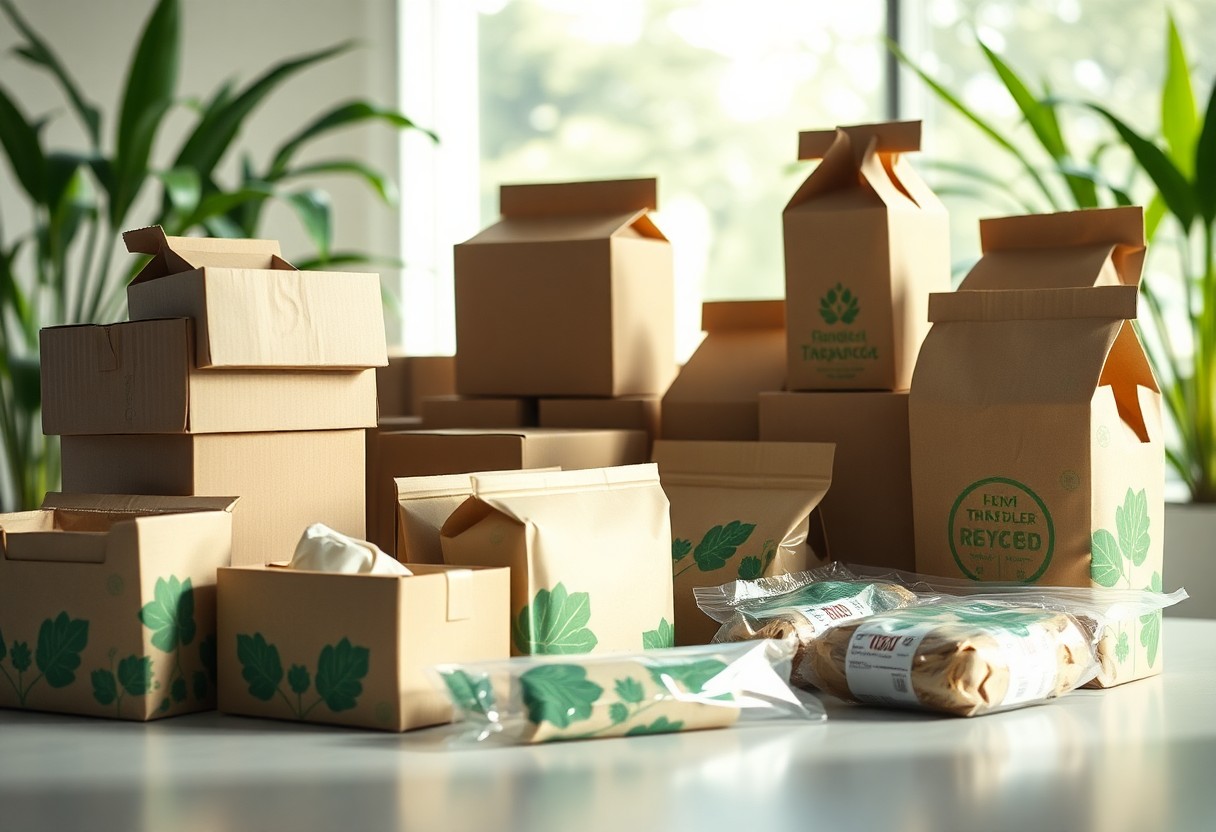
Top Compostable Products You’ll Love

You’re making a conscious effort to reduce your environmental footprint, and that’s a great start. As you explore ways to live more sustainably, you’re likely looking for products that align with your values. Your daily choices can have a significant impact on the planet, and opting for compostable products is an excellent way to minimize waste. You’ll be delighted to discover the innovative, eco-friendly alternatives available, making it easier for you to make a positive difference in your daily life.

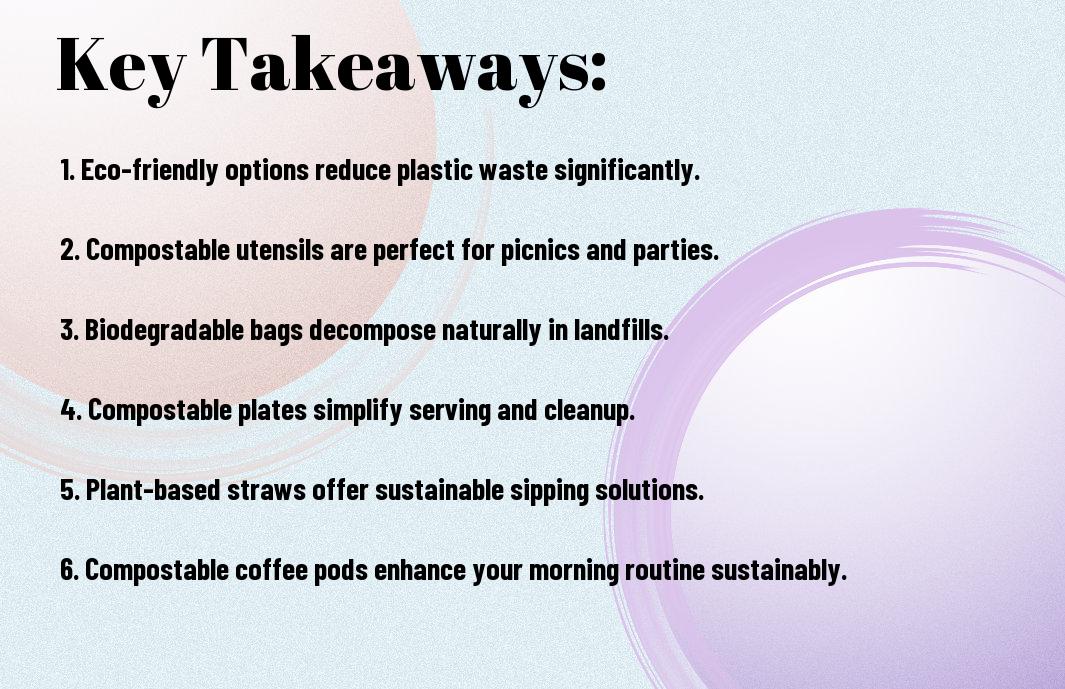
Key Takeaways:

To make the most out of compostable products, here are a few points to consider:

  • Choosing biodegradable alternatives to traditional plastic products can significantly reduce waste and minimize environmental impact.
  • Using compostable bags and containers for food waste and other organic materials can help create nutrient-rich soil for gardening and agriculture.
  • Incorporating eco-friendly products into daily life, such as compostable cutlery and plates, can contribute to a more sustainable lifestyle and reduce reliance on single-use plastics.
Benefits of Compostable Products

For you, the benefits of compostable products are numerous, and they can greatly impact your daily life and the environment. By choosing compostable products, you can reduce your waste output and contribute to a more sustainable future.

Reducing Waste

With the help of compostable products, you can significantly minimize the amount of waste you generate, making your lifestyle more eco-friendly and saving landfill space.

Environmental Impact

Ecologically, the effects of compostable products on the environment are profound, as they break down naturally and do not harm the ecosystem, allowing you to make a positive impact on the planet.

Impact of your choices can be seen in the long run, as compostable products reduce greenhouse gas emissions and help maintain healthy soil, which in turn supports plant growth and biodiversity, ultimately benefiting your community and the environment you live in.

Top Compostable Products

There’s a wide range of compostable products available in the market that you can use to reduce your waste. You can make a significant impact by switching to eco-friendly alternatives, and your efforts will contribute to a more sustainable future.

Biodegradable Bags

Any alternative to traditional plastic bags is a good starting point, and biodegradable bags are a great option. You can use them for grocery shopping, carrying lunch, or storing items, and they will break down naturally in the environment, reducing your carbon footprint.

Compostable Cutlery

An crucial item in your daily life, compostable cutlery is a game-changer. You can use it for eating on-the-go or at home, and it will decompose easily, reducing plastic waste and minimizing harm to the environment.

Also, when choosing compostable cutlery, you should look for products made from plant-based materials, such as cornstarch or sugarcane, which are biodegradable and non-toxic. You can use them with confidence, knowing that you are making a positive impact on the planet and setting a good example for others to follow.

Eco-Friendly Alternatives

After making the switch to compostable products, you’ll be amazed at the positive impact on your daily life and the environment. You’ll find innovative solutions for everyday items, making it easy to live a more sustainable lifestyle.

Reusable Water Bottles

Around your home and on-the-go, you can make a significant change by opting for reusable water bottles, reducing your reliance on single-use plastics and keeping your drinks hot or cold for hours.

Beeswax Wraps

EcoConsciously, you can replace plastic wrap with beeswax wraps, a natural and biodegradable alternative for food storage, keeping your food fresh and your conscience clear.

Bottles and containers are not the only items that can be replaced with eco-friendly alternatives; beeswax wraps are a game-changer for food storage, allowing you to cover bowls, wrap snacks, and store leftovers while reducing your plastic usage and waste, making your kitchen a more sustainable space, tailored to your needs and values.

Innovative Compostable Materials

Many companies are now focusing on creating compostable products, and you can find the latest trends at The Best Compostable Products of 2024. This shift towards sustainability is changing the way you think about your daily purchases.

Plant-Based Packaging

Beside the growing demand for eco-friendly products, you’ll find innovative plant-based packaging solutions that are compostable and non-toxic, allowing you to make a positive impact on the environment with your choices.

Mushroom-Based Products

Among the most exciting developments in compostable materials are products made from mycelium, the root structure of mushrooms, which you can use to replace traditional plastics in many applications.

It is worth noting that mushroom-based products have the potential to revolutionize the way you think about packaging and disposable goods, offering a compostable alternative that can help reduce waste and minimize your environmental footprint.

Making the Switch

To make a significant impact on the environment, you can start by incorporating compostable products into your daily life. This simple change can greatly reduce your carbon footprint and contribute to a more sustainable future. You’ll be amazed at how easy it is to switch to eco-friendly alternatives.

Simple Changes

Beneath the surface of your daily routine, you can make adjustments to reduce waste. You can replace plastic bags with compostable ones, swap paper towels for reusable cloths, and opt for compostable trash bags. These small changes will add up and make a significant difference in your environmental impact.

Community Involvement

Collectively, community efforts can lead to significant positive change. You can get involved in local initiatives, participate in beach cleanups, or join a community garden to make a difference. By working together, you can create a ripple effect and inspire others to follow your lead.

Another aspect of community involvement is supporting local businesses that prioritize sustainability. You can choose to shop at stores that offer compostable products, and encourage your friends and family to do the same. By doing so, you’ll be promoting a culture of sustainability and contributing to a healthier environment for your community.

Successful Brands

Once again, you’ll find that many popular companies are now offering compostable products, making it easier for you to make sustainable choices in your daily life. You can trust these brands to provide high-quality, eco-friendly products that align with your values.

Patagonia

By now, you’re likely familiar with Patagonia, a brand known for its environmental responsibility. You can find a range of compostable products from Patagonia, from clothing to accessories, all made with sustainable materials.

Lush

The concept of compostable products is not new to Lush, as you’ve probably noticed their commitment to reducing waste in their packaging and products. You can explore their offerings, which include compostable packaging and sustainable ingredients.

Due to Lush’s dedication to sustainability, you can feel confident in your purchase, knowing that you’re supporting a brand that prioritizes the environment. You’ll find that their compostable products are not only good for the planet, but also gentle on your skin and effective in their purpose.

To wrap up

Hence, you now have a list of top compostable products that you’ll love and can easily incorporate into your daily life. You can make a significant impact on the environment by choosing these products, reducing your waste, and promoting sustainability. With your newfound knowledge, you can make informed decisions about the products you use, ultimately contributing to a more eco-friendly lifestyle for yourself and your community.

FAQ

Q: What are compostable products and how do they benefit the environment?

A: Compostable products are made from materials that can easily decompose and return to nature, reducing waste and the amount of trash sent to landfills. These products help decrease greenhouse gas emissions, conserve natural resources, and support sustainable living. By choosing compostable products, individuals can significantly minimize their environmental footprint and contribute to a healthier planet.

Q: What are some examples of top compostable products that are readily available in the market?

A: Some of the top compostable products include bamboo toothbrushes, compostable trash bags, plant-based disposable cutlery, bioplastic water bottles, and compostable packaging materials. These products are made from natural materials such as cornstarch, sugarcane, or potato starch, and are certified compostable by reputable organizations. They offer a sustainable alternative to traditional plastic products and can easily decompose in home composting systems or industrial composting facilities.

Q: How can I identify compostable products and ensure they are genuine?

A: To identify compostable products, look for certifications from reputable organizations such as the Compostable Products Institute (CPI) or the Biodegradable Products Institute (BPI). These certifications ensure that the products meet strict standards for compostability and biodegradability. Additionally, check the product labels for clear instructions on how to compost them and ensure that they are made from natural, non-toxic materials. Be wary of products with unclear or misleading labels, and always choose products from trusted manufacturers.

Q: Can compostable products replace all traditional plastic products in my daily life?

A: While compostable products have made significant progress in recent years, they may not be able to replace all traditional plastic products immediately. However, many everyday items such as straws, cups, and cutlery can be easily swapped with compostable alternatives. As technology advances and more companies invest in sustainable materials, the range of compostable products will continue to expand, making it easier for individuals to make the switch. Start by replacing a few plastic products with compostable ones and gradually work your way towards a more sustainable lifestyle.

Q: How can I properly compost compostable products at home and ensure they break down efficiently?

A: To properly compost compostable products at home, ensure that your composting system is well-maintained, with the right balance of “green” materials (food scraps, grass clippings) and “brown” materials (dried leaves, twigs). Shred or tear compostable products into smaller pieces to increase their surface area and speed up the decomposition process. Maintain a consistent moisture level, turn the compost pile regularly, and monitor the temperature to ensure optimal conditions for decomposition. With proper care and attention, compostable products can break down efficiently and turn into nutrient-rich soil that benefits your garden and the environment.
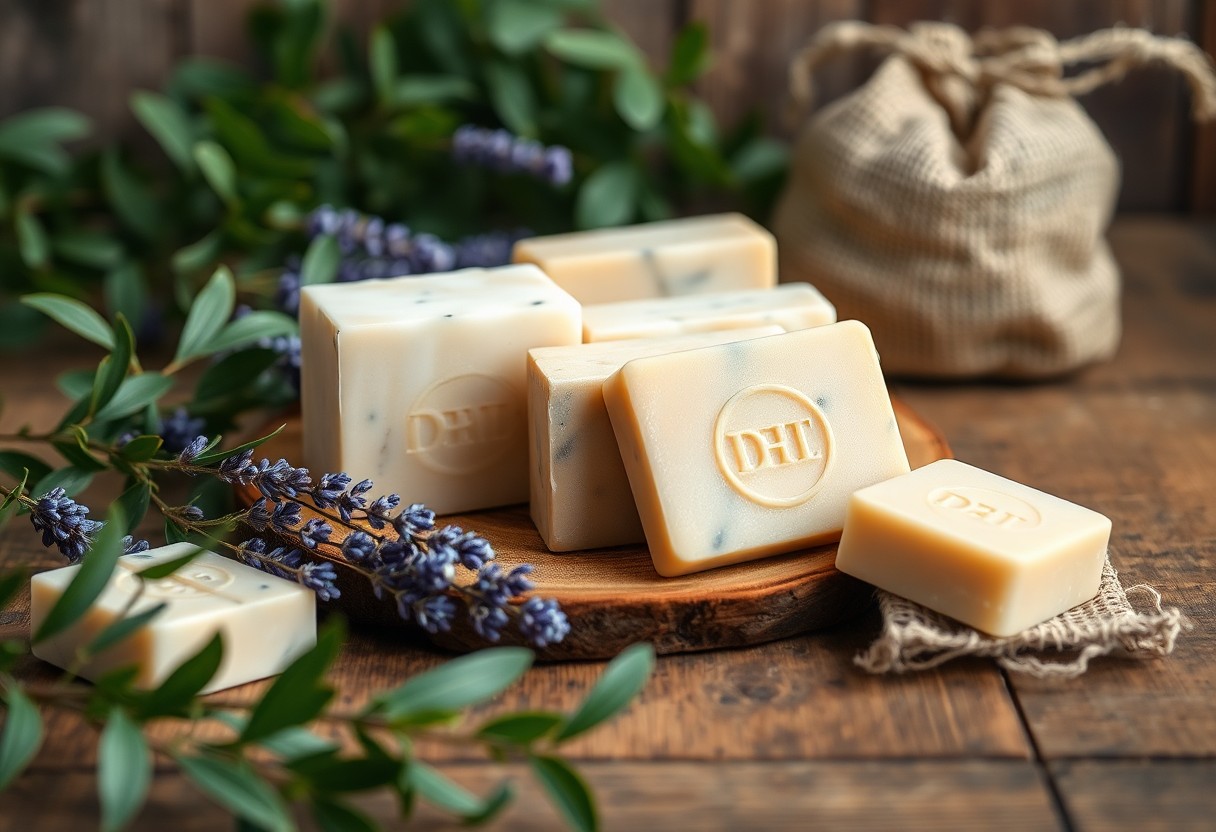
How to Find the Best Eco-Friendly Soap

As you seek to live in harmony with nature, you consider the impact of your daily choices, including the soap you use. Your skin and the environment will benefit from a gentle, eco-friendly soap. You want a soap that not only cleanses your body but also respects the earth. In this post, you will learn how to find a soap that aligns with your values and promotes a healthier you and a greener planet.

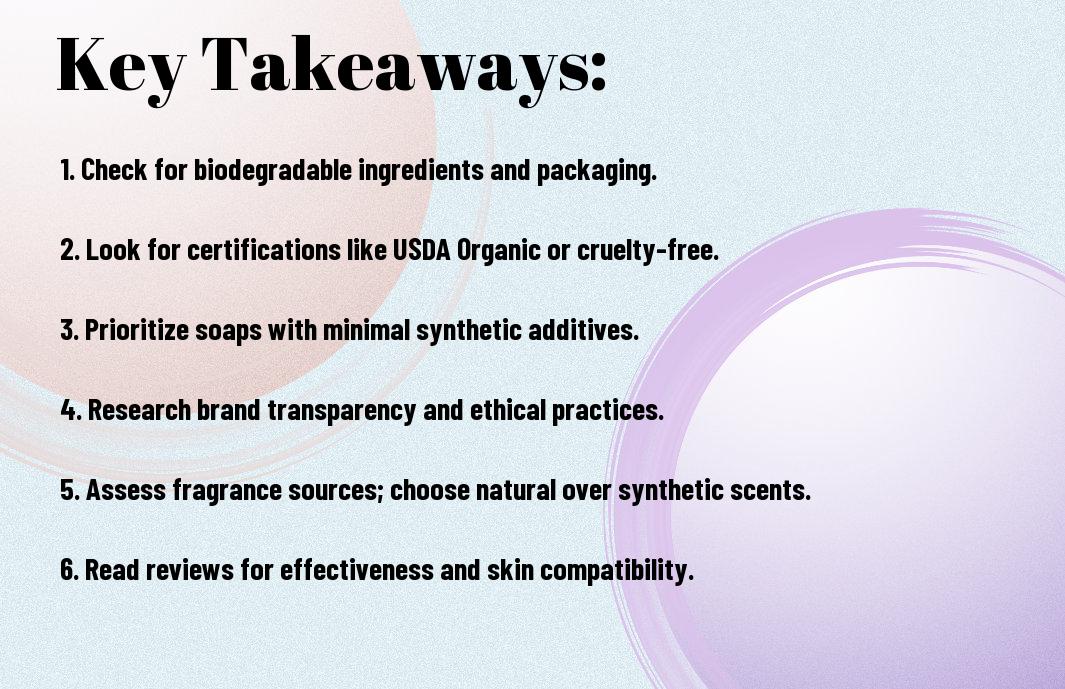
Key Takeaways:

To find the best eco-friendly soap, consider the following points:

  • Look for natural ingredients that are biodegradable and free from harsh chemicals, which can harm the environment and your skin.
  • Choose a soap with minimal packaging or one that uses recyclable materials to reduce waste and minimize its carbon footprint.
  • Opt for a soap that is certified by a reputable organization, such as the Leaping Bunny or EcoLogo, which ensures the product meets certain sustainability standards.

Benefits of Eco-Friendly Soap

For those seeking a gentler approach to personal care, eco-friendly soap offers numerous advantages. By choosing eco-friendly soap, you contribute to a healthier planet and a better you.

Environmental Impact

Around the world, the effects of traditional soap on the environment are evident. As you opt for eco-friendly soap, you help reduce pollution and preserve natural resources.

Health Benefits

Beyond the obvious, lies a world of benefits for your skin and well-being. You will notice the difference as you switch to eco-friendly soap, with its natural ingredients and gentle touch.

This choice will allow your skin to thrive, free from harsh chemicals and artificial additives. You will experience softer, healthier skin, and a clearer conscience, knowing you are living in harmony with nature.

Key Ingredients to Look For

It is vital to examine the ingredients of your eco-friendly soap carefully, as they can significantly impact your skin and the environment. You want to ensure that the soap you choose is made with natural and sustainable ingredients that align with your values.

Natural Oils

Approximately, when searching for eco-friendly soap, consider the natural oils used, such as coconut, olive, and palm oil, which are gentle on your skin and the environment. You can look for soaps that use these oils as primary ingredients, promoting a healthier and more sustainable cleanse.

Essential Oils

Above all, vital oils play a significant role in the scent and therapeutic benefits of your soap. You can opt for soaps that incorporate vital oils like lavender, tea tree, and chamomile, which provide a calming and refreshing experience.

Due to the healing properties of vital oils, you may find that your eco-friendly soap not only cleanses your skin but also nourishes and rejuvenates it. You can explore different vital oil blends to find the one that suits your skin type and preferences, allowing you to enjoy the full benefits of your natural soap.

Types of Eco-Friendly Soap

To make an informed decision, you should consider the various types of eco-friendly soap available.

  • Bar Soap
  • Liquid Soap
Type Description
Bar Soap Natural ingredients
Liquid Soap Biodegradable
Soap Powder Concentrated
Soap Flakes Gentle
Soap Nuts Sustainable

This table highlights the main types of eco-friendly soap.

Bar Soap

By choosing bar soap, you are selecting a simple and effective way to clean your skin. You can find bar soap made from natural ingredients, free from harsh chemicals, suitable for your skin type.

Liquid Soap

Above all, liquid soap is a popular choice for its convenience and ease of use. You can opt for a biodegradable and gentle liquid soap that is suitable for your skin and the environment.

This liquid soap option allows you to refill your bottle, reducing waste and minimizing your environmental footprint. You can also consider making your own liquid soap at home using natural ingredients, giving you control over the ingredients and the process, and allowing you to live in harmony with nature.

How to Make Your Own Eco-Friendly Soap

Your decision to create your own eco-friendly soap is a step towards a more sustainable lifestyle, allowing you to control the ingredients and minimize waste.

Simple Recipes

Against the backdrop of complex commercial soap production, you can find straightforward recipes online, using natural ingredients like coconut oil and necessary oils to create gentle and effective soap.

DIY Tips

Any attempt to make your own soap will be more successful with a few tips:

  • use protective gear
  • follow a recipe

Perceiving the process as a fun experiment, you’ll be more likely to try again and refine your technique.

Another aspect of DIY soap-making is the opportunity to customize your creations:

  • choose your favorite scents
  • add exfoliating ingredients

Perceiving the value in this creative process, you’ll enjoy the experience and appreciate the end result.

Eco-Friendly Soap Brands

After exploring the world of eco-friendly soaps, you’ll find numerous brands committed to sustainability. You can choose from a variety of options that align with your values and promote a healthier environment.

Local Options

Between the many local artisans and small businesses, you’ll discover unique, handcrafted soaps made with natural ingredients and minimal packaging, allowing you to support your community while living in harmony with nature.

Global Brands

At the forefront of the eco-friendly soap market, you’ll find global brands prioritizing sustainability and environmental responsibility, offering a wide range of products that cater to your needs and contribute to a greener future.

Indeed, global brands like Lush and Dr. Bronner’s have paved the way for eco-friendly soap production, using organic ingredients, minimizing waste, and promoting fair trade practices, allowing you to make a positive impact with your purchasing decisions, and inspiring a more sustainable lifestyle that benefits both you and the planet.

Reducing Waste with Eco-Friendly Soap

All your daily habits, including your soap choices, can impact the environment. Choosing eco-friendly soap is a simple step towards a more sustainable lifestyle, allowing you to nurture your skin while preserving the planet.

Minimal Packaging

Alongside the ingredients, consider the packaging of your eco-friendly soap. Look for soaps with minimal, biodegradable, or recyclable packaging to reduce your waste output, and opt for soaps that use natural, sustainable materials.

Refill Options

Between the numerous eco-friendly soap options, some offer refill choices, enabling you to reuse your soap container and decrease waste. You can explore these options to make your soap usage more sustainable.

In addition to reducing waste, refill options for eco-friendly soap can also be cost-effective in the long run. As you continue on your path to a more sustainable lifestyle, you’ll find that your choices, including using eco-friendly soap with refill options, contribute to a greater sense of harmony with nature, aligning your daily habits with your values of preserving the environment for future generations.

To wrap up

To wrap up, as you launch on a journey to find the best eco-friendly soap, you’ll discover that your choices have a profound impact on the planet. You’ll begin to see the world in a new light, and your decision to opt for a natural, biodegradable soap will be a step towards living in harmony with nature. By making this simple switch, you’ll be doing your part to preserve the beauty of the earth for future generations, and that’s a truly satisfying feeling.

FAQ

Q: What are the key ingredients to look for in an eco-friendly soap?

A: When searching for an eco-friendly soap, look for ingredients that are natural, biodegradable, and sustainably sourced. Some examples include coconut oil, olive oil, shea butter, and necessary oils. Avoid soaps containing harsh chemicals like sulfates, parabens, and artificial fragrances, which can harm the environment and your skin. Opt for soaps that use environmentally friendly packaging and are certified by organizations like the Environmental Working Group (EWG) or the Leaping Bunny Program.

Q: How do I know if a soap is truly eco-friendly and not just “greenwashed”?

A: To avoid “greenwashed” products, check the soap’s ingredient list and look for third-party certifications like the EPA’s Safer Choice label or the USDA BioPreferred label. These certifications ensure that the soap meets certain standards for sustainability and environmental responsibility. You can also research the company’s values and mission to see if they align with your own environmental concerns. Be wary of vague claims like “natural” or “earth-friendly” and instead look for specific information about the soap’s ingredients and production process.

Q: What are the benefits of using an eco-friendly soap, and how does it impact the environment?

A: Using an eco-friendly soap can have a significant positive impact on the environment. Traditional soaps often contain chemicals that can pollute waterways, harm aquatic life, and contribute to climate change. In contrast, eco-friendly soaps are biodegradable and free from harsh chemicals, making them a safer choice for the environment. Additionally, eco-friendly soaps often use sustainable ingredients and production methods, which can help reduce waste, conserve resources, and support environmentally responsible practices. By choosing an eco-friendly soap, you can help protect the environment and promote a healthier planet.

Q: Can I make my own eco-friendly soap at home, and what are the advantages of doing so?

A: Yes, you can make your own eco-friendly soap at home using natural ingredients like oils, fats, and necessary oils. Making your own soap allows you to control the ingredients and ensure that they meet your standards for sustainability and environmental responsibility. Additionally, homemade soap can be customized to your skin type and preferences, and it can be a fun and rewarding DIY project. However, be sure to follow proper safety precautions and use high-quality ingredients to ensure that your soap is effective and gentle on your skin.

Q: How do I properly dispose of my eco-friendly soap and its packaging to minimize waste and reduce my environmental impact?

A: To minimize waste and reduce your environmental impact, be sure to dispose of your eco-friendly soap and its packaging responsibly. Check the packaging for recyclable symbols and recycle it whenever possible. If the packaging is not recyclable, consider reusing it or repurposing it in a creative way. For the soap itself, consider composting it or allowing it to biodegrade naturally. You can also consider purchasing soap in bulk or buying soap bars with minimal packaging to reduce waste. By taking these steps, you can help minimize your environmental impact and promote sustainability in your daily life.

Why Bamboo Products Are the Future

As you consider the state of your planet, you’re likely thinking about your role in preserving it. Your daily choices, from the products you use to the materials you support, have a significant impact. You’re probably aware of the devastating effects of deforestation and pollution, and you may be looking for alternatives. That’s where bamboo comes in – a highly renewable resource that’s changing the game. You’re about to discover why bamboo products are poised to revolutionize your daily life and the future of sustainability.

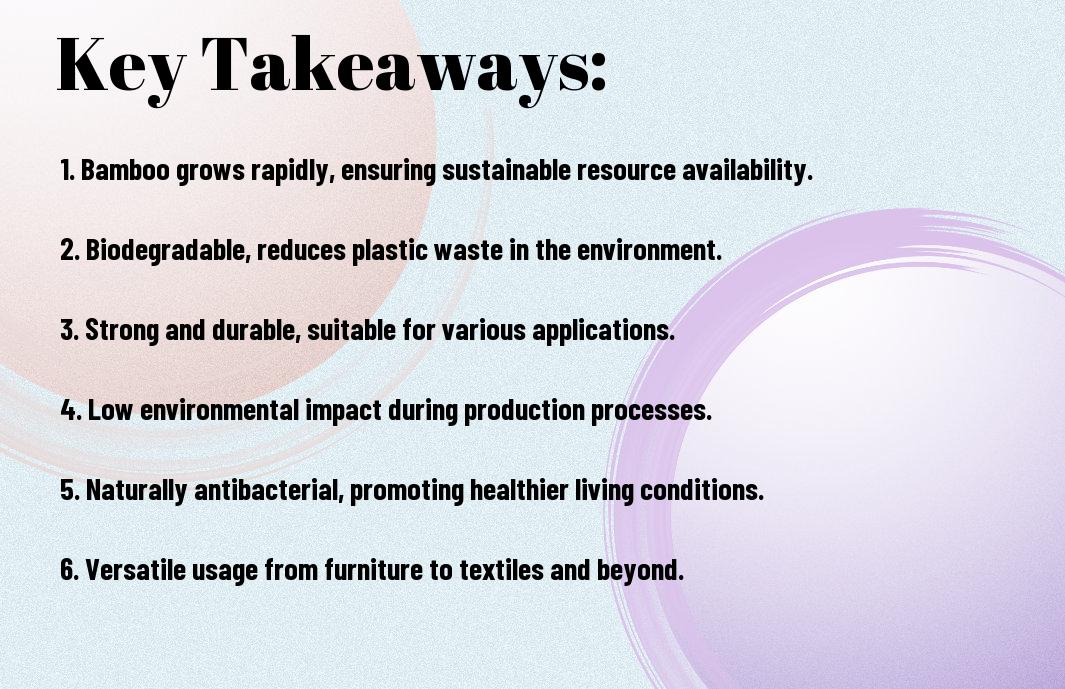
Key Takeaways:

To understand the significance of bamboo products, consider the following points:

  • Sustainability is a major advantage of bamboo products, as bamboo is a highly renewable resource that can be harvested in as little as 3-5 years, compared to traditional wood which can take decades to mature.
  • The use of bamboo products can help reduce carbon footprint and support eco-friendly practices, making them an attractive option for consumers who prioritize environmental conservation.
  • Bamboo products are also known for their durability and versatility, making them a popular choice for a wide range of applications, from furniture and building materials to textiles and paper products.

    Environmental Benefits

    Your decision to choose bamboo products has a significant impact on the environment, as they offer a sustainable alternative to traditional materials, reducing your carbon footprint and promoting a healthier planet.

    Sustainability of Bamboo

    Behind the scenes, bamboo is a highly renewable resource, with some species growing up to three feet per day, making it an ideal material for your daily needs, allowing you to live more sustainably.

    Eco-Friendly Production Process

    Around the world, bamboo products are manufactured using eco-friendly processes, minimizing waste and reducing the amount of energy required, enabling you to make a positive impact on the environment with your purchasing decisions.

    Another advantage of the eco-friendly production process is that it often involves local communities, providing them with income and promoting fair labor practices, so when you choose bamboo products, you are also supporting a more equitable world, one that values the well-being of both people and the planet, and allows you to contribute to a better future.

    Durability and Versatility

    Some of the most significant advantages of bamboo products are their durability and versatility, making them an excellent choice for your daily needs. You can use bamboo products in various aspects of your life, from household items to construction materials.

    Long-Lasting Bamboo Products

    Flexibility is key when it comes to bamboo products, as you can shape and mold them to suit your requirements, resulting in long-lasting items that withstand the test of time, giving you value for your money.

    Innovative Applications

    Enduring bamboo products have led to innovative applications, such as bamboo bicycles and bamboo furniture, which are not only eco-friendly but also aesthetically pleasing, allowing you to make a statement with your purchasing choices.

    Further, as you explore the world of bamboo products, you will discover more innovative uses, such as bamboo flooring, bamboo textiles, and even bamboo paper products, which can replace traditional materials, reducing your environmental footprint and providing you with a sense of satisfaction that comes with making sustainable choices.

    Health and Wellness

    Keep in mind that your health is closely tied to the products you use, and bamboo products offer numerous benefits. They are a great alternative to traditional materials, providing a healthier environment for you and your family.

    Bamboo’s Natural Antibacterial Properties

    Following the trend of seeking natural solutions, you’ll find that bamboo has inherent antibacterial properties, making it an excellent choice for your daily needs, from bedding to utensils, reducing your exposure to harmful bacteria.

    Air-Purifying Qualities

    Behold the power of bamboo, as it naturally purifies the air around you, contributing to a cleaner and fresher environment, which is necessary for your well-being and the health of your loved ones.

    Properties of bamboo, such as its high affinity for oxygen and ability to absorb toxins, make it an excellent air purifier, allowing you to breathe easier and feel more at ease in your own home, as you reap the benefits of this natural and sustainable material.

    Economic Advantages

    Cost-Effective Bamboo Cultivation

    Job Creation and Local Economies

    Design and Aesthetics

    Unlike traditional materials, bamboo products offer a unique blend of style and sustainability. You can explore the Emerging Trends and Future of Bamboo Products to discover the latest innovations. As you research into the world of bamboo, you’ll find that its design and aesthetic possibilities are vast and varied.

    Unique Bamboo Textures and Patterns

    Behind the beauty of bamboo lies a complex interplay of textures and patterns. You’ll find that each product has its own distinct character, shaped by the natural grain and texture of the bamboo.

    Modern and Traditional Design Options

    The world of bamboo design is a rich and diverse one, offering both modern and traditional options to suit your taste. You can choose from sleek, contemporary designs or opt for more classic, timeless looks.

    In fact, as you explore the possibilities of bamboo design, you’ll discover that it can be used to create a wide range of products, from modern furniture to traditional crafts, each one showcasing the unique beauty and versatility of this remarkable material. You’ll find that bamboo can be shaped, molded, and crafted to fit your individual style, making it an ideal choice for those seeking a unique and sustainable design solution.

    Global Impact

    After considering the benefits of bamboo products, you’ll find that their impact extends far beyond your local environment. bamboo has the potential to make a significant difference on a global scale.

    Reducing Deforestation and Carbon Footprint

    Akin to a breath of fresh air, bamboo offers a sustainable alternative to traditional wood products, helping to reduce deforestation and your carbon footprint.

    Empowering Local Communities

    Beneath the surface of the bamboo industry, you’ll find opportunities for local communities to thrive, as bamboo cultivation and production can provide a stable source of income and employment.

    With the growth of the bamboo industry, you can expect to see a positive impact on local communities, as they become empowered to take control of their own economic development, and your support of bamboo products can contribute to this positive change, allowing you to be part of a movement that promotes sustainability and social responsibility.

    Conclusion

    Conclusively, as you consider the benefits of sustainable living, you will find that bamboo products are an integral part of your future. You can expect your daily life to be impacted by the versatility and eco-friendliness of bamboo, from your household items to your clothing. Your choices will contribute to a significant reduction in environmental degradation, and you will be part of a movement that prioritizes the well-being of the planet.

    FAQ

    Q: What makes bamboo products a sustainable choice for the future?

    A: Bamboo products are made from bamboo, a highly renewable and eco-friendly resource. Bamboo is the fastest-growing plant on earth, with some species growing up to 3 feet per day. It requires minimal water, pesticides, and fertilizers, making it an attractive alternative to traditional wood products. Additionally, bamboo absorbs more carbon dioxide and produces more oxygen than many other plants, which helps to reduce greenhouse gas emissions and promote a healthier environment.

    Q: How durable and long-lasting are bamboo products compared to traditional materials?

    A: Bamboo products are incredibly durable and long-lasting. Bamboo has a higher tensile strength than steel and is resistant to pests, mold, and mildew. It is also less prone to warping and shrinking than traditional wood products, making it an excellent choice for furniture, flooring, and other applications where durability is important. With proper care, bamboo products can last for many years, reducing the need for frequent replacements and waste.

    Q: Can bamboo products help reduce deforestation and promote conservation efforts?

    A: Yes, bamboo products can play a significant role in reducing deforestation and promoting conservation efforts. Traditional wood products often contribute to deforestation, as trees are cut down to meet demand. In contrast, bamboo is a highly renewable resource that can be harvested in as little as 3-5 years, compared to traditional trees which can take decades to mature. By choosing bamboo products, consumers can help reduce the demand for traditional wood products and promote the conservation of forests and biodiversity.

    Q: Are bamboo products more expensive than traditional materials?

    A: While bamboo products may be slightly more expensive than traditional materials in some cases, they offer many long-term benefits that can save consumers money in the long run. Bamboo products are durable and long-lasting, reducing the need for frequent replacements and waste. They are also low-maintenance and resistant to pests and mold, reducing the need for costly repairs and maintenance. Additionally, bamboo products can help consumers save money on energy costs by providing natural insulation and reducing the need for heating and cooling.

    Q: How can bamboo products contribute to a healthier indoor environment?

    A: Bamboo products can contribute to a healthier indoor environment in several ways. Bamboo is a natural, non-toxic material that is resistant to mold, mildew, and pests, reducing the risk of indoor air pollution. It is also a natural air purifier, producing oxygen and absorbing carbon dioxide. Additionally, bamboo products can help regulate humidity levels and provide natural insulation, reducing the need for heating and cooling and creating a more comfortable and healthy indoor environment. By choosing bamboo products, consumers can promote a healthier and more sustainable lifestyle.

The Best Green Products for Pet Owners

As you navigate the wild world of pet ownership, you’re likely to find yourself tangled in a web of conflicting choices. Your furry friend is counting on you to make the right call, and that’s where eco-friendly products come in – a sane oasis in a desert of dubious decisions. You’re about to launch on a journey to uncover the best green products for your pet, and trust me, your conscience (and your pet) will thank you. Get ready to join the ranks of the enlightened pet owner.

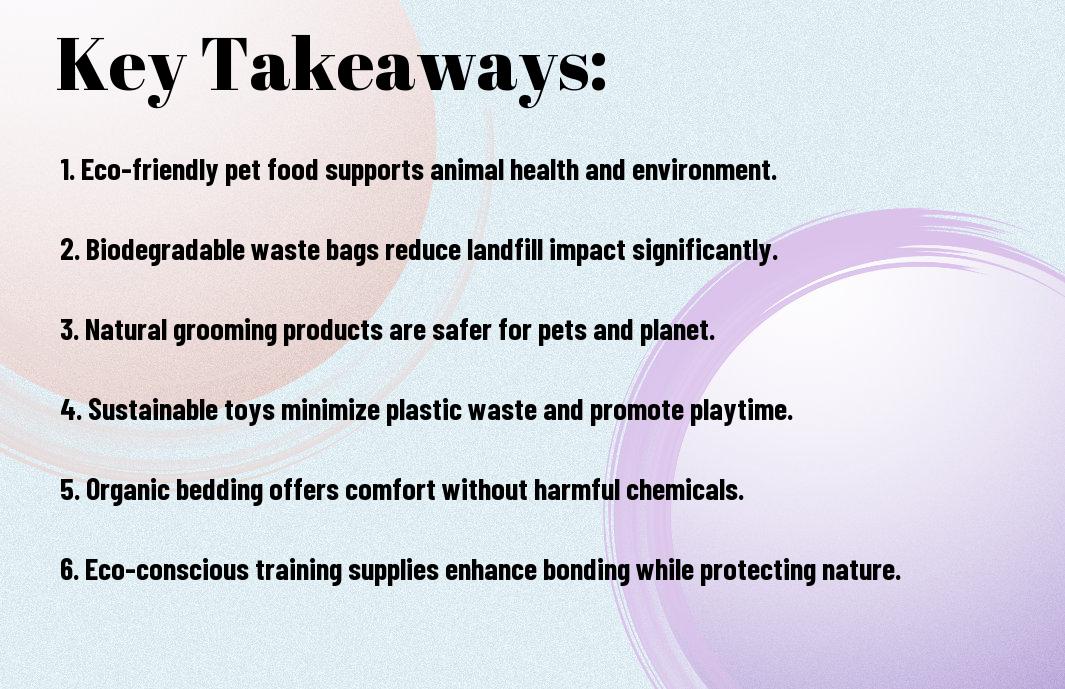
Key Takeaways:

To keep your pets happy and healthy while also being eco-friendly, consider the following:

  • Look for sustainable pet products made from natural materials, such as biodegradable toys and recycled bedding, to reduce your pet’s carbon paw-print.
  • Choose non-toxic and organic grooming products, like shampoos and conditioners, that are free from harmful chemicals and gentle on your pet’s skin.
  • Consider energy-efficient pet accessories, such as LED lit pet houses or solar-powered pet feeders, to reduce your energy consumption and promote a greener lifestyle for you and your pet.

Eco-Friendly Pet Food

While scouring the market for the best grub for your furry friend, you’ll find a plethora of options that are as gentle on the planet as they are on your pet’s stomach. You’re in luck, because eco-friendly pet food is on the rise, and you can bet your bottom dollar it’s a game-changer.

Organic Options

For those seeking a more natural approach, organic pet food is the way to go. You’ll find an array of options made from wholesome, non-GMO ingredients that’ll make you feel like a responsible pet parent.

Sustainable Sources

By opting for pet food made from sustainable sources, you’re reducing your carbon paw-print and supporting environmentally-friendly farming practices. You’re not only nourishing your pet, but also the planet.

At the forefront of sustainable pet food are companies using locally sourced, recycled, and regeneratively farmed ingredients. As you investigate deeper into this world, you’ll discover a myriad of innovative brands pushing the boundaries of eco-friendly pet nutrition, and you’ll be hooked from the get-go. Your pet will thank you, and so will the planet.

Non-Toxic Toys and Chews

If you’re looking for ways to keep your furry friend entertained without exposing them to harsh chemicals, you’re in luck. You can find a plethora of non-toxic toys and chews on the market that are gentle on your pet’s health and the environment.

Natural Rubber

With the rise of eco-friendly pet products, you can now opt for toys made from natural rubber, which is biodegradable and non-toxic. You’ll find a range of fun and colorful toys that are perfect for chewing and playing.

Recycled Materials

The use of recycled materials in pet toys is a game-changer, offering a sustainable alternative to traditional plastics. You’ll be amazed at the creative ways manufacturers are repurposing old materials into durable and fun toys for your pet.

Further exploration of recycled materials will lead you to discover the innovative ways they’re being used to create interactive toys, scratching posts, and even cozy beds for your pet. You’ll be doing your part for the planet while keeping your pet happy and engaged, and that’s a win-win situation for both you and your furry companion.

Pet Grooming with a Conscience

Many pet owners are switching to eco-friendly products, and you can too. Check out Top 12 Zero Waste Pet Products – A Greener Future for Pets for inspiration. You’ll find plenty of options to make your pet grooming routine more sustainable.

Shampoos and Conditioners

Once you’ve decided to go green, you’ll need to choose the right shampoos and conditioners for your pet. You’ll find a variety of natural, biodegradable options that are gentle on your pet’s skin and the environment.

Brushes and Combs

Gently grooming your pet is crucial for their health and wellbeing. You’ll want to select brushes and combs made from sustainable materials, such as bamboo or recycled plastic, to reduce your environmental impact.

Also, consider the lifespan of your pet grooming tools – a well-made brush or comb can last for years, reducing waste and saving you money in the long run. As you explore the world of eco-friendly pet grooming, you’ll find that making sustainable choices is easier than you think, and your pet will thank you.

Green Cleaning for Pet Owners

Now that you’re submerging into the world of green products for your pets, it’s time to tackle the messy truth: cleaning up after your furry friends can be a real challenge. You’ll want to find products that are safe for your pets and the environment, without sacrificing effectiveness.

Natural Disinfectants

Among the many options available, natural disinfectants stand out as a great alternative to harsh chemicals. You’ll find that many plant-based disinfectants can kill bacteria and viruses just as well as their synthetic counterparts, without leaving toxic residues behind.

Odor Eliminators

Similarly, disinfectants aren’t the only green cleaning products you’ll need – odor eliminators are also a must-have for any pet owner. You’ll be amazed at how well natural odor eliminators can get rid of lingering pet smells, leaving your home fresh and clean.

This is especially important if you have pets that tend to have accidents in the house. With the right odor eliminator, you can say goodbye to lingering smells and hello to a fresher, cleaner home. You’ll be able to breathe easy knowing that your home is free from harsh chemicals and pet odors, making it a healthier space for both you and your pets.

Sustainable Pet Accessories

After scouring the market, you’ll find that eco-friendly pet accessories are more stylish than ever, and they’re perfect for you and your furry friend. You can ditch the disposable products and upgrade to sustainable alternatives that are better for the planet.

Reusable Bags

Alongside the growing trend of sustainability, you’ll discover reusable bags that are perfect for carrying your pet’s vitals, from poop bags to toys, and they’re washable, making them a great investment for you and your pet.

Bamboo Products

Around every corner, you’ll find innovative bamboo products, such as pet beds and toys, that are not only eco-friendly but also durable and long-lasting, making them a fantastic option for you to consider for your pet.

The beauty of bamboo products lies in their versatility and sustainability, allowing you to provide your pet with comfortable and stylish accessories while also doing your part for the environment, and as you research deeper into the world of bamboo, you’ll find that it’s an incredibly renewable resource that’s perfect for you and your pet’s needs.

Outdoor Fun for Pets and the Planet

Unlike anything else, spending time outdoors with your pet is a great way to create lifelong memories while promoting a healthy lifestyle for both you and your furry friend. You get to enjoy the fresh air, exercise, and quality time with your pet, all while reducing stress and anxiety.

Biodegradable Waste Bags

Beneath the surface of traditional waste bags, biodegradable options offer a more sustainable solution for cleaning up after your pet. You can now pick up your pet’s waste without harming the environment, thanks to these eco-friendly bags that decompose naturally.

Eco-Friendly Outdoor Gear

Only by choosing the right gear can you ensure a fun and sustainable outdoor experience with your pet. You can opt for eco-friendly leashes, collars, and toys made from recycled or sustainable materials, reducing your carbon paw-print and keeping your pet safe and happy.

Outdoor adventures with your pet just got a whole lot greener, as you explore the great outdoors with your eco-friendly gear. You’ll find that many pet stores now offer a wide range of sustainable products, from compostable poop bags to recyclable toys, making it easier for you to make environmentally conscious choices while having fun with your furry companion.

Summing up

The search for the best green products for your furry friends is over, and now you’ve got the lowdown on what to use to keep your pets and the planet happy. You’ve discovered the creams, the cleaners, and the treats that’ll make your life easier and your conscience clearer. With your new arsenal of eco-friendly goodies, you’re all set to give your pets the best, guilt-free life they deserve, and that’s a damn good feeling, isn’t it?

FAQ

Q: What are the benefits of using eco-friendly pet products for my pets and the environment?

A: Using eco-friendly pet products can have numerous benefits for both your pets and the environment. These products are made from natural and biodegradable materials, reducing the amount of toxic chemicals and waste that can harm your pets and the planet. Eco-friendly pet products can also help to reduce your pet’s carbon paw print, promoting a healthier and more sustainable lifestyle for your furry friends.

Q: What are some of the best green products for pet owners to reduce waste and minimize environmental impact?

A: Some of the best green products for pet owners include biodegradable poop bags, reusable pet towels, and sustainable pet bedding made from materials such as bamboo or recycled fibers. Additionally, eco-friendly pet toys made from natural materials like cotton, hemp, or wool can help reduce waste and minimize environmental impact. You can also consider switching to a pet food brand that uses sustainable and locally sourced ingredients.

Q: How can I choose the most effective and safe green cleaning products for my pet’s living space?

A: When choosing green cleaning products for your pet’s living space, look for products that are labeled as non-toxic, biodegradable, and free from harsh chemicals. You can also opt for DIY cleaning solutions using natural ingredients like vinegar, baking soda, and important oils. Always read the labels carefully and follow the instructions to ensure the product is safe for your pets and the environment. It’s also a good idea to consult with your veterinarian for recommendations on pet-friendly cleaning products.

Q: Are there any green products that can help reduce my pet’s shedding and dander?

A: Yes, there are several green products that can help reduce your pet’s shedding and dander. Natural grooming products like shampoos and conditioners made from ingredients like oatmeal, coconut oil, and shea butter can help to nourish and moisturize your pet’s skin and coat, reducing shedding and dander. You can also use a deshedding tool or a lint roller made from natural fibers to help reduce shedding. Additionally, consider using an air purifier or a HEPA filter to reduce pet dander and allergens in the air.

Q: Can I make my own green pet products at home, and what are some simple DIY recipes to get started?

A: Yes, you can make your own green pet products at home using simple and natural ingredients. One easy DIY recipe is to make your own pet shampoo using coconut oil, olive oil, and important oils. You can also make your own pet treats using healthy ingredients like sweet potatoes, carrots, and green beans. Another idea is to upcycle old t-shirts or towels to make reusable pet toys or bedding. You can find many DIY recipes and tutorials online to get started, or consult with your veterinarian for advice on making your own green pet products.

How to Switch to Green Packaging

As you consider making the shift to eco-friendly practices, you’re likely wondering how to make your packaging more sustainable. You can start by exploring ways to reduce waste and minimize your environmental footprint. To learn more about the benefits of green packaging, you can visit How to Save Money by Going Green on Packaging and discover the advantages of adopting environmentally responsible packaging solutions for your business, helping you make informed decisions about your packaging needs.

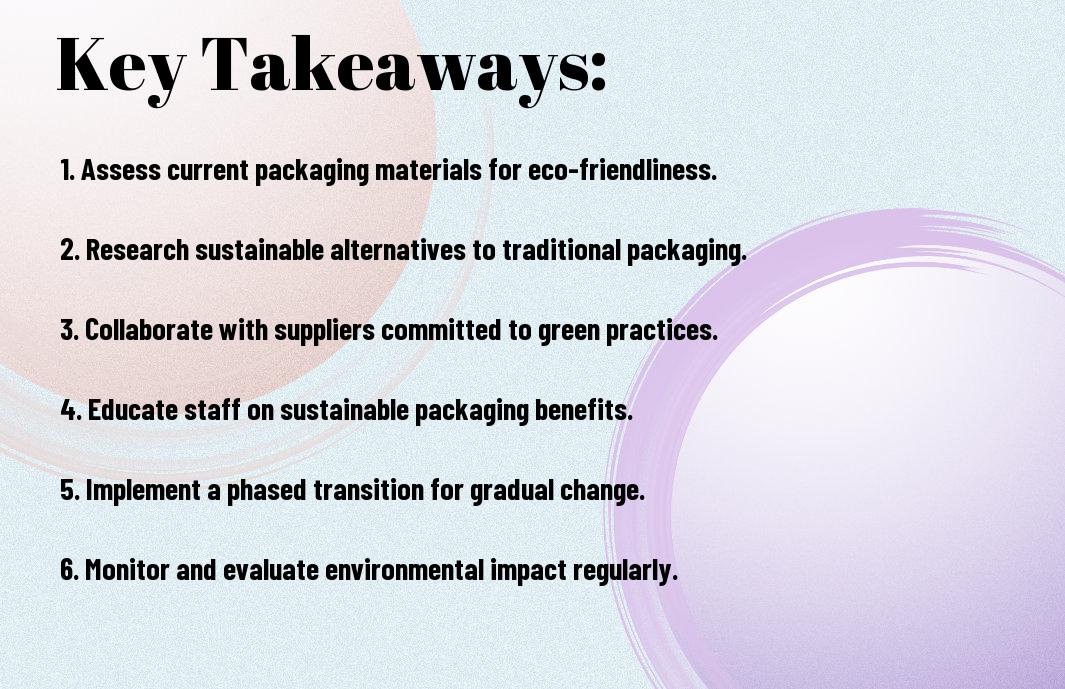
Key Takeaways:

To make a successful transition to eco-friendly packaging, consider the following points:

  • Choose biodegradable materials that can easily decompose and do not harm the environment, such as paper, cardboard, or plant-based plastics.
  • Opt for minimalist packaging designs that use fewer materials and reduce waste, while still effectively protecting and presenting the product.
  • Consider sustainable sourcing of packaging materials, such as using recycled content, reusable containers, or compostable packaging to minimize the environmental impact of your packaging choices.

Benefits of Green Packaging

The benefits of green packaging are numerous and can have a significant impact on your business. By switching to eco-friendly packaging, you can reduce your environmental footprint, save costs, and improve your brand reputation.

Environmental Impact

Therewith, reducing waste and conserving natural resources, you can contribute to a more sustainable future. Green packaging helps to decrease pollution and protects the environment for future generations.

Cost Savings

Any business looking to cut costs can benefit from green packaging. You can reduce your packaging expenses by using biodegradable materials and minimizing packaging waste.

Environmental concerns are increasingly influencing consumer behavior, and by adopting cost-saving green packaging solutions, you can enhance your brand image and attract eco-conscious customers, which can lead to increased sales and revenue for your business.

Types of Green Packaging

Some of the most common types of green packaging include:

  • Biodegradable materials
  • Recyclable materials

Recognizing the types of green packaging, you can see the details in the table below:

Material Description
Bioplastics Made from renewable resources
Paper Compostable and recyclable
Glass 100% recyclable
Metal Highly recyclable
Cardboard Eco-friendly and recyclable

Biodegradable Materials

Along with reducing waste, biodegradable materials can help minimize your environmental footprint, as they can easily decompose and return to nature.

Recyclable Materials

Beside the environmental benefits, recyclable materials can also help you reduce packaging costs, as they can be reused and recycled multiple times.

But as you examine deeper into recyclable materials, you will find that they offer a wide range of benefits, from reducing landfill waste to conserving natural resources, and you can make a significant impact by choosing recyclable materials for your packaging needs, allowing you to contribute to a more sustainable future.

Designing Green Packaging

For designing effective green packaging, you need to consider several factors, including the type of product, target audience, and environmental impact. Your goal is to create packaging that is both functional and sustainable.

Minimalist Approach

Genuinely green packaging often starts with a minimalist approach, where you use the least amount of material necessary to protect and transport your product. You can achieve this by simplifying your packaging design and eliminating unnecessary components.

Sustainable Materials

Onto the topic of materials, you should opt for those that are biodegradable, recyclable, or made from renewable resources. Your choice of material will significantly impact the overall sustainability of your packaging.

And as you explore sustainable materials, you’ll find that there are many options available, such as plant-based plastics, recycled paper, and cardboard. You can also consider using materials that are certified by organizations such as the Forest Stewardship Council (FSC) or the Programme for the Endorsement of Forest Certification (PEFC), which ensure that the materials are sourced responsibly. By choosing sustainable materials, you can significantly reduce your packaging’s environmental footprint and appeal to customers who share your values.

Implementing Green Packaging

Despite the challenges, you can successfully transition to green packaging by assessing your current packaging methods and identifying areas for improvement. You will need to evaluate your materials, design, and production processes to ensure they align with your sustainability goals.

Supply Chain Considerations

Supplying your business with eco-friendly packaging materials is vital. You should research and partner with suppliers who share your commitment to sustainability, ensuring that your packaging is not only environmentally friendly but also cost-effective.

Employee Training

Alongside implementing new packaging methods, you need to consider the role your employees play in the process. You should educate your team on the importance of sustainable packaging and train them on the new procedures to ensure a seamless transition.

In fact, your employees are key to the success of your green packaging initiative, and providing them with the necessary training and resources will help you achieve your sustainability goals. You can start by incorporating training sessions into your onboarding process and providing ongoing workshops to ensure your team is up-to-date on the latest eco-friendly packaging practices.

Overcoming Challenges

Not all businesses find it easy to switch to green packaging, but you can overcome the obstacles with careful planning and execution.

Higher Upfront Costs

Across the industry, you may face higher upfront costs when switching to green packaging, but you can balance this with long-term savings and benefits.

Limited Availability of Materials

Around the globe, you may encounter limited availability of eco-friendly materials, which can hinder your transition to green packaging, but you can work with suppliers to find alternatives.

Plus, as you investigate deeper into the issue of limited availability, you will find that it is largely a matter of developing new relationships with suppliers and investing in research to identify viable alternatives, which will ultimately benefit your business and the environment, allowing you to make informed decisions about your packaging needs.

Measuring Success

Many companies struggle to evaluate the effectiveness of their sustainable packaging initiatives. You need to establish clear metrics to assess your progress and identify areas for improvement.

Tracking Environmental Impact

Toward the end of each quarter, you will need to assess your environmental footprint by measuring your carbon emissions, waste reduction, and resource conservation. You can use tools like carbon calculators and sustainability reports to track your progress.

Monitoring Cost Savings

To determine the financial benefits of your green packaging, you will need to track your expenses and compare them to your previous spending. You can analyze your savings on materials, transportation, and packaging costs.

At this stage, you can explore deeper into the numbers to understand how your cost savings can be reinvested in your business. You can use your data to identify opportunities to optimize your supply chain, reduce waste, and improve your overall efficiency, ultimately increasing your competitiveness in the market and enhancing your brand reputation.

To wrap up

Presently, you have gained insight into making the switch to green packaging. You can now assess your current packaging methods and make changes to reduce waste. By choosing eco-friendly materials and optimizing your packaging design, you can minimize your environmental footprint. As you implement these changes, your business will not only benefit the planet, but also enhance your brand’s reputation and appeal to environmentally conscious customers. You will be contributing to a more sustainable future.

FAQ

Q: What is Green Packaging and Why is it Important?

A: Green packaging, also known as sustainable packaging, refers to the use of materials and processes that minimize the environmental impact of packaging. It is crucial to switch to green packaging to reduce waste, conserve natural resources, and decrease greenhouse gas emissions. By adopting eco-friendly packaging solutions, businesses can contribute to a healthier planet and appeal to the growing number of environmentally conscious consumers.

Q: What are the Benefits of Switching to Green Packaging?

A: The benefits of switching to green packaging are numerous. It can help reduce waste and pollution, lower production costs, and enhance a company’s brand reputation. Additionally, green packaging can improve customer satisfaction, as many consumers are willing to pay more for products with eco-friendly packaging. Furthermore, governments and organizations are increasingly implementing regulations and incentives to encourage the adoption of sustainable packaging practices.

Q: What Types of Materials are Used in Green Packaging?

A: Green packaging uses a variety of materials, including bioplastics, recycled paper, bamboo, and plant-based materials. These materials are biodegradable, compostable, or recyclable, reducing the amount of waste sent to landfills. Other options include refillable containers, minimal packaging designs, and packaging made from sustainably sourced materials. The choice of material depends on the product, industry, and target market, as well as the company’s sustainability goals and budget.

Q: How Can Businesses Make the Transition to Green Packaging?

A: To make the transition to green packaging, businesses should start by assessing their current packaging practices and identifying areas for improvement. This involves conducting a packaging audit, researching alternative materials and suppliers, and evaluating the environmental impact of different options. Companies can also consider partnering with packaging designers, suppliers, or sustainability consultants to help guide the transition process. Additionally, employee training and education are vital to ensure a smooth implementation of new packaging practices.

Q: What are the Challenges and Solutions of Implementing Green Packaging?

A: One of the main challenges of implementing green packaging is the potential increase in costs. However, many companies find that the long-term benefits, such as cost savings and brand enhancement, outweigh the initial investment. Other challenges include finding suitable alternative materials, managing supply chain logistics, and ensuring regulatory compliance. To overcome these challenges, businesses can invest in research and development, collaborate with suppliers and industry peers, and stay up-to-date with the latest sustainable packaging trends and technologies. By being proactive and innovative, companies can successfully overcome the challenges and achieve their green packaging goals.

Skip to content