
Are there any specific organic juice superfoods recommended for boosting immunity

With the current focus on health and wellness, you may be wondering about the best organic juice superfoods to help boost your immunity. In this informative blog post, we will explore some specific superfoods that are known for their immune-boosting properties and how they can easily be incorporated into your daily routine. So, sit back, relax, and get ready to learn about nature’s own immune-boosting elixirs!

Key Takeaways:

  • Organic juice superfoods can help boost immunity due to their high concentration of antioxidants, vitamins, and minerals.
  • Specific organic juice superfoods recommended for immunity include wheatgrass, elderberry, ginger, turmeric, and kale.
  • Consuming organic juice superfoods regularly can support overall health and strengthen the immune system against illnesses.

The Importance of Boosting Immunity

Why Immunity Matters

While you may not think about your immune system often, it plays a crucial role in keeping you healthy and protected from illnesses. Your immune system is like a shield that defends your body against harmful invaders such as bacteria, viruses, and toxins. When your immune system is strong, it can more effectively combat these threats, reducing the risk of getting sick.

The Role of Nutrition in Immunity

With the rise of various health trends, focusing on boosting your immunity through nutrition has gained significant attention. An imperative aspect of maintaining a robust immune system is ensuring you are providing your body with the necessary nutrients it needs to function optimally. Certain vitamins, minerals, and antioxidants are known to support immune function and can be found in a variety of superfoods.

An organic juice made from superfoods like spinach, kale, turmeric, ginger, and citrus fruits can be an excellent addition to your diet for enhancing your immune health. These ingredients are rich in vitamins C, E, and A, as well as antioxidants like beta-carotene and quercetin, all of which play vital roles in supporting your immune system.
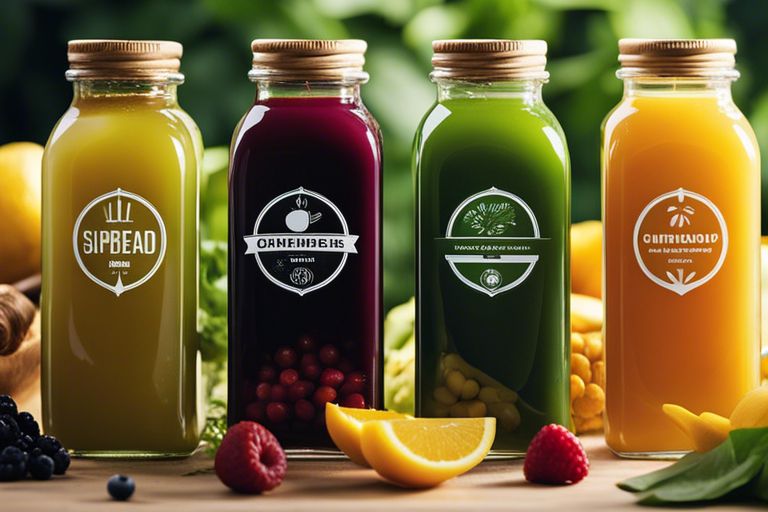
Organic Juice Superfoods for Immunity

Some 10 Best Superfoods You In Pure Green Juices And … can be excellent choices for boosting your immune system. These superfoods are packed with vital vitamins, minerals, and antioxidants that help your body ward off infections and stay healthy.

Top Picks for Immunity-Boosting Juices

Organic fruits and vegetables like kale, spinach, berries, and ginger are excellent options for creating immunity-boosting juices. These ingredients are rich in vitamin C, vitamin E, and other nutrients that support your immune system’s function.

The Science Behind Their Benefits

Science shows that the nutrient-dense components of these organic superfoods can help strengthen your immune defenses by supporting the production of immune cells and decreasing inflammation in the body. By regularly consuming juices containing these superfoods, you can give your immune system the boost it needs to keep you healthy.

Berries: The Antioxidant Powerhouses

After fruits, berries are some of the most popular and nutritious organic superfoods that you can incorporate into your diet to boost your immunity. Berries are packed with antioxidants, which can help protect your cells from damage caused by free radicals. This makes them excellent choices for supporting your immune system and overall health.

Blueberries: Rich in Anthocyanins

Blueberries stand out as one of the top superfoods due to their high levels of anthocyanins, a type of antioxidant that gives them their vibrant color. Anthocyanins have been linked to numerous health benefits, including reducing inflammation and improving cognitive function. By including blueberries in your organic juice blends, you can give your immune system a powerful boost while enjoying their sweet and tangy flavor.

Blueberries also contain vitamins C and K, as well as fiber, making them a nutritious addition to your diet. Whether you blend them into a smoothie or enjoy them whole, adding blueberries to your daily routine can help strengthen your immune defenses.

Cranberries: Urinary Tract Health and Beyond

Cranberries are well-known for their role in promoting urinary tract health, thanks to their high levels of proanthocyanidins that can help prevent bacteria from sticking to the urinary tract walls. However, their benefits go beyond this, as they also pack a powerful antioxidant punch that can support your immune system.

For instance, cranberries are rich in vitamin C and fiber, further enhancing their immune-boosting properties. Incorporating cranberries into your organic juice blends can help you reap the rewards of these tart little berries while keeping your immune system strong and resilient.

Elderberries: Anti-Inflammatory Properties

Elderberries are another powerhouse berry known for their anti-inflammatory properties. These dark purple berries contain anthocyanins and flavonoids that can help reduce inflammation in the body, supporting overall immune function. Plus, elderberries are rich in vitamins A and C, adding an extra immune-boosting punch to your organic juice blends.

Whether you choose to enjoy elderberries in juice form or as a supplement, their potent antioxidant and anti-inflammatory effects can help protect your cells from damage and keep your immune system in top shape. Including elderberries in your diet is a delicious way to fortify your defenses against illness and support your overall well-being.

Green Juices for Immunity

Once again, turning to the power of green juices can work wonders for your immune system. These nutrient-dense concoctions can help boost your body’s defenses and keep you feeling vibrant and healthy. Let’s examine into some specific superfoods that you can include in your green juices for an extra immunity boost.

Wheatgrass: The Ultimate Detoxifier

Juices infused with wheatgrass are a fantastic way to kickstart your immune system. Wheatgrass is known for its detoxifying properties, helping to rid your body of harmful toxins and promoting overall wellness. Including wheatgrass in your green juices can give your immune system a powerful ally in fighting off infections and illnesses.

Spinach: Packed with Iron and Antioxidants

Immunity-boosting green juices often include spinach for good reason. This leafy green is packed with iron, crucial for a healthy immune system, and antioxidants that help combat free radicals. By incorporating spinach into your juices, you’re providing your body with vital nutrients that support optimal immune function.

Plus, spinach is versatile and can easily be blended with other fruits and vegetables to create delicious and nutritious green juice combinations. Experiment with different recipes to find the perfect spinach-infused concoction that not only tastes great but also helps strengthen your immune system.

Kale: The Vitamin-Rich Superfood

Any green juice aimed at boosting immunity should feature kale prominently. This vitamin-rich superfood is a powerhouse of nutrients, including vitamins A, C, and K, as well as minerals like calcium and manganese. Kale’s impressive nutritional profile can fortify your immune system and support overall health and well-being.

Ultimate green juice blends often include kale as a key ingredient due to its numerous health benefits. Whether you’re new to juicing or a seasoned green juice enthusiast, incorporating kale into your recipes can take your immune-boosting efforts to the next level.

Citrus Juices for Immunity

Now, let’s explore how citrus juices can boost your immunity. Citrus fruits are known for their high content of vitamin C, which is necessary for a healthy immune system. Including citrus juices in your diet can help increase your body’s resistance to infections and illnesses.

Oranges: High in Vitamin C

Immunity is crucial for staying healthy, and oranges are a great way to support your body’s defense system. Oranges are not only delicious but also packed with vitamin C, known for its immune-boosting properties. Including fresh orange juice in your daily routine can provide you with a natural dose of this necessary vitamin to help keep your immune system strong.

Grapefruits: Weight Management and Immunity

On your journey to boosting your immunity, don’t overlook the benefits of grapefruit juice. Grapefruits are not only tasty but also known for their potential in weight management and immune support. The antioxidants and vitamins in grapefruit juice can aid in boosting your immune system and help you maintain a healthy weight simultaneously.

Immunity: Grapefruits contain vitamin C, an necessary nutrient for immunity, and other antioxidants that can help protect your body from harmful pathogens. Incorporating grapefruit juice into your diet can be a refreshing way to enhance your overall health and well-being.

Lemons: Alkalizing and Anti-Inflammatory

Management is vital for your health, and lemons can play a key role in supporting your body’s alkalizing and anti-inflammatory processes. Lemons are known for their high vitamin C content and alkalizing properties, which can help balance your body’s pH levels and reduce inflammation. Sipping on fresh lemon juice can be a delicious and beneficial addition to your daily routine.

Weight: Lemons are also rich in antioxidants and can promote weight management by supporting digestion and detoxification processes in your body. Adding lemon juice to your water or using it in dressings can be a simple yet effective way to support your overall health and immunity.

Other Organic Juice Superfoods

Turmeric: The Golden Elixir

Not only is turmeric a staple in traditional Ayurvedic medicine, but it also holds a well-deserved place in superfoods. The active compound in turmeric, curcumin, has powerful anti-inflammatory and antioxidant properties that can help boost your immunity. Incorporating turmeric juice into your diet can help reduce inflammation in your body and support your overall well-being.

Ginger: Anti-Inflammatory and Digestive Benefits

Other than adding a zesty kick to your juice blends, ginger is packed with anti-inflammatory and digestive benefits that can aid your immune system. Gingerol, the bioactive compound in ginger, is responsible for its anti-inflammatory properties. Including ginger juice in your daily routine can help soothe your digestive system and reduce inflammation in your body.

Superfoods like ginger may not only add flavor to your juices but also provide a host of health benefits that can support your immune system and overall health.

Pomegranate: Rich in Antioxidants and Vitamins

AntiInflammatory

Antioxidants

To wrap up

Following this insightful exploration of organic superfoods for boosting immunity, you may be wondering if there are any specific organic juice superfoods recommended for this purpose. If you are looking for recommendations, you can check out this article on 7 Best Juices To Improve Your Immunity. Remember to incorporate a variety of nutrient-dense organic foods and juices into your diet to support your immune system and overall health. By making informed choices about what you eat and drink, you can help strengthen your body’s natural defenses and promote well-being.

FAQ

Q: Are there any specific organic juice superfoods recommended for boosting immunity?

A: Yes, some specific organic juice superfoods that are recommended for boosting immunity include:

  • 1. Elderberry: Known for its immune-boosting properties and high levels of antioxidants.
  • 2. Turmeric: Contains curcumin, a compound with powerful anti-inflammatory and antioxidant properties.
  • 3. Ginger: Helps strengthen the immune system and has antimicrobial properties.

Q: How can organic juice superfoods help in boosting immunity?

A: Organic juice superfoods can help boost immunity by providing vital vitamins, minerals, and antioxidants that strengthen the immune system. These superfoods can help combat free radicals, reduce inflammation, and improve overall health, leading to a stronger and more resilient immune system.

Q: Can I mix different organic juice superfoods together for an immunity-boosting blend?

A: Yes, you can mix different organic juice superfoods together to create a powerful immunity-boosting blend. Combining superfoods like elderberry, turmeric, ginger, and other immune-boosting ingredients can create a potent and delicious juice that supports your immune system and overall well-being.

How does the production process of organic juice superfoods ensure they remain free from pesticides and harmful chemicals

You might be wondering how organic juice superfoods manage to steer clear of pesticides and harmful chemicals during their production process. Unlike conventional agricultural practices that rely on synthetic fertilizers and pesticides, organic superfood producers adhere to strict guidelines. From non-toxic pest control methods to natural fertilizers, organic farms prioritize soil health and biodiversity, ensuring the final product remains free from harmful residues. By choosing organic juice superfoods, you not only nourish your body but also support a more sustainable and environmentally friendly food system.

Key Takeaways:

  • Strict sourcing of organic ingredients: Organic juice superfoods are made using organic ingredients that are grown without the use of pesticides or harmful chemicals.
  • Rigorous testing procedures: The production process involves rigorous testing procedures to ensure that the juice superfoods remain free from any traces of pesticides or harmful chemicals.
  • Certifications and standards: Organic juice superfoods are manufactured in facilities that adhere to strict organic certifications and standards to guarantee their purity and quality.

The Problem with Conventional Juice Production

Before delving into how organic juice superfoods are produced without pesticides and harmful chemicals, it’s crucial to understand the pitfalls of conventional juice production. From the cultivation of fruits to the juicing process, conventional methods often involve the use of pesticides and chemical fertilizers that can have detrimental effects on your health. Let’s explore the pesticide predicament and the hidden dangers of chemical fertilizers in the production of conventional juices.

The Pesticide Predicament

Pesticides are commonly used in conventional fruit farming to combat pests and diseases that could damage crops. However, these chemical substances can linger on the fruits even after washing, making their way into the juice you consume. When you drink conventionally-produced juice, you may unknowingly expose yourself to a cocktail of pesticides that could have harmful effects on your body over time. This predicament raises concerns about the long-term impact of pesticide residue in your diet.

The Hidden Dangers of Chemical Fertilizers

Hidden beneath the lush facade of conventional fruit orchards is the heavy reliance on chemical fertilizers to boost crop yields. These synthetic fertilizers contain high levels of nitrogen, phosphorus, and potassium, which can lead to nutrient imbalances in the soil. As a result, the fruits grown in such conditions may not be as nutrient-dense as their organic counterparts. For instance, the excessive use of nitrogen-based fertilizers can contribute to water pollution and harm aquatic ecosystems when these chemicals leach into rivers and lakes.

Organic Farming: A Better Approach

The foundation of organic juice superfoods lies in the principles of organic farming, which offer a more sustainable and environmentally friendly approach to agriculture. By avoiding synthetic pesticides, herbicides, and fertilizers, organic farming minimizes harm to the ecosystem and promotes healthier, nutrient-rich produce.

Sustainable Soil Management

On organic farms, sustainable soil management practices are central to maintaining soil health and fertility. Instead of relying on chemical fertilizers that can degrade the soil over time, organic farmers use compost, cover crops, and crop rotation to nourish the soil naturally. This approach not only enhances the nutritional quality of the crops but also supports long-term soil sustainability.

Crop Rotation and Diversity

Any organic farmer will tell you that implementing crop rotation and promoting biodiversity are key strategies in pest and disease management. By rotating crops seasonally and intercropping different plant species, organic farmers disrupt the life cycles of pests and diseases, reducing the need for chemical interventions.

Additionally, diverse crop plantings create a more balanced ecosystem, where beneficial insects can thrive and naturally regulate pest populations. This natural balance not only safeguards the health of the crops but also contributes to the overall resilience of the farm ecosystem.

Natural Pest Control Methods

Soil health and biodiversity play a crucial role in natural pest control on organic farms. By fostering a diverse environment where predators like ladybugs, lacewings, and birds can thrive, organic farmers harness the power of nature to manage pest populations without resorting to harmful chemicals.

Better yet, some organic farmers integrate techniques like companion planting, where certain plant combinations naturally deter pests, or use biological control methods such as introducing beneficial nematodes to combat harmful insects. These sustainable practices not only protect the crops but also promote a harmonious relationship between agriculture and the environment.

Harvesting and Processing with Care

Once again, when it comes to producing organic juice superfoods, every step of the process is crucial to maintaining the integrity of the ingredients. The journey starts with the raw materials, as highlighted in the article “Elevate Your Functional Food Game with Organic Raw Ingredients,” emphasizing the importance of using high-quality organic ingredients in functional foods.

Hand-Harvesting and Gentle Handling

An vital step in the production process of organic juice superfoods is hand-harvesting and gentle handling of ingredients. This meticulous approach ensures that the produce is carefully picked at peak ripeness, preserving the nutrient content and flavor profile. By avoiding machinery that may damage the ingredients, hand-harvesting retains the quality and freshness needed to create a premium product.

Cold-Pressing and Minimal Processing

An integral part of the production process is the cold-pressing and minimal processing of the ingredients. Cold-pressing involves extracting juice from fruits and vegetables without exposing them to high temperatures that can degrade their nutritional value. This gentle method helps to retain the enzymes, vitamins, and minerals present in the raw ingredients, resulting in a more nutrient-dense and vibrant juice superfood.

Gentle processing techniques like cold-pressing ensure that the final product is free from harmful chemicals and pesticides commonly found in conventionally processed juices. By prioritizing minimal processing methods, organic juice superfoods maintain their purity and nutritional benefits, offering you a healthier alternative to industrially produced beverages.

Rigorous Quality Control Measures

To guarantee the safety and quality of organic juice superfoods, rigorous quality control measures are implemented throughout the production process. From the sourcing of organic ingredients to the final packaging, each batch undergoes thorough inspection and testing to ensure compliance with organic standards and regulations. These stringent quality control measures help to uphold the integrity of the product and provide you with a confident choice for your health and well-being.

Plus, by prioritizing transparency and traceability in the production process, you can trust that the organic juice superfoods you consume are free from synthetic additives and contaminants. This commitment to quality control reflects a dedication to delivering premium organic products that prioritize your health and the environment.

Cleaning and Sanitizing: A Crucial Step

For Unlock Vitality with Organic Superfood Powders, ensuring that organic juice superfoods remain free from pesticides and harmful chemicals involves a rigorous cleaning and sanitizing process. This step is crucial in maintaining the purity and quality of the final product that you consume.

Advanced Water Filtration Systems

The advanced water filtration systems used in the production process of organic juice superfoods play a vital role in ensuring that the water used is free from contaminants. This is vital as water is a primary ingredient in the production of these superfoods. These systems are designed to remove impurities and harmful substances, providing a clean and safe water source for the production process.

The advanced water filtration systems remove contaminants such as pesticides, heavy metals, and other pollutants from the water. By using multiple filtration stages, these systems guarantee that the water meets the highest standards of purity and quality.

Sanitizing Equipment and Facilities

Advanced sanitizing equipment and facilities are employed to maintain a sterile environment during the production of organic juice superfoods. This meticulous approach ensures that equipment, surfaces, and containers remain free from harmful bacteria and pathogens, safeguarding the integrity of the superfood products.

Advanced techniques such as steam cleaning, ozone treatment, and organic sanitizers are utilized to eliminate any potential sources of contamination. These stringent measures help to uphold the organic integrity of the superfoods and protect your health.

Regular Testing and Monitoring

Facilities that produce organic juice superfoods undergo regular testing and monitoring to verify the effectiveness of cleaning and sanitizing protocols. This ongoing assessment ensures that the highest standards of cleanliness and safety are consistently maintained throughout the production process. By conducting regular tests and inspections, any deviations or issues can be promptly addressed, guaranteeing the quality and purity of the organic superfood products.

Another critical aspect of this process is the monitoring of environmental conditions such as temperature and humidity. These factors can impact the growth of bacteria and other microorganisms, emphasizing the importance of regular monitoring to prevent any contamination. By prioritizing rigorous testing and monitoring, organic juice superfood producers uphold their commitment to delivering safe and high-quality products to you.

Packaging and Storage: Preserving the Goodness

Despite the meticulous process of creating organic juice superfoods, the journey does not end there. Ensuring that these products remain free from pesticides and harmful chemicals even after production involves stringent packaging and storage practices. The way these superfoods are packaged and stored is crucial in preserving their freshness, nutritional value, and overall quality.

Eco-Friendly Packaging Options

Goodness: As far as packaging organic juice superfoods, opting for eco-friendly materials is necessary. Packaging made from recycled materials or biodegradable options helps minimize environmental impact and keeps harmful chemicals at bay. Additionally, look for packaging that is free from harmful toxins like BPA and phthalates to maintain the integrity of the product inside.

Refrigeration and Temperature Control

Preserving: Proper refrigeration and temperature control play a significant role in maintaining the quality of organic juice superfoods. Keeping these products at the correct temperature helps prevent spoilage and ensures that the nutrients remain intact. Be sure to store your organic juice superfoods in a cool, dry place away from direct sunlight to preserve their goodness for longer.

More about Refrigeration and Temperature Control

Benefit Impact
Preserves Nutrients Ensures maximum health benefits
Prevents Spoilage Maintains product quality

Minimizing Oxygen Exposure

Another critical factor in preserving the goodness of organic juice superfoods is minimizing oxygen exposure. Oxygen can degrade the quality of the product, leading to nutrient loss and flavor changes. Choosing packaging options that limit oxygen exposure, such as airtight seals or vacuum packaging, can help extend the shelf life and keep your superfoods fresh and nutritious.

Options for Minimizing Oxygen Exposure

Seal Type Effectiveness
Airtight Seals Prevents oxygen exposure efficiently
Vacuum Packaging Minimizes oxygen contact, preserving freshness

With these careful packaging and storage practices, you can ensure that the organic juice superfoods you enjoy are not only free from harmful chemicals and pesticides but also packed with the goodness of nature, just as intended.

Third-Party Certifications and Regulations

USDA Organic Certification

The USDA Organic Certification is a stringent process that ensures organic products, including superfoods like organic juice, meet specific regulations. The USDA Organic seal guarantees that the product is free from synthetic pesticides, fertilizers, and genetically modified organisms. To earn this certification, farms must adhere to strict guidelines regarding soil quality, pest control, and use of additives. Inspections are conducted to verify compliance with these standards, and any deviation can result in the loss of certification.

International Organic Standards

International Organic Standards vary by country but generally follow similar principles to the USDA Organic Certification. Organizations like the European Union’s organic certification and Japan’s JAS organic standards set regulations for the production, labeling, and marketing of organic products. These standards ensure that organic superfoods are produced using environmentally friendly practices, promoting sustainability and protecting consumer health.

Adherence to International Organic Standards requires documentation of the entire production process, from seed to shelf. This includes maintaining detailed records of cultivation methods, harvest practices, and storage conditions. By following these standards, organic juice superfoods can guarantee their purity and quality to consumers worldwide.

Regular Audits and Inspections

Certification bodies conduct regular audits and inspections to verify that organic farms and production facilities comply with organic standards. These audits involve thorough examinations of records, on-site inspections, and product testing to ensure that organic juice superfoods are free from contaminants and meet organic regulations. By undergoing these audits, organic producers demonstrate their commitment to transparency and quality assurance.

Audits also help identify any potential risks to organic integrity, such as cross-contamination with non-organic products or inadequate sourcing of ingredients. Addressing these issues promptly ensures that organic juice superfoods maintain their purity and uphold the trust of consumers seeking organic options.

Conclusion

Ultimately, the production process of organic juice superfoods ensures they remain free from pesticides and harmful chemicals because of the strict regulations and standards that organic farms must adhere to. By choosing organic superfoods, you are not only prioritizing your health but also supporting sustainable farming practices that benefit the environment and communities. If you’re interested in delving deeper into the differences between organic and non-organic superfood powders, you can check out this informative article on What is the difference between organic and non-organic superfood powders.

Q: How does the production process of organic juice superfoods ensure they remain free from pesticides and harmful chemicals?

A: Organic juice superfoods are produced using ingredients that are grown without the use of synthetic pesticides, herbicides, or other chemicals. These ingredients are carefully sourced from certified organic farms that adhere to strict organic farming practices. Additionally, the production process itself follows strict organic standards to ensure that no harmful chemicals are introduced during processing.

Q: What measures are taken to prevent cross-contamination with pesticides and chemicals during the production of organic juice superfoods?

A: To prevent cross-contamination with pesticides and harmful chemicals, organic juice superfood producers follow stringent protocols to separate organic ingredients from non-organic ones. Dedicated equipment and processing facilities are used exclusively for organic ingredients to prevent any contamination. Regular testing is also conducted to ensure that the final product remains free from any traces of pesticides or chemicals.

Q: How can consumers be assured that organic juice superfoods are truly free from pesticides and harmful chemicals?

A: Consumers can verify the authenticity of organic juice superfoods by looking for certifications from reputable organic certifying bodies. These certifications indicate that the product has met specific standards and requirements for organic production, including the absence of synthetic pesticides and harmful chemicals. Additionally, reading the product labels and ingredient lists can provide transparency on the sourcing and production process of organic juice superfoods.

Can children and pregnant women safely consume organic juice superfoods, and are there any specific recommendations for these groups

Many parents and expectant mothers wonder if organic juice superfoods are safe for their children and themselves during pregnancy. If you are looking for specific recommendations for pregnant women, you can check out this article on the Best Greens Powder for Pregnancy (2024). It’s crucial to be informed about the benefits and potential risks associated with consuming organic juice superfoods to make the best choices for you and your little ones.

Key Takeaways:

  • Organic juice superfoods are safe for children and pregnant women: Organic juice superfoods are typically free from harmful chemicals and pesticides, making them a safe option for children and pregnant women to consume.
  • Consult a healthcare provider for specific recommendations: While organic juice superfoods are generally safe, it is always recommended to consult a healthcare provider before introducing them into a child or pregnant woman’s diet to ensure individual dietary needs are met.
  • Monitor for any adverse reactions: It is important to monitor for any adverse reactions when introducing organic juice superfoods to children and pregnant women, and to discontinue use if any negative effects are observed.

The Benefits of Organic Juice Superfoods

Nutrient-dense ingredients

For your growing children and yourself during pregnancy, organic juice superfoods can be a great addition to your diet. These juices are packed with a variety of nutrient-dense ingredients such as kale, spinach, berries, and citrus fruits. These ingredients are rich in vitamins, minerals, and antioxidants that can support overall health and well-being. They can also help boost the immune system and provide vital nutrients for both you and your child’s development.

Lower pesticide exposure

One of the significant benefits of choosing organic juice superfoods for your family is the lower exposure to pesticides. Organic fruits and vegetables used in these juices are grown without synthetic pesticides, herbicides, or genetically modified organisms. By opting for organic options, you can reduce the risk of harmful chemical residues in your food, providing a safer option for children and pregnant women.

These ingredients are not only beneficial for your health but also for the environment. Organic farming practices promote soil and water conservation, reduce pollution, and support biodiversity. By choosing organic juice superfoods, you are not only nourishing your body but also supporting a more sustainable and eco-friendly food system.

Safety Considerations for Children

Some parents may be concerned about whether organic juice superfoods are safe for their children to consume. As a general guideline, it is recommended that children under the age of one year should not consume unpasteurized juices. After the age of one, you can introduce small amounts of organic juice superfoods into your child’s diet, ensuring they are pasteurized and diluted with water to reduce their sugar content.

Age-specific guidelines

Agespecific guidelines recommend introducing organic juice superfoods gradually into your child’s diet. Start with small amounts to monitor for any adverse reactions. It’s important to consult with your pediatrician before making any significant changes to your child’s diet.

Allergenic ingredients to avoid

Any allergenic ingredients, such as nuts, dairy, or soy, should be avoided when preparing organic juice superfoods for children. These common allergens can cause severe reactions in some children, so be sure to carefully read ingredient labels and avoid any products that may contain allergens.

Guidelines suggest that you always check for allergenic ingredients and consult with your child’s healthcare provider if you have any concerns about potential allergens in organic juice superfoods.

Hygiene and handling precautions

Allergenic ingredients can cross-contaminate your organic juice superfoods, so it’s important to avoid using the same utensils or containers that may have come into contact with allergens. Make sure to thoroughly clean all equipment used to prepare organic juice superfoods to reduce the risk of allergen exposure.

Avoid cross-contamination by washing your hands, utensils, and equipment thoroughly before preparing organic juice superfoods for your child. This simple step can help keep your child safe from potential allergens.

Pregnant Women and Organic Juice Superfoods

Not every juice superfood is suitable for pregnant women. It’s crucial to pay attention to the ingredients in these products to ensure they meet the nutritional needs of expectant mothers and support fetal development. According to a perspective article on organic food consumption during pregnancy, which you can read here, maintaining a healthy diet during pregnancy is vital for both maternal and child health.

Fetal development and nutrient needs

Women need to ensure they are consuming adequate nutrients during pregnancy to support the healthy development of their baby. Essential nutrients like folic acid, iron, calcium, and vitamin D are particularly important during this time. Organic juice superfoods that contain these nutrients can be beneficial additions to a pregnant woman’s diet.

Safe ingredients for pregnancy

To ensure the safety of organic juice superfoods during pregnancy, opt for products that are free from artificial additives, preservatives, and excessive amounts of sugar. Look for ingredients that are known for their nutritional benefits, such as fruits, vegetables, and superfoods like chia seeds, spirulina, and ginger.

Plus, it’s vital to choose organic products to reduce exposure to pesticides and other harmful chemicals that can be present in conventionally grown produce. Organic certification ensures that the ingredients used are grown without synthetic pesticides, making them a safer choice for expectant mothers.

Ingredients to approach with caution

An important consideration when consuming organic juice superfoods during pregnancy is to approach certain ingredients with caution. While some herbs, such as ginger, may offer health benefits, others like ginseng and licorice root should be avoided or limited during pregnancy due to their potential effects on hormone levels and pregnancy outcomes.

Fetal exposure to certain compounds found in herbs and botanical ingredients is not well studied, so it’s best to err on the side of caution and consult with your healthcare provider before consuming organic juice superfoods that contain these ingredients.

Specific Recommendations for Children

All parents want to ensure their children are getting the best nutrition possible. Pertaining to incorporating organic juice superfoods into your child’s diet, there are some specific recommendations to keep in mind.

Juice recipes for kids

Recommendations: When preparing juice for your kids, opt for recipes that include a variety of fruits and vegetables. This way, you can ensure they are getting a wide range of nutrients in each serving. Be sure to choose organic produce to avoid exposing your child to harmful pesticides.

Serving sizes and frequency

On serving sizes and frequency: It’s important to offer juice to your child in moderation. Limit their intake to 4-6 ounces per day and try to serve it as a snack rather than a replacement for whole fruits and vegetables. This helps ensure they are still getting the fiber and other nutrients found in whole foods.

To monitor for signs of intolerance: Keep an eye out for any unusual reactions your child may have after consuming juice, such as stomach upset or changes in bowel movements. If you suspect any issues, consult with your pediatrician to determine the best course of action.

Monitoring for signs of intolerance

Juice: While organic juice superfoods can be a healthy addition to your child’s diet, it’s important to monitor for any signs of intolerance. Some children may be sensitive to certain fruits or vegetables used in the juice, leading to digestive issues or allergic reactions.

Monitoring: By paying attention to how your child responds to the juice, you can make informed decisions about which ingredients to include and how often to offer it to them. Your child’s well-being is a top priority, so always be vigilant for any signs of intolerance or discomfort.

Special Considerations for Pregnant Women

Despite the numerous benefits of organic juice superfoods, pregnant women need to take special precautions when consuming them to ensure the health and safety of both themselves and their unborn child. In this section, we will discuss some important considerations to keep in mind when incorporating organic juice superfoods into your diet during pregnancy.

Managing morning sickness with organic juice

Any pregnant woman knows that morning sickness can be a challenging aspect of pregnancy. Organic juice superfoods can be a gentle and soothing way to help alleviate symptoms of morning sickness. Opting for juices that are made from ingredients known to settle the stomach, such as ginger or peppermint, can provide relief without overwhelming your senses.

Supporting fetal development with targeted nutrients

An important aspect of pregnancy is ensuring that your baby receives all the necessary nutrients for healthy development. Organic juice superfoods can be a convenient way to supplement your diet with necessary vitamins and minerals. Look for juices that are rich in folate, iron, and calcium, as these nutrients are crucial for fetal growth and development.

Additionally, certain superfoods like chia seeds, flaxseeds, and spinach can provide omega-3 fatty acids and other beneficial compounds that support brain and eye development in the fetus.

Avoiding ingredients that may stimulate uterine contractions

Managing your intake of certain ingredients is crucial during pregnancy to avoid any potential risks to your baby. Some ingredients commonly found in organic juice superfoods, such as aloe vera, licorice root, and black cohosh, may have uterine-stimulating effects and should be avoided during pregnancy. It’s necessary to carefully read the labels of any juice products you consume and steer clear of any ingredients that could potentially harm your baby.

Uterine contractions can lead to preterm labor or other complications, so it’s best to err on the side of caution and avoid ingredients that may pose a risk to your pregnancy.

Common Misconceptions and Myths

Debunking myths about organic juice safety

Many myths surround the safety of organic juice, especially when it comes to children and pregnant women. It’s important to note that organic juice, when consumed in moderation as part of a balanced diet, can be safe for both children and pregnant women. The key is to choose organic juices without added sugars or preservatives, and to ensure they are pasteurized to eliminate any potential harmful bacteria.

Separating fact from fiction in marketing claims

Many marketing claims around organic juice superfoods can be misleading, so it’s crucial to separate fact from fiction. For instance, while some products may promise miraculous health benefits, it’s necessary to remember that organic juice should complement a well-rounded diet, not replace it entirely. Be wary of exaggerated claims and always read the ingredient list carefully to make informed choices for you and your family.

Conclusion

With these considerations in mind, it is generally safe for children and pregnant women to consume organic juice superfoods. However, it is important to be cautious of potential contaminants and allergens that could be present in these products. To ensure the safety of these groups, it is recommended to carefully read labels, choose reputable brands, and consult with a healthcare professional if you have any concerns.

Be mindful of, it is always wise to prioritize whole, fresh fruits and vegetables in your diet, as they provide a wide range of nutrients and fiber that are important for overall health. Organic juice superfoods can be a convenient supplement, but should not replace a balanced diet. By being mindful of the source and quality of these products, you can enjoy their benefits while keeping your health and well-being a top priority.

FAQ

Q: Can children safely consume organic juice superfoods?

A: Yes, children can safely consume organic juice superfoods as long as they do not have any allergies to the ingredients. It is important to monitor the intake of these superfoods and ensure they are part of a balanced diet for children.

Q: Can pregnant women consume organic juice superfoods?

A: Pregnant women can consume organic juice superfoods in moderation, but it is recommended to consult with a healthcare provider before incorporating them into their diet. It is important to be cautious of certain ingredients that may not be suitable during pregnancy.

Q: Are there any specific recommendations for children and pregnant women consuming organic juice superfoods?

A: For children, it is recommended to dilute the juice superfoods with water to reduce the concentration of nutrients and sugars. Pregnant women should be cautious of certain ingredients like herbs and supplements that may not be safe during pregnancy. Both groups should prioritize consuming a variety of nutrient-dense foods along with organic juice superfoods.

What are the key active ingredients typically found in back and joint pain creams

With the plethora of options in the market for back and joint pain relief creams, it can be overwhelming to decipher which ones actually work. The key lies in understanding the active ingredients that make these creams effective in soothing your discomfort. In this informative guide, we will examine into the crucial components commonly found in these creams, helping you make informed decisions for your pain management needs.

Key Takeaways:

  • Menthol: Known for its cooling sensation and pain-relieving properties.
  • Camphor: Provides a warming sensation and helps alleviate pain and inflammation.
  • Capsaicin: Derived from chili peppers, it can reduce pain by inhibiting the transmission of pain signals.

The Power of Topical Creams

How they work

Creams containing active ingredients for back and joint pain are designed to be applied directly onto the skin, allowing the medication to be absorbed through the skin and target the affected area. These creams often contain ingredients such as menthol, camphor, or capsaicin, which work to provide pain relief by numbing the area, reducing inflammation, or blocking pain signals.

Benefits over oral medications

With topical creams, you can directly target the source of your pain without the need to rely on oral medications that have to travel through your digestive system before reaching the problem area. This can lead to quicker relief and potentially fewer side effects since the medication is applied locally rather than circulating throughout your entire body.

Additionally, topical creams are easy to apply and are less likely to cause systemic side effects compared to oral medications, making them a convenient and effective option for managing back and joint pain.

Natural Ingredients for Pain Relief

Capsaicin: The Spicy Solution

One natural ingredient commonly found in back and joint pain creams is capsaicin. Derived from chili peppers, capsaicin works by interrupting the pain signals sent to your brain, providing relief from discomfort. As you apply a capsaicin-based cream to the affected area, you may initially feel a warming or tingling sensation, which is a sign that the ingredient is working to alleviate your pain.

Arnica: Nature’s Anti-Inflammatory

Pain creams often contain arnica, a natural anti-inflammatory that can help reduce swelling and pain in your back and joints. Arnica, derived from the Arnica montana plant, has been used for centuries to treat various types of pain and inflammation. By applying an arnica-infused cream to the affected area, you can experience relief and promote faster healing.

With its anti-inflammatory properties, arnica can target the root cause of your back and joint pain, providing both short-term relief and long-term benefits. Incorporating arnica into your pain relief routine can help you manage discomfort more effectively and improve your overall quality of life.

CBD: The Cannabis Connection

An increasingly popular natural ingredient in pain relief creams is CBD, derived from the cannabis plant. CBD interacts with your body’s endocannabinoid system to reduce pain and inflammation, offering a holistic approach to managing back and joint discomfort. When you apply a CBD-infused cream to the affected area, you can experience targeted relief without any psychoactive effects.

AntiInflammatory properties of CBD make it a valuable addition to your pain relief arsenal, allowing you to address inflammation and soreness in a natural and gentle way. By incorporating a CBD cream into your daily routine, you can harness the power of this plant-based ingredient to alleviate your back and joint pain effectively.

Counterirritants for Quick Relief

Keep your joint and back pain at bay with the help of counterirritants found in many topical pain relief creams and gels. These ingredients work by creating a sensation on your skin that distracts you from the underlying pain. If you want to learn more about different types of topical pain relief products, check out Topical Pain Relief: Creams, Gels, and Rubs for a comprehensive guide.

Menthol: The Cooling Effect

Effectively soothing and refreshing, menthol is a popular ingredient in many back and joint pain creams due to its cooling properties. When applied to your skin, menthol creates a chilly sensation that helps alleviate discomfort and provides a sense of relief. This cooling effect can help reduce inflammation and improve blood flow to the affected area, promoting faster healing and diminishing pain.

Camphor: The Warming Sensation

Camphor is another key ingredient known for its warming sensation when applied topically. This soothing warmth helps relax muscles and relieves tension in your back and joints. Additionally, camphor may increase blood circulation to the area, aiding in the healing process. Its comforting heat can penetrate deep into tissues, offering long-lasting relief from aches and pains.

Cooling your skin with menthol or warming it with camphor can both provide quick relief from back and joint pain. By selecting a cream or gel containing these counterirritants, you can experience the benefits of their soothing effects firsthand.

Methyl Salicylate: The Wintergreen Wonder

Warming your skin with the essence of wintergreen, methyl salicylate is a powerful ingredient in pain relief creams. Its natural analgesic properties help numb the pain and reduce inflammation, making it an effective remedy for sore muscles and joints. The wintergreen wonder of methyl salicylate can help you ease your discomfort and get back to your daily activities with greater ease.

Wondering how to find quick relief from your back and joint pain? Look for products containing methyl salicylate to experience the soothing warmth of wintergreen and the pain-relieving benefits it offers. Let this wintergreen wonder work its magic on your body and provide you with the comfort you need to move freely and comfortably.

Anti-Inflammatory Agents

Now, let’s look into the key active ingredients in back and joint pain creams that have anti-inflammatory properties. These components play a crucial role in reducing swelling, stiffness, and discomfort in your joints.

Glucosamine: The Joint Savior

Joint mobility is necessary for your daily activities. Glucosamine is a natural compound found in your body that helps maintain the health of your joint cartilage. When included in pain relief creams, glucosamine can help reduce inflammation in your joints, promoting better flexibility and movement.

Chondroitin: The Cartilage Champion

Glucosamine and chondroitin are often paired together in joint pain creams due to their synergistic effects in supporting cartilage health. Chondroitin is a major component of cartilage and is known for its ability to enhance shock-absorbing properties in your joints, reducing wear and tear. Including chondroitin in your pain relief regimen can help protect and maintain the integrity of your cartilage.

A key point to note about chondroitin is that it works hand in hand with glucosamine to provide comprehensive joint support. Together, these two ingredients can help alleviate discomfort, improve joint function, and support overall joint health.

Boswellia: The Ayurvedic Advantage

One of the lesser-known but highly effective anti-inflammatory ingredients found in joint pain creams is Boswellia. This resin extract has been used in Ayurvedic medicine for centuries due to its potent anti-inflammatory properties that can help reduce swelling and pain in your joints.

One notable benefit of Boswellia is its ability to inhibit the production of certain enzymes that contribute to inflammation in the body. By including Boswellia in your pain relief regimen, you can experience improved joint mobility and reduced discomfort.

To optimize the anti-inflammatory effects of your back and joint pain cream, look for products that contain a combination of glucosamine, chondroitin, and Boswellia. This powerful trio can work synergistically to provide you with comprehensive relief and support for your joint health.

Additional Ingredients for Enhanced Relief

For a more potent and soothing effect in your back and joint pain cream, additional active ingredients are often included to enhance relief. These ingredients work synergistically with the key components to provide you with extended comfort and reduced discomfort.

Peppermint Oil: The Refreshing Twist

Relief in back and joint pain can also come in the form of peppermint oil. The cooling sensation of peppermint oil not only provides a refreshing twist but also helps to alleviate discomfort. When applied topically, peppermint oil has analgesic properties that can soothe sore muscles and joints, making it a popular ingredient in pain relief creams.

Eucalyptus Oil: The Decongesting Power

Any back and joint pain cream that contains eucalyptus oil offers more than just pain relief. Eucalyptus oil is known for its decongesting power, which can help improve circulation and reduce inflammation. This natural ingredient can also provide a cooling effect on your skin, offering a dual action of pain relief and a refreshing sensation.

Power-packed with anti-inflammatory and analgesic properties, eucalyptus oil can penetrate deeply into the skin, targeting the root of your discomfort and providing long-lasting relief.

Ginger Oil: The Anti-Inflammatory Boost

AntiInflammatory as well as a potent pain relief ingredient, ginger oil can provide an added boost to your back and joint pain cream. Ginger oil has been used for centuries for its anti-inflammatory properties, making it a popular choice for easing muscle and joint pain. When combined with other active ingredients, ginger oil can help reduce swelling and improve flexibility, allowing you to move more comfortably.

With its warming sensation, ginger oil can also increase blood flow to the affected area, speeding up the healing process and promoting overall joint health.

What to Look for in a Back and Joint Pain Cream

All of your questions about selecting the right back and joint pain cream can be answered by referring to An Essential Guide to Over-the-Counter Topical Pain Relievers. When considering choosing the best cream for your needs, there are a few key factors to consider.

Concentration of Active Ingredients

The concentration of active ingredients in a back and joint pain cream plays a crucial role in its effectiveness. Higher concentrations typically mean a more potent formula that may provide faster relief. However, it’s necessary to be mindful of the concentration levels as they can also increase the risk of side effects. Always consult with your healthcare provider or a pharmacist to ensure the cream’s active ingredients are suitable for your specific condition and medical history.

Skin Type and Sensitivity

On the topic of skin type and sensitivity, it’s vital to consider how your skin will react to the ingredients in the pain cream. Different formulations may be more suitable for sensitive skin or specific skin conditions. For instance, if you have sensitive skin, you may want to opt for a cream that is fragrance-free or hypoallergenic to minimize the risk of irritation.

Brand Reputation and Reviews

Joint pain creams from reputable brands with positive reviews can offer you a sense of assurance regarding their quality and effectiveness. When identifying a back and joint pain cream, consider researching customer reviews and feedback to gauge the experiences of others who have used the product. Positive reviews can indicate that the cream has been effective for many users and may increase your confidence in its potential benefits.

Considering the concentration of active ingredients, skin type and sensitivity, as well as brand reputation and reviews, can help you make an informed decision when choosing a back and joint pain cream. By taking these factors into account, you can select a product that is tailored to your needs and preferences, potentially leading to better pain relief outcomes.

To wrap up

Presently, you’ve learned about the key active ingredients typically found in back and joint pain creams. These ingredients, such as menthol, lidocaine, capsaicin, and NSAIDs, work in different ways to provide relief from pain and inflammation in the affected areas. If you’re interested in learning more about how topical NSAIDs can offer joint pain relief, you can read more about it here. Choosing the right ingredients for your specific needs can help you find the best back and joint pain cream to manage your discomfort and improve your quality of life.

FAQ

Q: What are the key active ingredients typically found in back and joint pain creams?

A: The key active ingredients commonly found in back and joint pain creams include menthol, camphor, methyl salicylate, capsaicin, and lidocaine. These ingredients work to either provide a cooling or warming sensation, block pain signals, reduce inflammation, or numb the area to alleviate pain.

Q: How does menthol work in back and joint pain creams?

A: Menthol is a popular ingredient in pain relief creams due to its cooling effect on the skin. It helps to distract the brain from the sensation of pain by creating a cooling sensation that can reduce the perception of discomfort in the back and joints.

Q: Are there any precautions to consider when using back and joint pain creams with active ingredients?

A: It is important to read the label and follow the instructions for application of pain relief creams. Some active ingredients like capsaicin can cause skin irritation or allergic reactions in some individuals. Additionally, it is advisable to perform a patch test before widespread application to ensure there are no adverse reactions.

How do back and joint pain creams provide relief from pain and inflammation

Most of us have experienced the discomfort of back and joint pain at some point in our lives. Pertaining to finding relief, over-the-counter pain creams can be a game-changer. These creams work by targeting the source of the pain and inflammation directly on the skin, providing quick and effective relief. Understanding how these creams work can help you make an informed decision on which product may be best for your specific needs. Let’s research into the science behind how back and joint pain creams provide much-needed relief for your aches and pains.

Key Takeaways:

  • Topical application: Back and joint pain creams are applied directly to the affected area for targeted relief.
  • Ingredients: These creams often contain ingredients such as menthol, capsaicin, or NSAIDs that help reduce pain and inflammation.
  • Fast-acting relief: The creams work quickly to provide relief without the potential side effects of oral medications.

The Science Behind Pain Relief

Your Arthritis pain: Treatments absorbed through your skin can be alleviated by using back and joint pain creams. These creams work by targeting the affected area directly, delivering relief where it’s needed most.

How Creams Interact with the Skin

Any back and joint pain creams are designed to be absorbed through the skin into the underlying muscles and joints. Their formulation allows for efficient penetration, targeting the source of pain directly. This targeted approach leads to quicker relief compared to oral medications that have to travel through the bloodstream to reach the affected area.

The Role of Active Ingredients

Any effective back and joint pain cream relies on its active ingredients to provide relief. These ingredients, such as menthol, camphor, or capsaicin, work by either numbing the area, reducing inflammation, or improving blood flow to the affected area. Each ingredient plays a specific role in alleviating pain and discomfort, offering a multi-faceted approach to pain relief.

With carefully selected active ingredients, back and joint pain creams can target various aspects of pain, providing not just temporary relief but also addressing the underlying causes of inflammation and discomfort. This targeted approach can lead to more effective and long-lasting relief, helping you manage your pain more efficiently.

Types of Pain Relief Creams

Little known to many, there are various types of pain relief creams available that can help alleviate back and joint pain. These creams can be classified into different categories based on their active ingredients and mechanisms of action. Here are some common types of pain relief creams that you may come across:

Topical Analgesics Counterirritants
NSAIDs Anesthetics
Capsaicin Creams Salicylates
Menthol Creams Methyl Salicylate
Camphor Creams And more…

Topical Analgesics

Relief from pain and inflammation can often be achieved through the use of topical analgesics. These creams work by directly targeting the pain receptors in the affected area, providing localized relief. Some common ingredients found in topical analgesics include NSAIDs (nonsteroidal anti-inflammatory drugs) and anesthetics.

Assume that you are looking for quick relief from sore muscles or joint pain, topical analgesics can be a suitable option for you to consider.

Counterirritants

Types of pain relief creams known as counterirritants work by creating a sensation of warmth or coolness on the skin, which distracts from the underlying pain. These creams often contain ingredients such as menthol, camphor, or methyl salicylate, which produce a tingling or cooling effect when applied.

Capsaicin Creams

Pain relief creams containing capsaicin, a compound found in chili peppers, are another option for managing back and joint pain. The application of capsaicin cream can help reduce the sensation of pain by depleting a neurotransmitter called substance P, responsible for transmitting pain signals to the brain.

The warming sensation caused by capsaicin creams can provide soothing relief for sore muscles and joints, making them a popular choice for individuals seeking alternative pain management options.

How Creams Reduce Inflammation

All the common back and joint pain creams and gels you come across have one primary goal – to reduce inflammation and alleviate pain. If you’re wondering specifically how over-the-counter arthritis pain creams and gels work, you can learn more about it here. These topical treatments contain active ingredients that target inflammation at the site of application, providing you with both immediate relief and long-term benefits.

Anti-Inflammatory Properties

One way these creams work is through their anti-inflammatory properties. The active ingredients in these creams, like diclofenac, target the enzymes involved in inflammation, reducing the production of prostaglandins that cause swelling and pain. By inhibiting these enzymes, the cream helps to decrease inflammation in the affected area, providing you with relief from discomfort and stiffness.

Cooling and Warming Effects

For a more immediate soothing sensation, many back and joint pain creams offer cooling or warming effects. These sensations can help distract your brain from the pain you are experiencing, providing a comforting feeling. The cooling effect can help numb the area, while the warming effect can increase blood flow, both aiding in the reduction of inflammation and promoting healing.

Benefits of Using Pain Relief Creams

Quick Absorption and Fast Relief

Quick absorption and fast relief are key benefits of using pain relief creams. These specialized creams are designed to be absorbed rapidly through your skin, delivering active ingredients directly to the affected area. This targeted approach allows for quick relief from pain and inflammation, making it a convenient and efficient option for managing back and joint discomfort.

Targeted Relief

For targeted relief, pain relief creams are your go-to solution. By applying the cream directly to the painful area, you can focus on addressing the specific source of your discomfort. Unlike oral medications that circulate throughout your entire body, these creams work locally to alleviate pain right where you need it most.

Pain relief creams can be especially beneficial for localized pain in specific joints or muscles. Whether you’re dealing with a stiff neck, aching shoulders, or sore knees, using a cream allows you to target the exact location of your discomfort, providing tailored relief to suit your needs.

Alternative to Oral Medications

Medications come with the potential for side effects and may not always be the most suitable option for everyone. Pain relief creams offer an alternative to oral medications, allowing you to manage your pain topically without ingesting anything.

Additionally, for individuals who may have difficulty swallowing pills or prefer to avoid the potential systemic effects of oral medications, pain relief creams provide a localized and targeted approach to pain management. You can apply the cream directly where you need it, providing relief without the need to rely on traditional oral pain medications.

Common Ingredients in Pain Relief Creams

Once again, pain relief creams are a popular choice for alleviating back and joint pain. These creams contain various active ingredients that work together to provide relief from pain and inflammation. Some of the common ingredients found in these pain relief creams include NSAIDs, salicylates, and menthol/methyl salicylate.

NSAIDs

The first type of common ingredient found in pain relief creams is NSAIDs, which stands for nonsteroidal anti-inflammatory drugs. These drugs work by reducing the production of prostaglandins, which are chemicals in the body that cause pain and inflammation. When applied topically, NSAIDs can help to relieve pain and swelling in the affected area.

Salicylates

On the other hand, salicylates are another common ingredient in pain relief creams. Salicylates are compounds that are similar to aspirin and have anti-inflammatory properties. When applied to the skin, salicylates can help to reduce pain and inflammation in the affected area.

Relief from pain and inflammation can be achieved by using pain relief creams that contain salicylates. These compounds work by inhibiting the production of prostaglandins, which are responsible for causing pain and swelling in the body. By applying a cream containing salicylates directly to the affected area, you can experience targeted relief from discomfort.

Menthol and Methyl Salicylate

On the other hand, menthol and methyl salicylate are common ingredients found in pain relief creams. Menthol provides a cooling sensation, which can help to distract from the pain, while methyl salicylate has anti-inflammatory properties that can reduce swelling and discomfort in the affected area.

It is important to note that menthol and methyl salicylate work differently from NSAIDs and salicylates but can still provide effective relief from pain and inflammation. When these ingredients are combined in a pain relief cream, you can experience a dual-action approach to managing your back and joint pain.

Safety Precautions and Contraindications

Many topical pain relief creams are considered safe and effective for managing back and joint pain. However, it’s crucial to be aware of certain safety precautions and contraindications when using these products. For more detailed information on how these creams work, you can refer to Topical Pain Relief: What Is It + How Does It Work?.

Skin Irritation and Allergic Reactions

On rare occasions, some individuals may experience skin irritation or allergic reactions to the ingredients in pain relief creams. If you notice redness, itching, or a rash after applying the cream, discontinue use immediately. It’s vital to perform a patch test before applying the cream liberally to ensure you’re not sensitive to any of the components.

Interactions with Other Medications

One potential concern when using topical pain relief creams is the interaction with other medications you may be taking. While topical treatments are generally considered safe, certain ingredients could theoretically interact with oral medications. It’s always recommended to consult with your healthcare provider or pharmacist to ensure there are no potential adverse effects when using pain relief creams alongside other medications.

Understanding

Pregnancy and Breastfeeding

The use of topical pain relief creams during pregnancy and breastfeeding is a topic that requires caution. While many topical treatments are considered safe during these periods, some ingredients may be better avoided. Consult with your healthcare provider before using any pain relief creams if you are pregnant or nursing to ensure the safety of both you and your baby.

Conclusion

Following this informative discussion on how back and joint pain creams provide relief from pain and inflammation, you now understand the key ingredients and mechanisms behind these topical solutions. With ingredients like menthol, camphor, and capsaicin, these creams work to reduce pain signals, increase blood flow, and decrease inflammation in the affected area.

By applying these creams directly to the skin over the painful joint or muscle, you can experience targeted relief without the potential side effects associated with oral medications. Remember to always follow the instructions on the product label and consult with your healthcare provider if you have any questions or concerns about using these pain relief creams. Take care of your body, and consider incorporating these topical treatments into your pain management routine for effective relief.

FAQ

Q: How do back and joint pain creams work to provide relief from pain and inflammation?

A: Back and joint pain creams usually contain active ingredients such as menthol, camphor, or capsaicin that work by numbing the pain receptors in the affected area. They also contain anti-inflammatory ingredients like arnica or methyl salicylate that help reduce inflammation and swelling. When applied topically, these creams penetrate the skin and target the source of the pain, providing localized relief.

Q: Are back and joint pain creams safe to use for everyone?

A: Back and joint pain creams are generally safe for most people when used as directed. However, it is important to read the labels carefully and follow the instructions provided. Some individuals may be allergic to certain ingredients in these creams, so it is advisable to do a patch test before applying the cream to a larger area. If you have sensitive skin, certain medical conditions, or are pregnant or breastfeeding, it is recommended to consult a healthcare professional before using these creams.

Q: How often can back and joint pain creams be applied for maximum effectiveness?

A: The frequency of application for back and joint pain creams may vary depending on the product and individual needs. In general, these creams can be applied 3-4 times a day, or as directed on the packaging. It is important not to exceed the recommended dosage, as some ingredients in the creams can cause irritation with overuse. If you experience any adverse reactions or if the pain persists, it is advisable to discontinue use and consult a healthcare provider.

Skip to content