How to Build a Sustainable Wardrobe

As you initiate on the noble pursuit of refining your personal style, you likely find yourself pondering the virtues of a sustainable wardrobe. Your desire to adorn yourself in attire that is as gentle on the planet as it is pleasing to the eye is truly commendable. In this guide, you will discover the art of curating a wardrobe that not only reflects your impeccable taste, but also aligns with your values of reducing waste and living in harmony with the environment, allowing you to dress with elegance and integrity.

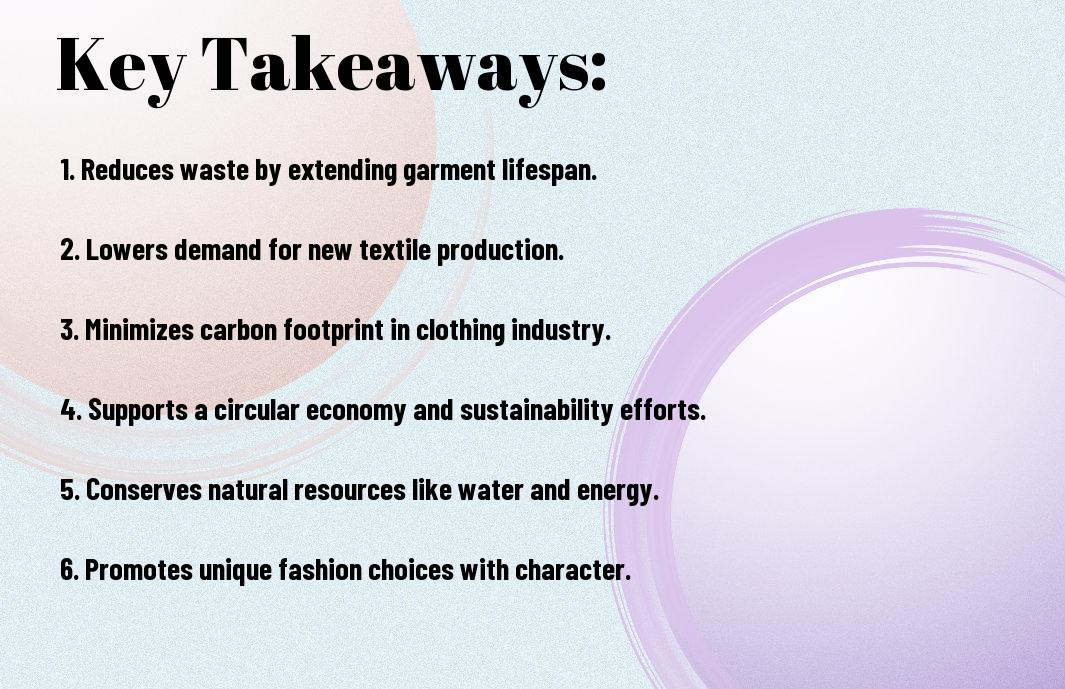
Key Takeaways:

To build a sustainable wardrobe, consider the following points:

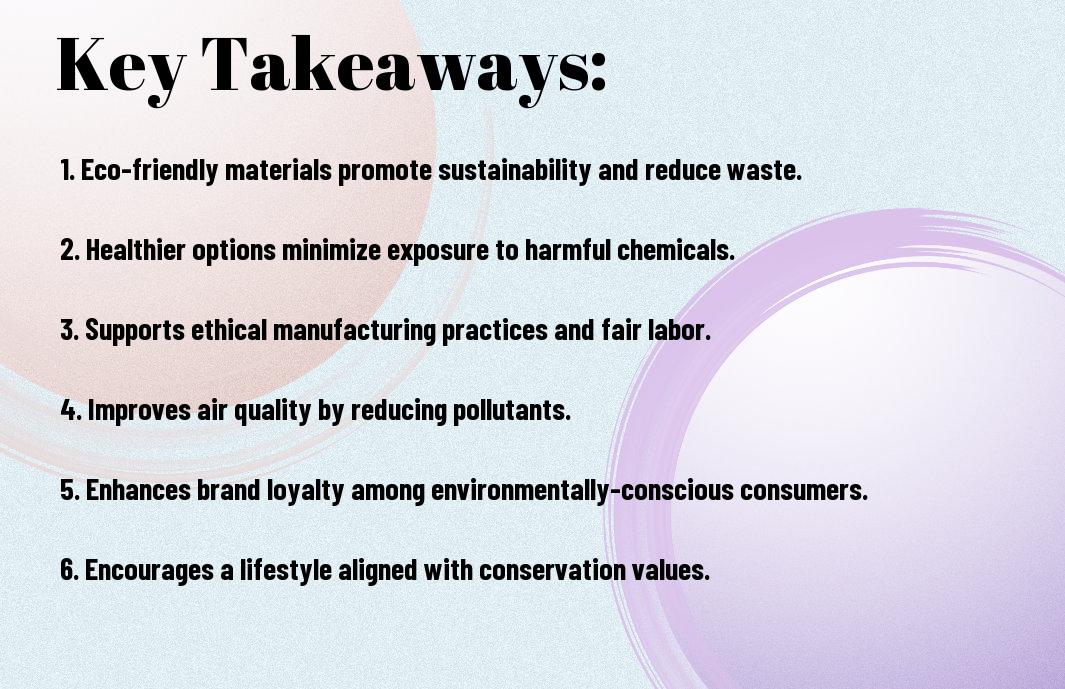
  • Invest in high-quality clothing made from durable materials that can withstand the test of time, reducing the need for frequent purchases and waste.
  • Adopt a minimalist approach by paring down your wardrobe to only the items that bring you joy or serve a purpose, making it easier to maintain and care for your clothing.
  • Focus on timeless pieces that won’t go out of style quickly, such as classic designs and neutral colors, to minimize the environmental impact of fast fashion.
  • Explore second-hand shopping options, like thrift stores or online marketplaces, to give new life to existing garments and reduce the demand for new, resource-intensive clothing.
  • Practice mindful consumption by considering the environmental and social implications of your purchasing decisions, and choose brands that prioritize sustainability and transparency in their production processes.
Setting the Foundation

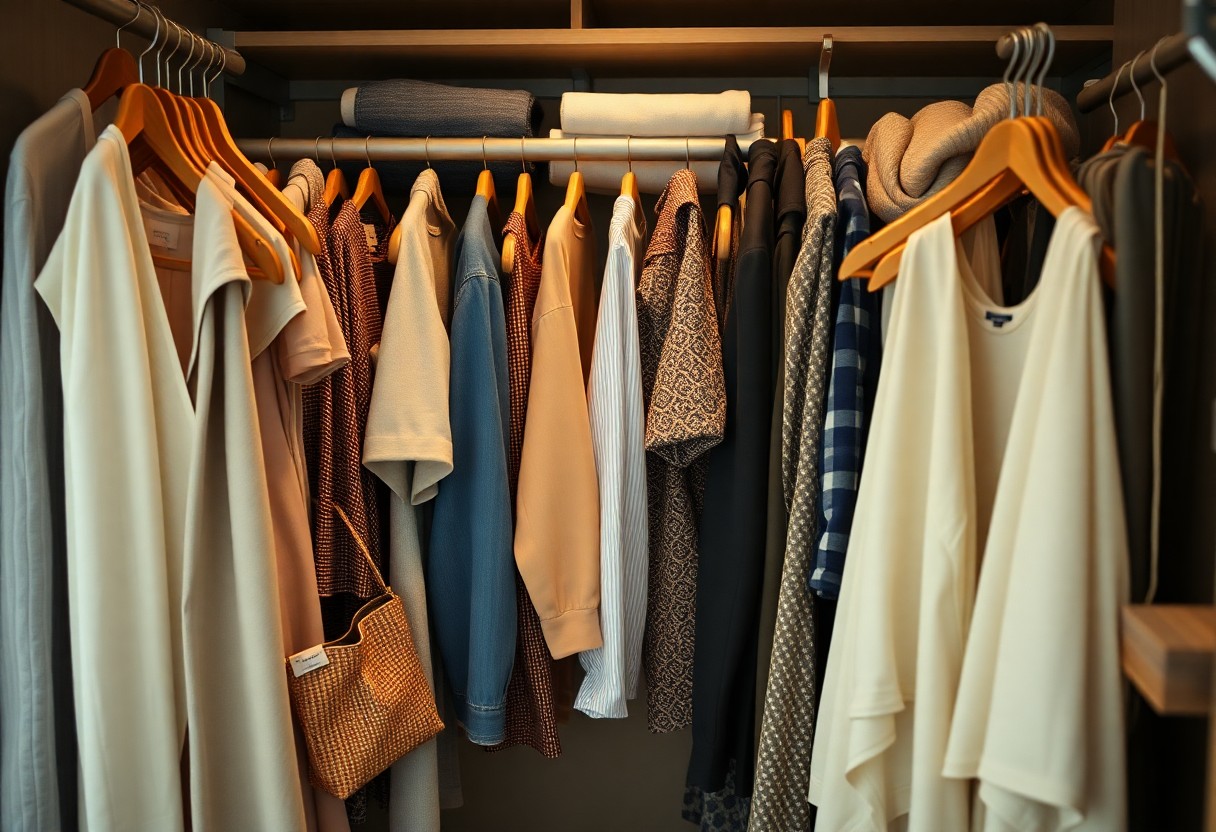
Before launching on the journey to a sustainable wardrobe, it is necessary to establish a clear understanding of your goals and motivations. You will want to consider the values and principles that guide your fashion choices, as well as the lifestyle and personal style you wish to maintain.

Defining Sustainable Fashion

Around the concept of sustainability, you are likely to find various interpretations and definitions. You will need to acquaint yourself with the notion that sustainable fashion encompasses not only environmental considerations, but also social and economic factors that influence the production and consumption of clothing.

Assessing Your Current Wardrobe

Currently, your closet may be filled with items that no longer serve you, and it is time to take stock of what you have. You will need to examine your garments, shoes, and accessories, and consider which pieces bring you joy, fit well, and align with your newly formed values.

With a discerning eye, you will begin to notice patterns and habits that have contributed to your current wardrobe. You will see which items have been worn frequently, and which have been relegated to the back of the closet, untouched for seasons. This examination will serve as a valuable lesson, allowing you to identify areas for improvement and make informed decisions as you move forward in building your sustainable wardrobe.
Building the Core

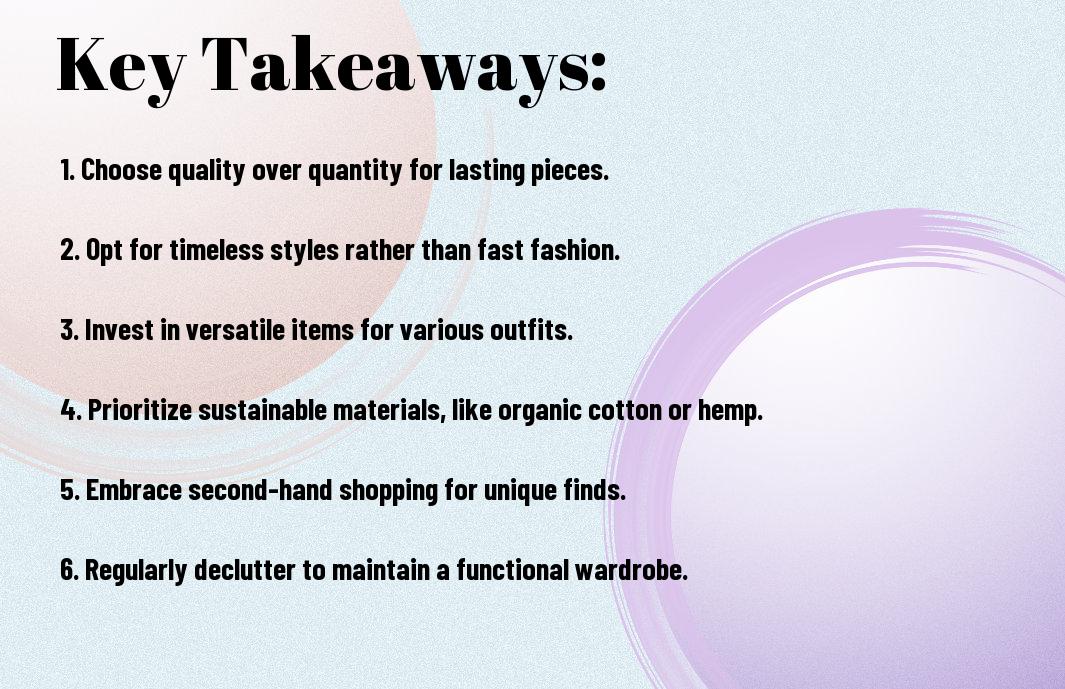
Assuming you have sorted through your existing wardrobe, it is now time to focus on building a solid foundation. You will want to create a core collection of pieces that can be mixed and matched to create a variety of outfits, reflecting your personal style and aesthetic.

Investing in Quality Pieces

Akin to acquiring a treasured heirloom, investing in quality pieces will serve you well in the long run. You will find that these items, though perhaps more expensive, will stand the test of time and Trends, becoming staples in your wardrobe.

Essential Items for a Sustainable Wardrobe

Across the seasons, you will find that certain items are universally flattering and versatile. You should consider incorporating these into your wardrobe, as they will provide a solid foundation for your sustainable fashion journey.

Pieces that are timeless, well-made, and complementary to your existing wardrobe will become the backbone of your sustainable wardrobe. You will find that with these vitals, you can create a multitude of outfits, from formal to casual, and that they will be worn time and time again, reducing the need for frequent purchases and waste.

Expanding Your Options

After establishing a solid foundation for your sustainable wardrobe, you can begin to explore new avenues for expansion, seeking out pieces that not only align with your values but also reflect your personal style and aesthetic, allowing you to express yourself with elegance and poise.

Exploring Different Styles and Trends

Prior to settling on a specific style, you will find that experimenting with various trends and silhouettes can be a delightful experience, enabling you to discover what truly suits your taste and flatters your figure, thereby helping you to cultivate a unique and refined sense of fashion.

Mixing and Matching for Versatility

Albeit a simple concept, combining different pieces to create multiple outfits is an art that requires some practice, but with patience and creativity, you will find that your wardrobe transforms into a treasure trove of possibilities, with each item serving as a building block for a myriad of stylish ensembles.

Your ability to mix and match pieces will depend on your willingness to think creatively and consider unexpected pairings, allowing you to extract the maximum potential from your garments and develop a wardrobe that is at once stylish, versatile, and uniquely yours, reflecting your personality and flair for fashion, as you navigate the world of sustainable style with confidence and aplomb.

Caring for Your Wardrobe

Your treasured garments deserve the utmost attention to detail, lest they suffer the slings of wear and tear.

Laundry and Maintenance Tips

For finer fabrics, consider the following:

  • Gentle cycles and mild detergents
  • Avoiding over-drying

After ensuring your garments are properly cleaned and stored, you will be able to enjoy them for years to come.

Repairing and Altering Damaged Items

Items that have been lovingly worn may occasionally require a stitch or two to maintain their integrity. You can learn to make these repairs yourself, or seek out a skilled tailor to do the work for you.

Damaged or ill-fitting pieces can be restored to their former glory with a bit of TLC, and you will find that the effort is well worth it, for a well-maintained wardrobe is a reflection of your personal style and attention to detail, and will serve you well for many seasons to come.

Sourcing Sustainable Materials

Despite the myriad of options available, selecting sustainable materials is a vital step in building a sustainable wardrobe. You will want to opt for materials that are gentle on the environment and align with your values.

Eco-Friendly Fabrics and Textiles

Alongside traditional materials, you may consider eco-friendly alternatives, such as organic cotton, recycled polyester, or plant-based textiles, which offer a more sustainable choice for your wardrobe.

Shopping Second-Hand and Vintage

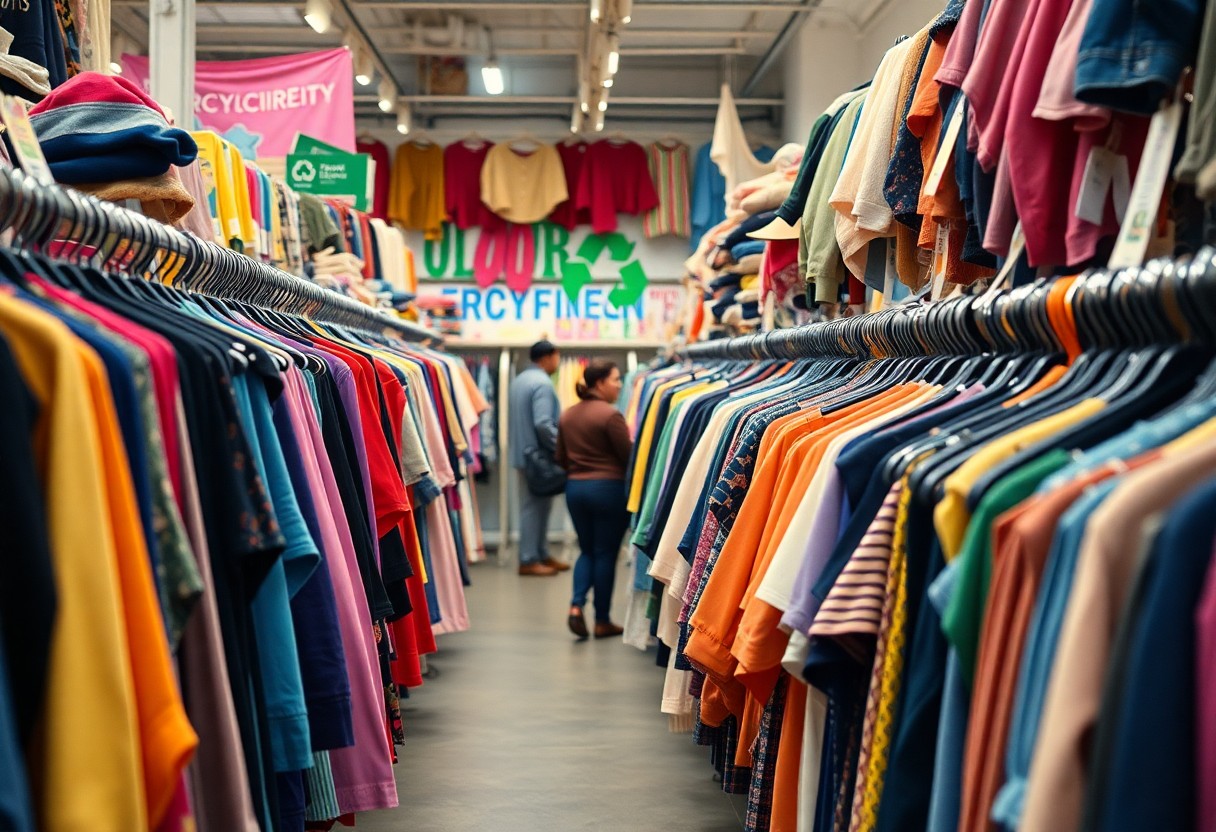
Sourcing pre-loved items can be a delightful way to refresh your wardrobe while reducing waste. You can find unique, high-quality pieces that reflect your personal style and contribute to a more circular fashion economy.

Plus, shopping second-hand and vintage allows you to develop a deeper appreciation for the history and craftsmanship behind each garment, and you will be able to curate a truly one-of-a-kind wardrobe that showcases your refined taste and commitment to sustainability.

Staying on Track

Not only is building a sustainable wardrobe a laudable goal, but maintaining it also requires diligence and dedication. You must be mindful of your purchases and ensure they align with your values and needs, lest your efforts be for naught.

Avoiding Fast Fashion Pitfalls

The tendency to succumb to fast fashion’s allure can be overwhelming, but you must steel yourself against its siren song. Your wallet and the environment will thank you for resisting the temptation of trendy, disposable garments.

Creating a Personalized Sustainability Plan

Perils of inconsistency can undermine even the best intentions, so you must craft a plan tailored to your lifestyle and preferences. Your plan should account for your needs, budget, and personal style to ensure a harmonious and sustainable wardrobe.

Due to the unique nature of your circumstances, your personalized plan will be a reflection of your values and priorities. You will need to assess your current wardrobe, identify areas for improvement, and set realistic goals for reducing waste and increasing sustainability. By doing so, you will be well on your way to creating a wardrobe that is not only stylish but also environmentally conscious and socially responsible, allowing you to navigate the complexities of fashion with ease and integrity.

Conclusion

Following this guide, you will have acquired the knowledge to construct a sustainable wardrobe that not only pleases your eyes, but also aligns with your values. Your thoughtful approach to fashion will yield a collection of garments that stand the test of time, and you will take pride in your thoughtful, eco-friendly choices, as you effortlessly navigate the world of sustainable style with elegance and poise.

FAQ

Q: What is the first step in building a sustainable wardrobe?

A: The first step in building a sustainable wardrobe is to assess your current closet and identify the items that are in good condition, fit well, and are suitable for your lifestyle. This involves taking stock of your existing clothes, shoes, and accessories, and deciding what you want to keep, donate, or discard. By doing so, you’ll be able to see what you already have, avoid duplicating purchases, and create a solid foundation for your sustainable wardrobe. Start by taking everything out of your closet, sorting items into categories, and being honest about which pieces make you feel confident and comfortable.

Q: How can I prioritize sustainability when purchasing new clothing items?

Q: How can I care for and maintain my sustainable wardrobe to make it last longer?

A: To extend the life of your sustainable wardrobe, it’s vital to care for and maintain your clothing items properly. This includes washing clothes in cold water, avoiding fabric softeners and bleach, and line-drying or tumble-drying on low heat. You should also consider repairing or altering items instead of throwing them away. Learn basic repair techniques such as hemming, darning, or patching, and take your clothes to a tailor or cobbler if needed. Furthermore, store your clothes in a cool, dry place, away from direct sunlight, and use acid-free tissue paper or cloth bags to prevent damage and deterioration. By taking these steps, you’ll be able to enjoy your sustainable wardrobe for years to come and reduce the need for frequent purchases.

Top Eco-Friendly Accessories for Everyday Use

You’re likely aware of the impact your daily choices have on the environment, and your accessories can make a difference. As you go about your daily routine, you can reduce your ecological footprint with simple swaps. Your everyday accessories, from bags to water bottles, can be eco-friendly and sustainable. You can make informed choices to protect the planet, and this post will guide you in discovering the best eco-friendly accessories for your daily use, helping you to live a more sustainable lifestyle.

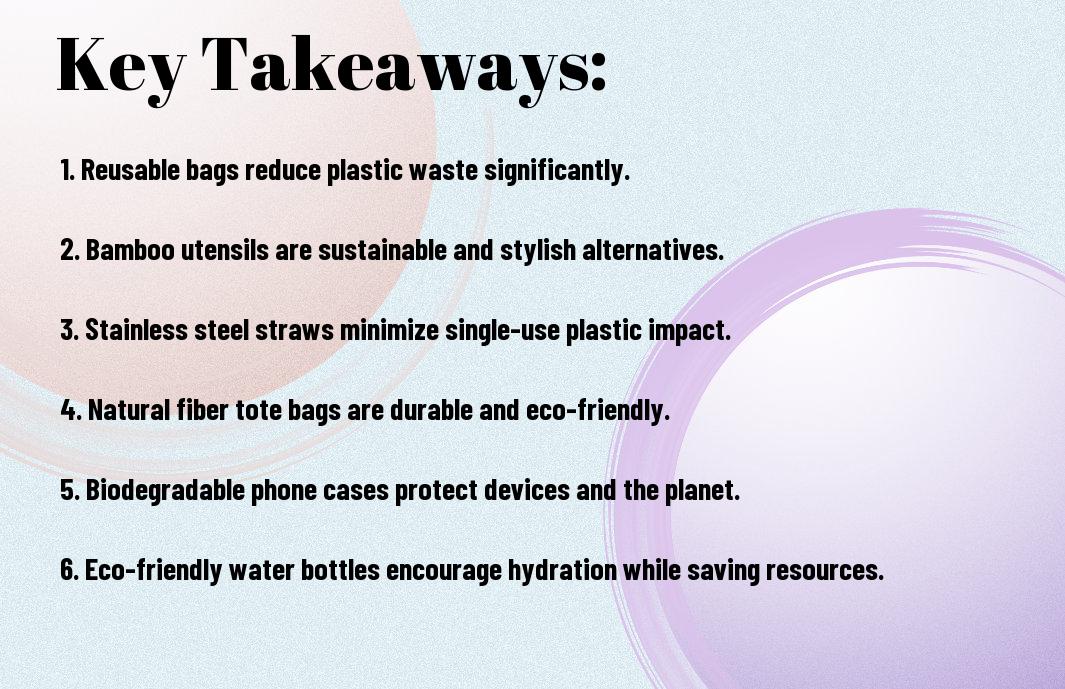
Key Takeaways:

To reduce our environmental footprint, incorporating eco-friendly practices into our daily lives is important. Here are some key points about top eco-friendly accessories for everyday use:

  • Using reusable bags and containers can significantly reduce plastic waste and minimize the amount of non-biodegradable materials in landfills and oceans.
  • Investing in sustainable fashion accessories, such as recycled jewelry and organic clothing, can help reduce the environmental impact of the fashion industry.
  • Choosing energy-efficient accessories like solar-powered chargers and LED lights can help reduce our reliance on fossil fuels and lower our carbon footprint.
  • Opting for refillable water bottles and coffee cups can help reduce single-use plastic waste and conserve natural resources.
  • Supporting brands that prioritize environmental responsibility and use eco-friendly materials in their products can promote a more sustainable future and encourage others to do the same.

Reusable Bags and Containers

Your daily routine can become more eco-friendly by incorporating reusable bags and containers into your everyday life.

Benefits of Reusable Bags

Along with reducing plastic waste, reusable bags offer numerous benefits, including durability and cost-effectiveness, making them a great alternative to single-use bags.

Types of Reusable Containers

Contained within your options are:

  • Stainless steel containers
  • Silicone containers

Perceiving the advantages of reusable containers, you can make an informed decision about which type to use.

Type Material
Stainless Steel Durable and non-toxic
Silicone Flexible and dishwasher safe
Cotton Breathable and biodegradable
Bamboo Sustainable and lightweight

It is worth noting that the type of reusable container you choose depends on your personal preferences and needs. You can select from various materials, such as:

  • Stainless steel
  • Silicone
  • Cotton

Perceiving the benefits of each material, you can make a decision that suits your lifestyle, and helps you stay eco-friendly.

Eco-Friendly Water Bottles

Some of the most effective ways you can reduce your plastic usage is by switching to eco-friendly water bottles, which are made from sustainable materials and designed to last. You can choose from a variety of styles and sizes to fit your needs.

Materials and Designs

For instance, you can opt for bottles made from stainless steel, glass, or bamboo, which are all durable and non-toxic. You can also consider bottles with innovative designs, such as collapsible or insulated bottles, to make them more convenient to use.

Impact on the Environment

By choosing eco-friendly water bottles, you are significantly reducing your contribution to plastic waste and helping to protect the environment. You are also setting an example for others to follow, which can lead to a bigger impact.

Impact of your choice of water bottle can be substantial, as it can help reduce the millions of plastic bottles that end up in landfills and oceans every year, and you can feel good about your decision to switch to a more sustainable option, knowing that you are making a positive difference.

Sustainable Fashion Accessories

Many of your daily fashion choices can have a significant impact on the environment, which is why opting for eco-friendly accessories is a great way to reduce your carbon footprint. You can make a difference by choosing accessories that are made from sustainable materials and produced with minimal waste.

Clothing Made from Recycled Materials

With the rise of eco-friendly fashion, you now have the option to choose clothing made from recycled materials, such as recycled polyester or nylon, which reduces the amount of waste sent to landfills and conserves natural resources.

Accessories with Minimal Waste

Sustainably, you can reduce your environmental impact by opting for accessories with minimal waste, such as scarves or hats made from repurposed or upcycled materials, which not only reduce waste but also add a unique touch to your outfit.

Another way to incorporate minimal waste accessories into your daily life is by choosing products with packaging that is fully biodegradable or recyclable, allowing you to enjoy your favorite fashion items while doing your part for the planet, and you can also consider buying accessories that can be easily repaired or reused, reducing the need for frequent purchases and waste.

Green Home and Office Essentials

Despite the growing awareness of environmental issues, many of your daily habits may still be harming the planet. You can make a significant impact by incorporating eco-friendly accessories into your daily life, starting with your home and office. By choosing sustainable products, you can reduce your carbon footprint and contribute to a healthier environment.

Energy-Efficient Lighting

Beneath the surface of traditional lighting options lies a more sustainable alternative. You can opt for energy-efficient LED bulbs, which use significantly less energy and last longer than traditional incandescent bulbs, helping you reduce your energy consumption and lower your utility bills.

Eco-Friendly Cleaning Products

Adjacent to the traditional cleaning products you use, there are eco-friendly alternatives that are just as effective. You can switch to cleaning products that are free from harsh chemicals and toxins, making your home a safer and healthier space for you and your family.

EcoFriendly cleaning products are not only better for the environment, but they can also improve your indoor air quality and overall well-being. You can explore a range of options, from natural disinfectants to biodegradable detergents, and make informed choices that align with your values and priorities, allowing you to create a more sustainable and healthier living space.

Innovative Eco-Friendly Tech Accessories

Unlike traditional tech accessories, eco-friendly options are gaining popularity, and you can make a positive impact on the environment by choosing them for your daily use.

Solar-Powered Chargers

Accessories like solar-powered chargers allow you to charge your devices on-the-go, using renewable energy from the sun, making them a great alternative to traditional chargers.

Biodegradable Phone Cases

Ecoconscious options such as biodegradable phone cases are made from plant-based materials, reducing electronic waste and minimizing your environmental footprint, giving you a guilt-free way to protect your phone.

Another benefit of biodegradable phone cases is that they are compostable, meaning you can dispose of them in an eco-friendly manner, and they will naturally decompose, reducing the amount of plastic waste in landfills, making them a great choice for you and the planet.

Everyday Actions for a Greener Tomorrow

After making a few simple switches to eco-friendly accessories, you can significantly reduce your environmental footprint. By incorporating these small changes into your daily routine, you will be contributing to a more sustainable future.

Simple Changes in Daily Habits

Beside the obvious benefits of using eco-friendly accessories, you can also make a positive impact by adjusting your daily habits, such as using public transport or carpooling, which can greatly reduce your carbon footprint, allowing you to live a more environmentally-friendly lifestyle.

Community Involvement

Around your neighborhood, you can get involved in local initiatives that promote sustainability, encouraging your community to adopt eco-friendly practices, and inspiring others to join you in making a positive impact on the environment.

Due to your participation in community involvement, you will not only be contributing to a greener tomorrow, but also setting an example for others to follow, and as you continue to make eco-friendly choices, you will be influencing those around you to do the same, creating a ripple effect that can lead to significant positive change.

To wrap up

Hence, as you consider incorporating eco-friendly accessories into your daily life, you’ll find that these options can significantly impact your environmental footprint. You can make a difference by choosing your accessories wisely, and with the top eco-friendly accessories, you can reduce waste and live more sustainably. By opting for these alternatives, you will contribute to a healthier planet, and your efforts will have a positive impact on the environment, making your everyday choices more eco-conscious.

FAQ

Q: What are some top eco-friendly accessories that I can use for everyday activities?

A: Some top eco-friendly accessories for everyday use include reusable water bottles, tote bags, and bamboo toothbrushes. These accessories are made from sustainable materials, are durable, and can be used multiple times, reducing the need for single-use plastics and other non-biodegradable materials. Additionally, you can also consider using beeswax wraps, stainless steel straws, and refillable coffee cups to reduce your daily waste.

Q: How can I incorporate eco-friendly accessories into my daily routine without breaking the bank?

A: Incorporating eco-friendly accessories into your daily routine doesn’t have to be expensive. Start by replacing one or two single-use items with eco-friendly alternatives, such as switching to a reusable water bottle or bringing a tote bag for grocery shopping. You can also look for affordable options at local thrift stores or online marketplaces. Many eco-friendly accessories, such as cloth bags and stainless steel straws, can be found at affordable prices and can pay for themselves over time by reducing your need for disposable products.

Q: What are some benefits of using eco-friendly accessories, and how can they impact the environment?

A: Using eco-friendly accessories can have a significant impact on the environment by reducing waste, conserving natural resources, and decreasing greenhouse gas emissions. For example, using a reusable water bottle can save hundreds of single-use plastic bottles from ending up in landfills and oceans each year. Additionally, choosing eco-friendly accessories made from sustainable materials, such as bamboo or recycled materials, can help reduce deforestation, pollution, and climate change. By making the switch to eco-friendly accessories, you can contribute to a more sustainable future and help protect the environment for future generations.

The Benefits of Wearing Green Products

As you consider your daily fashion choices, you may want to think about the impact of your wardrobe on the environment. You can make a positive change by incorporating green products into your daily wear. Wearing eco-friendly clothing can have numerous benefits for your health and the planet. Your decision to go green can significantly reduce your carbon footprint and exposure to harmful chemicals, allowing you to live a more sustainable lifestyle.

Key Takeaways:

To summarize the advantages of incorporating green products into your daily life, consider the following points:

  • The use of eco-friendly products can significantly reduce your carbon footprint, contributing to a more sustainable environment.
  • Natural and organic materials used in green products are often hypoallergenic, making them a great option for individuals with sensitive skin.
  • Investing in durable and long-lasting green products can help reduce waste and decrease the need for frequent replacements, saving you money in the long run.
  • Choosing green products supports companies that prioritize environmental responsibility, promoting a healthier planet for future generations.
  • Wearing green products made from renewable resources can also contribute to a circular economy, where materials are continuously cycled back into production, minimizing pollution and conserving natural resources.

Benefits for the Environment

The choice to wear green products has a significant impact on the environment, allowing you to contribute to a more sustainable future. By opting for eco-friendly clothing, you reduce your carbon footprint and help minimize harm to the planet.

Reducing Waste

Above all, wearing green products helps decrease the amount of waste generated by the fashion industry, which you can feel good about as you make a positive impact on the environment.

Conserving Resources

The üretim of green products focuses on using environmentally friendly materials, which helps conserve your planet’s resources, ensuring that you have a better future.

This approach to conserving resources also involves using recycled materials, reducing water consumption, and implementing sustainable manufacturing processes, all of which you can support by choosing to wear green products, thereby contributing to a more environmentally conscious lifestyle.

Health Advantages

Some of the most significant benefits of wearing green products are related to your health. You can reduce your exposure to harmful chemicals and toxins, which are commonly found in conventional clothing and textiles.

Minimizing Toxins

One of the primary ways green products promote health is by minimizing your exposure to toxins. You can avoid harming your skin and overall well-being by choosing eco-friendly clothing and textiles.

Promoting Well-being

By opting for green products, you are taking a significant step towards promoting your overall well-being. You can feel good about what you’re wearing, knowing it’s not harming your health or the environment.

To further enhance your well-being, consider the psychological benefits of wearing green products. You will likely feel more confident and comfortable in your own skin, knowing that your clothing choices are aligned with your values and promote a healthier lifestyle. This, in turn, can have a positive impact on your mental health and overall quality of life.

Fashion and Style

Keep in mind that wearing green products can elevate your style and make a statement. You can incorporate green into your wardrobe with accessories, clothing, or shoes, adding a pop of color to your outfit.

Current Trends

Any fashion enthusiast knows that green is a trending color this season. You can stay on top of the latest trends by incorporating green into your wardrobe, from olive green jackets to green suede shoes.

Timeless Designs

Beneath the surface of fast fashion, you’ll find that green products can also be timeless. You can invest in classic green pieces that won’t go out of style, such as a green cashmere sweater or a green leather handbag.

And as you explore the world of timeless green designs, you’ll discover that these pieces can be mixed and matched with various items in your wardrobe, creating a versatile and chic look that’s uniquely yours. You can pair your green sweater with a flowy skirt or your green handbag with a little black dress, making it easy to create a stylish outfit that showcases your personal style.

Economic Impact

After making the switch to green products, you will be contributing to the growth of the eco-friendly market, which can have a positive impact on your local economy and the environment.

Supporting Eco-Friendly Brands

Approximately, by choosing to wear green products, you are supporting brands that prioritize the well-being of the planet and its inhabitants, which can lead to a more sustainable future for your community.

Encouraging Sustainable Practices

For instance, when you opt for eco-friendly clothing, you are promoting environmentally responsible manufacturing processes and encouraging other companies to follow suit, which can lead to a significant reduction in waste and pollution.

The benefits of encouraging sustainable practices through your purchasing decisions can have a lasting impact on the environment, as you are influencing the demand for eco-friendly products and driving innovation in the industry, ultimately helping to create a better future for yourself and future generations.

Social Influence

Not only do green products benefit the environment, but they also have a significant impact on your social influence. You can learn more about The Benefits of Eco-Friendly Products and how they can shape your social standing.

Raising Awareness

The shift towards green products raises awareness about the importance of sustainability, and as you make eco-friendly choices, you contribute to a larger movement towards a more environmentally conscious society.

Inspiring Change

Raising the bar for eco-friendly living, you inspire others to follow in your footsteps, creating a ripple effect that can lead to significant positive change in your community.

Considering the impact of your daily choices, you can make a significant difference by incorporating green products into your daily life, and as you do, you will be Inspiring Change in those around you, encouraging them to make similar choices and contributing to a more sustainable future.

Practical Applications

For many of you, incorporating green products into your daily life can seem daunting, but it’s actually quite straightforward. You can start by making small changes to your daily routine and purchasing habits, which can have a significant impact on the environment.

Everyday Products

Across various aspects of your life, you can find green alternatives to traditional products, such as reusable bags, bamboo toothbrushes, and refillable water bottles, making it easy to reduce your waste and carbon footprint.

Innovative Solutions

Practically speaking, innovative green products are being developed to make your life more sustainable, such as solar-powered chargers and eco-friendly clothing, which can be easily integrated into your daily life, allowing you to contribute to a more environmentally friendly future.

Even as you explore the world of green products, you’ll discover that innovative solutions are constantly emerging, offering you new and exciting ways to reduce your environmental impact, from biodegradable packaging to energy-efficient appliances, allowing you to make a positive difference in the world around you.

To wrap up

Ultimately, you can make a significant impact on the environment by incorporating green products into your daily life. By choosing eco-friendly options, you reduce your carbon footprint and contribute to a sustainable future. Your decision to wear green products not only benefits the planet, but also enhances your own well-being, as you support responsible and ethical manufacturing practices. You can feel good about your fashion choices, knowing you are making a positive difference.

FAQ

Q: What are the environmental benefits of wearing green products?

A: Wearing green products has numerous environmental benefits. Green products are made from sustainable materials, which reduce the amount of waste and pollution generated by the fashion industry. Additionally, green products are designed to be durable and long-lasting, reducing the need for frequent purchases and the resulting waste. By choosing green products, individuals can significantly reduce their carbon footprint and contribute to a more sustainable future.

Q: How can wearing green products improve my health and wellbeing?

A: Wearing green products can have a positive impact on both physical and mental health. Green products are often made from natural fibers, which are gentle on the skin and can help to reduce irritation and allergies. Furthermore, many green products are designed with built-in features such as UV protection, moisture-wicking, and breathable fabrics, which can help to regulate body temperature and prevent the growth of bacteria. By wearing green products, individuals can enjoy improved comfort, reduced skin irritation, and a lowered risk of health problems.

Q: Can wearing green products make a statement about my personal style and values?

A: Absolutely, wearing green products can be a powerful way to express your personal style and values. Green products often feature unique and innovative designs, which can add a touch of elegance and sophistication to any outfit. By choosing green products, individuals can demonstrate their commitment to sustainability and environmental responsibility, making a statement about their values and priorities. Moreover, wearing green products can also inspire conversations and connections with like-minded individuals, helping to build a community of people who share a passion for sustainability and eco-friendly living.

How to Spot Truly Sustainable Fashion Brands

As you navigate the vast expanse of the fashion world, you may find yourself bewildered by the plethora of brands claiming to be sustainable. But, dear reader, do not be swayed by empty promises. Your discerning eye must be trained to distinguish between genuine eco-friendly endeavours and mere marketing ploys. In this guide, you will discover the telltale signs of truly sustainable fashion brands, allowing you to make informed choices that align with your values and contribute to a more refined, responsible approach to style.

Key Takeaways:

To identify genuine sustainable fashion brands, consider the following points:

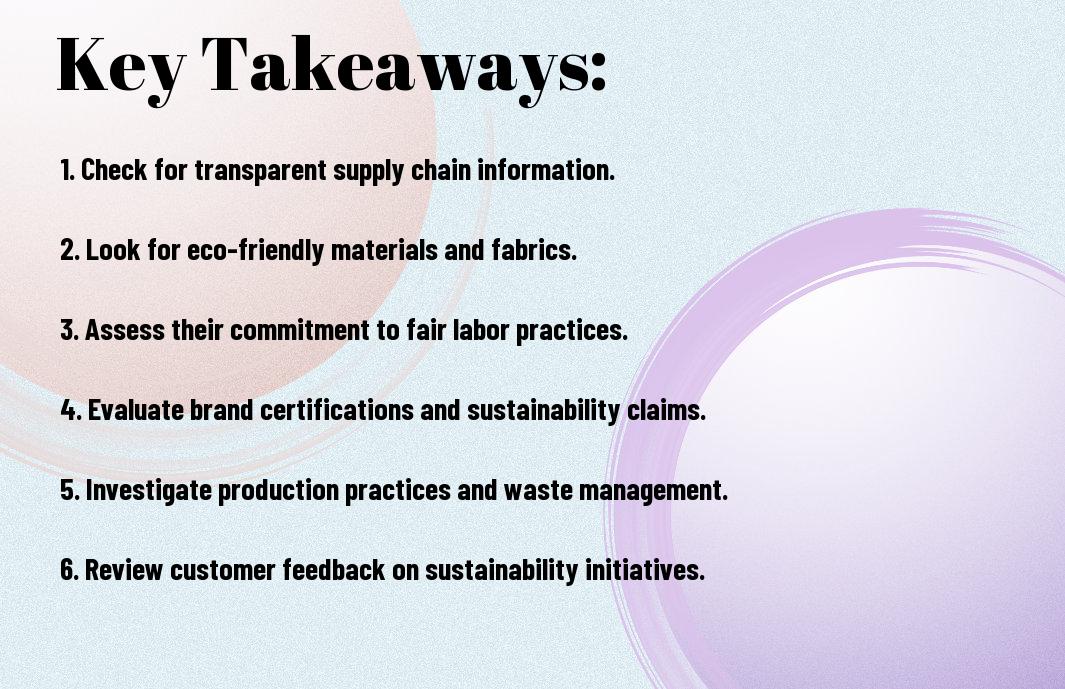
  • Look for brands that prioritize transparency, providing clear information about their supply chain, manufacturing processes, and environmental policies.
  • Check if the brand has obtained certifications such as GOTS, Oeko-Tex, or Bluesign, which ensure compliance with environmental and social standards.
  • Assess the brand’s material sourcing, opting for those that use recycled, organic, or regenerated materials, and avoid those that contribute to deforestation or pollution.
  • Investigate the brand’s labor practices, ensuring that they promote fair wages, safe working conditions, and equal opportunities for all employees.
  • Evaluate the brand’s end-of-life policies, such as garment recycling programs or take-back initiatives, which encourage circularity and reduce waste.

Key Principles

Before delving into the world of sustainable fashion, you must understand the fundamental principles that guide your purchasing decisions, ensuring your choices align with your values and promote a more environmentally-friendly industry.

Environmental Impact

Along with the growing awareness of climate change, you are likely to encounter brands that prioritize reducing waste, using recycled materials, and implementing practices that minimize harm to the environment, allowing you to make informed choices that support your eco-conscious lifestyle.

Social Responsibility

Before committing to a brand, you should investigate their stance on social responsibility, considering factors such as fair labor practices, safe working conditions, and community involvement, which can significantly influence your perception of the brand’s overall sustainability.

Environmental concerns often intersect with social responsibility, as you will find that brands prioritizing fair labor practices also tend to adopt more eco-friendly production methods, demonstrating a comprehensive approach to sustainability that considers both the well-being of people and the planet, enabling you to make thoughtful decisions that align with your values.

Transparency

One of thekey indicators of a sustainable fashion brand is its willingness to be open about its practices. You should look for brands that provide detailed information about their production processes, allowing you to make informed decisions about your purchases.

Supply Chain Disclosure

On the subject of transparency, you will want to investigate whether a brand discloses its supply chain. You can often find this information on the brand’s website, where they may publish a list of their suppliers and manufacturers, giving you insight into their business practices.

Materials Sourcing

About the materials used in your clothing, you may wonder where they come from. You should consider brands that clearly state the origin of their materials, as this can impact the environment and the people involved in the production process.

A closer look at materials sourcing will also help you understand the brand’s commitment to sustainability. As you research deeper, you will find that some brands prioritize environmentally-friendly materials, such as organic cotton or recycled fabrics, while others may overlook the environmental impact of their sourcing practices, allowing you to make a more informed decision about the brands you support.

Certifications

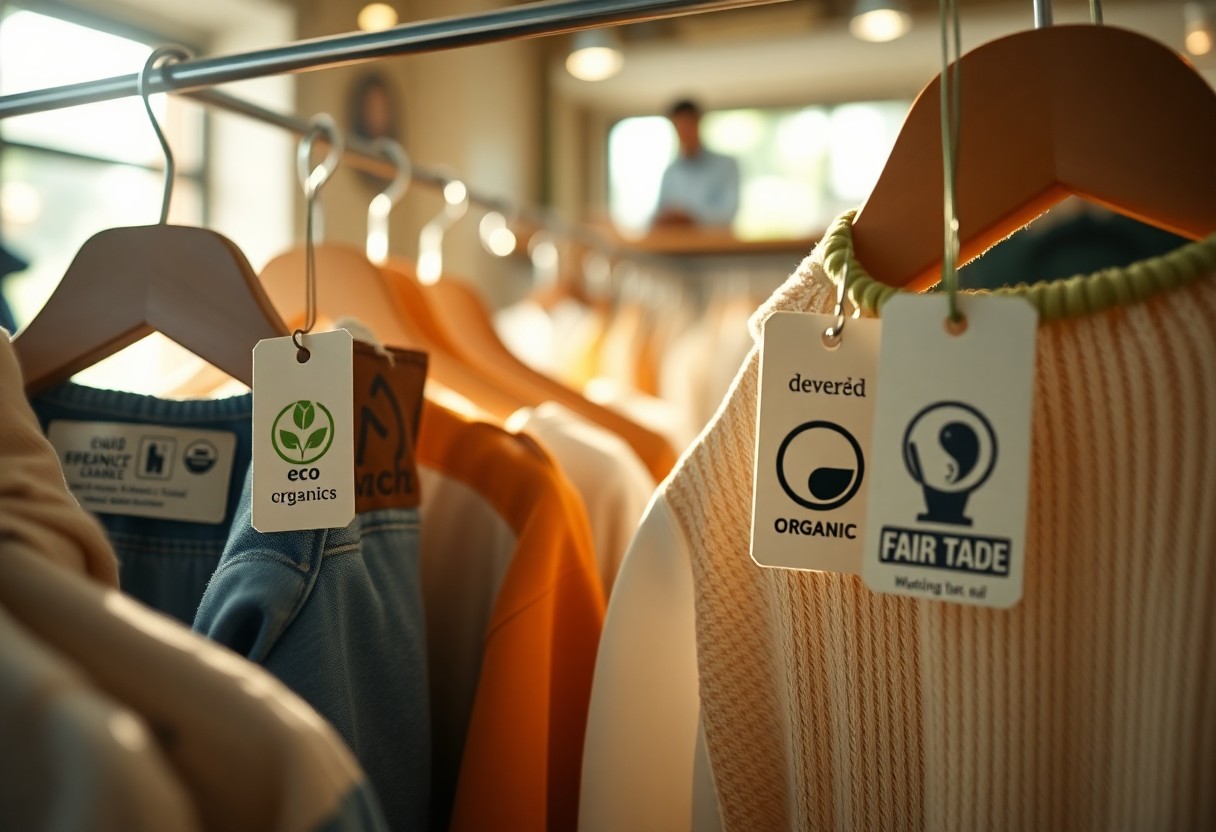
Not all fashion brands are created equal, and certifications can help you distinguish between those that are truly sustainable and those that are merely pretending to be. As you navigate the complex world of sustainable fashion, you will encounter various certifications that attest to a brand’s commitment to environmental and social responsibility.

Eco-Labels

Alongside other markers of sustainability, an array of eco-labels can provide you with valuable insights into a brand’s eco-friendly practices. You will find that labels such as GOTS or Oeko-Tex guarantee that the brand’s products meet rigorous environmental standards.

Fair Trade Certifications

Following your investigation into eco-labels, after verifying a brand’s commitment to environmental sustainability, you should also look for fair trade certifications. You can trust that brands bearing fair trade certifications prioritize the well-being of their workers and engage in ethical business practices.

Plus, as you probe deeper into the world of fair trade certifications, you will discover that they not only ensure fair wages and safe working conditions but also promote sustainable livelihoods and community development, allowing you to make a positive impact with your fashion choices, and contributing to a more equitable fashion industry, one that values both people and the planet, and you will find that your purchases are not only a reflection of your personal style but also a testament to your values and commitment to creating a better world.

Red Flags

For your own discernment, it is crucial to be aware of the pitfalls that can lead you astray in your pursuit of sustainable fashion. You must be vigilant in your research, lest you fall prey to deceptive tactics.

Greenwashing

Across the vast expanse of the fashion industry, you will encounter numerous brands that claim to be sustainable, but in reality, are merely employing clever marketing ploys to deceive you. You should be cautious of such tactics, which can be detrimental to your noble pursuit of environmentally friendly fashion.

Lack of Accountability

About the time you start to scrutinize a brand’s sustainability claims, you will likely come across vague statements and a lack of concrete evidence to support their assertions. You may find yourself wondering if they are truly committed to sustainability or simply paying lip service to the concept.

At the heart of the matter, a lack of accountability can be a significant obstacle in your quest for sustainable fashion. You see, when a brand fails to provide transparency in their practices and supply chain, it becomes increasingly difficult for you to make informed decisions about the clothing you purchase, and you may inadvertently contribute to the very problems you seek to avoid, thus undermining your own values and principles.

Research Methods

Your quest for sustainable fashion begins with thorough research, and a helpful tool is Good On You – Sustainable Fashion and Beauty Brand Ratings, which provides valuable insights into a brand’s commitment to sustainability.

Online Reviews

Ordinarily, online reviews from multiple sources can provide a well-rounded view of a brand’s sustainability efforts, allowing you to make informed decisions about the brands you support.

Brand Reports

Approximately, brand reports can offer a detailed look into a company’s practices, giving you a clearer understanding of their values and mission.

Reviews of brand reports often highlight the strengths and weaknesses of a company’s sustainability initiatives, enabling you to assess whether their values align with your own, and make purchasing decisions that reflect your commitment to sustainable fashion.

Making Informed Choices

Once again, you find yourself at the forefront of a most noble pursuit: navigating the complexities of sustainable fashion. As you launch on this journey, you will discover that making informed choices is the cornerstone of a more conscientious approach to style.

Reading Labels

With a discerning eye, you will begin to scrutinize the labels on your garments, searching for telltale signs of eco-friendly practices and responsible sourcing. Your attention to detail will serve you well in this endeavor.

Asking Questions

Above all, you must be willing to inquire about the practices and policies of your favorite brands, for it is through such diligence that you will uncover the truth about their commitment to sustainability.

Asking questions is an vital part of your journey towards a more sustainable wardrobe. You will want to inquire about the materials used, the manufacturing processes, and the treatment of workers involved in the production of your clothing. By doing so, you will be able to make more informed decisions about the brands you choose to support, and ultimately, cultivate a more thoughtful approach to your fashion choices.

Final Words

On the whole, you will find that discerning truly sustainable fashion brands requires a keen eye for detail and a commitment to your values. As you navigate the complex world of fashion, you will be well served by your newfound knowledge, enabling you to make informed choices that align with your conscience and your sense of style. Your thoughtful approach will ultimately contribute to a more equitable and environmentally mindful industry, and for that, you should be justly proud.

FAQ

Q: What are some key indicators of a truly sustainable fashion brand?

A: When looking for a sustainable fashion brand, there are several indicators to look out for. First, check if the brand uses environmentally-friendly materials, such as organic cotton, recycled polyester, or Tencel. Additionally, look for brands that prioritize reducing waste, using techniques such as upcycling or zero-waste design. Transparency is also key, so look for brands that openly share information about their supply chain, manufacturing processes, and environmental impact. Finally, consider brands that adopt a slow fashion approach, encouraging customers to buy fewer, higher-quality items that will last longer.

Q: How can I verify the sustainability claims made by a fashion brand?

A: Verifying sustainability claims can be challenging, but there are several steps you can take. First, look for third-party certifications such as GOTS (Global Organic Textile Standard), Bluesign, or Oeko-Tex, which indicate that the brand meets certain environmental and social standards. You can also check the brand’s website for detailed information about their sustainability practices, such as their environmental policies, supply chain management, and worker welfare initiatives. Another approach is to check independent reviews and ratings from organizations such as the Fashion Transparency Index or the Good On You app, which evaluate fashion brands based on their sustainability and ethical performance.

Q: What role do I, as a consumer, play in promoting sustainable fashion, and how can I make a positive impact?

A: As a consumer, you play a significant role in promoting sustainable fashion by making informed purchasing decisions. Start by buying second-hand or renting clothing, which reduces the demand for new, resource-intensive garments. When buying new, choose brands that prioritize sustainability, and consider the lifespan of the garment – will it be worn frequently, or is it likely to end up in a landfill after a few uses? You can also care for your clothes in a way that extends their lifespan, such as washing them in cold water, avoiding fabric softener, and repairing them when they become damaged. Finally, support brands that adopt circular business models, such as clothing take-back programs or garment recycling initiatives, which help to reduce waste and promote a more circular fashion industry.

Why Second-Hand Clothes Are Green Choices

As you ponder the particulars of your wardrobe, you may find yourself contemplating the environmental impact of your fashion choices. Your desire to stay stylish need not come at the expense of the planet, for a most sensible solution lies in embracing second-hand clothes. By opting for pre-loved garments, you shall not only refresh your own style, but also contribute to a more sustainable future, one outfit at a time, with the added benefit of discovering unique and character-filled pieces that reflect your refined taste.

Key Takeaways:

To understand the environmental benefits of choosing second-hand clothes, consider the following points:

  • Buying second-hand clothes reduces the demand for new, resource-intensive garments, which requires significant amounts of water, energy, and land to produce.
  • Choosing pre-owned clothing helps to decrease the amount of waste generated by the fashion industry, as it reduces the need for new clothing production and minimizes the likelihood of clothes ending up in landfills.
  • Sustainable fashion practices, such as purchasing second-hand clothes, support a more circular economy, where resources are used for longer, and waste is minimized.
  • Buying second-hand clothes also promotes eco-friendly consumption habits, as it encourages consumers to prioritize the reuse and recycling of existing garments, rather than constantly purchasing new ones.
  • By opting for pre-loved clothing, individuals can make a positive impact on the environment, while also developing a more conscious and responsible approach to their fashion choices.

Environmental Benefits

To make informed choices, you must consider the impact of your wardrobe on the planet. Second-hand clothes offer a more sustainable option, reducing your carbon footprint and promoting eco-friendly fashion.

Reduced Waste

Around the globe, you will find that buying second-hand clothes significantly decreases the amount of waste generated by the fashion industry, allowing you to contribute to a cleaner environment.

Conservation of Resources

Among the numerous advantages of second-hand shopping, you will discover that it conserves valuable resources such as water and energy, which are often exploited in the production of new garments.

The conservation of resources is a significant benefit of choosing second-hand clothes, as you will be reducing the demand for new, resource-intensive clothing, thereby preserving the world’s precious resources for future generations, and allowing you to take pride in your thoughtful and environmentally conscious decisions.

Assuming you are looking for ways to reduce your expenses, opting for second-hand clothes can be a prudent decision. You will not only save money but also contribute to a more sustainable fashion industry.

Affordable Fashion

Across the board, second-hand shopping offers a wide range of stylish and affordable clothing options, allowing you to revamp your wardrobe without breaking the bank.

Supporting Local Communities

Affordably priced and often of high quality, second-hand clothes can be found in local thrift stores, which in turn support your community by providing jobs and generating revenue.

To further support local communities, you can also consider donating your gently used clothes to these stores or participating in local clothing swaps, which not only helps to reduce waste but also fosters a sense of connection among community members, as you engage in a collective effort to promote sustainability and social responsibility.

Social Impact

Despite the numerous environmental benefits, the social impact of second-hand clothes is also noteworthy, as you participate in reducing waste and supporting sustainable fashion practices, which can have a profound effect on your community and the world at large.

Promoting Sustainability

Around the time you decide to opt for second-hand clothing, you are making a conscious choice to promote sustainability, and by doing so, you are setting an example for others to follow, encouraging a cultural shift towards more mindful consumption habits.

Challenging Fast Fashion

Following your decision to embrace second-hand fashion, you are necessaryly challenging the fast fashion industry’s exploitative practices, which prioritize profits over people and the planet, and by making this choice, you are taking a stand against the status quo.

And as you explore deeper into the world of second-hand clothing, you will discover that it is not just a practical and affordable way to refresh your wardrobe, but also a powerful statement against the throwaway culture that has become synonymous with fast fashion, allowing you to redefine your relationship with clothing and your place within the fashion industry, and ultimately, to make a positive impact on the world around you.

Personal Style

After embracing second-hand clothes, you will discover a new aspect of your wardrobe. You can express your individuality and showcase your unique taste, all while being environmentally conscious.

Unique Fashion Sense

Personifying your own style, you can curate a wardrobe that reflects your personality, with one-of-a-kind pieces that set you apart from the crowd, and make you feel confident in your own skin.

Quality Over Quantity

At the heart of sustainable fashion lies the notion that investing in a few, well-made items is more desirable than accumulating a plethora of cheap, trendy garments. You will find that your second-hand purchases are often of superior quality, and will remain a staple in your wardrobe for years to come.

Another advantage of prioritizing quality over quantity is that you will develop a more discerning eye for what truly suits your taste and needs. As you navigate the world of second-hand shopping, you will begin to appreciate the craftsmanship and attention to detail that goes into creating timeless, high-quality garments, and your wardrobe will undoubtedly benefit from this newfound appreciation, allowing you to cultivate a personal style that is both elegant and enduring.

Online Platforms

All your second-hand clothing needs can be met online, where a plethora of platforms cater to your desire for sustainable fashion. You can browse through various websites, discovering unique pieces that not only reduce waste but also add a touch of individuality to your wardrobe.

Virtual Thrift Stores

With the rise of online thrift stores, you can now indulge in guilt-free shopping from the comfort of your own home. You can sift through curated collections, finding hidden gems that align with your personal style and values, all while contributing to a more environmentally friendly fashion industry.

Social Media Marketplaces

Marketplaces like Facebook and Instagram have become hubs for buying and selling second-hand clothes, allowing you to connect with others who share your passion for sustainable fashion. You can join groups, follow accounts, and engage with like-minded individuals, all while expanding your wardrobe with pre-loved treasures.

Thrift shopping on social media marketplaces offers you a unique opportunity to not only update your wardrobe but also to be part of a community that values the environment. You can share your own pre-loved items, learn about new trends, and discover innovative ways to style your second-hand finds, all while making a positive impact on the planet. As you launch on this virtual thrift shopping journey, you will find that your choices are not only fashionable but also forward-thinking, reflecting your desire to live a more sustainable lifestyle.

Challenges and Solutions

Unlike other eco-friendly options, adopting second-hand clothes comes with its own set of challenges, but you can overcome them by being mindful of your purchasing habits and taking a few simple steps.

Quality Control

Sensibly, you will want to ensure the second-hand clothes you purchase are of good quality, which can be achieved by inspecting the items carefully before buying and opting for reputable sellers.

Education and Awareness

After making the decision to choose second-hand clothes, you will likely want to learn more about the benefits and best practices, and fortunately, there are numerous resources available to help you navigate this sustainable fashion choice.

At the heart of your journey to embrace second-hand clothes is the need to educate yourself about the environmental and social impact of the fashion industry, and by doing so, you will become more discerning in your purchasing decisions, allowing you to make a positive difference with your wardrobe choices.

Final Words

Now, as you consider the merits of your wardrobe, you may find that opting for second-hand clothes is a decision that not only benefits your purse, but also the environment. By choosing pre-loved garments, you significantly reduce your carbon footprint, and your thoughtful consumption contributes to a more sustainable future. Your discerning taste, thus, becomes a virtue, as you join the ranks of the enlightened few who prioritize the well-being of the planet, and, in doing so, define your own elegance.

FAQ

Q: What makes second-hand clothes a green choice?

A: Second-hand clothes are a green choice because they reduce the demand for new, resource-intensive clothing. The production of new clothes requires large amounts of water, energy, and land, and generates significant greenhouse gas emissions. By choosing second-hand clothes, consumers can help minimize the environmental impact of the fashion industry, which is one of the largest polluters in the world. Additionally, second-hand clothes help reduce waste, as they are often donated or recycled, rather than ending up in landfills.

Q: How do second-hand clothes reduce waste and support sustainable fashion?

A: Second-hand clothes reduce waste by extending the life of existing garments, rather than discarding them after a short period of use. This approach, known as the “sharing economy,” helps to decrease the amount of textile waste that ends up in landfills. Sustainable fashion is also supported through second-hand clothes, as it promotes the idea of valuing and caring for existing garments, rather than constantly buying new ones. By embracing second-hand clothes, consumers can help to shift the focus of the fashion industry towards more sustainable and environmentally-friendly practices.

Q: What are the benefits of choosing second-hand clothes over fast fashion?

A: Choosing second-hand clothes over fast fashion has numerous benefits, both for the environment and for the consumer. Second-hand clothes are often of higher quality and more durable than fast fashion items, which means they can be worn for longer periods of time. Additionally, second-hand clothes are often unique and one-of-a-kind, allowing consumers to express their personal style and stand out from the crowd. Furthermore, buying second-hand clothes is often more budget-friendly than purchasing new, fast fashion items, making it a more accessible and affordable option for many consumers.

Skip to content