Brands

Top Brands Making Sustainable Products

You’re looking for ways to make a positive impact on the environment, and your purchasing decisions can be a powerful tool. You want to support brands that share your values. Check out The Game Changers: 50 Top Sustainable Brands to discover companies making a difference. You’ll find innovative products that not only reduce waste but also promote eco-friendly living, helping you make informed choices for your lifestyle.

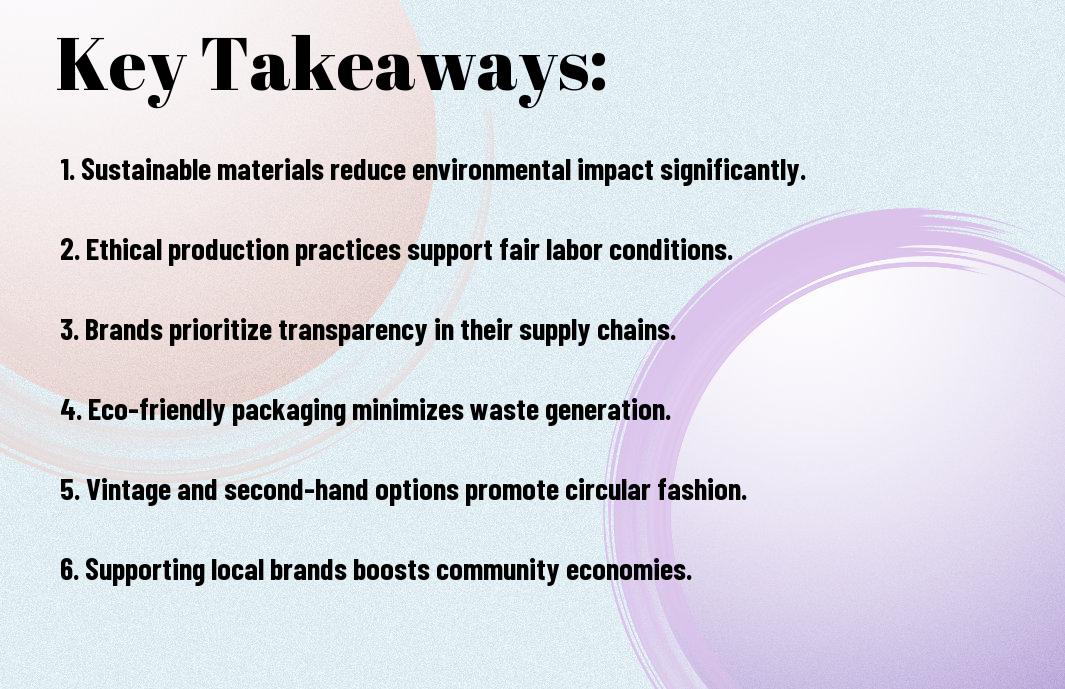
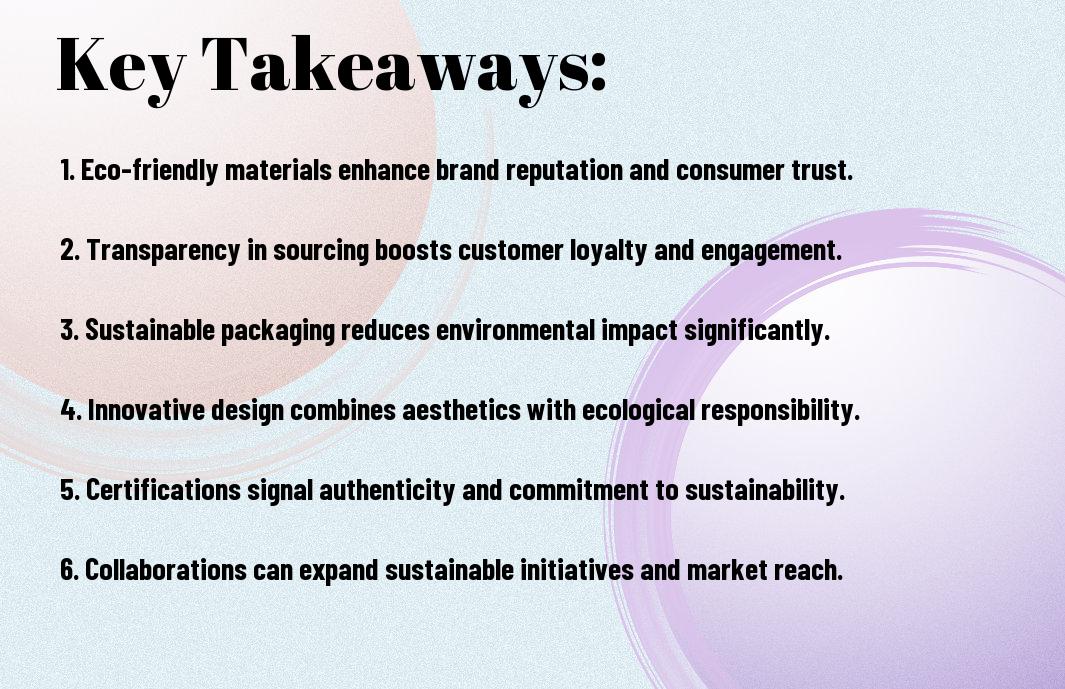
Key Takeaways:

To stay ahead in the market, many top brands are focusing on sustainability and eco-friendliness. Here are some key points about top brands making sustainable products:

  • Top brands are incorporating renewable materials into their products to reduce their carbon footprint and promote environmental conservation.
  • Many brands are adopting circular business models, which involve designing products and services that are restorative and regenerative by design.
  • Innovative technologies are being used by top brands to develop sustainable packaging solutions that reduce waste and minimize pollution.
  • Some top brands are focusing on sustainable manufacturing processes, which involve using renewable energy sources and reducing water consumption.
  • Top brands are also emphasizing transparency and accountability in their sustainability reporting, which helps to build trust with their customers and stakeholders.

Leading the Way

Your search for sustainable products leads you to brands that prioritize the planet. They’re making a difference with eco-friendly materials and practices.

Patagonia’s Environmental Efforts

Eco-friendly practices are at the core of Patagonia’s mission. You see this in their use of recycled materials and regenerative farming methods.

Reformation’s Sustainable Fashion

Efficient practices drive Reformation’s approach to sustainable fashion. You notice this in their transparent supply chain and environmentally-friendly clothing lines.

But as you dive deeper into Reformation’s sustainable fashion, you find a brand that’s constantly innovating. They use renewable energy, reduce water waste, and implement recycling programs, making your purchase a vote for a more sustainable future.
Innovative Materials

If you’re looking for sustainable products, you’ll find innovative materials at the forefront. You’ll discover brands pushing boundaries with eco-friendly designs and production methods, reducing waste and promoting recycling.

Nike’s Use of Recycled Materials

Behind the scenes, Nike is working to reduce waste by using recycled materials in their products, and you can be part of this movement by choosing their sustainable offerings.

Adidas’ Parley Ocean Plastic

Beside other brands, Adidas stands out with its Parley Ocean Plastic initiative, which you can support by selecting products made from ocean waste, helping to reduce plastic pollution.

Due to Adidas’ efforts, you can now find shoes and apparel made from recycled ocean plastic, giving you a chance to contribute to a cleaner environment with your purchasing decisions, and you can feel good about the products you buy.

Reducing Waste

All brands are taking steps to reduce waste, and you can see the impact in their sustainable products. You’re supporting companies that care about the planet when you buy from them.

L’Oréal’s Zero Waste Program

Against the backdrop of growing environmental concerns, L’Oréal has launched a zero waste program, aiming to eliminate waste in their operations, and you can be part of this change by choosing their products.

Unilever’s Sustainable Packaging

Beside other initiatives, Unilever is focusing on sustainable packaging, using recyclable materials and reducing plastic use, which you can support by making conscious choices in your daily life.

Zero waste is the goal, and Unilever’s sustainable packaging is a step in the right direction. You can help by recycling and reusing their packaging, reducing your own waste and making a positive impact on the environment.

Energy Efficiency

Keep in mind that reducing energy consumption is key to a sustainable future. You can see this in practice with brands investing in renewable energy sources and eco-friendly products.

LEGO’s Renewable Energy Initiative

On the path to sustainability, LEGO has made significant strides, investing in wind turbines and solar panels to power their facilities, reducing your carbon footprint.

IKEA’s Solar Panel Installation

With a focus on energy efficiency, IKEA has installed solar panels on their stores, generating power and reducing reliance on non-renewable energy sources, making your shopping experience more sustainable.

Hence, as you consider IKEA’s solar panel installation, you’ll find that it’s not just about reducing energy costs, but also about promoting a cleaner environment, and you can be part of this initiative by supporting brands that prioritize sustainability.
Sustainable Practices

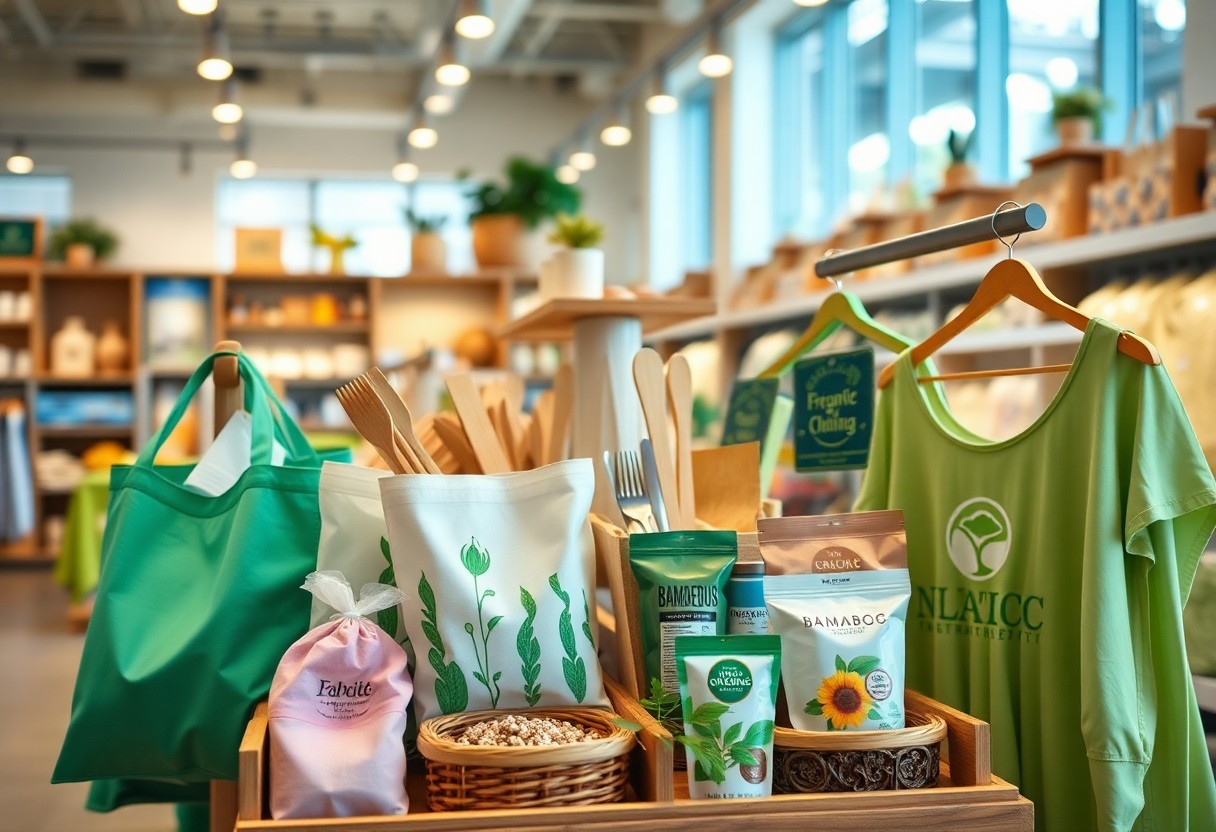
Unlike other companies, you’ll find that top brands are prioritizing sustainability in their products and operations. You can see this in their eco-friendly materials, reduced waste, and environmentally responsible manufacturing processes.

Starbucks’ Coffee Sourcing Program

Sourcing high-quality coffee beans is just the start for Starbucks. You’ll see that they’re committed to sustainable farming practices, supporting farmers and their communities, and reducing their environmental impact.

Coca-Cola’s Water Conservation Efforts

On the path to sustainability, Coca-Cola is making strides in water conservation. You’ll notice that they’re working to reduce water usage in their operations and promoting water conservation throughout their supply chain.

Conservation is key for Coca-Cola, and you’ll see that they’re investing in technologies and practices that help reduce water waste and protect this precious resource. You can learn from their efforts and apply similar principles to your own life, making a positive impact on the environment.

Emerging Trends

Despite the challenges, you’re seeing a shift towards sustainability in the market. You’re looking for brands that reduce waste and minimize environmental impact. This trend is driving innovation, and you’re benefiting from it.

Biodegradable Products

To tackle plastic waste, you’re turning to biodegradable products. You’re opting for alternatives that break down naturally, reducing harm to the environment. This choice is making a difference, and you’re part of the solution.

Circular Economy Business Models

Products designed for reuse and recycling are gaining traction. You’re embracing a new way of consuming, and it’s changing the market. This approach is reducing waste, and you’re supporting brands that prioritize sustainability.

Models like product-as-a-service and sharing platforms are becoming more popular. You’re rethinking ownership, and it’s liberating. By adopting these models, you’re reducing your environmental footprint, and that’s a step in the right direction.

Final Words

With this in mind, you see the impact of your purchasing decisions. You choose sustainable products from top brands, making a difference. Your support drives innovation, pushing companies to create eco-friendly goods. You play a key role in shaping the future, and your choices matter.

FAQ

Q: What are some top brands that are making a significant impact with their sustainable products?

A: Some top brands that are making a significant impact with their sustainable products include Patagonia, Reformation, and Seventh Generation. Patagonia is known for its environmentally-friendly outdoor gear, Reformation is a fashion brand that prioritizes sustainability in its clothing production, and Seventh Generation offers a range of eco-friendly household and personal care products. These brands are committed to reducing their environmental footprint and promoting sustainability in their operations and supply chains.

Q: How are these top brands implementing sustainable practices in their product development and manufacturing processes?

A: These top brands are implementing sustainable practices in their product development and manufacturing processes in a variety of ways. For example, Patagonia uses recycled materials in its products, such as recycled polyester and regenerative farming practices. Reformation uses sustainable materials, such as Tencel and organic cotton, and has implemented a recycling program for its clothing. Seventh Generation uses plant-based ingredients and biodegradable materials in its products, and has reduced its packaging waste by using minimal and recyclable packaging. These brands are also prioritizing energy efficiency, reducing water usage, and implementing fair labor practices in their supply chains.

Q: What benefits can consumers expect from choosing sustainable products from these top brands, and how can they make a positive impact on the environment?

A: Consumers can expect several benefits from choosing sustainable products from these top brands, including reduced environmental impact, improved product quality, and alignment with their personal values. By choosing sustainable products, consumers can help reduce greenhouse gas emissions, conserve natural resources, and promote fair labor practices. Additionally, many of these brands offer take-back programs, recycling initiatives, and educational resources to help consumers make more sustainable choices. By supporting these brands and their sustainable products, consumers can make a positive impact on the environment and contribute to a more sustainable future. They can also influence other companies to follow suit and prioritize sustainability in their operations, leading to a broader positive impact on the environment and society as a whole.

The Best Sustainable Skincare Brands to Support

As you consider the environmental impact of your daily habits, you may be wondering how to make your skincare routine more sustainable. You’re not alone in this quest, with many individuals turning to online forums like Sustainable Skincare? : r/ZeroWaste to discuss eco-friendly options. Your skin and the planet will benefit from choosing brands that prioritize the environment, and this article will guide you in discovering the best sustainable skincare brands to support, aligning your values with your beauty routine.

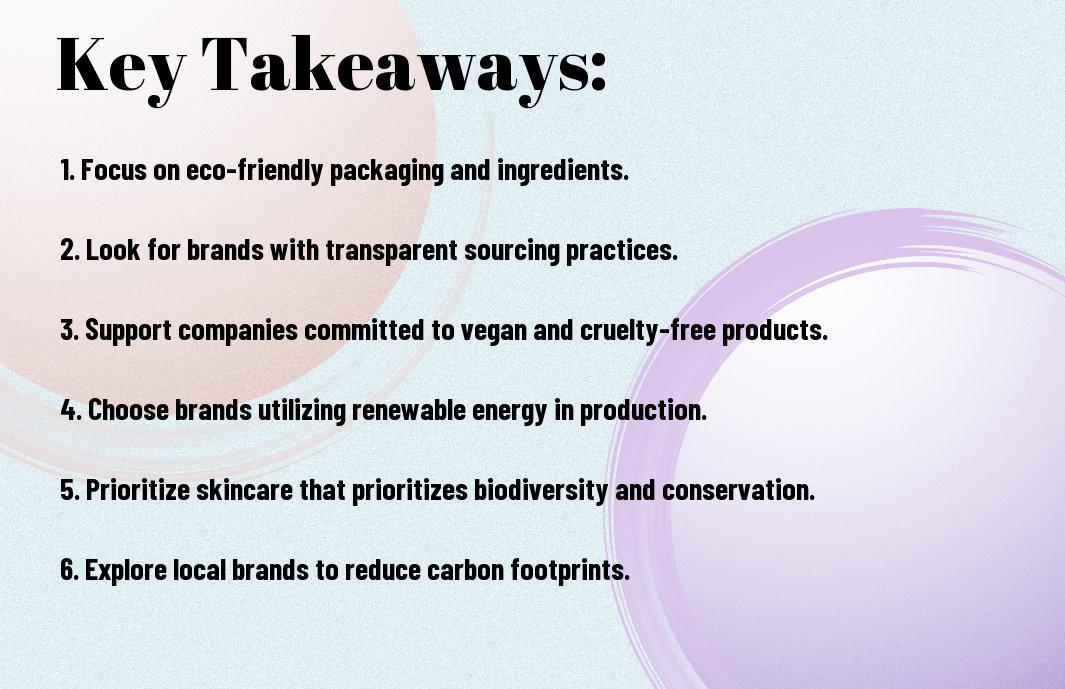
Key Takeaways:

When considering sustainable skincare, there are several factors to look for in a brand. Here are some key points to consider:

  • Look for brands that use natural ingredients and eco-friendly packaging to reduce their environmental impact.
  • Support companies that prioritize fair trade practices and source ingredients from local farmers and suppliers.
  • Choose brands that offer refillable options and encourage zero-waste practices to minimize waste and reduce carbon footprint.
  • Consider brands that use recyclable materials and have a take-back program for their packaging.
  • Research brands that are certified by organizations such as EWG or Leaping Bunny, which ensure the brand meets certain sustainability and cruelty-free standards.

Benefits of Sustainable Skincare

For you, adopting sustainable skincare can have a significant impact on your daily life and the environment. By choosing eco-friendly brands, you reduce your carbon footprint and support responsible practices.

Environmental Impact

Around the globe, the skincare industry is a significant contributor to waste and pollution. As you make sustainable choices, you help minimize the harm caused by the industry’s practices.

Health Benefits

Above all, sustainable skincare prioritizes your well-being, using natural ingredients that are gentler on your skin. You can enjoy healthier, more radiant skin while promoting a healthier planet.

And as you investigate deeper into the world of sustainable skincare, you’ll find that the benefits extend beyond your skin. You’ll be supporting brands that prioritize transparency, fairness, and the well-being of both people and the planet, allowing you to make informed choices that align with your values and contribute to a more sustainable future.

Top Sustainable Skincare Brands

Assuming you’re looking for skincare brands that align with your values, you’ll find several options that prioritize the environment. You can opt for brands that use environmentally-friendly practices, reducing your ecological footprint.

Natural Ingredients

Sustainably, you’ll want to choose brands that incorporate natural ingredients, ensuring your skincare routine is free from harsh chemicals. You’ll find that these brands often promote healthier skin and a clearer conscience.

Eco-Friendly Packaging

An important aspect of sustainable skincare is the packaging, as you’ll want to minimize waste. You can select brands that utilize recyclable materials, reducing the amount of plastic in your routine.

With eco-friendly packaging, you’re not only reducing waste but also supporting brands that prioritize the environment. You’ll notice that many sustainable skincare brands are switching to refill options, compostable packaging, or biodegradable materials, allowing you to make a positive impact on the planet with your skincare choices.

Key Ingredients to Look For

Keep an eye out for sustainable skincare brands that prioritize eco-friendly ingredients, as this will help you make informed decisions about the products you use on your skin.

Plant-Based Ingredients

Alongside natural ingredients, you’ll find plant-based components that enhance your skincare routine, allowing you to nourish your skin with products derived from botanical sources.

Organic Compounds

The presence of organic compounds in skincare products indicates a brand’s commitment to sustainability, and you’ll likely find these compounds in products from brands that value environmental stewardship.

Also, as you explore the world of organic compounds, you’ll discover that these ingredients are not only better for your skin, but also for the planet, as they tend to have a lower environmental impact compared to synthetic alternatives, making them a great choice for your skincare routine.

Certifications and Labels

Despite the numerous sustainable skincare brands available, you may find it challenging to determine which ones align with your values. Certifications and labels can serve as a guide, helping you make informed decisions about the products you choose.

Prior to making a purchase, you’ll want to look for eco-labels that indicate a brand’s commitment to sustainability. You can check for labels such as the Leaping Bunny or the EcoLogo, which signify that a brand has met certain environmental standards.

Cruelty-Free Certifications

The presence of cruelty-free certifications can give you confidence in a brand’s ethics. You should look for certifications like PETA or the Cruelty-Free International logo, which ensure that a brand does not test on animals.

And as you examine deeper into the world of cruelty-free certifications, you’ll discover that they not only promote animal welfare but also encourage brands to adopt more sustainable and humane practices. By choosing products with these certifications, you’re supporting a movement that values compassion and environmental responsibility, ultimately contributing to a more ethical skincare industry that aligns with your values and promotes a better future for all.

Making the Switch

Once again, you find yourself at a crossroads, considering a change in your skincare routine to support more sustainable brands. This decision not only affects your skin but also the environment, making it a step towards a more conscious lifestyle.

Simple Swaps

Betwixt the numerous options available, you can start by replacing your current products with sustainable alternatives, one step at a time, allowing you to gradually adapt to the new routine without feeling overwhelmed.

Building a Routine

Alongside your journey to sustainability, you’ll discover that creating a consistent skincare routine is key to seeing lasting results and truly benefiting from your new, eco-friendly products.

Building on this foundation, you’ll want to tailor your routine to your skin type, identifying the products and practices that work best for you, and then applying them consistently, which will help you get the most out of your sustainable skincare choices and make a meaningful impact on the environment.

Challenges and Solutions

Many of the sustainable skincare brands you support face significant challenges in maintaining their eco-friendly practices while competing in the market. As you consider your options, you’ll find that these brands often prioritize transparency and sustainability over profit, making your choice a significant factor in their success.

Accessibility and Affordability

Beneath the surface of the skincare industry, you’ll find that affordable and accessible sustainable options are limited, making it difficult for you to make environmentally conscious choices without breaking the bank. As you navigate the market, you’ll notice that sustainable skincare often comes with a higher price tag.

Greenwashing and Mislabeling

Obviously, one of the most significant challenges you’ll face is distinguishing between genuinely sustainable brands and those that engage in greenwashing and mislabeling, making false claims about their eco-friendly practices. You need to be vigilant in your research to avoid supporting companies that prioritize profits over the planet.

Indeed, as you explore deeper into the world of sustainable skincare, you’ll discover that greenwashing and mislabeling are rampant, with many companies exploiting your desire for eco-friendly products to boost their sales. You must scrutinize the ingredients, packaging, and production processes of the brands you support, ensuring that your choices align with your values and contribute to a more sustainable future.

Conclusion

To wrap up, you now have the knowledge to make informed choices about the sustainable skincare brands you support. You can trust your skin and the planet to these brands, knowing your purchases promote eco-friendly practices. By choosing your skincare wisely, you contribute to a more sustainable future, aligning your values with your daily routine.

FAQ

Q: What makes a skincare brand sustainable, and how can I identify the best sustainable skincare brands to support?

A: A sustainable skincare brand is one that prioritizes environmental responsibility, social justice, and animal welfare in its practices and products. To identify the best sustainable skincare brands, look for certifications like cruelty-free, vegan, and eco-friendly labels. Also, check if the brand uses natural ingredients, minimal packaging, and supports renewable energy. Some popular sustainable skincare brands include Lush, Dr. Hauschka, and Burt’s Bees, which offer a range of products that are gentle on the skin and the planet.

Q: How do sustainable skincare brands source their ingredients, and what impact does it have on the environment?

A: Sustainable skincare brands source their ingredients from environmentally responsible suppliers, often using organic and locally sourced materials. This approach reduces the brand’s carbon footprint, supports local communities, and promotes biodiversity. For example, some brands use Fair Trade certified ingredients, ensuring that farmers and producers are paid fairly for their products. Additionally, sustainable brands often avoid using ingredients that are linked to deforestation, habitat destruction, or water pollution, such as palm oil or microbeads. By choosing sustainable skincare brands, consumers can help reduce their environmental impact and support eco-friendly practices.

Q: Are sustainable skincare products as effective as traditional skincare products, and are they worth the investment?

A: Yes, sustainable skincare products can be just as effective as traditional skincare products, if not more so. Many natural ingredients used in sustainable skincare products have been shown to have powerful anti-aging, antioxidant, and moisturizing properties. For example, ingredients like green tea, chamomile, and aloe vera are known for their soothing and rejuvenating effects on the skin. While sustainable skincare products may be more expensive than traditional products, they are often worth the investment. By choosing sustainable skincare, consumers are not only benefiting their own skin health but also supporting a more environmentally friendly and socially responsible industry. Furthermore, many sustainable skincare brands offer high-quality, long-lasting products that can help reduce waste and save consumers money in the long run.

The Best Green Fashion Brands to Shop

As you navigate the world of sustainable fashion, you’re likely looking for brands that align with your values. You want to make a positive impact on the environment with your purchasing decisions. Your choice of clothing can significantly reduce your carbon footprint, and investing in green fashion is a great place to start. You can trust that the brands featured here prioritize the planet, using eco-friendly materials and practices to create stylish, guilt-free clothing for you to enjoy.

Key Takeaways:

To make informed choices in sustainable fashion, consider the following points about the best green fashion brands to shop:

  • Look for brands that prioritize eco-friendly materials, such as organic cotton, recycled polyester, and plant-based fabrics, which have a lower environmental impact.
  • Choose brands that focus on slow fashion, encouraging customers to buy fewer, higher-quality items that will last longer, reducing the need for frequent purchases and subsequent waste.
  • Support brands that adhere to fair labor practices, ensuring that workers are treated with respect and paid a living wage, promoting social responsibility in the fashion industry.
  • Consider brands that offer clothing rental services or encourage second-hand shopping, as these models can significantly reduce the amount of new clothing being produced and ultimately discarded.
  • Invest in brands that incorporate innovative technologies into their designs, such as upcycling and zero-waste manufacturing, to minimize their carbon footprint and contribute to a more circular economy.

Sustainable Luxury

Your search for high-end fashion that’s also eco-friendly has led you to the right place, where luxury meets sustainability in perfect harmony, offering you the best of both worlds.

High-end eco-friendly designers

Besides the numerous fast-fashion brands, you’ll find designers like Stella McCartney, who offer luxurious and sustainable clothing, ensuring your style is both chic and environmentally conscious, allowing you to make a positive impact with your fashion choices.

Affordable luxury brands with a green twist

After investing in a few high-end pieces, you may also want to explore more accessible options that still offer a touch of luxury and commitment to sustainability, such as outerwear made from recycled materials or clothing produced with environmentally friendly practices, catering to your desire for both quality and affordability.

Further exploration into affordable luxury brands with a green twist will uncover a range of innovative materials and production methods that not only reduce waste but also provide you with stylish, long-lasting pieces that align with your values, making your fashion choices more thoughtful and sustainable.

Eco-Friendly Apparel

You can make a difference with your fashion choices by opting for eco-friendly apparel. This category includes a range of sustainable clothing options that minimize harm to the environment.

Brands using recycled materials

Utilizing recycled materials, many brands are creating unique and stylish clothing lines. You can explore these innovative brands to find your perfect fit.

Clothing made from organic fabrics

Opting for organic fabrics is a great way to reduce your environmental footprint. You can choose from a variety of organic materials, such as cotton, hemp, and bamboo, to create your sustainable wardrobe.

Hence, when you invest in clothing made from organic fabrics, you are not only getting a high-quality product, but you are also supporting sustainable farming practices and reducing the amount of toxic chemicals used in traditional farming methods. This choice reflects your commitment to protecting the environment and promoting a healthier ecosystem.

Accessorize with a Conscience

Now that you’re aware of the importance of sustainable fashion, you can make a positive impact with your accessory choices. Look for brands that prioritize the environment and social responsibility, and explore the various options available to you.

Handbags and shoes with a green footprint

Among the numerous eco-friendly options, you’ll find handbags made from recycled materials and shoes crafted with sustainable textiles, allowing you to stay stylish while reducing your environmental footprint.

Jewellery made from sustainable materials

At the forefront of sustainable jewellery are brands using recycled metals, conflict-free diamonds, and environmentally-friendly production methods, enabling you to adorn yourself with a clear conscience.

In addition to the aesthetic appeal, jewellery made from sustainable materials often tells a story of innovation and dedication to a greener future, allowing you to wear your values and inspire others to join the sustainable fashion movement, as you make a thoughtful choice with your purchase, considering the impact on the planet and the people involved in the production process.

Beauty and Skincare

Not all beauty and skincare products are created equal, and as you make the switch to a more sustainable lifestyle, you’ll want to explore green fashion brands that prioritize the health of your skin and the planet.

Natural and organic skincare brands

Opposite to conventional skincare products, natural and organic skincare brands use ingredients that are gentler on your skin and the environment, making them a great alternative for you to consider.

Eco-friendly makeup and beauty products

Beneath the surface of traditional makeup and beauty products, you’ll find a plethora of harsh chemicals and wasteful packaging, but eco-friendly alternatives offer a more sustainable solution for your beauty routine.

Plus, as you explore deeper into the world of eco-friendly makeup and beauty products, you’ll discover a wide range of innovative brands that not only reduce waste but also promote sustainable sourcing and fair labor practices, allowing you to feel good about your purchasing decisions and the impact they have on your skin and the environment.

Activewear for the Planet

For those who prioritize both fitness and sustainability, you’ll be pleased to know that there are many eco-friendly options available. You can stay active while also reducing your environmental footprint with the right clothing choices.

Sustainable yoga and workout wear

Alongside the growing demand for eco-friendly fashion, you can find a variety of sustainable yoga and workout wear that not only makes you feel good but also does good for the planet. You’ll find brands using recycled materials, organic cotton, and innovative production methods that minimize waste.

Eco-friendly sportswear brands

According to your preferences, you can choose from several eco-friendly sportswear brands that offer high-quality, sustainable products. You’ll find stylish and functional pieces that align with your values and support a healthier planet.

Another aspect to consider when exploring eco-friendly sportswear brands is their commitment to transparency and fairness in their supply chains. You can research the brands’ policies and values to ensure they align with your own, allowing you to make informed purchasing decisions that support both your fitness goals and the well-being of the planet.

Affordable and Budget-Friendly Options

Unlike other options, you can find eco-friendly fashion on a budget. You can explore The Best Sustainable Fashion Brands | 100+ Ethical Brands for inspiration.

Second-hand and vintage shopping

BudgetConsciously, you can opt for second-hand and vintage shopping to reduce waste and save money, making your style more sustainable.

Budget-friendly green fashion brands

Fashionably, you can choose from many affordable green fashion brands that offer stylish and eco-friendly options, allowing you to upgrade your wardrobe without breaking the bank.

In fact, you have a wide range of budget-friendly green fashion brands to choose from, offering a variety of styles and prices, so you can find the perfect fit for your taste and budget, making it easier for you to make a positive impact on the environment with your fashion choices.

Conclusion

Ultimately, you can make a positive impact on the environment by choosing to shop from the best green fashion brands. You have the power to reduce your carbon footprint and support sustainable practices. By investing in your wardrobe with eco-friendly brands, you are promoting a healthier planet and setting a great example for others to follow, influencing your community with your purchasing decisions, and contributing to a more environmentally conscious future with your style choices.

FAQ

Q: What are some of the best green fashion brands to shop from for sustainable clothing?

A: Some of the best green fashion brands to shop from for sustainable clothing include Patagonia, Reformation, and Everlane. These brands prioritize environmentally-friendly materials, reduce waste, and implement sustainable manufacturing practices. Patagonia is known for its use of recycled materials, Reformation focuses on energy efficiency and waste reduction, and Everlane emphasizes transparency in its supply chain and manufacturing processes.

Q: How can I determine if a fashion brand is truly committed to green and sustainable practices?

A: To determine if a fashion brand is truly committed to green and sustainable practices, look for certifications such as GOTS (Global Organic Textile Standard) or Bluesign, which ensure the use of organic materials and safe manufacturing processes. You can also check the brand’s website for information on their sustainability initiatives, supply chain transparency, and environmental policies. Additionally, consider the brand’s overall mission and values to see if they align with your own expectations for green fashion.

Q: Are green fashion brands more expensive than traditional fashion brands, and is the extra cost worth it?

A: Green fashion brands can sometimes be more expensive than traditional fashion brands due to the higher cost of sustainable materials and manufacturing practices. However, the extra cost is often worth it for the positive impact on the environment and the longevity of the clothing. Sustainable clothing is often made with higher-quality materials and constructed to last longer, reducing the need for frequent purchases and waste. Moreover, investing in green fashion supports brands that prioritize environmental responsibility and ethical labor practices, contributing to a more sustainable fashion industry as a whole.

How to Spot Truly Sustainable Fashion Brands

As you navigate the vast expanse of the fashion world, you may find yourself bewildered by the plethora of brands claiming to be sustainable. But, dear reader, do not be swayed by empty promises. Your discerning eye must be trained to distinguish between genuine eco-friendly endeavours and mere marketing ploys. In this guide, you will discover the telltale signs of truly sustainable fashion brands, allowing you to make informed choices that align with your values and contribute to a more refined, responsible approach to style.

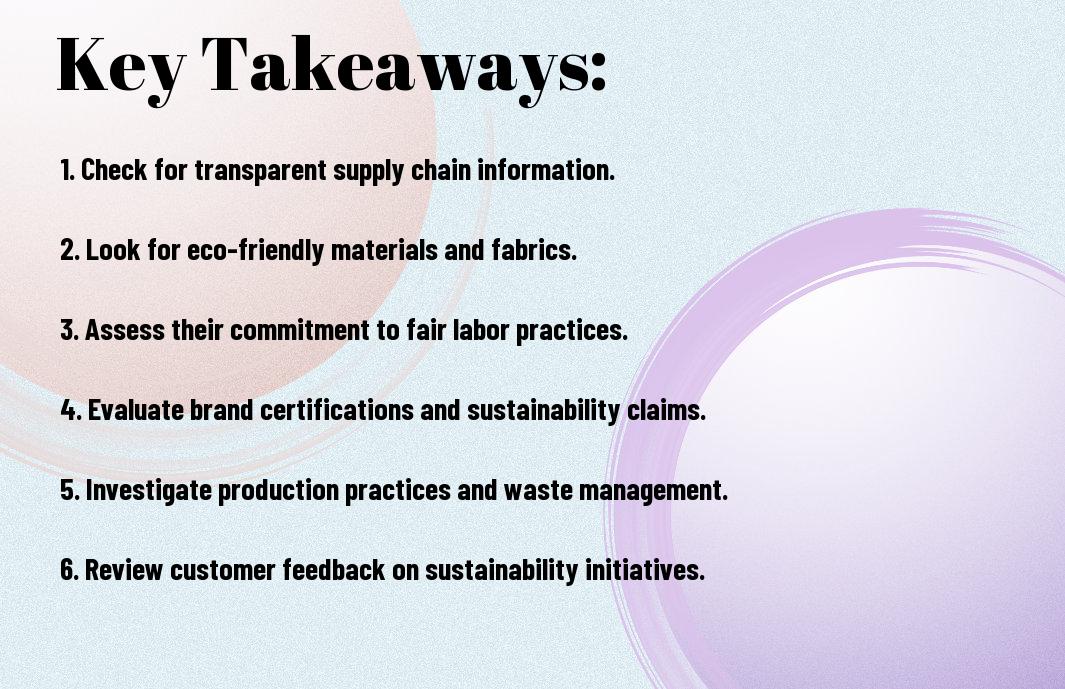
Key Takeaways:

To identify genuine sustainable fashion brands, consider the following points:

  • Look for brands that prioritize transparency, providing clear information about their supply chain, manufacturing processes, and environmental policies.
  • Check if the brand has obtained certifications such as GOTS, Oeko-Tex, or Bluesign, which ensure compliance with environmental and social standards.
  • Assess the brand’s material sourcing, opting for those that use recycled, organic, or regenerated materials, and avoid those that contribute to deforestation or pollution.
  • Investigate the brand’s labor practices, ensuring that they promote fair wages, safe working conditions, and equal opportunities for all employees.
  • Evaluate the brand’s end-of-life policies, such as garment recycling programs or take-back initiatives, which encourage circularity and reduce waste.

Key Principles

Before delving into the world of sustainable fashion, you must understand the fundamental principles that guide your purchasing decisions, ensuring your choices align with your values and promote a more environmentally-friendly industry.

Environmental Impact

Along with the growing awareness of climate change, you are likely to encounter brands that prioritize reducing waste, using recycled materials, and implementing practices that minimize harm to the environment, allowing you to make informed choices that support your eco-conscious lifestyle.

Social Responsibility

Before committing to a brand, you should investigate their stance on social responsibility, considering factors such as fair labor practices, safe working conditions, and community involvement, which can significantly influence your perception of the brand’s overall sustainability.

Environmental concerns often intersect with social responsibility, as you will find that brands prioritizing fair labor practices also tend to adopt more eco-friendly production methods, demonstrating a comprehensive approach to sustainability that considers both the well-being of people and the planet, enabling you to make thoughtful decisions that align with your values.

Transparency

One of thekey indicators of a sustainable fashion brand is its willingness to be open about its practices. You should look for brands that provide detailed information about their production processes, allowing you to make informed decisions about your purchases.

Supply Chain Disclosure

On the subject of transparency, you will want to investigate whether a brand discloses its supply chain. You can often find this information on the brand’s website, where they may publish a list of their suppliers and manufacturers, giving you insight into their business practices.

Materials Sourcing

About the materials used in your clothing, you may wonder where they come from. You should consider brands that clearly state the origin of their materials, as this can impact the environment and the people involved in the production process.

A closer look at materials sourcing will also help you understand the brand’s commitment to sustainability. As you research deeper, you will find that some brands prioritize environmentally-friendly materials, such as organic cotton or recycled fabrics, while others may overlook the environmental impact of their sourcing practices, allowing you to make a more informed decision about the brands you support.

Certifications

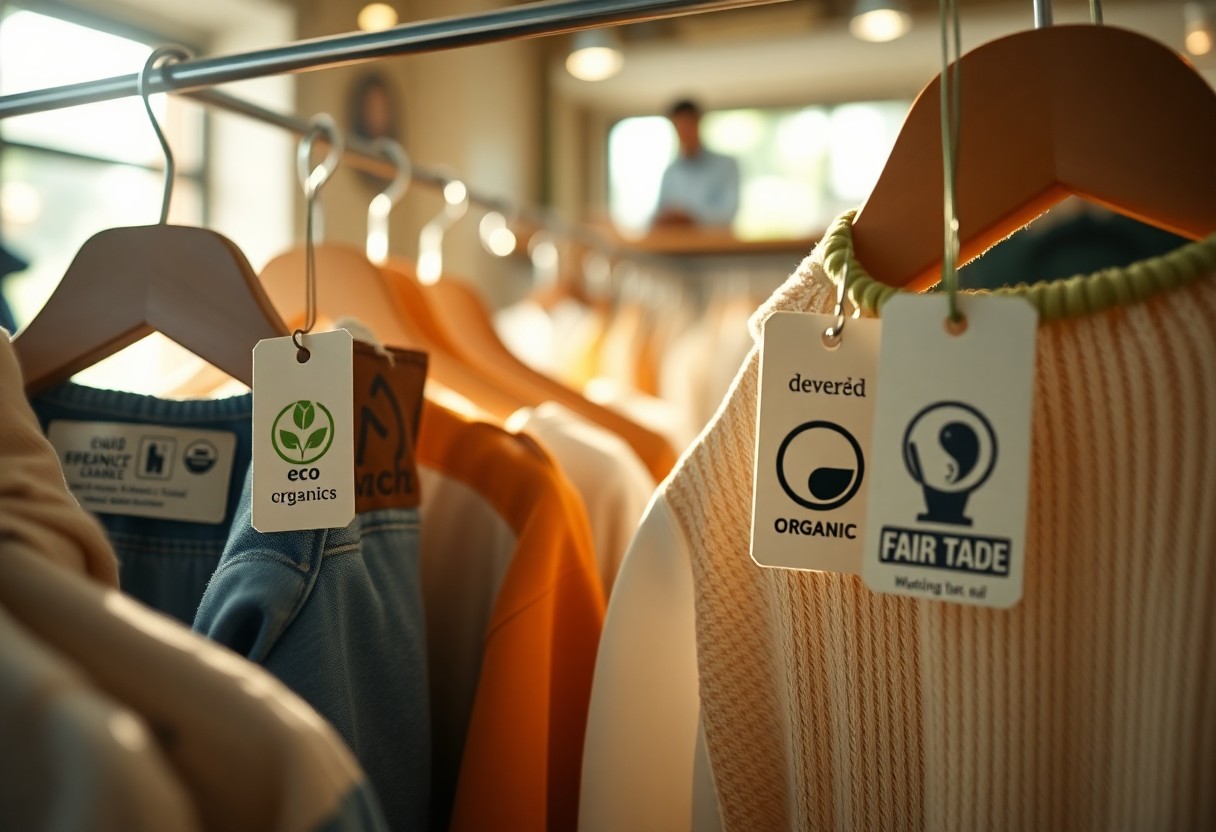
Not all fashion brands are created equal, and certifications can help you distinguish between those that are truly sustainable and those that are merely pretending to be. As you navigate the complex world of sustainable fashion, you will encounter various certifications that attest to a brand’s commitment to environmental and social responsibility.

Eco-Labels

Alongside other markers of sustainability, an array of eco-labels can provide you with valuable insights into a brand’s eco-friendly practices. You will find that labels such as GOTS or Oeko-Tex guarantee that the brand’s products meet rigorous environmental standards.

Fair Trade Certifications

Following your investigation into eco-labels, after verifying a brand’s commitment to environmental sustainability, you should also look for fair trade certifications. You can trust that brands bearing fair trade certifications prioritize the well-being of their workers and engage in ethical business practices.

Plus, as you probe deeper into the world of fair trade certifications, you will discover that they not only ensure fair wages and safe working conditions but also promote sustainable livelihoods and community development, allowing you to make a positive impact with your fashion choices, and contributing to a more equitable fashion industry, one that values both people and the planet, and you will find that your purchases are not only a reflection of your personal style but also a testament to your values and commitment to creating a better world.

Red Flags

For your own discernment, it is crucial to be aware of the pitfalls that can lead you astray in your pursuit of sustainable fashion. You must be vigilant in your research, lest you fall prey to deceptive tactics.

Greenwashing

Across the vast expanse of the fashion industry, you will encounter numerous brands that claim to be sustainable, but in reality, are merely employing clever marketing ploys to deceive you. You should be cautious of such tactics, which can be detrimental to your noble pursuit of environmentally friendly fashion.

Lack of Accountability

About the time you start to scrutinize a brand’s sustainability claims, you will likely come across vague statements and a lack of concrete evidence to support their assertions. You may find yourself wondering if they are truly committed to sustainability or simply paying lip service to the concept.

At the heart of the matter, a lack of accountability can be a significant obstacle in your quest for sustainable fashion. You see, when a brand fails to provide transparency in their practices and supply chain, it becomes increasingly difficult for you to make informed decisions about the clothing you purchase, and you may inadvertently contribute to the very problems you seek to avoid, thus undermining your own values and principles.

Research Methods

Your quest for sustainable fashion begins with thorough research, and a helpful tool is Good On You – Sustainable Fashion and Beauty Brand Ratings, which provides valuable insights into a brand’s commitment to sustainability.

Online Reviews

Ordinarily, online reviews from multiple sources can provide a well-rounded view of a brand’s sustainability efforts, allowing you to make informed decisions about the brands you support.

Brand Reports

Approximately, brand reports can offer a detailed look into a company’s practices, giving you a clearer understanding of their values and mission.

Reviews of brand reports often highlight the strengths and weaknesses of a company’s sustainability initiatives, enabling you to assess whether their values align with your own, and make purchasing decisions that reflect your commitment to sustainable fashion.

Making Informed Choices

Once again, you find yourself at the forefront of a most noble pursuit: navigating the complexities of sustainable fashion. As you launch on this journey, you will discover that making informed choices is the cornerstone of a more conscientious approach to style.

Reading Labels

With a discerning eye, you will begin to scrutinize the labels on your garments, searching for telltale signs of eco-friendly practices and responsible sourcing. Your attention to detail will serve you well in this endeavor.

Asking Questions

Above all, you must be willing to inquire about the practices and policies of your favorite brands, for it is through such diligence that you will uncover the truth about their commitment to sustainability.

Asking questions is an vital part of your journey towards a more sustainable wardrobe. You will want to inquire about the materials used, the manufacturing processes, and the treatment of workers involved in the production of your clothing. By doing so, you will be able to make more informed decisions about the brands you choose to support, and ultimately, cultivate a more thoughtful approach to your fashion choices.

Final Words

On the whole, you will find that discerning truly sustainable fashion brands requires a keen eye for detail and a commitment to your values. As you navigate the complex world of fashion, you will be well served by your newfound knowledge, enabling you to make informed choices that align with your conscience and your sense of style. Your thoughtful approach will ultimately contribute to a more equitable and environmentally mindful industry, and for that, you should be justly proud.

FAQ

Q: What are some key indicators of a truly sustainable fashion brand?

A: When looking for a sustainable fashion brand, there are several indicators to look out for. First, check if the brand uses environmentally-friendly materials, such as organic cotton, recycled polyester, or Tencel. Additionally, look for brands that prioritize reducing waste, using techniques such as upcycling or zero-waste design. Transparency is also key, so look for brands that openly share information about their supply chain, manufacturing processes, and environmental impact. Finally, consider brands that adopt a slow fashion approach, encouraging customers to buy fewer, higher-quality items that will last longer.

Q: How can I verify the sustainability claims made by a fashion brand?

A: Verifying sustainability claims can be challenging, but there are several steps you can take. First, look for third-party certifications such as GOTS (Global Organic Textile Standard), Bluesign, or Oeko-Tex, which indicate that the brand meets certain environmental and social standards. You can also check the brand’s website for detailed information about their sustainability practices, such as their environmental policies, supply chain management, and worker welfare initiatives. Another approach is to check independent reviews and ratings from organizations such as the Fashion Transparency Index or the Good On You app, which evaluate fashion brands based on their sustainability and ethical performance.

Q: What role do I, as a consumer, play in promoting sustainable fashion, and how can I make a positive impact?

A: As a consumer, you play a significant role in promoting sustainable fashion by making informed purchasing decisions. Start by buying second-hand or renting clothing, which reduces the demand for new, resource-intensive garments. When buying new, choose brands that prioritize sustainability, and consider the lifespan of the garment – will it be worn frequently, or is it likely to end up in a landfill after a few uses? You can also care for your clothes in a way that extends their lifespan, such as washing them in cold water, avoiding fabric softener, and repairing them when they become damaged. Finally, support brands that adopt circular business models, such as clothing take-back programs or garment recycling initiatives, which help to reduce waste and promote a more circular fashion industry.

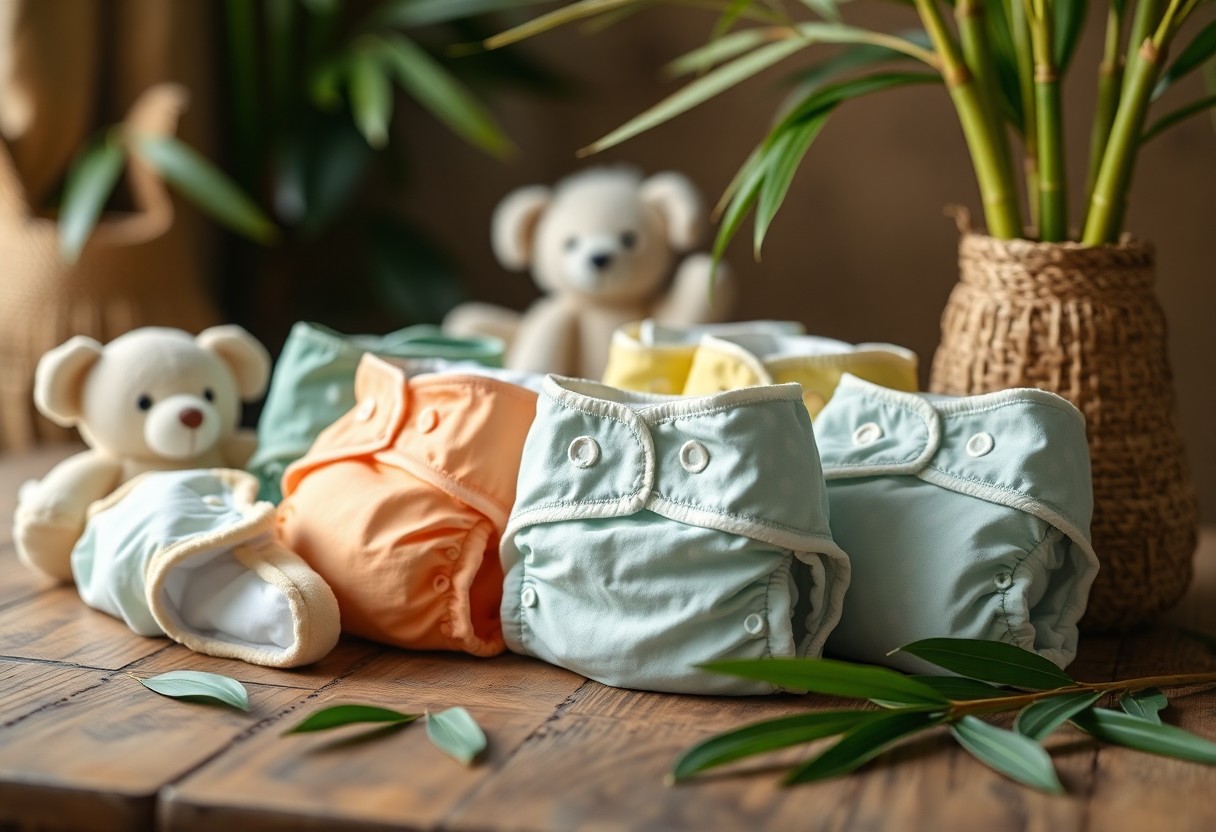
The Best Sustainable Diaper Brands for Babies

As you consider the best options for your baby’s health and the environment, you’re likely looking for eco-friendly diaper solutions. You want to reduce your carbon footprint while keeping your baby comfortable and happy. Your search for sustainable diaper brands ends here, as you’ll discover the top brands that prioritize your baby’s health and the planet’s well-being, making it easier for you to make an informed decision for your little one.

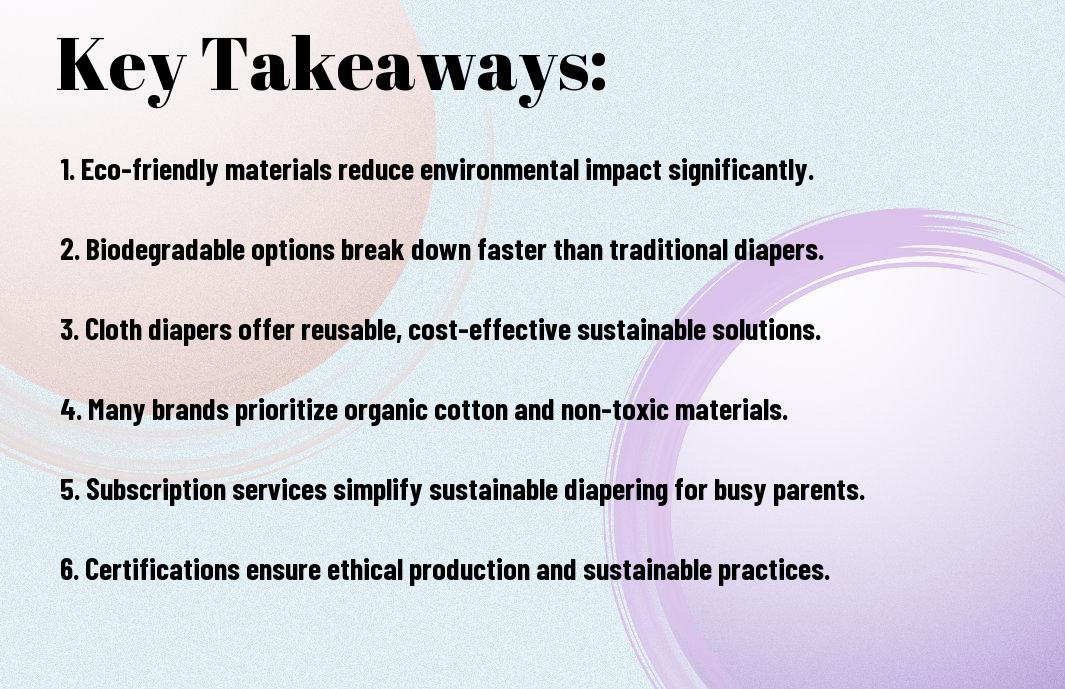
Key Takeaways:

To make an informed decision when choosing eco-friendly diapers for your baby, consider the following points:

  • Look for biodegradable materials and compostable options that reduce waste and minimize environmental impact.
  • Choose sustainable diaper brands that use natural fibers, such as bamboo or cotton, and avoid chemicals and dyes.
  • Consider reusable diapers, also known as cloth diapers, as a more environmentally friendly alternative to disposable diapers.
  • Check the certifications, such as EcoLogo or Safer Choice, that ensure the diaper brand meets certain environmental standards.
  • Opt for diaper brands that prioritize transparency and sustainability in their manufacturing process and supply chain to reduce their carbon footprint.

Top Picks for Sustainable Diaper Brands

For parents seeking eco-friendly alternatives, several brands stand out for their commitment to sustainability. You can consider brands like Bambo Nature, The Honest Company, and Seventh Generation, which offer a range of sustainable diaper options.

Eco-Friendly Materials and Production

Beyond the surface level, sustainable diaper brands prioritize eco-friendly materials and production methods. You will find that these brands use renewable resources, biodegradable materials, and minimize waste in their manufacturing processes.

Affordable and Accessible Options

Across the market, you will find various affordable and accessible sustainable diaper options. You can explore different brands and products to find the one that fits your budget and meets your standards for sustainability.

EcoFriendly options are becoming increasingly available, and you can now find sustainable diapers at competitive prices. You can consider buying in bulk, using coupons, or opting for subscription services to make sustainable diapers more affordable for your family.

Diaper Brands with a Mission

Any parent looking for sustainable diaper options wants to support brands that share their values. You’ll be pleased to know that many eco-friendly diaper brands prioritize the environment and social responsibility, making them a great choice for your baby.

Brands Dedicated to Environmental Conservation

Betwixt the various sustainable diaper brands, you’ll find companies that prioritize reducing waste and minimizing their carbon footprint, allowing you to make a positive impact on the planet when choosing diapers for your baby.

Companies Supporting Social Causes

Supporting social causes is also a key aspect of some sustainable diaper brands, which you’ll appreciate as a conscious consumer. You can feel good about your purchasing decisions, knowing that your diaper choice is contributing to a greater good.

Environmental concerns often go hand-in-hand with social causes, and as you explore companies supporting social causes, you’ll find that many also prioritize eco-friendly practices, ensuring that your choice of diaper brand aligns with your values and contributes to a better future for your baby to grow up in.

Features to Consider

Unlike other baby products, sustainable diapers require careful consideration of several factors. You should look for eco-friendly materials, minimal packaging, and gentle ingredients that won’t irritate your baby’s skin. As you explore your options, consider what matters most to you and your family.

Biodegradable and Compostable Diapers

Beneath the surface of traditional disposable diapers, biodegradable and compostable options offer a more sustainable choice. You can opt for diapers made from plant-based materials that can easily decompose, reducing waste and minimizing environmental impact.

Reusable and Cloth Diaper Options

Featuring a range of benefits, reusable and cloth diapers are a great alternative to disposables. You can choose from various materials, such as cotton, bamboo, or hemp, and find a style that suits your baby’s needs and your lifestyle.

Due to their durability and reusability, cloth diapers can be a significant investment upfront, but they can also save you money in the long run. You can wash and reuse them multiple times, reducing the amount of waste generated by disposable diapers and minimizing your environmental footprint. As you consider reusable and cloth diaper options, think about your baby’s comfort, your budget, and your commitment to sustainability.

Parental Preferences and Reviews

Once again, you’ll find that the best sustainable diaper brands are those that balance eco-friendliness with effectiveness, and it’s your preferences that drive the market towards more environmentally responsible options.

Popular Choices Among Eco-Conscious Parents

Around the world, you’ll notice that parents who prioritize the environment often opt for brands that use biodegradable materials and minimize waste, reflecting your values in choosing sustainable products for your baby.

Feedback and Ratings from Satisfied Customers

Ratings from other parents can give you insight into a brand’s performance, and you can trust that high ratings often indicate a product that meets your expectations for sustainability and effectiveness.

In addition, when you read reviews from satisfied customers, you can get a sense of how well a particular brand’s diapers perform in terms of absorbency, comfort, and durability, helping you make an informed decision that aligns with your priorities as a parent.

Cost and Value Analysis

All parents want the best for their babies, and sustainable diapers are a great option. You’ll find that eco-friendly diapers can be more expensive, but they offer many benefits. You can expect to pay a premium, but your baby’s health and the environment will thank you.

Budget-Friendly Sustainable Diaper Options

For those on a tight budget, you can find affordable sustainable diaper options. You can consider cloth diapers or DIY solutions that are gentler on your wallet and the environment. Your choices will depend on your lifestyle and preferences, helping you make an informed decision.

Long-Term Savings and Environmental Benefits

Behind the initial higher cost of sustainable diapers lies a more significant benefit. You’ll reduce your environmental footprint and contribute to a healthier planet for your baby’s future. Your choice will have a positive impact on the environment, making it a worthwhile investment.

With long-term savings and environmental benefits in mind, you can make a more informed decision about your diaper choices. You’ll find that sustainable diapers can lead to significant cost savings over time, as you reduce your reliance on disposable diapers and minimize waste. Your baby’s health and the planet will benefit from your eco-friendly choices, making it a win-win situation for you and your family.

Innovation and Future Trends

After exploring the current market, you’ll notice a significant shift towards eco-friendly diapering options. You can expect to see advancements in materials, designs, and technologies that reduce waste and minimize environmental impact.

Emerging Technologies in Sustainable Diaper Materials

Forward-thinking companies are developing innovative materials, such as plant-based absorbents and biodegradable diapers, that you can feel good about using on your baby’s skin.

The Rise of Zero-Waste Diapering Solutions

Oddly enough, you may find that zero-waste diapering solutions are becoming increasingly popular, offering your family a chance to reduce your environmental footprint.

And as you explore deeper into zero-waste diapering, you’ll discover that it’s not just about the diapers themselves, but also about the systems and services that support a more circular approach to baby care, allowing you to make a positive impact on the planet for your child’s future.

Final Words

Ultimately, you now have the knowledge to make an informed decision about the best sustainable diaper brands for your baby. You can choose from a variety of eco-friendly options that suit your needs and prioritize your baby’s health and the environment. With your newfound awareness, you can make a positive impact on the planet while keeping your baby comfortable and happy.

FAQ

Q: What are the benefits of using sustainable diaper brands for my baby?

A: Using sustainable diaper brands can have numerous benefits for your baby’s health and the environment. Sustainable diapers are made from eco-friendly materials, such as bamboo, recycled materials, and plant-based absorbents, which can reduce the risk of skin irritation and allergic reactions. Additionally, these diapers are biodegradable, compostable, or have a lower carbon footprint, making them a more environmentally friendly option. Some sustainable diaper brands also offer more comfortable and breathable designs, promoting healthy skin and reducing the likelihood of diaper rash.

Q: How do I choose the best sustainable diaper brand for my baby’s needs?

A: Choosing the best sustainable diaper brand for your baby involves considering several factors, including your baby’s size, skin type, and activity level. Look for brands that offer a range of sizes, from newborn to toddler, and consider the absorbency level, as some sustainable diapers may require more frequent changes. You should also check the ingredients and materials used, opting for brands that prioritize natural and organic materials. Furthermore, consider the brand’s environmental mission, certification, and transparency, as well as customer reviews and ratings, to ensure you’re making an informed decision that aligns with your values and priorities.

Q: Are sustainable diaper brands more expensive than traditional disposable diapers, and are they worth the investment?

A: While sustainable diaper brands may be more expensive than traditional disposable diapers upfront, they can be a cost-effective option in the long run. Many sustainable diaper brands offer subscription services, discounts for bulk orders, or cloth diaper options that can be reused multiple times, reducing waste and saving you money. Additionally, the health benefits of using sustainable diapers, such as reduced risk of skin irritation and allergic reactions, can lead to lower medical bills and reduced stress. Moreover, by investing in sustainable diaper brands, you’re contributing to a more environmentally friendly and socially responsible industry, which can have a positive impact on the planet and future generations.

Akademiya Skip to content