Food and Kitchen

Food and Kitchen

Top Sustainable Kitchen Products for Cooking

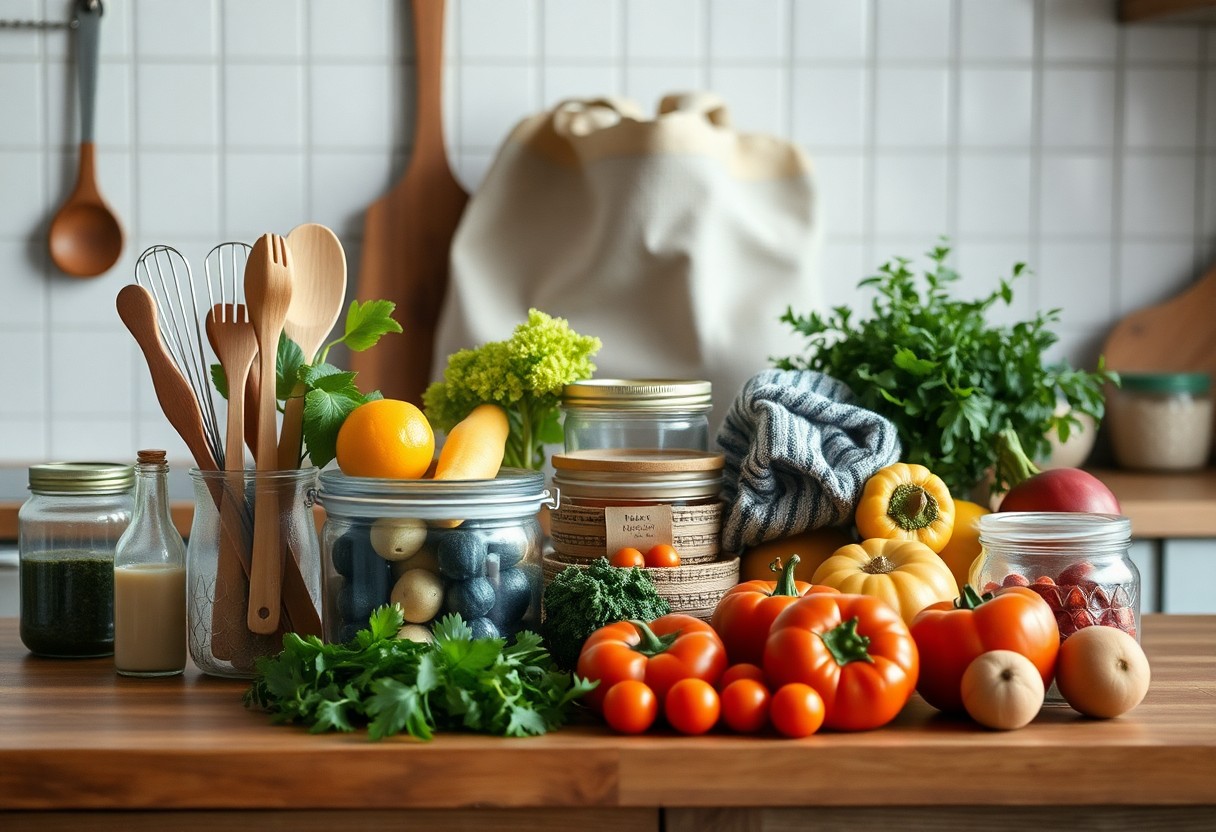
As you strive to reduce your environmental footprint, your kitchen is a great place to start. You can make a significant impact by incorporating sustainable products into your cooking routine. You’ll be surprised at the variety of eco-friendly options available, from reusable utensils to non-toxic cookware. By choosing these products, you’ll not only be helping the planet, but also improving your health and cooking experience. In this post, you’ll discover the top sustainable kitchen products to enhance your cooking while minimizing waste.
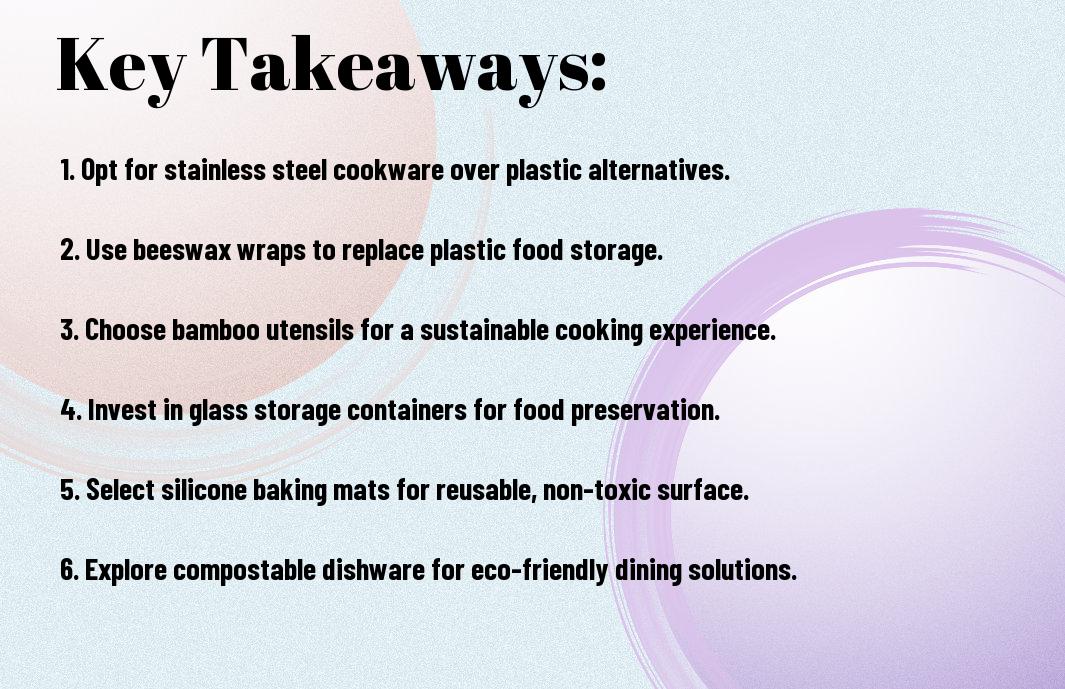
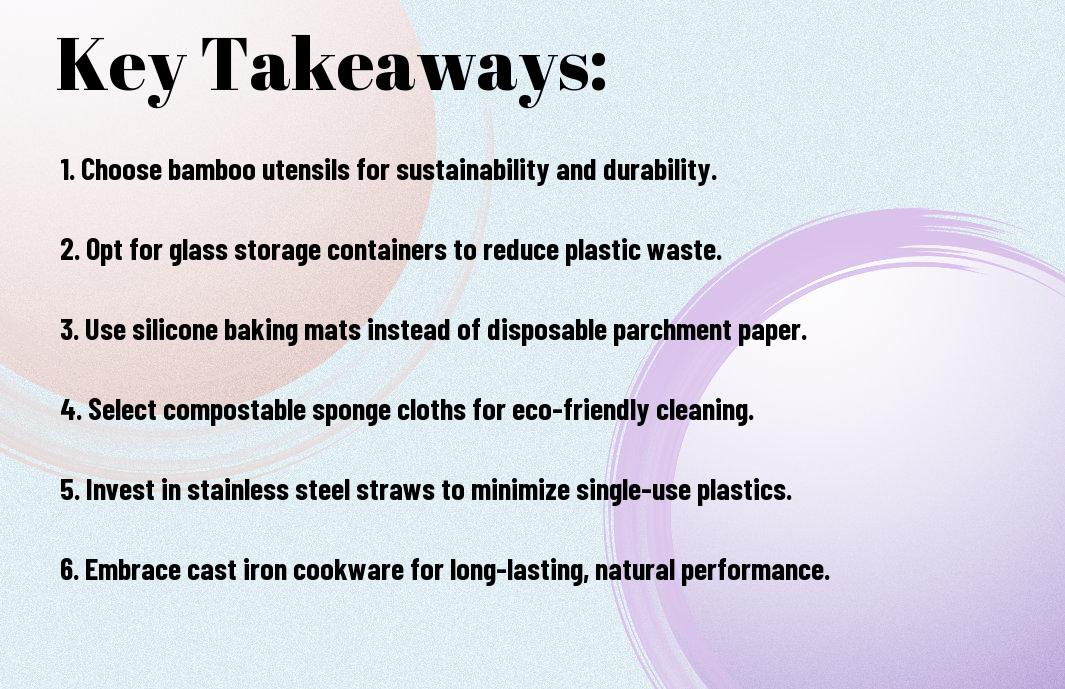
Key Takeaways:

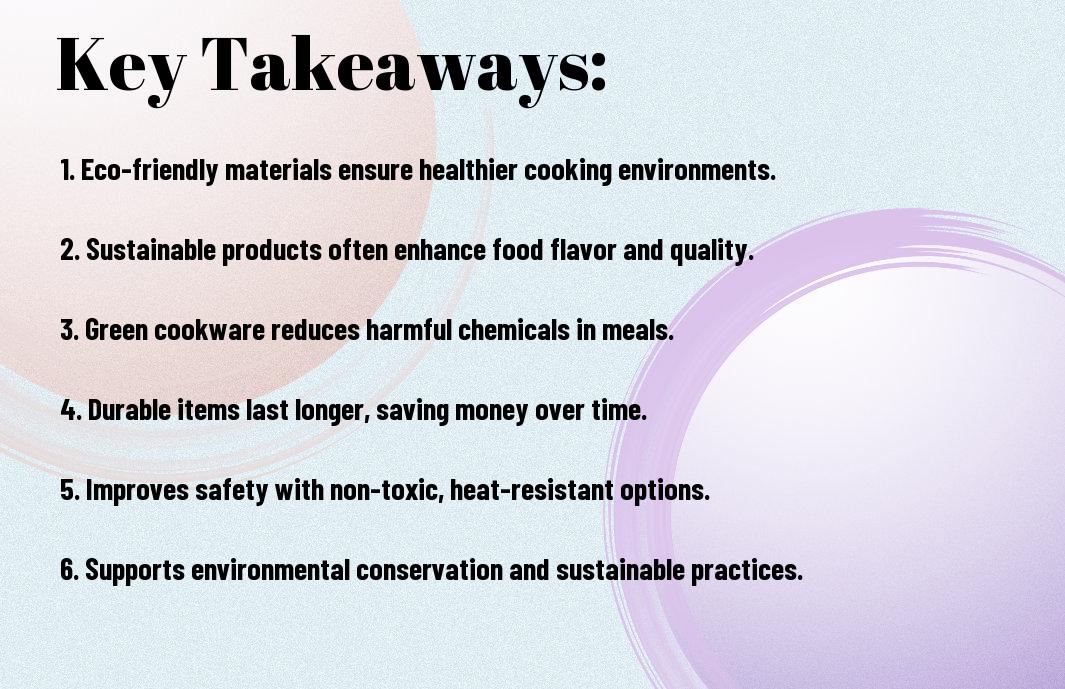
As far as choosing sustainable kitchen products for cooking, there are several options available that can make a significant impact on reducing waste and promoting eco-friendly practices. Here are some key points to consider:

  • Investing in reusable products such as beeswax wraps, silicone storage bags, and stainless steel containers can help reduce single-use plastic waste in the kitchen.
  • Choosing energy-efficient appliances and cookware, such as induction cooktops and cast iron skillets, can help reduce energy consumption and lower utility bills.
  • Opting for non-toxic and BPA-free cookware and utensils, such as ceramic and bamboo products, can help minimize the risk of chemical contamination and promote a healthier cooking environment.
  • Using compostable and biodegradable products, such as paper-based packaging and coconut fiber scrubbers, can help reduce waste and support a more circular economy.
  • Supporting locally sourced and sustainable food systems, such as farmers’ markets and community-supported agriculture programs, can help promote environmental stewardship and support the local economy.
  • Eco-Friendly Cookware

    Your kitchen deserves the best, and that includes eco-friendly cookware that is both durable and sustainable. You can choose from a variety of options that are better for the environment and your health.

    Non-Stick Pans and Pots

    Pots made from non-stick materials are a great alternative to traditional cookware, offering easy food release and cleaning. You can opt for PFOA-free non-stick pans that are safer for your family and the environment.

    Cast Iron and Stainless Steel Options

    Steels like stainless steel and cast iron are excellent choices for eco-friendly cookware, as they are long-lasting and can be passed down to future generations. You can use them for various cooking methods, from stovetop to oven cooking.

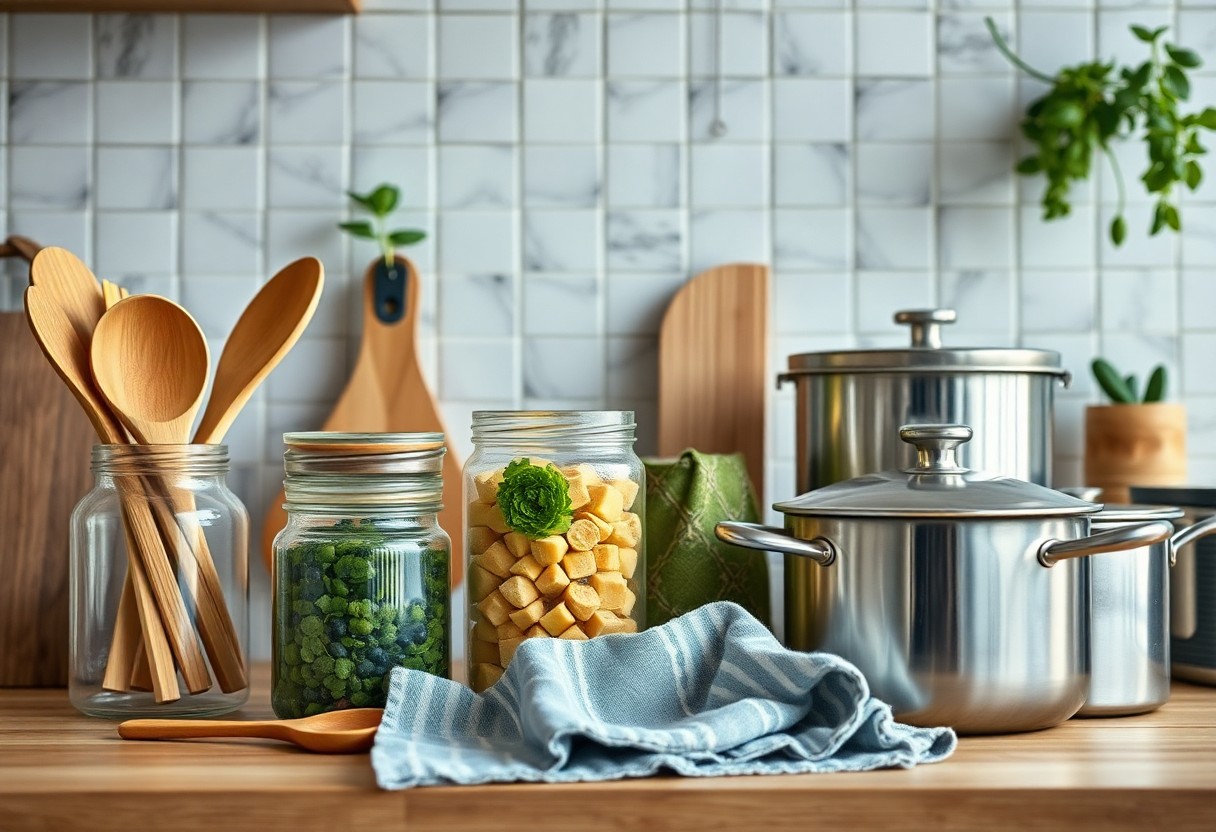
    Stainless steel cookware is a great investment for your kitchen, as it is resistant to scratches and corrosion, and can withstand high temperatures. You can use it for cooking a variety of dishes, and it is easy to clean and maintain, making it a convenient option for your busy lifestyle.
    Sustainable Kitchen Tools

    Some of the most effective ways to reduce waste in your kitchen involve switching to sustainable tools, which can greatly reduce your environmental footprint. You can make a significant impact by choosing tools that are durable, long-lasting, and made from eco-friendly materials.

    Wooden Utensils and Cutting Boards

    Around your kitchen, you’ll find that wooden utensils and cutting boards are a great alternative to plastic ones, as they are biodegradable and can be easily replaced if needed, allowing you to maintain a sustainable cooking environment.

    Reusable Silicone Bags and Containers

    After making the switch to eco-friendly tools, consider incorporating reusable silicone bags and containers into your kitchen routine, which can help you reduce single-use plastics and keep your food fresh for a longer period, making your kitchen more sustainable.

    Plus, when you use reusable silicone bags and containers, you’ll find that they are easy to clean, dishwasher safe, and can withstand extreme temperatures, making them a practical and sustainable choice for your kitchen, allowing you to store food safely and reduce waste in the long run, and you’ll be able to enjoy the benefits of a more sustainable kitchen.

    Energy-Efficient Appliances

    Many of your kitchen’s energy consumption comes from appliances, so opting for energy-efficient ones is a great step towards sustainability. You can find a variety of eco-friendly options at Eco Friendly Kitchen Products | Zero Waste, helping you to reduce your carbon footprint.

    Induction Cooktops and Electric Ovens

    Above all, induction cooktops and electric ovens are great alternatives to traditional gas stoves, offering faster cooking times and reduced energy consumption, making them a great choice for your kitchen.

    Solar-Powered and Gas Stoves

    Cooktops like solar-powered and gas stoves provide you with alternative cooking methods, allowing you to reduce your reliance on electricity and explore more sustainable options for your cooking needs.

    But when considering solar-powered and gas stoves, you should also think about the overall cost and practicality for your specific situation, as they may not be suitable for everyone, and it’s important to weigh the benefits and drawbacks before making a decision for your kitchen.

    Water Conservation

    All your efforts to reduce water waste in the kitchen can make a significant impact on the environment. By implementing a few simple changes, you can conserve water and reduce your water bill.

    Low-Flow Faucets and Water Filters

    Above all, installing low-flow faucets and water filters can greatly reduce water consumption in your kitchen. You can choose from a variety of low-flow faucets and water filters that are designed to save water without compromising performance.

    Grey Water Systems and Dishwashers

    Similarly, faucets with aerators can also help reduce water flow, but grey water systems and dishwashers can take your water conservation to the next level. You can consider installing a grey water system to reuse water from your sink for irrigation or other non-potable purposes.

    Plus, when shopping for a new dishwasher, look for one with a low water consumption rate, as this will help you save water and energy. You can also optimize your dishwasher’s performance by running full loads and using the eco-cycle, which can help reduce water and energy consumption even further.

    Food Storage and Waste Reduction

    Now that you’re looking to reduce your kitchen’s environmental impact, it’s time to focus on storage and waste reduction. You can make a significant difference by choosing the right products for your kitchen.

    Glass Containers and Mason Jars

    Meanwhile, Mason-like containers offer an excellent alternative to plastic storage solutions, keeping your food fresh and your kitchen organized. You can use them to store leftovers, dry goods, and even bake dishes, making them a versatile addition to your kitchen.

    Compost Bins and Recycling Solutions

    On the other hand, proper waste management is necessary for a sustainable kitchen. You can invest in a compost bin to turn food scraps into nutrient-rich soil for your garden, and implement recycling solutions to minimize your waste output.

    Glass containers can also be used in conjunction with your compost bin and recycling solutions to further reduce your waste. You can store your compostable materials in glass containers until they’re ready to be added to the bin, and use glass jars to separate recyclables from non-recyclables, making it easier for you to manage your kitchen waste effectively.

    Sustainable Food Choices

    Despite the variety of options available, making sustainable food choices can be challenging. You can start by considering the environmental impact of your food selections, and exploring alternatives that support your values.

    Locally Sourced and Organic Produce

    The key to reducing your carbon footprint is to opt for locally sourced and organic produce, which reduces transportation emissions and supports local farmers, allowing you to make a positive impact on your community and the environment.

    Plant-Based and Minimal Packaging Options

    For a more sustainable kitchen, you can explore plant-based and minimal packaging options, which not only reduce waste but also promote healthier eating habits, enabling you to make informed choices that benefit your health and the planet.

    This approach to sustainable food choices extends to the way you shop, with many stores now offering bulk purchasing options and refillable containers, allowing you to reduce your reliance on single-use plastics and minimize packaging waste, which you can then implement in your own kitchen, making a significant difference in your daily life and contributing to a more sustainable future.

    Summing up

    Now that you have explored the top sustainable kitchen products for cooking, you can make informed choices for your kitchen. You will reduce your environmental impact by incorporating these eco-friendly products into your daily cooking routine. Your sustainable kitchen will not only benefit the planet, but also enhance your cooking experience with innovative and efficient tools.———-FAQ

    Q: What are the benefits of using sustainable kitchen products for cooking?

    A: Using sustainable kitchen products for cooking offers numerous benefits, including reducing waste, conserving natural resources, and minimizing the environmental impact of cooking. Sustainable kitchen products, such as bamboo utensils, silicone baking mats, and cast iron cookware, are designed to be durable and long-lasting, reducing the need for frequent replacements and the waste that comes with it. Additionally, many sustainable kitchen products are made from eco-friendly materials that are biodegradable and non-toxic, making them a healthier choice for both people and the planet.

    Q: What are some of the top sustainable kitchen products for cooking, and how do they compare to traditional products?

    A: Some of the top sustainable kitchen products for cooking include bamboo cutting boards, beeswax wraps, and stainless steel cookware. These products offer a number of advantages over traditional products, including durability, non-toxicity, and eco-friendliness. For example, bamboo cutting boards are resistant to knife marks and can withstand high temperatures, making them a long-lasting alternative to traditional wooden cutting boards. Beeswax wraps, on the other hand, provide a natural and reusable alternative to plastic wrap, while stainless steel cookware offers a durable and non-toxic alternative to non-stick cookware.

    Q: How can I incorporate sustainable kitchen products into my cooking routine, and what are some tips for getting started?

    A: Incorporating sustainable kitchen products into your cooking routine is easier than you think. Start by assessing your current kitchen setup and identifying areas where you can make changes. Consider replacing traditional products with sustainable alternatives, such as swapping paper towels for reusable cloth towels or switching to eco-friendly cleaning products. You can also make a few simple changes to your cooking habits, such as using a Dutch oven instead of a slow cooker or opting for recipes that use fewer ingredients and less energy. Additionally, look for products that are certified by organizations such as the Forest Stewardship Council (FSC) or the International Organization for Standardization (ISO), which ensure that products meet certain standards for sustainability and environmental responsibility.
Eco-Friendly Kitchen Tools You’ll Love

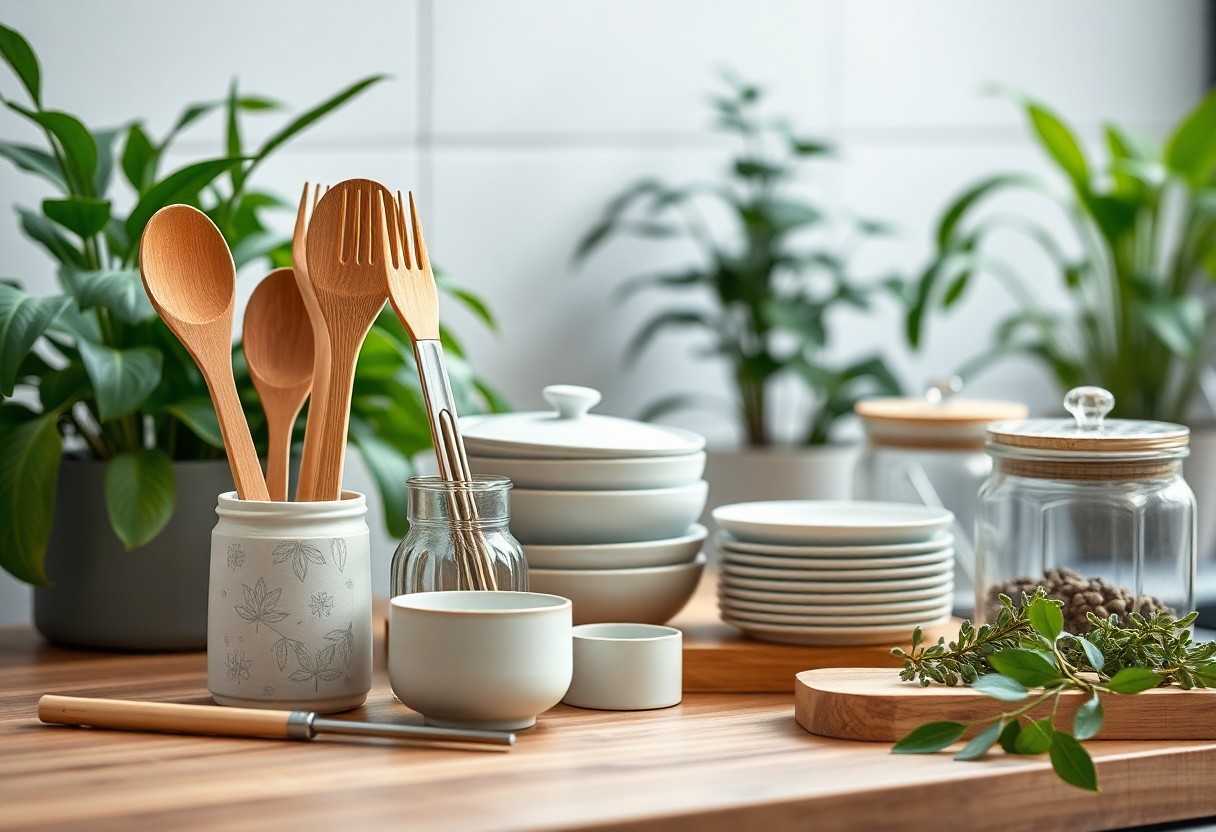
You’re taking steps to reduce your environmental footprint, and your kitchen is a great place to start. As you explore ways to make your cooking space more sustainable, you’ll find a variety of eco-friendly tools that can help. Your kitchen habits can have a significant impact on the planet, and making a few simple changes can make a big difference. You can upgrade to eco-friendly kitchen tools that are durable, sustainable, and gentle on the environment, making your cooking routine more manageable and guilt-free.

Key Takeaways:

To make your kitchen more sustainable, consider the following points:

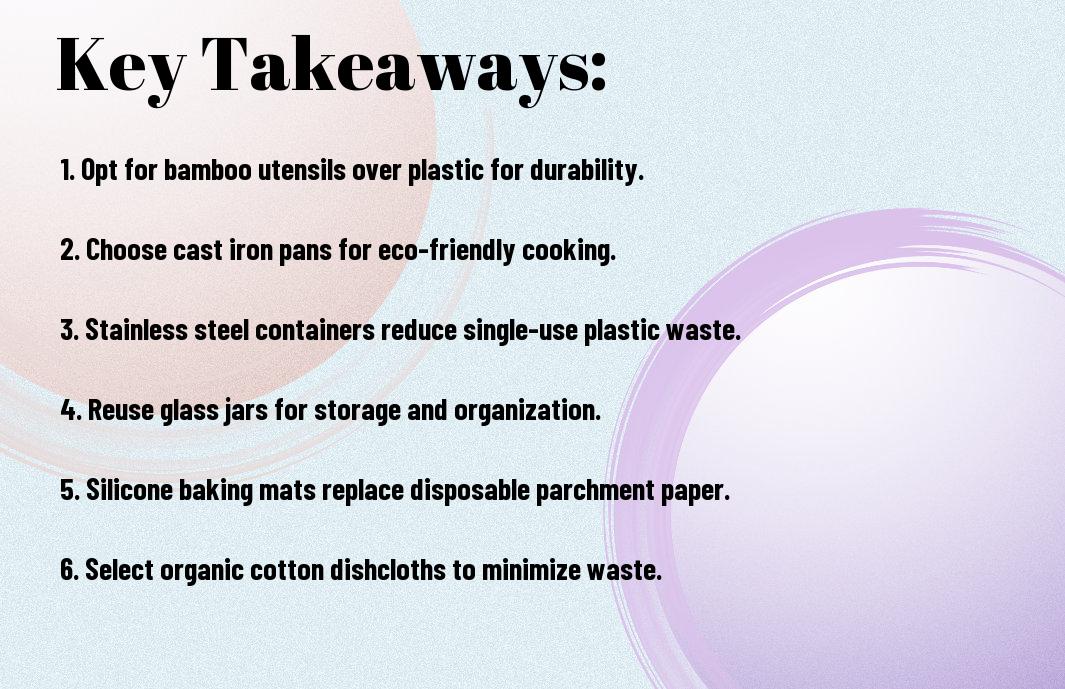
  • Invest in reusable utensils and storage containers to reduce waste and minimize your environmental footprint.
  • Choose eco-friendly materials like bamboo, stainless steel, or silicone for your kitchen tools, as they are durable and long-lasting.
  • Opt for energy-efficient appliances and LED lighting to reduce your kitchen’s carbon footprint and lower your energy bills.
  • Use natural and biodegradable cleaning products to maintain a healthy kitchen environment and reduce harmful chemicals.
  • Consider upcycling or repurposing old kitchen items to give them a new life and reduce landfill waste, promoting a more circular economy.

Essential Eco-Friendly Tools

The key to a sustainable kitchen lies in the tools you use, and making a few simple switches can have a significant impact on your environmental footprint. You can start by replacing traditional materials with eco-friendly alternatives, which are not only better for the planet but also provide long-term durability and performance.

Reusable Bags and Containers

Beneath the surface of single-use plastics, you’ll find a world of reusable options that make storing and transporting food a breeze. You can opt for cloth bags, stainless steel containers, or glass jars to keep your kitchen organized and your waste minimal, helping you to reduce your reliance on disposable products.

Bamboo Utensils and Cutting Boards

With the rise of eco-friendly kitchen tools, you now have access to a wide range of sustainable options, including bamboo utensils and cutting boards. You can replace your traditional wooden or plastic utensils with bamboo alternatives, which are lightweight, durable, and gentle on the environment, allowing you to prepare meals with a clear conscience.

Essential to your kitchen’s transition to eco-friendliness, bamboo utensils and cutting boards offer a natural, biodegradable solution to traditional materials. You can use them for food preparation, serving, and even as a decorative element, adding a touch of warmth and character to your kitchen. As you explore the world of bamboo kitchen tools, you’ll discover the numerous benefits they offer, from their sustainable sourcing to their ease of maintenance, making them an excellent choice for your eco-friendly kitchen.

Sustainable Cooking Options

One of the most effective ways to reduce your environmental impact is by adopting sustainable cooking methods. You can start by exploring alternatives to traditional cooking techniques and investing in eco-friendly kitchen tools. This will not only help reduce your carbon footprint but also promote a healthier lifestyle.

Energy-Efficient Appliances

Alongside traditional methods, an array of energy-efficient appliances can help you cook sustainably. You can consider investing in appliances with high energy ratings, as they consume less power and reduce your energy bills. This simple switch can make a significant difference in your overall energy consumption.

Solar-Powered Cooking Alternatives

Around the world, at the forefront of sustainable cooking, solar-powered cooking alternatives are gaining popularity. You can opt for solar ovens or cookers that utilize sunlight to cook your meals, reducing your reliance on non-renewable energy sources. This innovative approach to cooking is not only eco-friendly but also cost-effective.

Further exploration of solar-powered cooking alternatives reveals a range of benefits, including reduced greenhouse gas emissions and lower cooking costs. You can use solar cookers for various types of cuisine, from baking to boiling, and they are particularly useful for outdoor activities like camping or picnics. By incorporating solar-powered cooking into your lifestyle, you can significantly reduce your carbon footprint and contribute to a more sustainable future.

Eco-Friendly Cleaning Solutions

After switching to eco-friendly kitchen tools, consider your cleaning methods. You can find inspiration for Eco-Friendly Kitchen Essentials: 10 Must-Have Products for a Sustainable Home at Eco-Friendly Kitchen Essentials: 10 Must-Have Products for a Sustainable Home, to create a more sustainable space.

Natural Cleaning Products

Solutions to traditional cleaning products can be found in natural ingredients like baking soda and vinegar. You can use these to clean your kitchen tools and surfaces, reducing your environmental impact.

DIY Cleaning Remedies

Across the internet, you’ll find various DIY cleaning remedies that use common household items. You can make your own cleaning solutions using lemon juice, castile soap, and other natural ingredients.

Hence, making your own cleaning products is a great way to reduce waste and avoid harsh chemicals. You can customize your cleaning solutions to your specific needs, and even add a pleasant scent with crucial oils, making your kitchen a healthier and more enjoyable space.

Reduce, Reuse, Recycle

To make your kitchen more eco-friendly, you’ll want to adopt the reduce, reuse, recycle approach. This simple principle can significantly impact your environmental footprint, and it’s easier than you think to implement in your daily routine.

Reducing Food Waste

Around the time you plan your meals, you can take steps to reduce food waste by buying only what you need and using up leftovers. You can also compost food scraps to create nutrient-rich soil for your garden, reducing the amount of waste that ends up in landfills.

Creative Ways to Repurpose Kitchen Items

Prior to throwing away old kitchen items, consider giving them a new life. You can turn old jars into storage containers, use old t-shirts as cleaning rags, and repurpose old utensils as plant markers, giving your kitchen a unique touch while reducing waste.

This approach not only helps the environment, but it also helps you get creative and think outside the box when it comes to your kitchen tools. You can find countless tutorials and inspiration online to help you give new life to old items, and as you get started, you’ll find that it’s easier than you thought to breathe new life into old kitchen items and make your kitchen more eco-friendly.

Healthy and Environmentally Friendly Food Choices

Unlike other kitchen aspects, your food choices have a significant impact on the environment. You can make a difference by choosing eco-friendly options that promote sustainability and reduce waste.

Organic and Local Produce

Above all, opting for organic and local produce is an excellent way to support environmentally friendly farming practices. You can find these options at your local farmer’s market or grocery store, and they will help you reduce your carbon footprint.

Plant-Based Diet Options

For a more sustainable kitchen, consider incorporating plant-based diet options into your meals. You can start by substituting meat with plant-based alternatives and exploring new recipes that are both delicious and eco-friendly.

And as you explore plant-based diet options, you’ll find that your kitchen becomes more environmentally friendly. You’ll be reducing your reliance on resource-intensive animal products, and your meals will become more sustainable and healthy, allowing you to make a positive impact on the environment with every bite.

Kitchen Decor with a Conscience

Now that you’re equipping your kitchen with eco-friendly tools, it’s time to think about the decor. You can create a beautiful and sustainable kitchen that reflects your values. Consider the materials and textiles you use to create a space that is both functional and environmentally friendly.

Eco-Friendly Materials and Textiles

Besides the furniture, you can also choose eco-friendly materials and textiles for your kitchen decor. You can opt for sustainable fabrics, recyclable materials, and repurposed items to add a personal touch to your kitchen.

Sustainable Kitchen Design Ideas

Material choices play a significant role in creating a sustainable kitchen. You can choose materials that are locally sourced, recyclable, and durable to minimize waste and reduce your carbon footprint.

For instance, you can use reclaimed wood for your kitchen island or countertops, or choose energy-efficient lighting to reduce your energy consumption. You can also incorporate plants and a living wall to purify the air and create a natural ambiance in your kitchen. By making these choices, you can create a kitchen that is not only beautiful but also environmentally friendly and sustainable.

Conclusion

Drawing together the benefits of eco-friendly kitchen tools, you’ll find that they not only reduce your environmental footprint, but also enhance your cooking experience. By incorporating these tools into your daily routine, you can create a more sustainable kitchen that reflects your values. With your new eco-friendly kitchen tools, you’ll be able to cook with confidence, knowing you’re making a positive impact on the planet.

FAQ

Q: What are the benefits of using eco-friendly kitchen tools?

A: Using eco-friendly kitchen tools has numerous benefits, including reducing waste, minimizing environmental impact, and promoting sustainable living. Eco-friendly kitchen tools are made from natural, non-toxic materials that are biodegradable, recyclable, or reusable, which helps to decrease the amount of plastic waste in landfills and oceans. Additionally, many eco-friendly kitchen tools are designed to be durable and long-lasting, which can help to reduce the need for frequent replacements and save you money in the long run.

Q: How can I choose the best eco-friendly kitchen tools for my needs?

A: To choose the best eco-friendly kitchen tools for your needs, consider the materials used, durability, and functionality. Look for tools made from sustainable materials such as bamboo, stainless steel, or glass, and avoid tools made from plastic or other non-biodegradable materials. Consider the specific tasks you need to perform in your kitchen and choose tools that are designed for those tasks. You can also read reviews and do research to find the most popular and highly-rated eco-friendly kitchen tools. Furthermore, consider the maintenance and cleaning requirements of the tools to ensure they fit your lifestyle.

Q: Are eco-friendly kitchen tools more expensive than traditional kitchen tools?

A: While some eco-friendly kitchen tools may be more expensive than their traditional counterparts, many affordable options are available. The cost of eco-friendly kitchen tools can vary depending on the brand, quality, and materials used. However, many eco-friendly kitchen tools are designed to be durable and long-lasting, which can help to save you money in the long run by reducing the need for frequent replacements. Additionally, investing in eco-friendly kitchen tools can have long-term benefits for the environment and your health, making them a worthwhile investment for many consumers. You can also find affordable options by shopping during sales, using coupons, or buying in bulk.

Top Green Products for Plastic-Free Cooking

As you strive to reduce your environmental footprint, your kitchen is a great place to start. You can make a significant impact by switching to eco-friendly products that eliminate plastic use. You’ll find numerous options available, from reusable utensils to sustainable cookware. By incorporating these green products into your cooking routine, you’ll not only be helping the planet, but also enhancing your cooking experience with durable and healthy alternatives.

Key Takeaways:

To reduce plastic use in cooking, consider the following key points:

  • Use Reusable kitchen utensils and gadgets, such as silicone spoon rests and stainless steel spatulas, to minimize single-use plastic waste.
  • Opt for Sustainable cookware, like cast iron or ceramic pans, which are durable and non-toxic, reducing the need for plastic-coated or non-stick pans.
  • Choose Eco-Friendly food storage options, including glass containers and beeswax wraps, to store leftovers and keep food fresh without relying on plastic bags or wrap.
  • Consider Compostable products, such as bamboo or plant-based cutting boards, which can reduce plastic waste and create nutrient-rich soil for gardens.
  • Invest in Long-Lasting appliances, like slow cookers or instant pots, which can help reduce energy consumption and minimize the need for single-use plastic containers and utensils.

    Benefits of Plastic-Free Cooking

    The adoption of plastic-free cooking methods can have a significant impact on your daily life and the environment. By switching to eco-friendly products, you can reduce your carbon footprint and contribute to a more sustainable future.

    Reducing Waste and Pollution

    Benefits such as minimizing plastic waste and decreasing pollution are significant advantages of plastic-free cooking. You will be doing your part in reducing the amount of plastic that ends up in landfills and oceans.

    Healthier Food Options

    Cooking with plastic-free products allows you to avoid exposure to harmful chemicals and toxins. You can enjoy healthier and more flavorful meals, knowing that your food is prepared with safe and sustainable materials.

    Pollution from plastic waste can contaminate your food and water, but by choosing plastic-free cooking options, you can minimize this risk. You can ensure that your meals are not only delicious but also safe for consumption, giving you peace of mind and a clear conscience about the impact of your cooking habits on your health and the environment.

    Eco-Friendly Cookware

    There’s a wide range of eco-friendly cookware options available, making it easy for you to switch to plastic-free cooking. You can choose from various materials, including stainless steel, cast iron, and ceramic, which are all durable and non-toxic.

    Stainless Steel and Cast Iron Alternatives

    Around these options, you’ll find that stainless steel and cast iron are popular choices for their heat conductivity and versatility, allowing you to cook a variety of dishes with ease, making your cooking experience more enjoyable and your kitchen more eco-friendly.

    Non-Stick and Ceramic Options

    Beside the traditional cookware options, non-stick and ceramic cookware are also great alternatives, offering you a healthier cooking experience with less oil and easy food release, making your meals not only delicious but also better for you.

    Ironically, non-stick and ceramic options have come a long way, and you can now find many affordable and high-quality options that are also free from harmful chemicals, allowing you to cook with confidence and peace of mind, knowing that your cookware is safe for your health and the environment.

    Green Kitchen Essentials

    To create a plastic-free cooking space, you’ll want to invest in sustainable products that reduce waste and promote eco-friendly habits. You can start by replacing traditional kitchen items with green alternatives, allowing you to cook and store food in a more environmentally conscious way.

    Reusable Bags and Containers

    Beneath the surface of traditional kitchen storage, you’ll find a world of reusable options. You can switch to reusable bags and containers to store and transport your food, reducing your reliance on single-use plastics and keeping your kitchen organized.

    Beeswax Wraps and Silicon Lids

    For a more sustainable way to cover and store food, you can use beeswax wraps and silicon lids. You’ll find that these products are easy to use and clean, making them a great addition to your green kitchen.

    Essentials like beeswax wraps and silicon lids will become staples in your kitchen, allowing you to cover bowls, wrap snacks, and store leftovers without using plastic wrap or aluminum foil. You’ll appreciate the versatility and effectiveness of these products as you work towards a plastic-free cooking routine.

    Sustainable Food Storage

    All your efforts to reduce plastic waste while cooking can be undone if you don’t store your food properly. You need to consider sustainable food storage options to maintain the quality of your food and the environment.

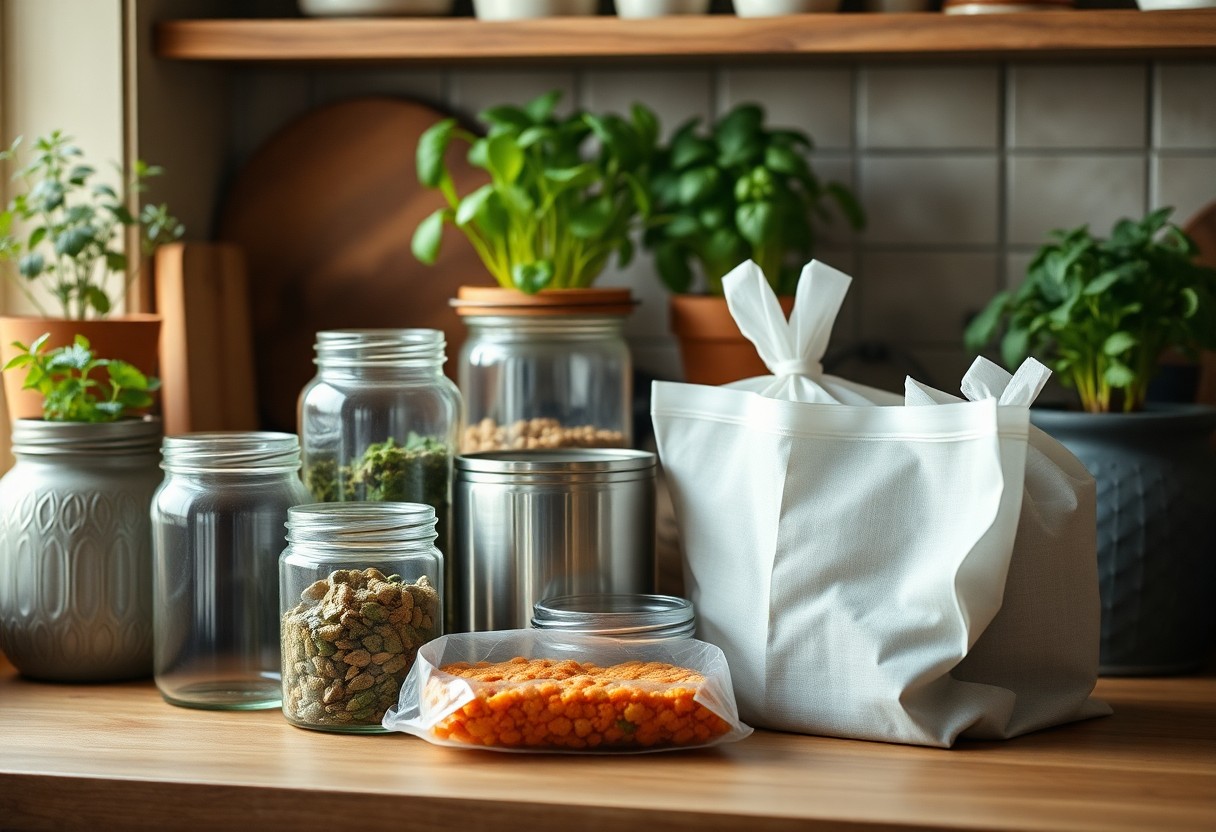
    Glass Containers and Mason Jars

    These glass containers are excellent alternatives to plastic containers, allowing you to store your food safely and healthily. You can use them to store leftovers, pack lunches, or preserve food, making them a great addition to your kitchen.

    Compostable and Biodegradable Alternatives

    Beside traditional storage methods, you can opt for compostable and biodegradable alternatives, such as beeswax wraps or plant-based containers, which can replace plastic wrap and containers. You can use them to store food, cover bowls, or wrap snacks, making them a convenient option.

    With compostable and biodegradable alternatives, you can enjoy the benefits of sustainable food storage while minimizing your environmental impact. You can compost them at home, reducing your waste and creating nutrient-rich soil for your garden, making your cooking not only healthy but also eco-friendly.

    Zero-Waste Cooking Tips

    Keep your cooking habits eco-friendly with these simple tips:

    • using reusable containers
    • avoiding single-use plastics

    . This approach will help you reduce your environmental footprint while cooking.

    Meal Planning and Prep

    Approximately, at the start of each week, you can plan your meals and make a grocery list to avoid buying unnecessary items and reduce waste.

    Reducing Food Waste and Composting

    The key to reducing waste is to be mindful of your food usage, you can start by composting food scraps and using them as fertilizer for your garden.

    Waste reduction begins with you, by implementing simple changes in your daily cooking routine, such as using up leftovers and planning your meals, you can significantly reduce the amount of waste you generate, and composting will help you turn waste into a valuable resource for your garden, helping you to maintain a sustainable kitchen.

    Innovative Green Products

    Despite the abundance of eco-friendly options, you may still be unsure about what products to choose for plastic-free cooking. You can explore innovative solutions that make cooking more sustainable and efficient.

    Bamboo and Wooden Utensils

    Betwixt the various options, you’ll find bamboo and wooden utensils to be excellent alternatives to plastic. You can use them for cooking, serving, and eating, reducing your plastic usage significantly.

    Plant-Based Cleaning Products

    Producing less waste is easier with plant-based cleaning products. You can use them to clean your kitchen and cooking utensils, creating a healthier environment for your family.

    Plus, when you opt for plant-based cleaning products, you’re not only reducing plastic waste but also avoiding harsh chemicals that can harm your health and the environment. You can explore various options, such as soap nuts, white vinegar, and lemon juice, to create effective cleaning solutions for your kitchen.

    Conclusion

    Conclusively, you now have the knowledge to make informed choices about the top green products for plastic-free cooking. You can transform your kitchen into an eco-friendly space by incorporating these products into your daily routine. Your decision to switch to plastic-free alternatives will significantly reduce your environmental footprint, and you will be contributing to a more sustainable future. By choosing these products, you are taking a significant step towards a healthier and more environmentally conscious lifestyle.

    FAQ

    Q: What are the benefits of using green products for plastic-free cooking?

    A: Using green products for plastic-free cooking has numerous benefits, including reducing plastic waste, minimizing exposure to harmful chemicals, and promoting a healthier environment. By switching to eco-friendly alternatives, you can significantly decrease your carbon footprint and contribute to a more sustainable future. Some popular green products for plastic-free cooking include silicone baking mats, bamboo utensils, and stainless steel cookware. These products are durable, non-toxic, and can be used multiple times, making them an excellent replacement for traditional plastic-based cooking tools.

    Q: What are some effective alternatives to traditional plastic wrap for food storage?

    A: There are several effective alternatives to traditional plastic wrap for food storage, including beeswax wraps, glass containers, and silicone storage bags. Beeswax wraps are a natural, reusable, and biodegradable option that can be used to cover bowls, wrap snacks, and store leftovers. Glass containers are another excellent alternative, as they are non-toxic, dishwasher safe, and can be used for both storing and serving food. Silicone storage bags are also a great option, as they are flexible, airtight, and can be used to store a variety of foods, from snacks to leftovers.

    Q: How can I make the transition to plastic-free cooking easier and more affordable?

    A: Making the transition to plastic-free cooking can be easier and more affordable by starting with small changes and investing in multi-purpose products. Begin by replacing one or two plastic-based products with eco-friendly alternatives and gradually work your way up to a fully plastic-free kitchen. Consider purchasing products in bulk, shopping during sales, or looking for discounts online to make the transition more affordable. Additionally, many green products, such as silicone baking mats and stainless steel cookware, are designed to be durable and long-lasting, making them a worthwhile investment in the long run. By making these small changes, you can create a more sustainable and healthier cooking environment without breaking the bank.

Sustainable Food Storage Options for Every Home

As you strive to reduce your environmental footprint, one area to focus on is your kitchen. You can start by exploring sustainable food storage options that help keep your food fresh while minimizing waste. When looking for the best containers for your needs, you can check out The Best Food Storage Containers for Leftovers, Meal Prep, and More to find the perfect fit for your home, allowing you to store food safely and sustainably.

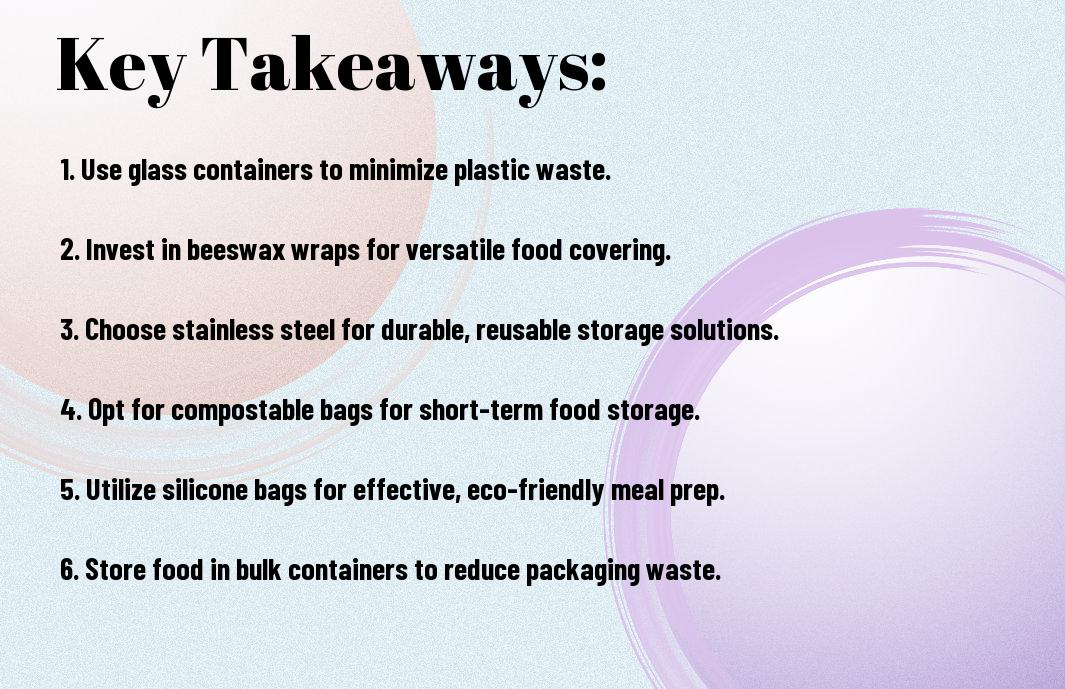
Key Takeaways:

To reduce our environmental footprint, it’s vital to adopt sustainable practices in every aspect of our lives, including food storage. Here are the main points to consider:

  • Using reusable containers is an excellent way to store food, as they can be used multiple times, reducing the need for single-use plastics and minimizing waste.
  • Eco-friendly storage solutions like beeswax wraps, glass containers, and stainless steel containers are great alternatives to traditional plastic storage options.
  • Investing in a root cellar or a cold storage unit can help keep fruits and vegetables fresh for longer, reducing the need for energy-intensive refrigeration and preserving the quality of the food.
  • Implementing proper food storage techniques, such as cooling, freezing, and dehydrating, can help extend the shelf life of perishable items and reduce food waste.
  • Choosing locally sourced and seasonal produce can also contribute to a more sustainable food system, as it reduces the need for long-distance transportation and supports the local economy.

Assessing Food Storage Needs

A thorough assessment of your food storage needs is necessary to create an effective storage system. You need to consider your eating habits, the type of food you store, and the space available in your kitchen.

Evaluating Kitchen Space

At the outset, take stock of your kitchen’s layout and dimensions to determine the best storage solutions for your space. You should measure your shelves, cabinets, and countertops to decide what size storage containers you can accommodate.

Considering Dietary Requirements

Any dietary restrictions or preferences you or your family members have will significantly impact your food storage needs. You should think about the types of food you need to store, such as gluten-free, vegan, or kosher options, and plan your storage accordingly.

Even if you have specific dietary needs, you can still find suitable storage solutions. You can label your storage containers to keep track of different types of food, and consider using separate storage areas for specialty items to avoid cross-contamination and ensure easy access to the food you need.

Sustainable Storage Solutions

There’s no denying that sustainable storage solutions are important for reducing your environmental footprint. You can make a significant impact by incorporating eco-friendly storage options into your daily life, starting with your kitchen. By choosing sustainable storage solutions, you can help minimize waste and keep your food fresh for longer.

Reusable Containers

Prior to switching to disposable containers, you likely used reusable ones without giving it a second thought. You can use glass or stainless steel containers to store your food, which are durable and can be used multiple times, reducing your reliance on single-use plastics.

Eco-Friendly Wraps

For a more sustainable alternative to plastic wrap, you can use eco-friendly wraps made from natural materials like beeswax or cloth. You can use these wraps to cover bowls, wrap snacks, and even store leftovers, reducing your use of plastic wrap and aluminum foil.

Consequently, as you explore the world of eco-friendly wraps, you’ll find that they are not only better for the environment, but also a healthier option for you and your family. You can wash and reuse these wraps multiple times, making them a valuable addition to your sustainable storage solutions. By incorporating eco-friendly wraps into your daily routine, you can significantly reduce your waste and create a more sustainable kitchen.

Food Preservation Methods

Despite the varying techniques, you can find a preservation method that suits your needs, allowing you to enjoy your favorite foods year-round while reducing food waste and supporting sustainable living.

Canning and Pickling

Methods like canning and pickling are great ways to preserve food, enabling you to store your harvest for extended periods, and they can be a fun and rewarding process for you to try in your own home.

Freezing and Dehydrating

Comparable to canning, freezing and dehydrating are excellent alternatives for preserving food, offering you a way to keep your food fresh for a longer period and maintain its nutritional value.

It is imperative to note that freezing and dehydrating require proper techniques and equipment to ensure your food is safely preserved, and you can find various resources online to guide you through the process, helping you to make the most of your harvest and reduce food waste in your home.

Kitchen Organization Tips

Keep your kitchen organized with simple tips. Consider:

  • Assigning a home for each item
  • Utilizing vertical space
  • Perceiving your kitchen as a cohesive unit will help you maintain organization.

    Maximizing Pantry Space

    Pertaining to your pantry, prioritize items by frequency of use. You can optimize storage by installing shelves or baskets, making the most of your pantry’s potential.

    Labeling and Inventory

    Among the most effective ways to maintain your kitchen, labeling and inventory management stand out. You can use labels and lists to keep track of your stored food, ensuring you use items before they expire.

    At the heart of effective labeling and inventory management is a system that works for you. You can use a spreadsheet or a mobile app to track your stored food, noting expiration dates and quantities. By doing so, you’ll be able to plan meals, avoid waste, and make the most of your kitchen storage, ensuring your food stays fresh and your kitchen stays organized.

    Healthy Eating and Food Storage

    All aspects of your life are impacted by the food you eat, and storing it properly is necessary for maintaining its nutritional value. You can keep your food fresh and healthy by using the right storage methods and containers.

    Nutritious Food Choices

    Choosing healthy options is key to maintaining a balanced diet, and you should consider the storage needs of different foods when planning your meals. You can make informed decisions about your food storage based on the types of food you buy and cook.

    Avoiding Food Waste

    Food preservation is an necessary part of sustainable living, and you can reduce waste by storing your food effectively. You can keep track of your food’s shelf life and plan your meals accordingly to minimize waste.

    Plus, by being mindful of your food storage, you can also save money and reduce your environmental impact. You can use containers that are designed to keep food fresh for longer, and label them so you can easily identify what you have stored and how long it has been there, helping you to use up ingredients before they expire.

    Creative Storage Ideas

    Your home can become a model of sustainability with creative food storage solutions, allowing you to reduce waste and keep your kitchen organized.

    Repurposing Old Containers

    Along with reducing waste, you can breathe new life into old containers by repurposing them as storage for dry goods, spices, or leftovers, making your kitchen more efficient.

    DIY Storage Projects

    Between the options of buying or building, you can create your own storage solutions using materials like wood, bamboo, or reclaimed items, giving your kitchen a unique touch.

    To take your DIY storage projects to the next level, you can consider adding labels, compartments, or shelves to maximize space and make the most out of your creations, ensuring that your food storage is both functional and aesthetically pleasing, making you feel proud of your sustainable kitchen setup.

    Conclusion

    Conclusively, you now have various sustainable food storage options to explore for your home. You can choose from glass containers, beeswax wraps, or bamboo storage bins to reduce your environmental footprint. By implementing these solutions, you will not only reduce waste but also keep your food fresh for a longer period, ultimately saving your time and money. Your decision to adopt sustainable food storage will contribute to a healthier planet.

    FAQ

    Q: What are the benefits of using glass containers for food storage?

    A: Glass containers are an excellent sustainable food storage option for every home. They are non-toxic, non-porous, and can be used for both hot and cold foods. Glass containers also preserve the flavor and aroma of food, and are 100% recyclable. Additionally, they are durable and can be used for a long time, reducing the need for single-use plastic containers and minimizing waste.

    Q: How can I use beeswax wraps as a sustainable alternative to plastic wrap?

    A: Beeswax wraps are a natural, reusable, and biodegradable alternative to plastic wrap. To use them, simply wrap your food or container with the beeswax wrap, and the heat from your hands will help to mold the wrap to create a seal. Beeswax wraps can be used to store a variety of foods, including fruits, vegetables, cheese, and bread. They are also easy to clean and maintain, and can be reused multiple times, making them a great sustainable food storage option for every home.

    Q: What are some tips for maintaining and cleaning sustainable food storage containers?

    A: To maintain and clean sustainable food storage containers, such as glass or stainless steel containers, or beeswax wraps, it’s necessary to wash them regularly with soap and warm water. For glass and stainless steel containers, a gentle scrubber or soft cloth can be used to remove any stubborn stains or residue. For beeswax wraps, a mild soap and cold water should be used to avoid damaging the wax. Additionally, it’s a good idea to dry your containers and wraps thoroughly after washing to prevent moisture from accumulating and causing bacterial growth. By following these simple tips, you can help extend the life of your sustainable food storage containers and keep them in good condition for a long time.

How Green Products Improve Your Cooking Experience

Key Takeaways:

  • Using eco-friendly cookware can significantly reduce the risk of toxic chemicals leaching into your food, making your cooking experience healthier and more sustainable.
  • Energy-efficient appliances can help you save time and money by cooking your meals faster and using less energy, making your cooking experience more convenient.
  • Choosing non-stick and easy-to-clean green products can make food preparation and cleanup a breeze, saving you time and effort in the kitchen.
  • Green products can also help you cook more nutritiously by allowing for gentle heat distribution and even cooking, preserving the natural flavors and vitamins of your ingredients.
  • By investing in durable and long-lasting green products, you can reduce your environmental footprint and contribute to a more sustainable future, while also enjoying a more enjoyable cooking experience.

Benefits of Green Products

While adopting green products in your kitchen, you can expect a significant improvement in your overall cooking experience. Green products offer a range of advantages, from reducing your environmental footprint to promoting a healthier lifestyle.

Environmental Impact

For instance, opting for eco-friendly cookware and utensils reduces waste and minimizes the amount of harmful chemicals released into the environment, making your kitchen a more sustainable space.

Health Benefits

By choosing green products, you can avoid exposure to toxic substances commonly found in traditional cookware, thereby safeguarding your well-being and that of your family.

Health is a top priority when it comes to cooking, and using green products can greatly enhance your culinary experience. You can enjoy your meals with peace of mind, knowing that your cookware and utensils are free from harmful chemicals and toxins, allowing you to focus on the joy of cooking and sharing meals with your loved ones.

Eco-Friendly Cooking Essentials

Any home cook knows that the right tools can make all the difference in the kitchen. Concerning eco-friendly cooking, you have a wide range of options to choose from, allowing you to create a more sustainable cooking experience.

Sustainable Cookware

Cooking with eco-friendly cookware is a great way to reduce your environmental impact. You can opt for pots and pans made from non-stick, non-toxic materials that are durable and long-lasting, making your cooking experience more enjoyable and sustainable.

Green Cleaning Products

Anything you use to clean your kitchen should be gentle on the environment. You can choose green cleaning products that are free from harsh chemicals, allowing you to keep your kitchen clean and eco-friendly.

Green Cleaning Products

Anything you use to clean your kitchen should be gentle on the environment. You can choose green cleaning products that are free from harsh chemicals, allowing you to keep your kitchen clean and eco-friendly.

At the heart of using green cleaning products is the understanding that you are not only protecting your health but also the environment. At the same time, you are creating a safe and healthy cooking space for yourself and your loved ones, which is vital for a positive cooking experience.

Improving Cooking Techniques

Despite the array of cooking methods available, using green products can significantly enhance your culinary skills. You’ll find that your dishes are not only delicious but also prepared in a more environmentally friendly manner. This, in turn, will boost your confidence in the kitchen, allowing you to experiment with new recipes and ingredients.

Energy-Efficient Methods

Along with the benefits of green products, you’ll discover energy-efficient methods that simplify your cooking process. You can optimize your cooking time and reduce your energy consumption, making your cooking experience more enjoyable and sustainable.

Reducing Food Waste

By adopting green cooking practices, you can minimize food waste and create a more sustainable kitchen. You’ll learn to plan your meals, use up leftovers, and make the most of your ingredients, reducing the amount of waste you generate.

Consequently, as you reduce food waste, you’ll not only contribute to a more sustainable environment, but you’ll also save money on your grocery bills and develop a more thoughtful approach to cooking. You’ll begin to appreciate the value of each ingredient and make a positive impact on the planet, one meal at a time, by making conscious choices in your kitchen.

Green Product Recommendations

Now that you’re considering a more sustainable kitchen, you’ll want to explore the many green products available. From non-toxic kitchen tools to eco-friendly gadgets, these products will enhance your cooking experience while reducing your environmental impact.

Non-Toxic Kitchen Tools

Across the market, you’ll find a variety of non-toxic kitchen tools made from natural materials like bamboo, stainless steel, and silicone, allowing you to cook with confidence and safety.

Eco-Friendly Gadgets

Beside your stove, eco-friendly gadgets like energy-efficient slow cookers and induction cooktops can help you cook more sustainably, using less energy and reducing waste in your kitchen.

This type of gadget not only benefits the environment, but also provides you with a more efficient and convenient cooking experience, allowing you to prepare healthy meals while minimizing your carbon footprint, and as you explore these options, you’ll find that making the switch to green products is easier than you think, and will have a significant impact on your cooking experience and the planet.

Creating a Sustainable Kitchen

Keep your kitchen eco-friendly by making a few simple changes to your cooking habits and the products you use. As you adopt green products, you’ll find that your kitchen becomes a healthier and more sustainable space. This, in turn, will enhance your overall cooking experience and contribute to a more environmentally conscious lifestyle.

Composting and Recycling

Against the backdrop of a growing environmental awareness, you can make a significant impact by composting food waste and recycling materials in your kitchen. By doing so, you reduce the amount of waste that ends up in landfills and conserve natural resources, setting a positive tone for your cooking experience.

Reducing Plastic Use

Above all, minimizing your use of plastic is crucial for creating a sustainable kitchen. You can start by replacing plastic bags and containers with reusable alternatives, such as beeswax wraps or glass containers, which will help reduce your plastic footprint and make your kitchen more eco-friendly.

Consequently, as you continue to reduce your plastic use, you’ll find that your kitchen becomes a more organized and sustainable space. You’ll be able to cook with a clear conscience, knowing that you’re doing your part to protect the environment. By making these small changes, you’ll not only improve your cooking experience but also contribute to a more sustainable future for your community and the planet.

Green Cooking Tips and Tricks

Once again, you can enhance your cooking experience by exploring green cooking methods. Here are a few:

  • Using eco-friendly cookware
  • Reducing food waste

You can learn more about The Joy of Eco-Friendly Cooking at The Joy of Eco-Friendly Cooking. Knowing these tips will help you become a more sustainable cook.

Seasonal Ingredient Cooking

Cookingly, using seasonal ingredients is key to a greener kitchen, as it reduces transportation emissions and supports local farmers, allowing you to create delicious meals with your fresh, locally-sourced ingredients.

Minimalist Meal Planning

Tips for a more sustainable kitchen start with planning, taking into account your dietary needs and the ingredients you already have, to minimize waste and make your meals more efficient, allowing you to create a personalized meal plan that works for you.

Another approach to minimalist meal planning involves simplifying your recipes and using fewer, high-quality ingredients, which not only reduces waste but also allows you to focus on the true flavors and textures of your food, making your cooking experience more enjoyable and your meals more satisfying, as you explore the benefits of a greener, more mindful approach to cooking.

To wrap up

So, by incorporating green products into your cooking routine, you’ll not only be doing your part for the environment, but you’ll also elevate your cooking experience. You’ll enjoy healthier meals, made with sustainable ingredients, and prepared using eco-friendly tools, allowing you to savor the true flavors of your dishes, while feeling good about your impact on the planet, and that’s a recipe for a more enjoyable and fulfilling time in the kitchen, for you.

FAQ

Q: What are the benefits of using green products in cooking, and how can they improve my overall cooking experience?

A: Using green products in cooking can significantly enhance your cooking experience by providing a healthier and more sustainable way of preparing meals. Green products, such as eco-friendly cookware, utensils, and cleaning supplies, are made from non-toxic and biodegradable materials that reduce the risk of chemical contamination and environmental pollution. Additionally, green products can help preserve the natural flavors and nutrients of ingredients, allowing you to create delicious and nutritious meals. By switching to green products, you can enjoy a more guilt-free and satisfying cooking experience that benefits both your health and the environment.

Q: How do green cooking products help reduce my environmental footprint, and what specific features should I look for when choosing these products?

A: Green cooking products can help reduce your environmental footprint by minimizing waste, conserving energy, and reducing the use of harsh chemicals. When choosing green cooking products, look for features such as energy-efficient designs, sustainable materials, and biodegradable or recyclable packaging. For example, eco-friendly cookware made from materials like stainless steel or cast iron can be more durable and long-lasting, reducing the need for frequent replacements and waste. Additionally, products with non-stick coatings made from natural materials like ceramic or silicone can eliminate the need for oil andreduce food residue, making cleaning easier and more efficient.

Q: Can using green products in cooking really make a significant difference in the taste and quality of my meals, and are there any specific green cooking techniques I can try to enhance the flavor of my dishes?

A: Yes, using green products in cooking can make a significant difference in the taste and quality of your meals. Green products can help preserve the natural flavors and nutrients of ingredients, resulting in more vibrant and delicious dishes. To enhance the flavor of your meals, try using green cooking techniques like steaming, grilling, or roasting, which can help retain the natural flavors and textures of ingredients. Additionally, using eco-friendly cookware and utensils can help distribute heat evenly and prevent the transfer of chemicals or metallic flavors to your food. Experiment with new green cooking techniques and products to discover the unique flavors and benefits they can bring to your meals.

Akademiya Skip to content