Green Products

Top Tips for Shopping Green in 2025

As you make a conscious effort to reduce your environmental footprint, your shopping habits play a significant role. You can make a positive impact by choosing eco-friendly products and sustainable practices. Your daily purchases can contribute to a healthier planet, and with the right guidance, you can shop green effectively. You will learn how to make informed decisions, from selecting products with minimal packaging to buying from brands that prioritize sustainability, helping you to create a better future for yourself and the planet.

Key Takeaways:

To make a positive impact on the environment through your shopping habits in 2025, consider the following points:

  • Embrace Sustainable shopping by choosing products with minimal packaging, buying in bulk, and opting for items made from Recycled materials.
  • Support Eco-Friendly brands that prioritize environmental responsibility and have transparent supply chains, reducing your carbon footprint and promoting Green practices.
  • Incorporate Second-Hand shopping into your routine, exploring thrift stores, online marketplaces, and clothing swaps to reduce waste and extend the life of existing Products.
Setting the Scene

Before you begin on your green shopping journey, it’s important to understand the context. As you consider your purchasing decisions, you’ll be contributing to a larger movement towards sustainability.

The Importance of Green Shopping

The truth is, your shopping habits have a significant impact on the environment. By choosing eco-friendly options, you can reduce your carbon footprint and support companies that prioritize sustainability.

Current Environmental Challenges

Above all, the state of the planet is a concern for everyone. You are likely aware of the environmental issues caused by human activities, including pollution and climate change.

With the increasing awareness of environmental degradation, you may be wondering how your daily choices, such as shopping, affect the planet. You can make a difference by adopting green shopping practices, and this guide will walk you through the steps to get started.

Smart Shopping Strategies

Any effective green shopping plan begins with a thoughtful approach to consumption. You can make a significant impact by adopting a few simple strategies that reduce your environmental footprint.

Buying Local and Seasonal Products

Similarly, shopping for products that are in season and locally sourced can greatly reduce your carbon footprint. You will be supporting your local economy and reducing transportation-related emissions.

Avoiding Single-Use Plastics

Across the globe, single-use plastics have become a major environmental concern. You can make a difference by choosing products with minimal or biodegradable packaging, and opting for reusable bags and containers.

Hence, as you work to minimize your use of single-use plastics, consider the broader implications of your choices. You can explore alternatives like beeswax wraps, cloth bags, and stainless steel containers to replace plastic wrap, bags, and water bottles, ultimately reducing the amount of waste that ends up in landfills and oceans.

Eco-Friendly Product Choices

For a more sustainable lifestyle, you can make eco-friendly product choices that benefit the environment. You can opt for products with minimal packaging, made from sustainable materials, and designed for recyclability.

Sustainable Fashion Options

Above all, consider the environmental impact of your clothing purchases. You can choose second-hand clothing, buy from sustainable fashion brands, and invest in timeless pieces that won’t end up in landfills soon.

Green Home and Cleaning Products

EcoConsciously, you can switch to green home and cleaning products that are free from harsh chemicals and toxins. You can opt for products with natural ingredients, biodegradable packaging, and refill options.

For instance, you can replace your traditional cleaning products with ones that use plant-based ingredients, are free from phosphates, and have minimal packaging. This simple switch can significantly reduce your environmental footprint and create a healthier living space for you and your family.

Reducing Waste and Consumption

Now that you’re committed to shopping green, it’s time to focus on reducing waste and consumption. You can start by making a few simple changes to your daily habits, such as choosing products with minimal packaging and buying in bulk.

Minimalism and Zero-Waste Living

Along with adopting a more mindful approach to consumption, you can explore the benefits of minimalism and zero-waste living. You’ll find that living with fewer possessions and reducing your waste output can have a significant impact on the environment and your overall well-being.

Creative Ways to Reuse and Repurpose

Zeroing in on creative ways to reuse and repurpose items can help you reduce your waste even further. You can turn old jars into planters, use cloth bags for shopping, and find new uses for items you might have otherwise discarded.

And as you explore creative ways to reuse and repurpose, you’ll discover that the possibilities are endless. You can update your old furniture, turn old clothes into quilts or rugs, and even use food scraps to create nutrient-rich compost for your garden. By thinking outside the box and getting creative, you can significantly reduce your waste and make a positive impact on the environment.

Supporting Green Businesses

Keep in mind that supporting green businesses is a key aspect of shopping green, as it encourages the growth of sustainable practices and reduces your environmental footprint. You can find these businesses by looking for certifications like B Corp or 1% for the Planet.

Shopping from Eco-Conscious Brands

Around every corner, you’ll find eco-conscious brands that prioritize sustainability, using eco-friendly materials and minimizing waste. You can explore their websites, social media, or visit their stores to learn more about their practices.

Promoting Sustainable Practices

Beneath the surface of your daily shopping habits, you have the power to promote sustainable practices by choosing products with minimal packaging, buying in bulk, and avoiding single-use items. You can make a significant impact by incorporating these habits into your daily life.

In addition to making conscious choices, you can also promote sustainable practices by providing feedback to businesses on their environmental impact, encouraging them to adopt more sustainable methods, and supporting policies that prioritize the environment. By taking these steps, you can contribute to a larger movement towards a more sustainable future, and your actions will have a positive impact on the planet.

Making a Difference

Your daily choices have a significant impact on the environment, and shopping green is a great way to contribute to a sustainable future. By making eco-friendly purchases, you are supporting companies that prioritize the planet’s well-being.

Individual Actions, Collective Impact

Prior to making any changes, consider the long-term effects of your shopping habits and how they can collectively make a difference when combined with the actions of others. You will be surprised at the positive impact you can have.

Spreading Awareness and Inspiring Others

Beside the efforts you make in your daily life, sharing your knowledge with others can amplify the effects of green shopping. You can inspire friends and family to join you in making sustainable choices.

Another way to spread awareness is by engaging in conversations about the importance of eco-friendly shopping and the benefits it has on the environment. You can share articles, videos, or personal experiences that highlight the positive impact of green shopping, encouraging others to follow your lead and make a difference together.

To wrap up

Conclusively, you now have the knowledge to make a positive impact on the environment through your shopping habits. By implementing your top tips for shopping green in 2025, you will reduce your carbon footprint and contribute to a sustainable future. You can make a difference with your eco-friendly choices, and your actions will benefit the planet for years to come. Your informed decisions will shape a better world, starting with your next purchase.

FAQ

Q: What are the benefits of shopping green in 2025?

A: Shopping green in 2025 offers numerous benefits, including reducing your carbon footprint, conserving natural resources, and promoting sustainable development. By choosing eco-friendly products and supporting environmentally responsible companies, you contribute to a healthier planet and help mitigate the impacts of climate change. Additionally, many green products are designed to be long-lasting and energy-efficient, which can save you money in the long run.

Q: How can I identify environmentally friendly products when shopping?

A: To identify environmentally friendly products, look for certifications such as Energy Star, USDA Organic, or Fair Trade. These labels indicate that the product meets certain standards for energy efficiency, organic farming practices, or fair labor conditions. You can also check the product’s packaging for eco-friendly materials, minimal packaging, or refill options. Furthermore, research the company’s sustainability policies and read reviews from other customers to get a sense of the product’s environmental impact.

Q: What are some simple changes I can make to my shopping habits to live more sustainably?

A: Some simple changes you can make to live more sustainably include bringing reusable bags and containers when shopping, choosing products with minimal packaging, and buying in bulk. You can also try to reduce your consumption of single-use plastics, opt for digital receipts and documents, and support local businesses that prioritize sustainability. Additionally, consider adopting a “zero-waste” mindset by planning your shopping trips, using up leftovers, and composting food waste.

Q: Are green products more expensive than traditional products?

A: While some green products may be more expensive than their traditional counterparts, many eco-friendly options are competitively priced or even cheaper in the long run. For example, energy-efficient appliances may cost more upfront but can save you money on your utility bills over time. Similarly, buying in bulk or shopping during sales can help reduce the cost of sustainable products. Moreover, consider the long-term benefits of investing in high-quality, eco-friendly products that are designed to last, reducing the need for frequent replacements and waste.

Q: How can I get involved in my community to promote sustainable shopping practices?

A: You can get involved in your community to promote sustainable shopping practices by participating in local initiatives, such as clean-up events, recycling programs, or community gardens. You can also join online forums or social media groups to connect with like-minded individuals and share tips and resources on sustainable living. Consider volunteering with local organizations that focus on environmental conservation or supporting policy changes that promote sustainability in your community. By working together, you can help create a ripple effect and inspire others to adopt eco-friendly habits and make a positive impact on the environment.
How Green Products Save Money Over Time

As you consider making the switch to green products, you may be wondering if the investment is worth it. You’ll be pleased to know that opting for eco-friendly alternatives can have long-term financial benefits. Your decision to go green can lead to significant savings over time, from reduced energy consumption to lower maintenance costs. By choosing green products, you can enjoy a more sustainable lifestyle while also cutting down on your expenses, making it a smart choice for your wallet and the environment.

Key Takeaways:

  • Using Energy-Efficient appliances and products can lead to significant Cost Savings over time by reducing Energy Consumption and lowering utility bills.
  • Investing in Durable and Long-Lasting green products can minimize the need for frequent Replacements and Maintenance, resulting in long-term Financial Benefits.
  • Adopting Sustainable practices and using Eco-Friendly products can also help reduce Waste and minimize the Environmental Impact of daily activities, while also saving money on Disposal Costs and potential Fines.

Benefits of Green Products

The benefits of green products are numerous, and they can have a significant impact on your wallet. By switching to eco-friendly products, you can save money in the long run and contribute to a more sustainable future.

Reduced Energy Consumption

Around your home, you can make changes to reduce energy consumption, such as using energy-efficient light bulbs and appliances, which are often green products that use less energy and last longer.

Lower Utility Bills

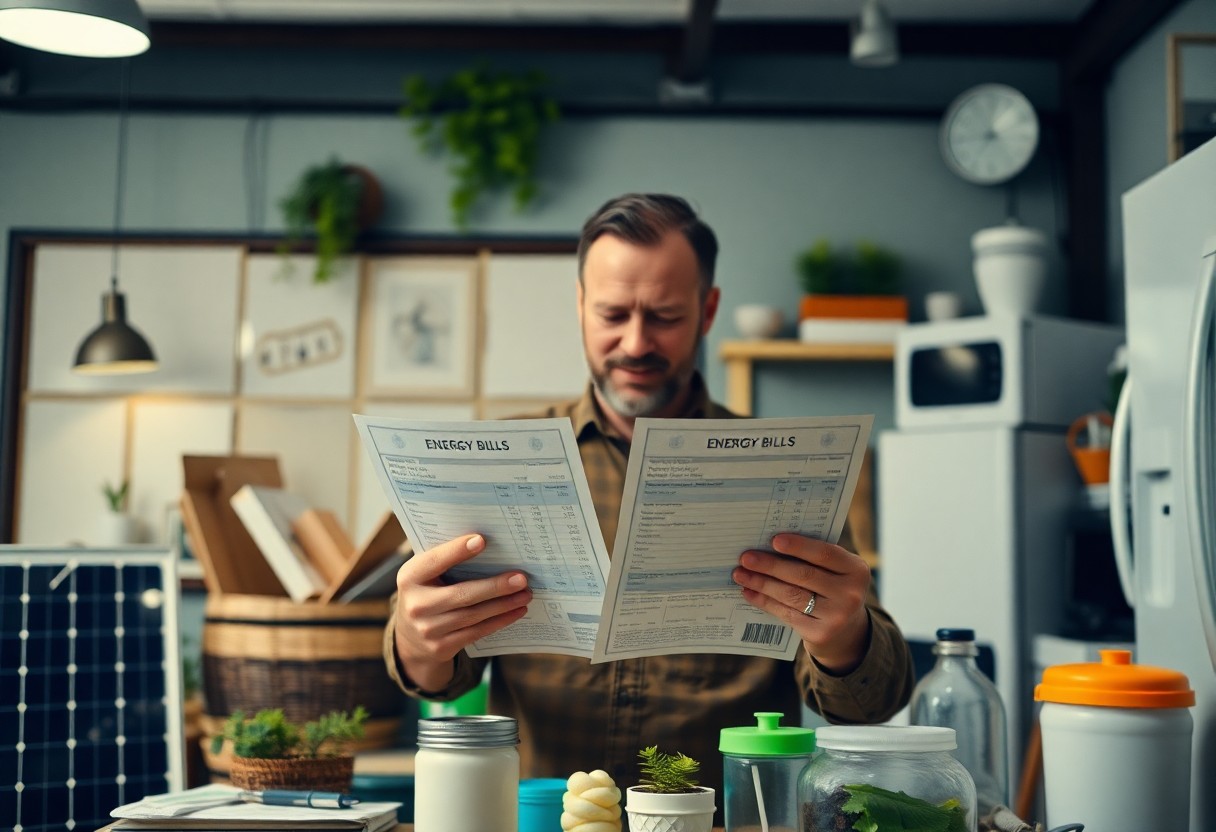
Products like solar panels and energy-efficient windows can help you save money on your utility bills. You will notice a decrease in your energy consumption, which translates to lower bills.

In addition, when you invest in green products that reduce your energy consumption, you will see a significant decrease in your utility bills over time, allowing you to allocate your money to other important areas of your life, and you will be able to enjoy the benefits of going green while saving money.

Long-Term Savings

If you invest in green products, you can expect to save money over time due to their energy-efficient and eco-friendly features, which lead to lower utility bills and reduced waste.

Increased Durability

Behind the scenes, green products are designed to last longer, reducing the need for frequent replacements and saving you money in the long run on purchases and waste disposal.

Maintenance Cost Reduction

Before you know it, the savings from reduced maintenance costs will add up, as green products often require less upkeep and servicing, putting more money back in your pocket.

The reduction in maintenance costs is a significant advantage of green products, as you will spend less on repairs, replacements, and servicing, allowing you to allocate your budget to other important areas, and ultimately, increasing your overall savings over time.

Environmental Impact

Many green products have a significant impact on the environment, and by using them, you can contribute to a more sustainable future. You will be reducing your carbon footprint and conserving natural resources, which is beneficial for your community and the planet.

Reduced Carbon Footprint

Eco-friendly choices lead to a decrease in greenhouse gas emissions, and as you make these choices, you are helping to reduce air pollution and mitigate climate change. You can feel good about your decision to use green products, knowing you are making a positive impact.

Conservation of Natural Resources

Impact of using green products on the environment is significant, and as you choose these products, you are helping to conserve water, energy, and land. You are also reducing waste and promoting sustainable practices that benefit your community and the planet.

A significant advantage of conservation of natural resources is that it ensures their availability for future generations. As you continue to use green products, you are contributing to a sustainable future, and you can be confident that your choices are making a positive difference in your community and the world at large.

Government Incentives

Now, when you invest in green products, you can benefit from government incentives that help offset the initial costs. These incentives are designed to encourage you to adopt eco-friendly practices and reduce your environmental footprint.

Tax Credits

Any homeowner or business owner can take advantage of tax credits offered by the government for installing green products such as solar panels or energy-efficient windows, which can help you save money on your taxes.

Rebates and Grants

Similarly, rebates and grants are available to you for purchasing green products, such as energy-efficient appliances or rainwater harvesting systems, which can help you reduce your utility bills and save money in the long run.

Hence, by taking advantage of rebates and grants, you can significantly reduce the upfront costs of green products and enjoy long-term savings on your energy and water bills, making your investment in green products a financially viable option for you.

Innovative Green Technologies

To stay ahead of the curve, you can invest in innovative green technologies that save you money in the long run. These technologies offer efficient solutions for your daily needs, reducing your environmental footprint and lowering your expenses.

Renewable Energy Sources

With the rise of renewable energy sources, you can harness the power of solar, wind, or hydro energy to power your home or business, significantly reducing your reliance on non-renewable energy sources.

Sustainable Materials

An array of sustainable materials is available for you to choose from, including bamboo, recycled wood, and low-VOC paints, which can help you reduce waste and minimize your environmental impact.

Consequently, as you incorporate sustainable materials into your daily life, you will notice a significant reduction in your maintenance and replacement costs, as these materials are designed to be durable and long-lasting, saving you money over time.

Consumer Awareness

Keep in mind that your understanding of green products plays a significant role in making informed purchasing decisions. As you become more aware of the benefits of eco-friendly products, you can make better choices that save you money in the long run.

Eco-Labeling

Around the world, you’ll find various labels indicating a product’s environmental sustainability. About these labels, it’s important to know what they mean to make an informed decision that aligns with your values and budget.

Product Certification

Prior to making a purchase, you’ll want to look for certified products that meet certain environmental standards. Before investing in a product, ensure it has a reputable certification, which can give you confidence in your choice.

Consumer trust in product certification is important for the success of green products. As you research and understand the different certifications available, you’ll be able to identify products that not only reduce your environmental impact but also offer long-term cost savings. You can then make informed decisions that benefit both your wallet and the planet.

Conclusion

Upon reflecting on the benefits of green products, you’ll find that they save you money over time. By investing in energy-efficient appliances and sustainable materials, you reduce your expenses in the long run. You can learn more about the financial advantages of eco-friendly choices at Eco-Savvy Savings: How Going Green Can Save You Money, and make informed decisions to boost your savings and support your environmentally conscious lifestyle.

FAQ

Q: What are green products and how can they help me save money over time?

A: Green products, also known as eco-friendly products, are items that are designed to have a reduced impact on the environment. They can help you save money over time by reducing your energy consumption, water usage, and waste production. For example, energy-efficient light bulbs and appliances can lower your electricity bills, while eco-friendly cleaning products can reduce the need for frequent replacements and minimize waste disposal costs.

Q: How do green products reduce energy consumption and save me money on my utility bills?

A: Green products such as solar panels, energy-efficient windows, and LED light bulbs are designed to reduce energy consumption by using less power to operate. For instance, LED light bulbs use up to 90% less energy than traditional incandescent bulbs, which can significantly lower your electricity bills over time. Additionally, energy-efficient appliances like refrigerators and air conditioners can also reduce energy consumption and save you money on your utility bills.

Q: Can green products help me save money on maintenance and replacement costs?

A: Yes, green products can help you save money on maintenance and replacement costs. Eco-friendly products are designed to be durable and long-lasting, reducing the need for frequent repairs and replacements. For example, bamboo flooring is more resistant to wear and tear than traditional hardwood flooring, which can reduce maintenance costs over time. Additionally, green products like low-flow showerheads and toilets can reduce water consumption and lower your water bills.

Q: How can I determine which green products will save me the most money over time?

A: To determine which green products will save you the most money over time, you should consider the cost of the product, its energy efficiency, and its expected lifespan. Look for products with the ENERGY STAR label, which indicates that they meet energy efficiency standards set by the U.S. Environmental Protection Agency. You can also calculate the payback period of a product by dividing its cost by the amount of money it saves you per year. This will help you determine which products will provide the best return on investment.

Q: Are green products more expensive than traditional products, and is the cost savings worth the initial investment?

A: While some green products may be more expensive than traditional products, many of them can provide long-term cost savings that outweigh the initial investment. For example, solar panels may require a significant upfront investment, but they can save you money on your electricity bills for years to come. Additionally, many green products, such as energy-efficient appliances and LED light bulbs, are competitively priced with traditional products and can provide significant cost savings over time. It’s also worth considering that the cost of green products is decreasing as technology improves and demand increases, making them more accessible to consumers.

The Best Green Subscription Boxes to Try

As you begin on your journey to a more sustainable lifestyle, you’ll find that your mailbox can be a powerful catalyst for change. You’re about to uncover the secret to making eco-friendly living a whole lot easier, and it starts with your monthly delivery. You’ll get to discover innovative products, ditch the clutter, and join a community of like-minded individuals who share your passion for the planet. Get ready to unbox your way to a greener you, with the best green subscription boxes tailored just for you.

Key Takeaways:

To get the most out of green subscription boxes, consider the following points:

  • Look for boxes that offer eco-friendly products, such as reusable items, sustainable materials, and natural ingredients, to reduce your environmental impact.
  • Choose a subscription service that aligns with your lifestyle and values, whether it’s focused on zero-waste, wellness, or beauty products.
  • Check the customization options and flexibility of the subscription box, allowing you to personalize your experience and skip or pause deliveries as needed, ensuring you get the most out of your green subscription.

What are Green Subscription Boxes

For those looking to live a more sustainable lifestyle, green subscription boxes are a great place to start. They deliver eco-friendly products to your doorstep, making it easy to reduce your environmental footprint.

Definition and Purpose

Around the concept of reducing waste, green subscription boxes have emerged as a convenient solution. You can expect to find a variety of products, from reusable bags to refillable water bottles, all aimed at helping you live more sustainably.

Benefits for the Environment

On the path to a greener future, these boxes play a significant role. You’ll be reducing your reliance on single-use plastics and supporting companies that prioritize the environment, which in turn helps to minimize your carbon footprint.

Even as you indulge in the convenience of these subscription boxes, you’ll be contributing to a larger movement. Your choice to opt for eco-friendly products will have a positive impact on the environment, and as more people make this choice, the effects will be even more significant, inspiring a wave of change in the way you and others live and consume.

Top Picks for Green Subscription Boxes

There’s a plethora of green subscription boxes out there, but you’ll want to focus on the ones that truly deliver on their eco-friendly promises. You’re looking for boxes that align with your values and help you live a more sustainable lifestyle.

Eco-Friendly Options

Above all, you want your subscription box to be filled with products that are gentle on the planet. You’ll find that many boxes offer a range of eco-friendly products, from reusable water bottles to biodegradable cleaning supplies.

Sustainable Living Choices

Below the surface of these subscription boxes, you’ll discover a wealth of sustainable living choices that can transform your daily routine. You’ll get access to innovative products and tips that will help you reduce your carbon footprint.

Considering your desire to live a more sustainable lifestyle, you’ll appreciate the curated selection of products in these subscription boxes. You’ll find that they cater to your every need, from zero-waste kitchen necessarys to eco-friendly personal care products, and as you dive deeper, you’ll uncover a community of like-minded individuals who share your passion for the planet, and that, my friend, is the ultimate game-changer.

How to Choose the Best Green Subscription Box

Now that you’re exploring into the world of green subscription boxes, it’s time to navigate the sea of options. You’ll want to find the one that resonates with your values and meets your needs, but where do you start?

Considerations for Selection

Beneath the surface of each subscription box lies a unique blend of products and philosophies. Below the marketing hype, you’ll find that some boxes focus on sustainable living, while others prioritize eco-friendly skincare or zero-waste household items – it’s up to you to decide what matters most.

Evaluating Quality and Value

Underneath the fancy packaging and compelling product descriptions, you need to assess the actual quality and value of each box. Below the radar of flashy marketing campaigns, you’ll discover that some boxes offer exceptional products, while others fall short – it’s your job to separate the gems from the duds.

Consequently, as you investigate deeper into the world of green subscription boxes, you’ll begin to appreciate the nuances of what sets each one apart. You’ll start to notice the attention to detail, the sourcing of materials, and the overall commitment to sustainability that each box embodies. As you weigh your options, consider your own values and priorities – what does “green” mean to you, and which box best aligns with your vision for a more sustainable lifestyle? You’ll find that the best green subscription box for you is the one that not only delivers quality products but also resonates with your personal ethos.

Popular Green Subscription Box Services

All the major players in the eco-friendly market are now offering subscription boxes that cater to your every green need, from skincare to household cleaning products, making it easier for you to make a positive impact on the environment.
Reviews and Ratings

Around the web, you’ll find numerous reviews and ratings from customers who have tried these green subscription boxes, giving you a better idea of what to expect from each service and helping you make an informed decision about which one to try.

Customer Experiences

Against the backdrop of a growing demand for sustainable living, you’re likely to find that customer experiences with green subscription boxes are overwhelmingly positive, with many customers appreciating the convenience and variety of products offered.

Popular green subscription boxes have become a staple in many households, and as you investigate into the world of eco-friendly living, you’ll find that these services offer a great way to discover new products and brands that align with your values, and with each delivery, you’ll be one step closer to reducing your carbon footprint and living a more sustainable lifestyle.

The Impact of Green Subscription Boxes

Many of you are probably wondering how these green subscription boxes can make a difference in your life and the world around you. As you explore into the world of eco-friendly subscription services, you’ll discover the numerous benefits they offer, from reducing waste to promoting sustainable living.

Environmental Effects

Beneath the surface of these subscription boxes lies a significant impact on the environment, as you’ll find that they often use biodegradable materials, reduce packaging, and promote eco-friendly products, allowing you to make a positive change in your daily life.

Social Responsibility

Between the lines of your subscription box experience, you’ll find a sense of social responsibility, as many companies partner with organizations that support environmental causes, and you’ll be contributing to a larger movement towards a more sustainable future.

Effects of your subscription box choices can be seen in the way companies are now more inclined to adopt sustainable practices, and as you continue to support these eco-friendly services, you’ll be driving change and promoting a culture of social responsibility, which will ultimately benefit your community and the world at large.

Tips for Getting the Most Out of Green Subscription Boxes

Unlike other subscription services, green boxes require a bit of strategy to maximize their benefits. Consider the following:

  • Choose boxes that align with your values
  • Read reviews and check the ingredients

After selecting the right box, you’ll be on your way to a more sustainable lifestyle.

Maximizing Benefits

Beneath the surface of these eco-friendly boxes lies a world of possibilities. By opting for seasonal and locally sourced products, you can support your local community and reduce your carbon footprint.

Minimizing Waste

Beside the obvious benefits of reducing plastic use, you can also minimize waste by choosing boxes with minimal packaging and opting for products with refill options.

Waste not, want not – this old adage takes on a new meaning when it comes to your green subscription box. You can minimize waste by repurposing packaging materials, composting, and avoiding single-use products, making your subscription box experience even more guilt-free and sustainable, and allowing you to bask in the glory of your eco-friendly choices.

To wrap up

Ultimately, you’ve got the lowdown on the best green subscription boxes to try, and now it’s time to take your eco-friendly game to the next level. You can choose the one that fits your vibe, and get ready to launch on a sustainable adventure that’ll make your conscience feel as smooth as a summer breeze. Your green journey starts here, and with these boxes, you’ll be well on your way to living your best, most environmentally-friendly life.

FAQ

Q: What are green subscription boxes and how do they contribute to a sustainable lifestyle?

A: Green subscription boxes are monthly or quarterly delivery services that provide customers with a selection of eco-friendly products, such as reusable water bottles, bamboo toothbrushes, and refillable straws. These boxes help individuals reduce their environmental footprint by introducing them to new sustainable products and practices, promoting a more environmentally conscious lifestyle. By choosing products made from natural, biodegradable, or recycled materials, individuals can minimize their waste and support companies that prioritize sustainability.

Q: What types of products can I expect to find in a green subscription box?

A: Green subscription boxes typically include a variety of products, such as organic skincare and beauty products, artisanal foods, and eco-friendly household items. Some popular items found in these boxes include beeswax wraps, stainless steel containers, and natural soap. Each box is carefully curated to provide customers with a new selection of products that align with their values and help them reduce their environmental impact. Some boxes may also include educational materials and tips on sustainable living, helping customers make informed choices and develop new habits.

Q: How do I choose the best green subscription box for my needs and preferences?

A: To choose the best green subscription box, consider your personal preferences, values, and lifestyle. Think about the types of products you’re interested in, such as skincare, food, or household items. Look for boxes that align with your dietary restrictions, such as vegan or gluten-free. Also, consider the price point and frequency of delivery. Some boxes offer monthly, quarterly, or one-time deliveries, so choose the option that best fits your schedule and budget. Reading reviews and checking the box’s social media can also give you an idea of the quality of products and customer service.

Q: Are green subscription boxes affordable and worth the investment?

A: While green subscription boxes may seem like an added expense, they can be a worthwhile investment for those committed to sustainable living. Many boxes offer a discount on the first month or a loyalty program, making them more accessible. Additionally, the products included in these boxes are often high-quality, natural, and long-lasting, which can reduce waste and save money in the long run. By investing in a green subscription box, individuals can support companies that prioritize sustainability and reduce their environmental impact, making it a valuable investment for those passionate about eco-friendly living.

Q: Can I customize my green subscription box or skip a month if I need to?

A: Many green subscription boxes offer customization options, such as choosing the products or frequency of delivery. Some boxes also allow customers to pause or skip a month if needed. It’s best to check the box’s website or contact their customer service to see what options are available. Some boxes may also offer a one-time purchase option or a gift subscription, making it easy to try out a new box or share it with a friend. By choosing a box that aligns with your needs and preferences, you can enjoy a personalized and flexible green subscription experience.

Top Compostable Products You’ll Love

You’re making a conscious effort to reduce your environmental footprint, and that’s a great start. As you explore ways to live more sustainably, you’re likely looking for products that align with your values. Your daily choices can have a significant impact on the planet, and opting for compostable products is an excellent way to minimize waste. You’ll be delighted to discover the innovative, eco-friendly alternatives available, making it easier for you to make a positive difference in your daily life.

Key Takeaways:

To make the most out of compostable products, here are a few points to consider:

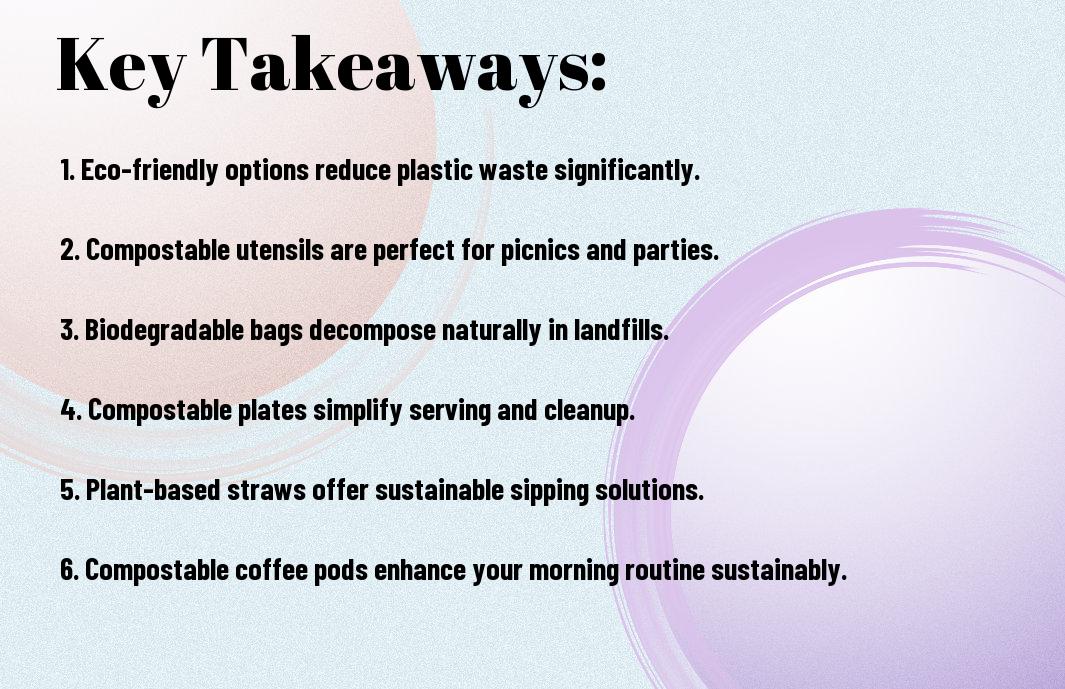
  • Choosing biodegradable alternatives to traditional plastic products can significantly reduce waste and minimize environmental impact.
  • Using compostable bags and containers for food waste and other organic materials can help create nutrient-rich soil for gardening and agriculture.
  • Incorporating eco-friendly products into daily life, such as compostable cutlery and plates, can contribute to a more sustainable lifestyle and reduce reliance on single-use plastics.

Benefits of Compostable Products

For you, the benefits of compostable products are numerous, and they can greatly impact your daily life and the environment. By choosing compostable products, you can reduce your waste output and contribute to a more sustainable future.

Reducing Waste

With the help of compostable products, you can significantly minimize the amount of waste you generate, making your lifestyle more eco-friendly and saving landfill space.

Environmental Impact

Ecologically, the effects of compostable products on the environment are profound, as they break down naturally and do not harm the ecosystem, allowing you to make a positive impact on the planet.

Impact of your choices can be seen in the long run, as compostable products reduce greenhouse gas emissions and help maintain healthy soil, which in turn supports plant growth and biodiversity, ultimately benefiting your community and the environment you live in.

Top Compostable Products

There’s a wide range of compostable products available in the market that you can use to reduce your waste. You can make a significant impact by switching to eco-friendly alternatives, and your efforts will contribute to a more sustainable future.

Biodegradable Bags

Any alternative to traditional plastic bags is a good starting point, and biodegradable bags are a great option. You can use them for grocery shopping, carrying lunch, or storing items, and they will break down naturally in the environment, reducing your carbon footprint.

Compostable Cutlery

An crucial item in your daily life, compostable cutlery is a game-changer. You can use it for eating on-the-go or at home, and it will decompose easily, reducing plastic waste and minimizing harm to the environment.

Also, when choosing compostable cutlery, you should look for products made from plant-based materials, such as cornstarch or sugarcane, which are biodegradable and non-toxic. You can use them with confidence, knowing that you are making a positive impact on the planet and setting a good example for others to follow.

Eco-Friendly Alternatives

After making the switch to compostable products, you’ll be amazed at the positive impact on your daily life and the environment. You’ll find innovative solutions for everyday items, making it easy to live a more sustainable lifestyle.

Reusable Water Bottles

Around your home and on-the-go, you can make a significant change by opting for reusable water bottles, reducing your reliance on single-use plastics and keeping your drinks hot or cold for hours.

Beeswax Wraps

EcoConsciously, you can replace plastic wrap with beeswax wraps, a natural and biodegradable alternative for food storage, keeping your food fresh and your conscience clear.

Bottles and containers are not the only items that can be replaced with eco-friendly alternatives; beeswax wraps are a game-changer for food storage, allowing you to cover bowls, wrap snacks, and store leftovers while reducing your plastic usage and waste, making your kitchen a more sustainable space, tailored to your needs and values.

Innovative Compostable Materials

Many companies are now focusing on creating compostable products, and you can find the latest trends at The Best Compostable Products of 2024. This shift towards sustainability is changing the way you think about your daily purchases.

Plant-Based Packaging

Beside the growing demand for eco-friendly products, you’ll find innovative plant-based packaging solutions that are compostable and non-toxic, allowing you to make a positive impact on the environment with your choices.

Mushroom-Based Products

Among the most exciting developments in compostable materials are products made from mycelium, the root structure of mushrooms, which you can use to replace traditional plastics in many applications.

It is worth noting that mushroom-based products have the potential to revolutionize the way you think about packaging and disposable goods, offering a compostable alternative that can help reduce waste and minimize your environmental footprint.

Making the Switch

To make a significant impact on the environment, you can start by incorporating compostable products into your daily life. This simple change can greatly reduce your carbon footprint and contribute to a more sustainable future. You’ll be amazed at how easy it is to switch to eco-friendly alternatives.

Simple Changes

Beneath the surface of your daily routine, you can make adjustments to reduce waste. You can replace plastic bags with compostable ones, swap paper towels for reusable cloths, and opt for compostable trash bags. These small changes will add up and make a significant difference in your environmental impact.

Community Involvement

Collectively, community efforts can lead to significant positive change. You can get involved in local initiatives, participate in beach cleanups, or join a community garden to make a difference. By working together, you can create a ripple effect and inspire others to follow your lead.

Another aspect of community involvement is supporting local businesses that prioritize sustainability. You can choose to shop at stores that offer compostable products, and encourage your friends and family to do the same. By doing so, you’ll be promoting a culture of sustainability and contributing to a healthier environment for your community.

Successful Brands

Once again, you’ll find that many popular companies are now offering compostable products, making it easier for you to make sustainable choices in your daily life. You can trust these brands to provide high-quality, eco-friendly products that align with your values.

Patagonia

By now, you’re likely familiar with Patagonia, a brand known for its environmental responsibility. You can find a range of compostable products from Patagonia, from clothing to accessories, all made with sustainable materials.

Lush

The concept of compostable products is not new to Lush, as you’ve probably noticed their commitment to reducing waste in their packaging and products. You can explore their offerings, which include compostable packaging and sustainable ingredients.

Due to Lush’s dedication to sustainability, you can feel confident in your purchase, knowing that you’re supporting a brand that prioritizes the environment. You’ll find that their compostable products are not only good for the planet, but also gentle on your skin and effective in their purpose.

To wrap up

Hence, you now have a list of top compostable products that you’ll love and can easily incorporate into your daily life. You can make a significant impact on the environment by choosing these products, reducing your waste, and promoting sustainability. With your newfound knowledge, you can make informed decisions about the products you use, ultimately contributing to a more eco-friendly lifestyle for yourself and your community.

FAQ

Q: What are compostable products and how do they benefit the environment?

A: Compostable products are made from materials that can easily decompose and return to nature, reducing waste and the amount of trash sent to landfills. These products help decrease greenhouse gas emissions, conserve natural resources, and support sustainable living. By choosing compostable products, individuals can significantly minimize their environmental footprint and contribute to a healthier planet.

Q: What are some examples of top compostable products that are readily available in the market?

A: Some of the top compostable products include bamboo toothbrushes, compostable trash bags, plant-based disposable cutlery, bioplastic water bottles, and compostable packaging materials. These products are made from natural materials such as cornstarch, sugarcane, or potato starch, and are certified compostable by reputable organizations. They offer a sustainable alternative to traditional plastic products and can easily decompose in home composting systems or industrial composting facilities.

Q: How can I identify compostable products and ensure they are genuine?

A: To identify compostable products, look for certifications from reputable organizations such as the Compostable Products Institute (CPI) or the Biodegradable Products Institute (BPI). These certifications ensure that the products meet strict standards for compostability and biodegradability. Additionally, check the product labels for clear instructions on how to compost them and ensure that they are made from natural, non-toxic materials. Be wary of products with unclear or misleading labels, and always choose products from trusted manufacturers.

Q: Can compostable products replace all traditional plastic products in my daily life?

A: While compostable products have made significant progress in recent years, they may not be able to replace all traditional plastic products immediately. However, many everyday items such as straws, cups, and cutlery can be easily swapped with compostable alternatives. As technology advances and more companies invest in sustainable materials, the range of compostable products will continue to expand, making it easier for individuals to make the switch. Start by replacing a few plastic products with compostable ones and gradually work your way towards a more sustainable lifestyle.

Q: How can I properly compost compostable products at home and ensure they break down efficiently?

A: To properly compost compostable products at home, ensure that your composting system is well-maintained, with the right balance of “green” materials (food scraps, grass clippings) and “brown” materials (dried leaves, twigs). Shred or tear compostable products into smaller pieces to increase their surface area and speed up the decomposition process. Maintain a consistent moisture level, turn the compost pile regularly, and monitor the temperature to ensure optimal conditions for decomposition. With proper care and attention, compostable products can break down efficiently and turn into nutrient-rich soil that benefits your garden and the environment.

How to Switch to Green Packaging

As you consider making the shift to eco-friendly practices, you’re likely wondering how to make your packaging more sustainable. You can start by exploring ways to reduce waste and minimize your environmental footprint. To learn more about the benefits of green packaging, you can visit How to Save Money by Going Green on Packaging and discover the advantages of adopting environmentally responsible packaging solutions for your business, helping you make informed decisions about your packaging needs.

Key Takeaways:

To make a successful transition to eco-friendly packaging, consider the following points:

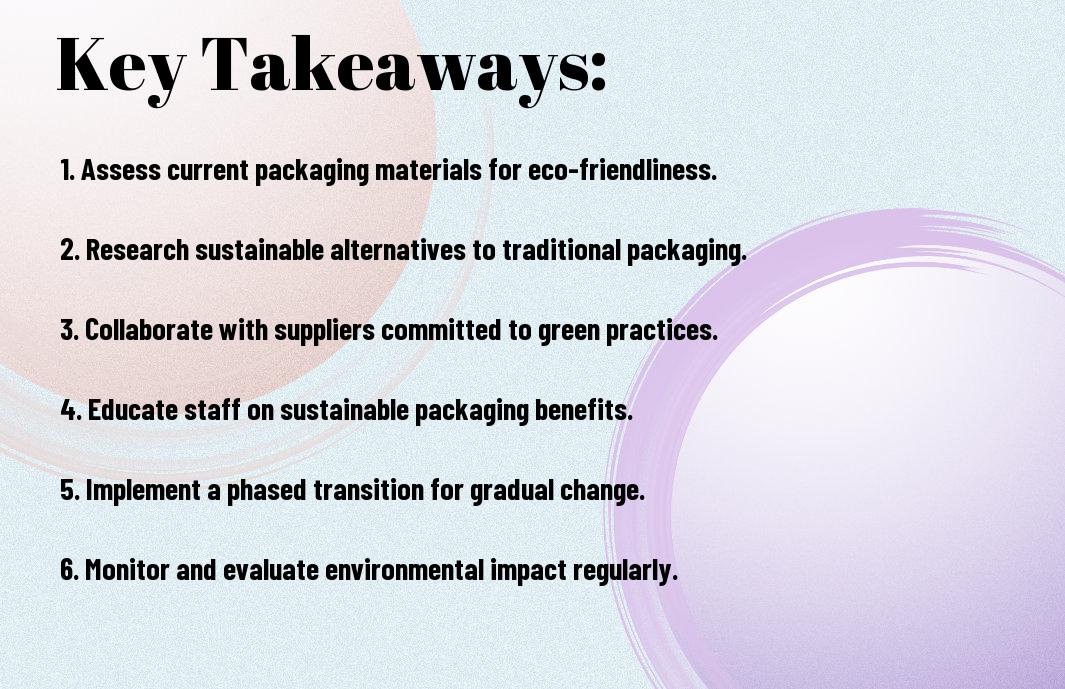
  • Choose biodegradable materials that can easily decompose and do not harm the environment, such as paper, cardboard, or plant-based plastics.
  • Opt for minimalist packaging designs that use fewer materials and reduce waste, while still effectively protecting and presenting the product.
  • Consider sustainable sourcing of packaging materials, such as using recycled content, reusable containers, or compostable packaging to minimize the environmental impact of your packaging choices.

Benefits of Green Packaging

The benefits of green packaging are numerous and can have a significant impact on your business. By switching to eco-friendly packaging, you can reduce your environmental footprint, save costs, and improve your brand reputation.

Environmental Impact

Therewith, reducing waste and conserving natural resources, you can contribute to a more sustainable future. Green packaging helps to decrease pollution and protects the environment for future generations.

Cost Savings

Any business looking to cut costs can benefit from green packaging. You can reduce your packaging expenses by using biodegradable materials and minimizing packaging waste.

Environmental concerns are increasingly influencing consumer behavior, and by adopting cost-saving green packaging solutions, you can enhance your brand image and attract eco-conscious customers, which can lead to increased sales and revenue for your business.

Types of Green Packaging

Some of the most common types of green packaging include:

  • Biodegradable materials
  • Recyclable materials

Recognizing the types of green packaging, you can see the details in the table below:

Material Description
Bioplastics Made from renewable resources
Paper Compostable and recyclable
Glass 100% recyclable
Metal Highly recyclable
Cardboard Eco-friendly and recyclable

Biodegradable Materials

Along with reducing waste, biodegradable materials can help minimize your environmental footprint, as they can easily decompose and return to nature.

Recyclable Materials

Beside the environmental benefits, recyclable materials can also help you reduce packaging costs, as they can be reused and recycled multiple times.

But as you examine deeper into recyclable materials, you will find that they offer a wide range of benefits, from reducing landfill waste to conserving natural resources, and you can make a significant impact by choosing recyclable materials for your packaging needs, allowing you to contribute to a more sustainable future.

Designing Green Packaging

For designing effective green packaging, you need to consider several factors, including the type of product, target audience, and environmental impact. Your goal is to create packaging that is both functional and sustainable.

Minimalist Approach

Genuinely green packaging often starts with a minimalist approach, where you use the least amount of material necessary to protect and transport your product. You can achieve this by simplifying your packaging design and eliminating unnecessary components.

Sustainable Materials

Onto the topic of materials, you should opt for those that are biodegradable, recyclable, or made from renewable resources. Your choice of material will significantly impact the overall sustainability of your packaging.

And as you explore sustainable materials, you’ll find that there are many options available, such as plant-based plastics, recycled paper, and cardboard. You can also consider using materials that are certified by organizations such as the Forest Stewardship Council (FSC) or the Programme for the Endorsement of Forest Certification (PEFC), which ensure that the materials are sourced responsibly. By choosing sustainable materials, you can significantly reduce your packaging’s environmental footprint and appeal to customers who share your values.

Implementing Green Packaging

Despite the challenges, you can successfully transition to green packaging by assessing your current packaging methods and identifying areas for improvement. You will need to evaluate your materials, design, and production processes to ensure they align with your sustainability goals.

Supply Chain Considerations

Supplying your business with eco-friendly packaging materials is vital. You should research and partner with suppliers who share your commitment to sustainability, ensuring that your packaging is not only environmentally friendly but also cost-effective.

Employee Training

Alongside implementing new packaging methods, you need to consider the role your employees play in the process. You should educate your team on the importance of sustainable packaging and train them on the new procedures to ensure a seamless transition.

In fact, your employees are key to the success of your green packaging initiative, and providing them with the necessary training and resources will help you achieve your sustainability goals. You can start by incorporating training sessions into your onboarding process and providing ongoing workshops to ensure your team is up-to-date on the latest eco-friendly packaging practices.

Overcoming Challenges

Not all businesses find it easy to switch to green packaging, but you can overcome the obstacles with careful planning and execution.

Higher Upfront Costs

Across the industry, you may face higher upfront costs when switching to green packaging, but you can balance this with long-term savings and benefits.

Limited Availability of Materials

Around the globe, you may encounter limited availability of eco-friendly materials, which can hinder your transition to green packaging, but you can work with suppliers to find alternatives.

Plus, as you investigate deeper into the issue of limited availability, you will find that it is largely a matter of developing new relationships with suppliers and investing in research to identify viable alternatives, which will ultimately benefit your business and the environment, allowing you to make informed decisions about your packaging needs.

Measuring Success

Many companies struggle to evaluate the effectiveness of their sustainable packaging initiatives. You need to establish clear metrics to assess your progress and identify areas for improvement.

Tracking Environmental Impact

Toward the end of each quarter, you will need to assess your environmental footprint by measuring your carbon emissions, waste reduction, and resource conservation. You can use tools like carbon calculators and sustainability reports to track your progress.

Monitoring Cost Savings

To determine the financial benefits of your green packaging, you will need to track your expenses and compare them to your previous spending. You can analyze your savings on materials, transportation, and packaging costs.

At this stage, you can explore deeper into the numbers to understand how your cost savings can be reinvested in your business. You can use your data to identify opportunities to optimize your supply chain, reduce waste, and improve your overall efficiency, ultimately increasing your competitiveness in the market and enhancing your brand reputation.

To wrap up

Presently, you have gained insight into making the switch to green packaging. You can now assess your current packaging methods and make changes to reduce waste. By choosing eco-friendly materials and optimizing your packaging design, you can minimize your environmental footprint. As you implement these changes, your business will not only benefit the planet, but also enhance your brand’s reputation and appeal to environmentally conscious customers. You will be contributing to a more sustainable future.

FAQ

Q: What is Green Packaging and Why is it Important?

A: Green packaging, also known as sustainable packaging, refers to the use of materials and processes that minimize the environmental impact of packaging. It is crucial to switch to green packaging to reduce waste, conserve natural resources, and decrease greenhouse gas emissions. By adopting eco-friendly packaging solutions, businesses can contribute to a healthier planet and appeal to the growing number of environmentally conscious consumers.

Q: What are the Benefits of Switching to Green Packaging?

A: The benefits of switching to green packaging are numerous. It can help reduce waste and pollution, lower production costs, and enhance a company’s brand reputation. Additionally, green packaging can improve customer satisfaction, as many consumers are willing to pay more for products with eco-friendly packaging. Furthermore, governments and organizations are increasingly implementing regulations and incentives to encourage the adoption of sustainable packaging practices.

Q: What Types of Materials are Used in Green Packaging?

A: Green packaging uses a variety of materials, including bioplastics, recycled paper, bamboo, and plant-based materials. These materials are biodegradable, compostable, or recyclable, reducing the amount of waste sent to landfills. Other options include refillable containers, minimal packaging designs, and packaging made from sustainably sourced materials. The choice of material depends on the product, industry, and target market, as well as the company’s sustainability goals and budget.

Q: How Can Businesses Make the Transition to Green Packaging?

A: To make the transition to green packaging, businesses should start by assessing their current packaging practices and identifying areas for improvement. This involves conducting a packaging audit, researching alternative materials and suppliers, and evaluating the environmental impact of different options. Companies can also consider partnering with packaging designers, suppliers, or sustainability consultants to help guide the transition process. Additionally, employee training and education are vital to ensure a smooth implementation of new packaging practices.

Q: What are the Challenges and Solutions of Implementing Green Packaging?

A: One of the main challenges of implementing green packaging is the potential increase in costs. However, many companies find that the long-term benefits, such as cost savings and brand enhancement, outweigh the initial investment. Other challenges include finding suitable alternative materials, managing supply chain logistics, and ensuring regulatory compliance. To overcome these challenges, businesses can invest in research and development, collaborate with suppliers and industry peers, and stay up-to-date with the latest sustainable packaging trends and technologies. By being proactive and innovative, companies can successfully overcome the challenges and achieve their green packaging goals.

Skip to content