Green Products

Top Eco-Friendly Lighting Solutions

As you consider updating your home or office lighting, you’re likely looking for options that are both energy-efficient and environmentally friendly. You want to reduce your carbon footprint and save on energy costs. Your search for sustainable lighting solutions ends here, as you’re about to discover the best eco-friendly options available, tailored to meet your specific needs and contribute to a more sustainable future.

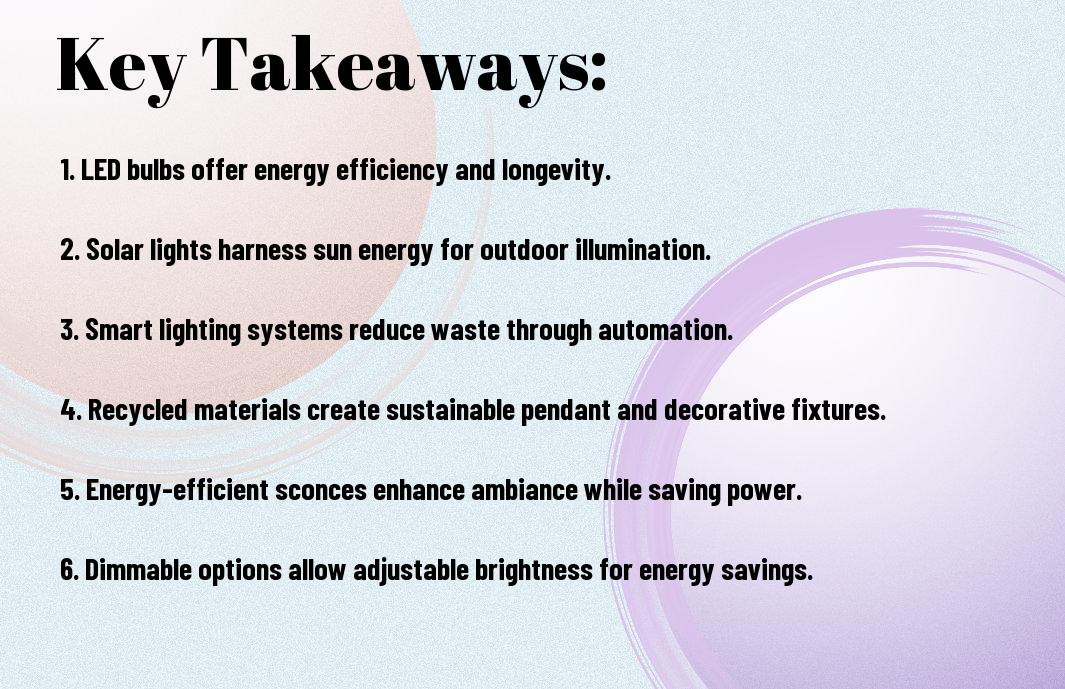
Key Takeaways:

To reduce our environmental footprint, adopting sustainable practices in our daily lives is imperative, starting with something as simple as our lighting choices. Here are the key points to consider:

  • Using LED lights can significantly reduce energy consumption and lower our carbon footprint due to their high efficiency and long lifespan compared to traditional lighting options.
  • Implementing smart lighting systems can offer advanced controls, allowing for the optimization of lighting usage based on occupancy and daylight availability, further reducing unnecessary energy use.
  • Opting for renewable energy sources like solar power to charge and operate lighting can minimize reliance on fossil fuels, contributing to a cleaner and healthier environment.
Types of Eco-Friendly Lighting

The options for eco-friendly lighting include:

  • LED
  • Solar

The following table breaks down your choices:

Type Description
LED Energy-efficient
Solar Renewable energy
Halogen Less energy-efficient
Incandescent Least energy-efficient
Fluorescent Moderately energy-efficient

The best option for you depends on your needs.

LED Lighting

Today, you can choose from a wide variety of LED lighting options, offering you significant energy savings and a long lifespan, making them a great choice for your home or office.

Solar Lighting

Often, you will find that solar lighting is the most environmentally friendly option, as it harnesses the power of the sun to provide light, reducing your reliance on non-renewable energy sources.

The benefits of solar lighting extend beyond just being eco-friendly, as it also provides you with a cost-effective solution, requiring little to no maintenance, and can be easily installed in your yard or home, giving you the freedom to place lights wherever you need them, without being tethered to a power source.

Energy-Efficient Options

Some of the best eco-friendly lighting solutions are available to you, and you can explore 10 energy-efficient lighting systems for sustainable spaces to find the perfect fit for your needs.

CFLs and Halogens

Energizing your home with eco-friendly lighting is easy, and you can start by replacing traditional bulbs with CFLs and halogens, which consume less energy and last longer.

Smart Lighting Systems

Between the various options available, smart lighting systems stand out, allowing you to control and automate your lighting usage, optimizing energy efficiency and reducing waste.

In addition, smart lighting systems offer you the convenience of scheduling and dimming your lights, which can be done remotely through your smartphone, giving you complete control over your energy consumption and helping you make the most of your eco-friendly lighting solutions.

Sustainable Lighting Materials

After considering the environmental impact of your lighting choices, you can opt for sustainable materials that reduce your carbon footprint. You can choose materials that are energy-efficient, recyclable, and sourced from eco-friendly suppliers.

Recycled Materials

Besides traditional materials, you can also consider recycled materials for your lighting needs. You can use recycled glass, metal, or plastic to create unique and eco-friendly lighting fixtures that suit your style.

Bamboo and Natural Fibers

Lighting your home with bamboo and natural fibers is a great way to add an eco-friendly touch. You can use bamboo shades, woven fibers, or natural textiles to create a warm and inviting ambiance in your space.

This option is not only eco-friendly but also aesthetically pleasing, as bamboo and natural fibers can add a touch of warmth and coziness to your home. You can choose from a variety of natural materials, such as wicker, rattan, or jute, to create a unique and sustainable lighting solution that reflects your personal style and complements your decor.

Innovative Lighting Solutions

Once again, you can reduce your carbon footprint by adopting innovative lighting solutions that not only save energy but also add a touch of elegance to your space. These solutions are designed to provide you with a unique and eco-friendly way to illuminate your home or office.

Bioluminescent Lighting

Among the various innovative solutions available, bioluminescent lighting stands out as a promising option. You can use bioluminescent organisms or products that mimic their glow to create a sustainable and mesmerizing lighting effect in your space.

Kinetic Lighting

Beside bioluminescent lighting, kinetic lighting is another innovative solution that you can consider. You can use kinetic energy to generate power and create a dynamic lighting system that is both eco-friendly and visually appealing.

In addition, kinetic lighting systems often feature moving parts or adjustable components, allowing you to customize the lighting effect to suit your mood and preferences. You can adjust the speed, direction, and intensity of the light to create a unique ambiance in your space, making it an excellent option for those who value flexibility and creativity in their lighting design.

Eco-Friendly Lighting for Homes

To make your home more sustainable, you can start by switching to eco-friendly lighting solutions that not only reduce your carbon footprint but also save you money on your energy bills. You can explore various options that are available in the market, from LED bulbs to smart lighting systems.

Indoor Lighting Solutions

With the advent of technology, you now have access to a wide range of indoor lighting solutions that are energy-efficient and environmentally friendly. You can choose from LED bulbs, CFLs, or smart lighting systems that can be controlled remotely to optimize energy consumption.

Outdoor Lighting Options

Across your yard, you can install solar-powered lights, which are a great option for outdoor lighting. You can place them along your walkway, patio, or garden, and they will absorb sunlight during the day to light up your outdoor space at night.

Options for outdoor lighting are vast, and you can choose from a variety of styles and designs that fit your needs. You can consider installing motion-sensor lights, which turn on automatically when they detect movement, or timer-based lights that can be programmed to turn on and off at specific times, helping you save energy and reducing your environmental impact.

Environmental Benefits

Your eco-friendly lighting solutions have a significant impact on the environment, and it’s crucial to understand the advantages they offer, including reduced energy consumption and minimized waste.

Reduced Carbon Footprint

Above all, you’ll notice a significant decrease in your carbon footprint when using eco-friendly lighting, which contributes to a healthier planet and helps mitigate climate change.

Conservation of Resources

Above this, you’ll find that eco-friendly lighting solutions aid in conserving natural resources by reducing energy consumption and promoting sustainable practices.

The conservation of resources is further enhanced when you choose lighting solutions that utilize renewable energy sources, such as solar or wind power, reducing your reliance on non-renewable resources and lowering your environmental impact, allowing you to contribute to a more sustainable future.

Summing up

So, you now have a range of top eco-friendly lighting solutions at your disposal. You can reduce your carbon footprint by choosing energy-efficient options like LEDs or solar-powered lights for your home or business. By making these simple changes, you can significantly lower your energy consumption and contribute to a more sustainable future, improving your overall environmental impact and saving on your energy bills in the process, making your choice a smart one for your wallet and the planet.

FAQ

Q: What are the benefits of using eco-friendly lighting solutions?

A: Eco-friendly lighting solutions offer numerous benefits, including reduced energy consumption, lower greenhouse gas emissions, and decreased environmental pollution. These solutions also help to minimize waste, conserve natural resources, and promote sustainable development. By adopting eco-friendly lighting solutions, individuals and organizations can contribute to a healthier environment, reduce their carbon footprint, and save on energy costs in the long run.

Q: What types of eco-friendly lighting solutions are available in the market?

A: There are several types of eco-friendly lighting solutions available, including LED (Light Emitting Diode) bulbs, CFL (Compact Fluorescent Lamp) bulbs, solar-powered lights, and smart lighting systems. LED bulbs are known for their high energy efficiency and long lifespan, while CFL bulbs use less energy than traditional incandescent bulbs. Solar-powered lights harness energy from the sun and are an excellent option for outdoor lighting, while smart lighting systems can be programmed to optimize energy usage and reduce waste.

Q: How can I determine the energy efficiency of an eco-friendly lighting solution?

A: To determine the energy efficiency of an eco-friendly lighting solution, look for the lumens-per-watt (lm/W) rating, which measures the amount of light produced per unit of electricity consumed. A higher lm/W rating indicates higher energy efficiency. Additionally, check for certifications such as Energy Star, which ensures that the product meets specific energy efficiency standards. You can also check the product’s packaging or manufacturer’s website for information on its energy consumption and environmental impact.

Q: Are eco-friendly lighting solutions more expensive than traditional lighting options?

A: While eco-friendly lighting solutions may have a higher upfront cost, they offer long-term cost savings and environmental benefits. LED bulbs, for example, can last up to 25 times longer than traditional incandescent bulbs and use significantly less energy. This means that although the initial cost may be higher, the overall cost of ownership is lower over time. Additionally, many governments and utilities offer incentives and rebates for individuals and organizations that adopt energy-efficient lighting solutions.

Q: How can I properly dispose of old or broken eco-friendly lighting solutions?

A: Proper disposal of old or broken eco-friendly lighting solutions is vital to minimize environmental harm. Check with your local waste management agency to see if they have a recycling program for hazardous waste, such as CFL bulbs. Many retailers also offer take-back programs or recycling facilities for old or broken LED bulbs and other eco-friendly lighting products. Additionally, consider donating working eco-friendly lighting solutions to local charities or community organizations, which can help extend their lifespan and reduce waste.

The Rise of Plant-Based Products

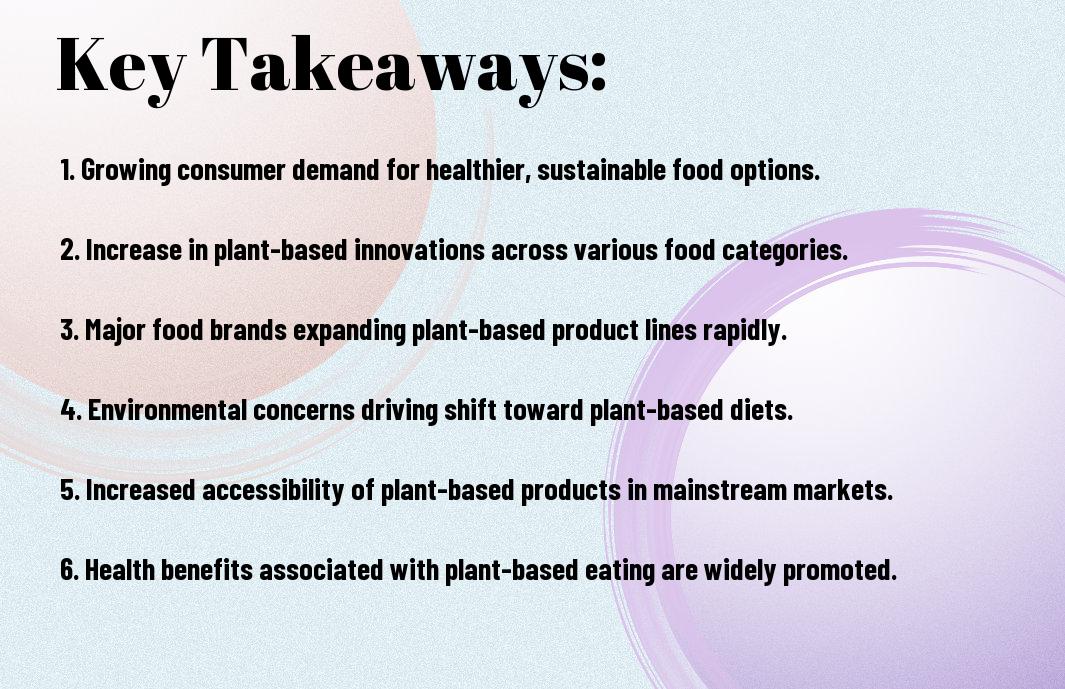
Key Takeaways:
  • The growth of plant-based products is driven by increasing consumer demand for healthy and sustainable food options, with many consumers opting for a flexitarian diet.
  • The food industry is responding to this trend by developing innovative plant-based alternatives to traditional animal-based products, such as meat substitutes and dairy-free products.
  • The environmental benefits of plant-based products, including reduced greenhouse gas emissions and conservation of natural resources, are also driving their adoption and are expected to contribute to a more sustainable food system in the future.

Market Trends

For instance, you’ve likely noticed the surge in plant-based products on store shelves, and this trend is expected to continue as consumers become more health-conscious and environmentally aware.

Growing Demand for Plant-Based Products

Furthermore, you’ll find that the demand for plant-based products is on the rise, driven by your increasing interest in sustainable and healthy living.

Increasing Availability of Plant-Based Alternatives

Similarly, products like plant-based milk and meat alternatives are becoming more mainstream, making it easier for you to incorporate them into your diet.

Availability of these alternatives is expanding rapidly, allowing you to choose from a wide range of options that cater to your tastes and preferences, and you can expect to see even more innovative products in the future.

Health Benefits

If you’re considering a shift to plant-based products, you’ll be pleased to know that they offer numerous advantages.

Reduced Risk of Chronic Diseases

Prior to making the switch, you may have been at a higher risk of developing chronic diseases, but plant-based products can help mitigate this risk, leading to a healthier you.

Improved Nutritional Profile

Diseases caused by poor nutrition can be alleviated with plant-based products, which provide your body with the necessary nutrients, vitamins, and minerals for optimal health, allowing you to feel more energized and focused.

Another advantage of plant-based products is that they often have an improved nutritional profile, with higher levels of fiber, antioxidants, and other beneficial compounds, which can help support your overall well-being and provide you with a sense of vitality and renewed health.

Environmental Impact

Not surprisingly, the shift towards plant-based products has significant benefits for the planet, and as you consider your role in this movement, you’ll find that your choices can greatly impact the environment.

Reduced Greenhouse Gas Emissions

Towards a more sustainable future, you’ll find that plant-based products contribute to reduced greenhouse gas emissions, allowing you to make a positive impact on the planet with your daily choices.

Conservation of Natural Resources

Approximately, any efforts you make to adopt plant-based products will help conserve natural resources, such as water and land, which are often depleted by animal agriculture, and as you make these choices, you’ll be supporting a more environmentally friendly food system.

Emissions from animal agriculture are significantly reduced when you opt for plant-based products, and this, in turn, helps to conserve natural resources, allowing you to make a difference in preserving the planet’s precious resources for future generations, and as you continue to make informed choices, you’ll find that your actions can have a profound impact on the health of the planet.

Food Technology Advancements

Many factors have contributed to the growth of the plant-based industry, and advancements in food technology have played a significant role in this trend. You can see this in the development of new products and manufacturing processes that make plant-based options more appealing and accessible to you.

Development of Plant-Based Meat Alternatives

Almost any food product can now be replicated using plant-based ingredients, allowing you to enjoy your favorite foods while adhering to a plant-based diet. You will find that plant-based meat alternatives are becoming increasingly popular, with many companies investing in this area.

Innovation in Dairy-Free Products

Anything is possible in the world of dairy-free products, and you are now spoilt for choice when it comes to milk alternatives and other dairy-free options. You can choose from a variety of products that cater to your dietary needs and preferences.

DairyFree options have come a long way, and you can now find a wide range of products that are not only delicious but also nutritious. You will notice that many dairy-free products are fortified with important vitamins and minerals, making them a great alternative to traditional dairy products. As you explore the world of plant-based products, you will discover that dairy-free options are no longer a compromise on taste or quality, but a viable and appealing choice for your dietary needs.

Consumer Behavior

All aspects of your life, including your dietary habits, are influenced by the rise of plant-based products. You are likely to notice the impact on your daily food choices and purchasing decisions.

Changing Attitudes towards Plant-Based Diets

Across various demographics, you see a shift in attitudes towards plant-based diets, with more individuals adopting this lifestyle for health and environmental reasons, affecting your perception of food and nutrition.

Influence of Social Media on Food Choices

Prior to making a purchase, you often browse social media platforms, where influencers and bloggers showcase plant-based products, shaping your opinions and preferences, and ultimately, your food choices.

Understanding the influence of social media on your food choices can help you make informed decisions about the products you buy and consume, as you are constantly exposed to information and reviews from various online sources, guiding your selection of plant-based products and shaping your eating habits.

Challenges and Opportunities

Your journey into the world of plant-based products presents a complex landscape, full of obstacles and incentives. As you explore deeper, you will encounter various challenges, but also numerous opportunities for growth and innovation.

Overcoming Taste and Texture Barriers

Prior to making a switch, you may find that plant-based products lack the taste and texture of their traditional counterparts. However, manufacturers are working tirelessly to bridge this gap, creating products that are increasingly similar to their animal-derived equivalents.

Expanding Plant-Based Product Offerings

Primarily, product development in the plant-based sector is focused on creating alternatives to traditional staples. You will find a wide range of options, from plant-based milk to meat substitutes, all designed to mimic the taste and texture of their traditional counterparts.

Consequently, as you explore the expanding plant-based product offerings, you will notice a significant improvement in quality and diversity. You can expect to find products that not only taste great but also offer a range of health benefits, making it easier for you to make the switch to a plant-based lifestyle.

To wrap up

Taking this into account, you see the significant growth of plant-based products as a shift in your daily life. You notice the increasing variety of options available, from food to cosmetics. Your choices now reflect a more sustainable and compassionate lifestyle, influenced by the rise of plant-based products, and you can expect this trend to continue shaping your consumer habits in the years to come.

FAQ

Q: What is driving the rise of plant-based products in the market?

A: The rise of plant-based products is driven by increasing consumer awareness about the health benefits and environmental sustainability of plant-based diets. Many consumers are adopting flexitarian or vegan lifestyles, leading to a surge in demand for plant-based alternatives to traditional animal-based products. Additionally, advances in food technology have made it possible to create plant-based products that are comparable in taste, texture, and quality to their animal-based counterparts.

Q: What are the benefits of choosing plant-based products over traditional animal-based products?

A: Plant-based products offer several benefits, including reduced environmental impact, improved health outcomes, and increased food safety. Animal agriculture is a significant contributor to greenhouse gas emissions and deforestation, whereas plant-based products tend to have a lower carbon footprint. Plant-based diets have also been linked to lower rates of chronic diseases, such as heart disease and diabetes. Furthermore, plant-based products are often lower in saturated fats, cholesterol, and calories, making them a popular choice for health-conscious consumers.

Q: Are plant-based products more expensive than traditional animal-based products?

A: The cost of plant-based products can vary depending on the type of product, brand, and production methods. While some plant-based products may be more expensive than their animal-based counterparts, many affordable options are now available in the market. As demand for plant-based products continues to grow, economies of scale are improving, and prices are becoming more competitive. Moreover, the long-term health benefits and environmental sustainability of plant-based products can lead to cost savings in the long run.

Q: How can I incorporate more plant-based products into my diet and lifestyle?

A: Incorporating more plant-based products into your diet and lifestyle can be easy and delicious. Start by experimenting with different types of plant-based milk, such as almond, soy, or oat milk, and try plant-based meat alternatives, like tofu, tempeh, or seitan. You can also explore plant-based protein sources, such as legumes, beans, and lentils, and try plant-based snack options, like nuts, seeds, and fruit. Many restaurants and food establishments now offer plant-based options, making it easier to dine out while following a plant-based diet.

Q: What is the future outlook for the plant-based products industry, and what can we expect in terms of innovation and growth?

A: The plant-based products industry is expected to continue growing rapidly, driven by increasing consumer demand and advances in food technology. We can expect to see more innovative and affordable plant-based products entering the market, including plant-based dairy alternatives, plant-based eggs, and plant-based meat products. The industry is also likely to see more investment in research and development, leading to improved product quality, taste, and texture. As consumer awareness and education about the benefits of plant-based products continue to grow, the industry is poised for significant expansion and innovation in the coming years.

The Environmental Benefits of Green Products

As you consider your daily choices, you may wonder how your decisions impact the planet. When you opt for green products, you are contributing to a more sustainable future. Your selection of eco-friendly options can significantly reduce your carbon footprint and help mitigate environmental issues. By choosing green products, you will not only be reducing waste and pollution, but also preserving natural resources for future generations.

Key Takeaways:

To understand the impact of green products on the environment, consider the following points:

  • The use of eco-friendly products reduces the amount of toxic chemicals released into the air, water, and soil, thereby minimizing pollution and harm to wildlife and human health.
  • Sustainable practices involved in the production of green products help conserve natural resources, such as water and energy, and reduce waste generation, which in turn helps to mitigate climate change.
  • By choosing biodegradable and recyclable green products, individuals can significantly decrease their carbon footprint and contribute to a more environmentally conscious lifestyle, promoting a healthier planet for future generations.

Environmental Impact

Before making the switch to green products, you may not be aware of the significant difference they can make. Your daily choices have a profound impact on the environment, and opting for eco-friendly products can greatly reduce your carbon footprint.

Reduction of Pollution

The truth is, traditional products can release harmful toxins and pollutants into the air, water, and soil. You can decrease your exposure to these pollutants by choosing green products, which are designed to minimize your environmental impact.

Conservation of Natural Resources

Behind the scenes, green products are made with sustainable materials and processes that help conserve natural resources. You can trust that your choice to go green is supporting a more environmentally responsible industry.

And as you research deeper into the world of green products, you’ll discover that conservation of natural resources is a key benefit. You’ll be using products that are made from renewable resources, such as bamboo or recycled materials, which reduce the demand on finite resources and help preserve the planet for future generations. By making this choice, you’re contributing to a more sustainable future and setting an example for others to follow.

Health Benefits

Any decision to switch to green products can have a significant impact on your health, as you will be reducing your exposure to harmful chemicals and pollutants. You can find more information about the Benefits of buying sustainable goods and services and how they can improve your well-being.

Improved Indoor Air Quality

Before making the switch, you may not be aware of the poor air quality in your home, but once you start using green products, you will notice a significant difference in the air you breathe, which will have a positive impact on your health.

Decreased Exposure to Toxic Chemicals

Along with improved air quality, using green products will also reduce your exposure to toxic chemicals found in traditional products, which can have serious health consequences, and you will be protecting yourself and your loved ones from these harmful substances.

Plus, when you choose green products, you are avoiding contact with chemicals that can cause respiratory issues, skin irritation, and other health problems, and by making this simple change, you can create a healthier living space for yourself and your family.

Sustainable Practices

All efforts to adopt sustainable practices have a significant impact on the environment. You can make a difference by choosing green products and supporting companies that prioritize sustainability.

Renewable Energy Sources

With the shift towards renewable energy sources, you can reduce your reliance on fossil fuels and lower your carbon footprint. You will be contributing to a cleaner and healthier environment.

Eco-Friendly Manufacturing Processes

An necessary aspect of sustainable practices is the adoption of eco-friendly manufacturing processes. You can support companies that use environmentally responsible methods to produce their products.

Hence, as you learn more about eco-friendly manufacturing processes, you will understand the benefits of choosing products made with minimal waste and pollution. You will be able to make informed decisions about the products you buy and the companies you support, ultimately contributing to a more sustainable future.

Product Options

Keep in mind that making environmentally friendly choices is easier than you think. You can start by exploring the various green products available in the market, from household items to personal care products.

Green Cleaning Products

Opting for eco-friendly cleaning products is a great way to reduce your environmental footprint. You can choose from a range of options that are free from harsh chemicals and toxins, making your home a healthier place.

Sustainable Textiles and Materials

On the lookout for sustainable textiles and materials, you will find a wide range of options to choose from. You can opt for clothing and furnishings made from organic cotton, recycled materials, or sustainable wood.

Also, when it comes to sustainable textiles and materials, you have the power to make a significant impact on the environment. By choosing products that are sustainably sourced and produced, you are supporting companies that prioritize the health of the planet, and reducing your own carbon footprint in the process.

Economic Benefits

After considering the environmental advantages, you can also benefit financially from using green products, as they can lead to long-term cost savings and economic growth.

Cost-Effective Solutions

Approximately, you will find that green products often offer cost-effective solutions, allowing you to reduce your expenses and allocate your resources more efficiently, which can be beneficial for your budget.

Job Creation and Economic Growth

Economically, you will notice that the production and consumption of green products can contribute to job creation and economic growth, as new industries and opportunities emerge to meet the demand for sustainable goods.

For instance, you may see that investing in renewable energy and sustainable technologies can create new job opportunities in your community, stimulating local economic development and contributing to your country’s overall economic growth, which can have a positive impact on your life and the environment.

Consumer Awareness

Many consumers are now making environmentally conscious choices, driving the demand for green products. As you consider your purchasing decisions, you can significantly impact the environment. Your choices can influence companies to adopt sustainable practices and reduce their environmental footprint.

Labeling and Certification

Backing the growth of green products is the development of labeling and certification programs. Behind these initiatives are organizations that verify the environmental claims of products, helping you make informed decisions. You can trust that certified products meet rigorous standards, reducing your environmental impact.

Education and Community Engagement

Aiding your understanding of green products is education and community engagement. Alongside community initiatives, you can learn about the benefits of sustainable living and the importance of choosing eco-friendly products.

At the heart of education and community engagement is the idea that you have the power to create positive change. As you learn more about green products and their benefits, you can share your knowledge with others, inspiring a wave of environmental awareness in your community. You can participate in workshops, join online forums, or attend local events to deepen your understanding of sustainable living and make a lasting impact on the environment.

Conclusion

Hence, as you consider your impact on the environment, you can make a significant difference by choosing green products. You will not only reduce your carbon footprint, but also contribute to a healthier planet. By opting for eco-friendly alternatives, you are supporting sustainable practices and promoting a better future for your community and the world at large. Your choice of green products can have a lasting impact on the environment.

FAQ

Q: What are green products and how do they contribute to a sustainable environment?

A: Green products are made from environmentally friendly materials, produced with sustainable practices, and designed to minimize waste and pollution. They contribute to a sustainable environment by reducing the amount of toxic chemicals released into the air, water, and soil, conserving natural resources, and decreasing the overall carbon footprint of human activities. By choosing green products, individuals can significantly reduce their environmental impact and help mitigate climate change.

Q: How do green products help reduce waste and pollution?

A: Green products are designed to be recyclable, reusable, or biodegradable, which helps to reduce the amount of waste sent to landfills and the pollution caused by waste management. Additionally, many green products are made from recycled materials, which reduces the need for new raw materials and decreases the energy required to produce them. This approach helps to minimize the environmental harm caused by waste disposal and promotes a more circular economy.

Q: What are some examples of green products that have significant environmental benefits?

A: Examples of green products with significant environmental benefits include solar panels, energy-efficient appliances, organic textiles, and eco-friendly cleaning products. These products promote renewable energy, reduce energy consumption, and minimize the use of harsh chemicals that can harm human health and the environment. Other examples include bamboo products, which are highly renewable and require minimal water and pesticides, and refillable water bottles, which reduce plastic waste and conserve natural resources.

Q: How can individuals make a positive impact on the environment by choosing green products?

A: Individuals can make a positive impact on the environment by choosing green products in their daily lives. This can be done by selecting products with minimal packaging, buying in bulk, and opting for products made from sustainable materials. Additionally, individuals can support companies that prioritize sustainability and transparency in their production processes. By making conscious choices, individuals can drive demand for green products and encourage more companies to adopt environmentally friendly practices.

Q: What role do certifications and labels play in identifying genuine green products?

A: Certifications and labels, such as Energy Star, EcoLabel, or USDA Organic, play a significant role in identifying genuine green products. These certifications ensure that products meet specific environmental and sustainability standards, providing consumers with confidence in their purchasing decisions. Look for products with reputable certifications, and take the time to understand what each label means. This helps to avoid greenwashing and ensures that the products chosen are truly contributing to a more sustainable future.

How Green Products Reduce Carbon Footprints

As you make choices about the products you use in your daily life, you have the power to significantly impact the environment. Your decisions can contribute to a reduction in carbon emissions, helping to mitigate climate change. By opting for green products, you can decrease your carbon footprint and make a positive impact on the planet. You will learn how these products can help you achieve a more sustainable lifestyle and contribute to a healthier environment.

Key Takeaways:

To minimize our impact on the environment, it’s necessary to consider the benefits of green products. Here are a few key points to consider:

  • Using renewable energy sources and sustainable materials in products helps to reduce carbon emissions and decrease our reliance on non-renewable resources.
  • Eco-friendly products often have a lower carbon footprint due to their production process, which can involve recycling, biodegradable materials, and energy-efficient manufacturing.
  • By choosing green products, individuals can contribute to a sustainable future by supporting companies that prioritize environmental conservation and responsible manufacturing practices.

Benefits of Green Products

For individuals and organizations seeking to minimize their environmental impact, green products offer a range of advantages. You can reduce your carbon footprint and contribute to a more sustainable future by choosing eco-friendly options.

Reduced Emissions

Prior to making the switch to green products, you likely generated more emissions than necessary. You can significantly decrease your emissions by opting for products with minimal packaging and those that are designed to be energy-efficient.

Sustainable Resources

Generally, green products are made from sustainable resources that can be replenished naturally. You can trust that your choice of green products supports the conservation of natural resources for future generations.

In fact, when you choose products made from sustainable resources, you are promoting environmentally responsible practices throughout the supply chain, from sourcing to production, and ultimately, to disposal, which helps to minimize waste and your overall environmental impact.

Types of Green Products

Even as you consider reducing your carbon footprint, various options are available. You can choose from:

  • Solar panels
  • Energy-efficient light bulbs
  • Eco-friendly cleaning supplies
  • Recycled products
  • Renewable energy systems

Recognizing your choices, the following table summarizes some green products:

Product Description
Solar panels Convert sunlight to electricity
Energy-efficient light bulbs Low energy consumption
Eco-friendly cleaning supplies Nontoxic and biodegradable
Recycled products Made from recycled materials
Renewable energy systems Generate energy from natural sources

Eco-Friendly Cleaning Supplies

Around the house, you can opt for eco-friendly cleaning supplies that are better for your health and the environment, reducing your carbon footprint with every use.

Energy-Efficient Appliances

Beneath the surface of your daily routine, energy-efficient appliances can make a significant impact on your carbon footprint, allowing you to save energy and money.

Consequently, when you switch to energy-efficient appliances, you will notice a decrease in your energy consumption, leading to a lower carbon footprint and a more sustainable lifestyle, enabling you to contribute to a healthier planet for yourself and future generations.

Impact on Carbon Footprints

Once again, you will notice a significant difference in your carbon footprint when you switch to green products, as they are designed to minimize environmental impact, reducing the amount of waste and pollution you generate.

Decreased Greenhouse Gases

Behind the scenes, green products play a significant role in decreasing greenhouse gas emissions, which contribute to climate change, and by choosing these products, you are doing your part to reduce your environmental impact.

Conservation of Natural Resources

Before making a purchase, consider the environmental impact of the product, and you will find that green products help conserve natural resources, such as water and energy, which are vital for your well-being and the planet’s sustainability.

With the conservation of natural resources in mind, you can make informed choices about the products you use, and by opting for green products, you will be helping to preserve the planet’s precious resources for future generations, ensuring a healthier and more sustainable environment for you and your community to thrive in.

Making the Switch to Green

Your daily choices have a significant impact on the environment, and opting for green products is a great way to reduce your carbon footprint. By choosing eco-friendly alternatives, you can contribute to a more sustainable future.

Simple Changes at Home

With just a few tweaks to your daily routine, you can make a significant difference. Start by replacing traditional light bulbs with energy-efficient ones and using eco-friendly cleaning products to minimize your environmental impact.

Supporting Eco-Friendly Companies

Averse to contributing to environmental degradation, you can vote with your wallet by supporting companies that prioritize sustainability. Look for products with minimal packaging and made from recycled materials.

Switch to companies that adhere to environmentally responsible practices, and encourage others to do the same. As you continue to support eco-friendly businesses, you’ll be promoting a culture of sustainability and driving demand for green products, ultimately helping to reduce carbon footprints and create a healthier planet for you and future generations.

Green Technology and Innovation

All around the world, you are seeing a shift towards environmentally friendly technologies that reduce your carbon footprint. You can implement these innovations in your daily life to make a positive impact on the planet.

Renewable Energy Sources

Replenishing energy sources like solar and wind power are becoming increasingly popular, allowing you to generate clean energy and reduce your reliance on fossil fuels, which in turn reduces your carbon footprint.

Sustainable Manufacturing Practices

Behind the scenes of your favorite green products, you will often find eco-friendly manufacturing processes that minimize waste and pollution, enabling you to make more sustainable choices as a consumer.

Practices such as using recycled materials, reducing water consumption, and implementing energy-efficient systems are just a few ways you can make your manufacturing processes more sustainable, and as a consumer, you can support companies that prioritize these practices, further reducing your carbon footprint.

Community Involvement

After adopting green products, you can extend your impact by engaging with your community, promoting sustainable practices and encouraging others to reduce their carbon footprints, thereby creating a collective positive effect on the environment.

Local Environmental Initiatives

Beside the benefits of individual actions, participating in local initiatives allows you to contribute to a larger movement, supporting your community’s efforts to protect the environment and foster a sense of shared responsibility for a sustainable future.

Global Cooperation for a Sustainable Future

On a global scale, your support for green products contributes to a broader movement, as international cooperation and agreements drive the development of sustainable technologies and practices, ultimately benefiting your community and the world at large.

Another aspect of global cooperation is the exchange of innovative ideas and solutions, enabling you to learn from and collaborate with people worldwide, leveraging the power of collective action to address the complex challenges of climate change and environmental degradation, and creating a better future for yourself and generations to come.

Final Words

From above, you’ve learned how green products significantly reduce your carbon footprint. By choosing these eco-friendly alternatives, you minimize your impact on the environment. Your conscious decisions help decrease pollution, conserve resources, and promote sustainability. As you continue to make informed choices, you’ll contribute to a healthier planet, ensuring a better future for yourself and future generations.

FAQ

Q: What are green products and how do they contribute to reducing carbon footprints?

A: Green products are items that are environmentally friendly and sustainable, made from materials that have a lower impact on the environment. They contribute to reducing carbon footprints by minimizing waste, using renewable resources, and decreasing the amount of greenhouse gas emissions during production and use. For example, energy-efficient light bulbs, recycled paper products, and solar panels are all types of green products that help reduce carbon footprints.

Q: How do green products reduce greenhouse gas emissions?

A: Green products reduce greenhouse gas emissions in several ways. They are designed to be more energy-efficient, which means they use less power to operate. Additionally, many green products are made from sustainable materials that require less energy to produce, and some are even made from recycled materials. This reduction in energy consumption leads to lower greenhouse gas emissions, which contribute to global warming and climate change. By choosing green products, individuals can significantly decrease their carbon footprint and help mitigate the effects of climate change.

Q: What role do renewable energy green products play in reducing carbon footprints?

A: Renewable energy green products, such as solar panels and wind turbines, play a significant role in reducing carbon footprints. These products generate energy from renewable sources, such as sunlight and wind, which are sustainable and do not emit greenhouse gases. By using renewable energy green products, individuals and businesses can reduce their reliance on fossil fuels, which are a major contributor to carbon emissions. This shift towards renewable energy can significantly decrease carbon footprints and help create a more sustainable future.

Q: How can individuals incorporate green products into their daily lives to reduce their carbon footprints?

A: Individuals can incorporate green products into their daily lives in many ways. They can start by making simple changes, such as switching to energy-efficient light bulbs, using public transport or biking, and buying products made from sustainable materials. They can also invest in green technologies, such as solar panels or energy-efficient appliances, to reduce their energy consumption. Additionally, individuals can make a conscious effort to reduce waste by choosing products with minimal packaging, buying in bulk, and recycling. By making these changes, individuals can significantly reduce their carbon footprints and contribute to a more sustainable future.

Q: What are the long-term benefits of using green products to reduce carbon footprints?

A: The long-term benefits of using green products to reduce carbon footprints are numerous. By reducing greenhouse gas emissions, green products can help mitigate the effects of climate change, such as rising sea levels and extreme weather events. Additionally, green products can help conserve natural resources, reduce waste, and promote sustainable development. In the long term, the widespread adoption of green products can lead to significant economic benefits, such as job creation and cost savings, as well as improved public health and well-being. By choosing green products, individuals and businesses can contribute to a more sustainable future and ensure a healthier planet for generations to come.

Why Green Products Are Key to Climate Action

Key Takeaways:

To effectively address climate change, the adoption of sustainable practices is important. Here are the main points:

  • Using green products helps reduce carbon footprint by minimizing the use of non-renewable resources and decreasing waste generation.
  • Implementing eco-friendly technologies and manufacturing processes can significantly lower greenhouse gas emissions, contributing to a healthier environment.
  • 鼓励 consumers to embrace sustainable consumption patterns by choosing environmentally responsible products can drive market demand for green technologies, fostering a more climate-resilient future.

Benefits of Green Products

While making the switch to green products may seem like a small step, it can have a significant impact on your environmental footprint and contribute to a larger movement towards sustainability, which is necessary for you to consider in your daily life.

Reduced Carbon Footprint

Alongside the growing awareness of climate change, you are likely to find that choosing green products can substantially decrease your carbon emissions, and as a result, you will be playing a significant role in protecting the planet from further damage.

Conservation of Natural Resources

Beneath the surface of your daily choices, lies an opportunity to conserve the earth’s precious resources, and by opting for green products, you are helping to safeguard the natural world for future generations, which is a decision that affects you directly.

It is imperative that you understand the value of conservation, as the natural resources you save will have a direct impact on your own well-being and the health of the planet, and your choices can make a significant difference in preserving the delicate balance of the ecosystem, ultimately affecting your life and the lives of those around you.

Impact of Non-Green Products

Some of the most alarming consequences of your daily choices are the devastating effects of non-green products on the planet, and it’s crucial that you understand the gravity of this situation to make informed decisions.

Pollution and Waste

One of the most significant issues you face is the immense amount of pollution and waste generated by non-green products, which not only harms the environment but also poses a threat to your well-being and the well-being of future generations.

Climate Change Effects

Along with the pollution and waste, you are also contributing to the escalating climate change crisis, which has far-reaching consequences, from rising sea levels to extreme weather conditions, affecting your life and the life of countless species.

NonGreen products accelerate climate change, and as you continue to use them, you are inadvertently exacerbating the problem, putting your planet at risk of irreversible damage, which is why it’s imperative that you make conscious choices to switch to green products and mitigate the harm caused to the environment.

Green Product Alternatives

Not all products are created equal, and as you make choices in your daily life, you have the power to opt for green alternatives that reduce waste and minimize harm to the environment.

Renewable Energy Sources

Between the options of solar, wind, and hydro energy, you can choose the one that best fits your needs, reducing your reliance on fossil fuels and contributing to a cleaner planet.

Eco-Friendly Consumption

Along with reducing your energy consumption, you can also make conscious choices about the products you buy, opting for those with minimal packaging and sustainable materials, which can significantly reduce your environmental footprint.

Sources indicate that your daily choices, such as buying local and seasonal produce, can have a significant impact on the environment, and by making informed decisions, you can contribute to a more sustainable future, one that preserves the beauty and wonder of the natural world for generations to come.

Individual Actions

Now, as an individual, you have the power to make a significant impact on the environment by incorporating green products into your daily life, and it starts with the choices you make every day, influencing your ecological footprint and contributing to a sustainable future.

Making Sustainable Choices

Beside the benefits of using eco-friendly products, you can also make conscious decisions when shopping, opting for products with minimal packaging, buying in bulk, and choosing items that are designed to last, ultimately reducing your support for companies that harm the environment.

Reducing Waste and Consumption

On the path to a more sustainable lifestyle, you will find opportunities to reduce your waste and consumption, starting with small changes such as using reusable bags, water bottles, and straws, which can collectively make a significant difference when adopted by a large number of people.

A key aspect of reducing waste and consumption is being mindful of your purchases and their potential impact on the environment, considering the materials used, the production process, and the end-of-life disposal, allowing you to make informed decisions that align with your values and contribute to a better future for our planet.

Collective Efforts

After recognizing the impact of your daily choices, you can join forces with others to drive meaningful change. By working together, you can create a ripple effect that inspires widespread adoption of green products and practices.

Community Involvement

Beneath the surface of individual actions lies a powerful network of community-driven initiatives. You can get involved in local groups, participate in clean-ups, and support organizations that prioritize environmental stewardship, amplifying your impact and fostering a sense of unity.

Policy and Legislation

Between the lines of government policies and legislation, you can advocate for change, urging your leaders to prioritize environmental protection and incentivize the development of sustainable products, which in turn can shape your consumption habits and promote a more eco-friendly lifestyle.

Community support for robust policy and legislation is vital, as you can influence the decisions that shape your world. By demanding more from your leaders and corporations, you can create a better future, where green products are the norm, and your daily choices contribute to a healthier planet, inspiring a sense of hope and responsibility for the environment you inhabit.

Innovative Solutions

Despite the challenges, you can play a significant role in climate action by adopting green products and innovative solutions that reduce your carbon footprint and promote sustainability.

Green Technology

One of the most effective ways to make a positive impact is by embracing green technology, such as renewable energy sources and energy-efficient appliances, which can significantly reduce your environmental impact.

Sustainable Practices

Around your home and community, you can implement sustainable practices, like reducing waste and conserving water, to contribute to a larger movement towards a more environmentally conscious lifestyle.

This approach not only benefits the planet, but also improves your own well-being, as you become more mindful of your daily choices and their effects on the environment, allowing you to make informed decisions that promote a healthier and more sustainable future for yourself and future generations.

Conclusion

The urgency of climate action demands your attention, and choosing green products is a significant step you can take. By making conscious decisions, you are contributing to a larger movement that can bring about substantial positive change. Your daily choices have the power to shape the future of the planet, and embracing green products is an necessary part of your role in protecting the environment for generations to come.

FAQ

Q: What are green products and how do they contribute to climate action?

A: Green products refer to goods and services that have a reduced environmental impact throughout their entire lifecycle, from production to disposal. These products contribute to climate action by minimizing greenhouse gas emissions, reducing waste, and promoting sustainable practices. By choosing green products, individuals and organizations can significantly decrease their carbon footprint and help mitigate the effects of climate change.

Q: How do green products help reduce greenhouse gas emissions?

A: Green products help reduce greenhouse gas emissions in several ways. For example, energy-efficient appliances and lighting use less energy, which in turn reduces the amount of fossil fuels needed to generate electricity. Additionally, sustainable transportation options like electric or hybrid vehicles decrease emissions from transportation. Furthermore, products made from recycled materials or sustainably sourced materials reduce the emissions associated with extracting, processing, and transporting raw materials.

Q: What role do consumers play in driving the demand for green products?

A: Consumers play a significant role in driving the demand for green products. By choosing to purchase products that are environmentally friendly, consumers send a signal to manufacturers that there is a demand for sustainable goods. This can encourage companies to invest in research and development of new green technologies and products, making them more widely available and affordable. Moreover, consumer pressure can also influence policy changes that support the development and use of green products.

Q: Are green products more expensive than traditional products, and is the extra cost worth it?

A: While some green products may be more expensive than their traditional counterparts, many are competitively priced. The extra cost of green products can be offset by their long-term benefits, such as energy savings, reduced maintenance, and extended product life. Additionally, the cost of green products is decreasing as technology improves and economies of scale are achieved through increased production. The benefits to the environment and public health, combined with potential cost savings, make the investment in green products worthwhile.

Q: How can individuals and businesses ensure that the green products they choose are genuinely sustainable?

A: To ensure that green products are genuinely sustainable, individuals and businesses should look for certifications from reputable third-party organizations, such as Energy Star or the Forest Stewardship Council. These certifications indicate that the product has met certain environmental standards. Additionally, checking the product’s ingredients, production process, and end-of-life disposal options can provide insight into its environmental impact. Reading reviews, asking questions, and supporting companies with transparent sustainability practices can also help make informed choices about green products.

Skip to content