Green Products

The Role of Green Products in Circular Economy

As you navigate the complexities of sustainability, you begin to realize that your choices have a profound impact on the environment. You are part of a larger system, and your consumption patterns can either perpetuate waste or foster a more regenerative approach. By opting for green products, you are, in essence, voting for a circular economy – one that values reuse, recycling, and reduction of waste, ultimately reshaping your relationship with the planet and its resources.

Key Takeaways:

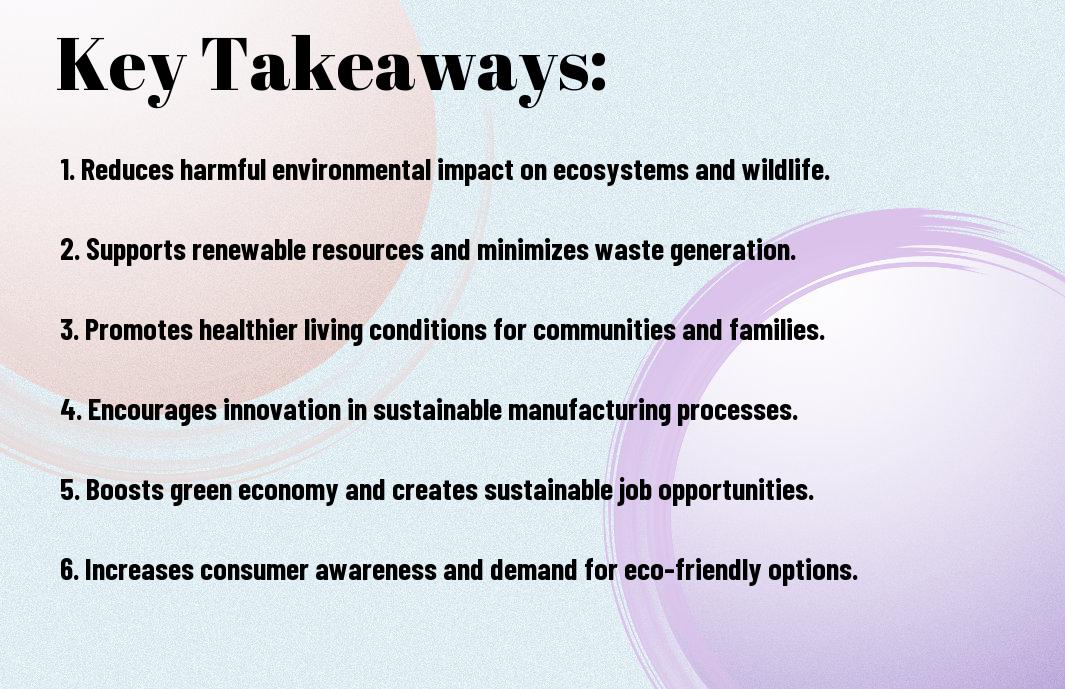
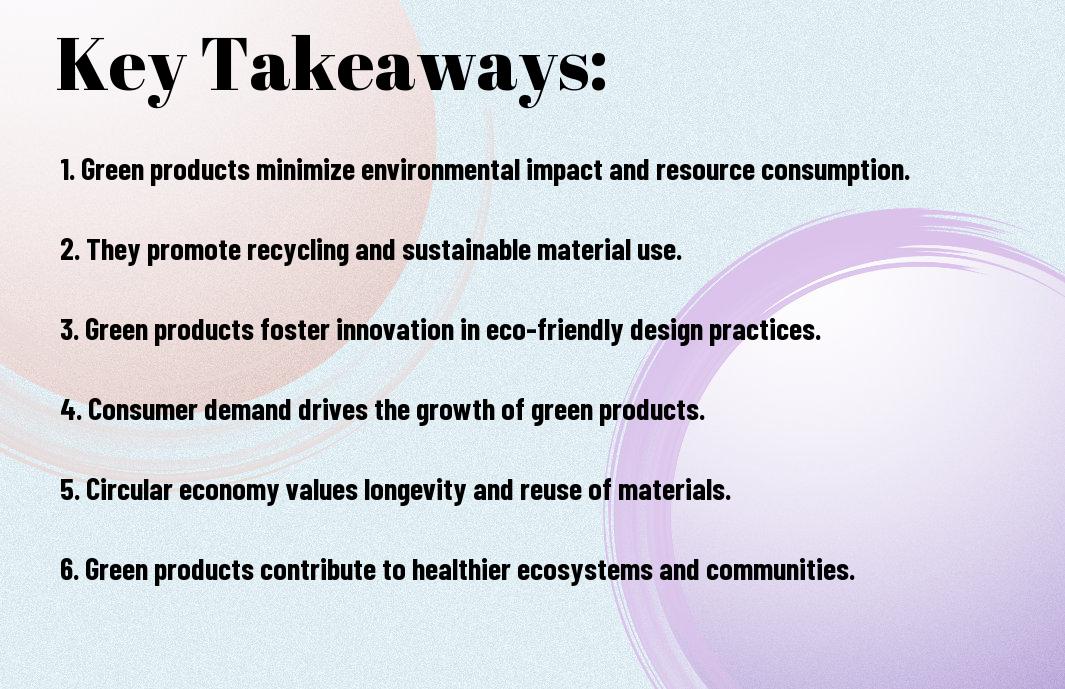
  • The use of green products plays a significant role in promoting a circular economy by reducing waste and the continuous consumption of resources, thereby contributing to sustainability.
  • Eco-friendly products help in minimizing the environmental impacts associated with the production, use, and disposal of conventional products, which is a key aspect of a circular economy.
  • The development and consumption of green products encourage the reuse and recycling of materials, reducing the need for new raw materials and decreasing the amount of waste sent to landfills, aligning with the principles of a circular economy.
Principles

For a circular economy to thrive, it is important to understand the underlying principles that guide it. You will find that the concept revolves around reducing waste and promoting the reuse of resources, which in turn, creates a more sustainable environment for your community.

Definition of Green Products

Furthermore, as you examine into the world of circular economy, you will discover that green products play a significant role in this ecosystem. You will notice that these products are designed to minimize harm to the environment, making them an important component of your sustainable lifestyle.

Importance of Sustainable Consumption

Around the globe, you are witnessing a shift towards sustainable consumption, and as a consumer, you have the power to influence this change. You can make a difference by choosing products that are environmentally friendly and promoting companies that adopt sustainable practices.

Definition of sustainable consumption is closely tied to your daily choices, and as you navigate the market, you will find that your decisions have a profound impact on the environment. You will come to realize that sustainable consumption is not just a trend, but a necessary step towards creating a circular economy that benefits your community and the planet as a whole, allowing you to live in harmony with nature.

Benefits

The incorporation of green products into your daily life can have a significant impact on your overall well-being and the environment. By choosing eco-friendly options, you are supporting a more sustainable future.

Environmental Impact

Toward a more sustainable future, the use of green products can significantly reduce your carbon footprint, minimizing the harm caused to the environment and promoting a healthier ecosystem for you to live in.

Economic Advantages

The economic benefits of using green products are numerous, as you can save money by reducing your consumption of resources and minimizing waste, thus contributing to a more circular economy.

A key aspect of economic advantages is that, as you continue to support green products, you are encouraging companies to develop more sustainable practices, which can lead to the creation of new job opportunities and stimulate local economies, ultimately benefiting you and your community.

Implementation

After understanding the importance of green products in a circular economy, you can begin to integrate them into your daily life and business practices. This involves adopting sustainable production and consumption methods, reducing waste, and promoting the use of eco-friendly products.

Strategies for Businesses

About to begin on this journey, you should consider designing products with recyclable materials, reducing packaging, and implementing closed-loop production systems. Your business can also benefit from collaborating with suppliers who share similar values and goals.

Individual Actions

Above all, as you start making changes, you can begin by making conscious choices in your daily life, such as choosing products with minimal packaging, buying second-hand items, and recycling. Your actions can collectively contribute to a significant positive impact on the environment.

In addition, as you examine deeper into individual actions, you will find that making informed choices about the products you purchase can significantly influence the demand for sustainable products, prompting companies to adapt and innovate, ultimately driving the transition towards a circular economy, and you will be at the forefront of this change, shaping your own future and that of the planet.

Challenges

Many green products face significant hurdles in the circular economy, from high production costs to limited consumer awareness, making it difficult for you to navigate the market and make informed choices.

Barriers to Adoption

Betwixt the desire for sustainability and the reality of consumer behavior, lies a complex web of factors that influence your purchasing decisions, including cost, convenience, and perceived value, which can hinder the adoption of green products.

Overcoming Obstacles

Across various industries, innovative solutions are emerging to address the challenges facing green products, enabling you to make more sustainable choices and contribute to a circular economy, as companies develop new business models and technologies to reduce waste and increase efficiency.

Challenges in implementing a circular economy can be daunting, but as you explore the various strategies for overcoming obstacles, you will find that many organizations are working to develop closed-loop systems, where materials are constantly cycled back into production, reducing the need for virgin resources and minimizing waste, allowing you to play a vital role in this transition by making conscious choices about the products you buy and the companies you support.

Innovations

Now, as you investigate into the world of green products, you’ll discover how they’re shaping the future of the circular economy. You can learn more about The circular economy and its impact on our planet.

Emerging Technologies

Besides the existing solutions, you’ll find that emerging technologies are being developed to support the circular economy, offering you a glimpse into a more sustainable future.

New Materials and Designs

Designs that prioritize sustainability are becoming increasingly popular, and you’ll notice that companies are now focusing on creating products with eco-friendly materials, reducing waste and pollution.

Consequently, as you explore the world of new materials and designs, you’ll realize that your choices can significantly impact the environment, and by opting for sustainable products, you’ll be contributing to a more circular economy, one that values reuse and recycling, and minimizes waste, allowing you to play a vital role in shaping a more sustainable future.
Policy and Regulation

Unlike traditional economic models, a circular economy relies on policies that promote the use of green products, and as you explore this concept, you’ll find that governments play a significant role in shaping the regulatory framework that supports it.

Government Initiatives

About the time you start to probe into the specifics, you’ll notice that governments around the world are launching initiatives to encourage the adoption of green products, and as you investigate further, you’ll see how these initiatives impact your daily life.

International Cooperation

Between nations, there is a growing recognition of the need for cooperation to address the global challenges posed by waste and pollution, and as you consider the implications, you’ll see how international cooperation can facilitate the transition to a circular economy.

In fact, as you look deeper into international cooperation, you’ll discover that collaborative efforts, such as sharing best practices and setting common standards, can help create a more level playing field for businesses and individuals looking to adopt green products, and this, in turn, can accelerate the growth of a circular economy that benefits you and the planet.

Final Words

Presently, as you navigate the complexities of sustainable living, you begin to appreciate the significance of green products in a circular economy. You see how your choices, your consumption habits, and your awareness of ecological impact contribute to a larger, more nuanced conversation about the future of our planet. As you weigh the benefits of eco-friendly alternatives, you are, in effect, shaping a more thoughtful, more resilient world – one that values harmony between economic growth and environmental stewardship, and invites you to rethink your role within the delicate balance of nature.

FAQ

Q: What is the role of green products in a circular economy?

A: Green products play a vital role in a circular economy as they are designed to be sustainable, recyclable, and reusable, thereby reducing waste and the continuous consumption of resources. These products are made from environmentally friendly materials, have a longer lifespan, and can be easily recycled or biodegradable, which helps to minimize the environmental impact of production and consumption.

Q: How do green products contribute to waste reduction in a circular economy?

A: Green products contribute to waste reduction in a circular economy by being designed with recyclability and reusability in mind. This means that at the end of their life cycle, these products can be recycled, reused, or biodegraded, reducing the amount of waste sent to landfills. Additionally, green products often use minimal packaging, are made from recycled materials, and are designed for longevity, all of which help to minimize waste generation.

Q: What are the benefits of using green products in a circular economy?

A: The benefits of using green products in a circular economy are numerous. They include reduced environmental pollution, conservation of natural resources, and decreased greenhouse gas emissions. Green products also offer economic benefits such as cost savings from reduced waste disposal and the creation of new job opportunities in the sustainable products sector. Furthermore, using green products can enhance a company’s reputation and contribute to a healthier environment for future generations.

Q: How can consumers promote the use of green products in a circular economy?

A: Consumers can promote the use of green products in a circular economy by making informed purchasing decisions. This includes choosing products that are sustainable, have minimal packaging, and are made from recycled or environmentally friendly materials. Consumers can also support companies that adopt circular economy practices, participate in product take-back programs, and properly recycle or dispose of products at the end of their life cycle. Additionally, consumers can influence the market demand for green products by expressing their preference for sustainable options.

Q: What challenges do green products face in being fully integrated into a circular economy?

A: Despite their benefits, green products face several challenges in being fully integrated into a circular economy. These challenges include higher upfront costs compared to traditional products, lack of standardization in sustainable product design, and insufficient consumer awareness about the benefits of green products. Moreover, there is a need for more advanced recycling technologies and infrastructure to efficiently close the loop of product lifecycles. Policy and regulatory support are also necessary to incentivize the production and consumption of green products and to address these challenges effectively.

How to Support Brands Making Green Products

You’re looking to make a change, to leave a lighter footprint on the earth. Your daily choices can add up, and one way to start is by backing companies that prioritize the planet. You can vote with your wallet, choosing products that are sustainable and eco-friendly. This guide will walk you through the process, showing you how to identify and support brands that share your values, making it easier for you to live a greener lifestyle.

Key Takeaways:

To effectively support brands making green products, consider the following points:

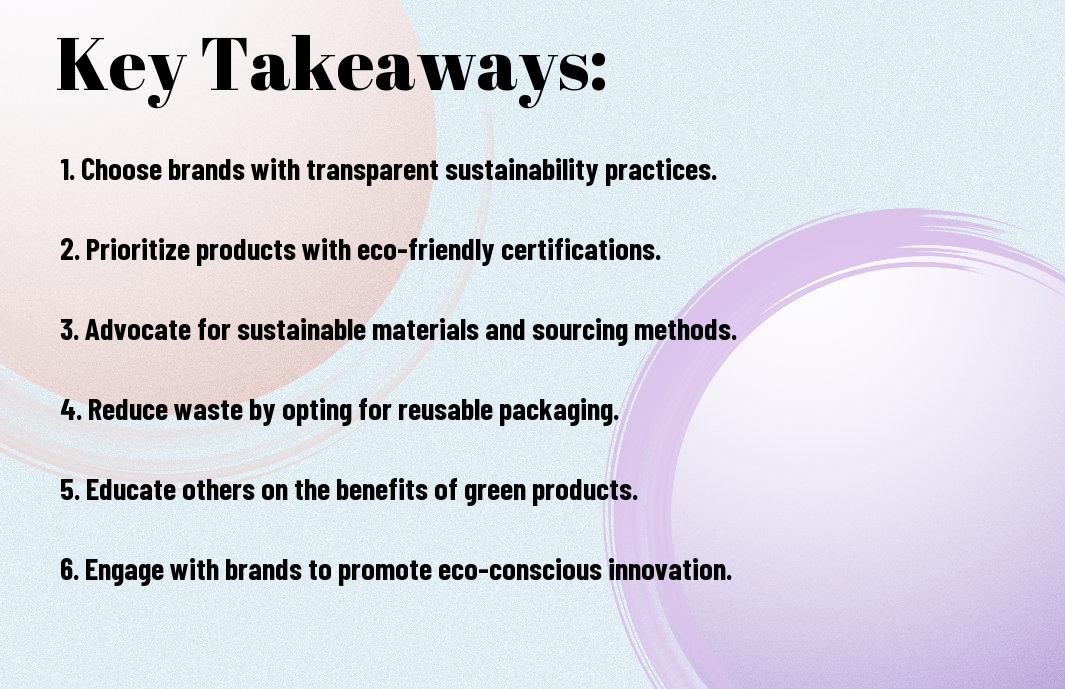
  • Look for brands that prioritize sustainability and eco-friendliness in their production processes and supply chains, ensuring a reduced environmental impact.
  • Support brands that offer recyclable or biodegradable products, promoting a circular economy and reducing waste.
  • Encourage brands to maintain transparency in their manufacturing processes and ingredient sourcing, allowing consumers to make informed decisions about the green products they choose to support.

Identifying Green Brands

Before you start supporting brands making green products, you need to know what to look for. You’ll want to find companies that prioritize the environment and sustainability.

Researching Eco-Friendly Products

Investigating the market will help you discover brands that offer eco-friendly products. You can start by looking for products made from sustainable materials and designed for recyclability.

Verifying Sustainability Claims

On the surface, many brands may appear to be sustainable, but you need to dig deeper. You’ll want to check for third-party certifications and transparent reporting on environmental impact.

The key to verifying sustainability claims is to look beyond the marketing rhetoric. You should check the brand’s website, social media, and annual reports to get a sense of their commitment to sustainability. You can also look for certifications like GOTS or Bluesign, which indicate that the brand meets certain environmental and social standards. By doing your due diligence, you can make informed decisions about which brands to support.

Benefits of Supporting Green Brands

While making eco-friendly choices, you contribute to a healthier planet. Supporting green brands reduces your carbon footprint and helps create a sustainable future.

Environmental Impact

One of the most significant advantages of supporting green brands is the positive effect on the environment. You’ll be reducing waste and conserving natural resources, making your lifestyle more sustainable.

Promoting Innovation

Eco-friendly innovations are driven by consumer demand. You drive the development of new sustainable products and technologies by choosing green brands.

Promoting green innovations, you encourage companies to invest in environmentally friendly technologies, leading to new sustainable products and a better future for your planet. By supporting these brands, you play a significant role in shaping the market and pushing the boundaries of eco-friendly production.

Making Informed Purchasing Decisions

Now that you’re committed to supporting green brands, it’s time to think about your purchasing decisions. You need to be intentional about the products you buy and the companies you support. This means doing your research and being mindful of your choices.

Reading Labels and Certifications

At the store, you’ll encounter various labels and certifications claiming eco-friendliness. You should look for third-party certifications that back up these claims, ensuring the product meets your standards.

Evaluating Brand Transparency

Along with certifications, you want to assess the brand’s transparency. You can check their website, social media, and customer service to see how open they are about their practices and policies.

Even when a brand appears transparent, you should dig deeper. You can investigate their supply chain, manufacturing process, and environmental impact to get a clearer picture of their commitment to sustainability. This will help you make informed decisions that align with your values and support genuinely green brands.

Effective Ways to Support Green Brands

To make a difference, you can support brands that prioritize the environment. By choosing green products, you promote sustainability and encourage other companies to follow suit.

Word-of-Mouth Recommendations

Against the tide of fast consumerism, you can advocate for eco-friendly brands by sharing your positive experiences with others, spreading awareness about the importance of green products.

Online Reviews and Ratings

One of the simplest ways to support green brands is by leaving online reviews and ratings, helping others make informed decisions about the products they buy.

Due to the power of online platforms, your reviews can reach a wide audience, influencing your peers and potential customers, and ultimately driving the demand for sustainable products, which can have a significant impact on the environment and your community, as you contribute to a more environmentally conscious market.

Overcoming Obstacles to Sustainability

Not all brands making green products are perfect, but you can still support them in their efforts to reduce environmental impact. By acknowledging their shortcomings, you encourage continuous improvement.

Affordable Options for Green Products

Against the common misconception, eco-friendly products are not always expensive. You will find affordable alternatives that fit your budget, allowing you to make sustainable choices without breaking the bank.

Addressing Limited Availability

After searching for green products, you may encounter limited options. You can look for online stores or local businesses that specialize in eco-friendly products, expanding your access to sustainable choices.

Also, you can consider buying in bulk or shopping during sales to make the most of your sustainable purchases. You will find that with a little patience and persistence, you can overcome the limited availability of green products and make a positive impact on the environment.

Creating a Lasting Impact

Many individuals are making a difference by supporting brands that produce green products. You can be one of them, making conscious choices that benefit the environment. By doing so, you contribute to a larger movement towards sustainability.

Encouraging Others to Support Green Brands

Behind your decision to support green brands is a chance to influence others. You can share your experiences and values with friends and family, inspiring them to make similar choices that promote eco-friendly practices.

Advocating for Policy Change

Others are already working to create systemic change, and you can join them. You can contact your representatives, sign petitions, and participate in local initiatives that push for policies supporting green product development and reduced waste.

In addition, you can use your voice to raise awareness about the importance of sustainability and the role that policy change plays in promoting green products. You can write to your local newspaper, participate in community discussions, or use social media to spread the word and encourage others to take action, driving your community towards a more sustainable future.

To wrap up

Considering all points, you’ve learned how to support brands making green products. You can make a difference by choosing their eco-friendly offerings, reducing your waste, and promoting their mission. Your actions will encourage more companies to adopt sustainable practices, creating a better future. By making these conscious choices, you’ll be contributing to a more environmentally responsible world, one purchase at a time.

FAQ

Q: What are the benefits of supporting brands that make green products?

A: Supporting brands that make green products has numerous benefits, including reducing your carbon footprint, conserving natural resources, and promoting sustainable practices. By choosing eco-friendly products, you are contributing to a healthier environment and encouraging companies to prioritize sustainability. Additionally, many green products are designed to be energy-efficient and long-lasting, which can save you money in the long run.

Q: How can I identify brands that truly prioritize sustainability and make genuine green products?

A: To identify brands that prioritize sustainability, look for third-party certifications such as Energy Star, USDA Organic, or Fair Trade. You can also research the brand’s website and social media to learn about their manufacturing processes, supply chain transparency, and environmental policies. Furthermore, check for reviews and ratings from other customers to get a sense of the brand’s commitment to sustainability and the quality of their green products.

Q: What are some ways to support brands making green products beyond just purchasing their products?

A: There are several ways to support brands making green products beyond just purchasing their products. You can share their content on social media to raise awareness about their sustainable practices, leave positive reviews to encourage others to support them, and participate in their loyalty programs or contests. Additionally, consider partnering with the brand as an influencer or ambassador, or investing in their company through crowdfunding or stock purchases. You can also provide feedback and suggestions on how they can improve their sustainability efforts.

Q: How can I make a significant impact by supporting brands making green products, and what difference can one person make?

A: Every person can make a significant impact by supporting brands making green products. By choosing eco-friendly products, you are sending a message to the market that sustainability matters. As more people make the same choice, it can drive demand for green products and encourage more companies to adopt sustainable practices. Moreover, your individual actions can inspire others to follow suit, creating a ripple effect that can lead to substantial positive change. Collectively, our choices can influence policy changes, technological innovation, and cultural shifts towards a more sustainable future.

Q: Are green products more expensive than traditional products, and is the extra cost worth the environmental benefits?

A: While some green products may be more expensive than their traditional counterparts, many are competitively priced. The extra cost of green products is often due to the use of sustainable materials, responsible manufacturing processes, and eco-friendly packaging. However, the long-term benefits of green products, such as energy efficiency, durability, and reduced waste, can offset the higher upfront cost. Moreover, the environmental benefits of green products, including reduced carbon emissions and conservation of natural resources, are invaluable and imperative for a sustainable future. As demand for green products grows, economies of scale can drive prices down, making them more accessible to a wider range of consumers.

Why Green Products Are Essential for Sustainability

You play a significant role in protecting the environment by making conscious choices in your daily life, and one effective way to do this is by opting for green products. As you consider your impact on the planet, you’ll find that your purchasing decisions can greatly influence your ecological footprint. By choosing green products, you contribute to reducing pollution, conserving natural resources, and promoting a healthier environment for your community, ultimately shaping a more sustainable future for yourself and generations to come.

Key Takeaways:

To achieve a more sustainable future, incorporating green products into our daily lives is vital. Here are the main points to consider:

  • Using eco-friendly products helps reduce the amount of waste generated and minimizes the negative impact on the environment.
  • Renewable resources are used to create green products, which in turn reduces our reliance on non-renewable resources and helps to conserve natural resources.
  • By choosing sustainable products, we can decrease our carbon footprint and contribute to a healthier planet for future generations, promoting a better quality of life.

The Importance of Sustainability

The shift towards sustainability is becoming increasingly vital as you consider the well-being of the planet and your role in preserving it. You must adopt sustainable practices to reduce your ecological footprint and contribute to a healthier environment.

Environmental Impact

Thoroughly understanding the consequences of your actions, you will find that choosing green products significantly diminishes pollution and waste, allowing you to live in a cleaner and more sustainable world.

Human Health Benefits

Affecting your daily life, the use of green products can greatly improve the air you breathe, the water you drink, and the overall quality of your living space, enabling you to make informed decisions about your health and well-being.

For instance, when you opt for green products, you reduce your exposure to toxic chemicals and pollutants that can cause various health problems, allowing you to create a safer and healthier environment for yourself and your loved ones.

Characteristics of Green Products

Some of the key characteristics of green products include their eco-friendly nature, reduced waste and emissions, and sustainable production processes. You can identify these products by looking for certifications and labels that indicate their environmental benefits. As you consider making the switch to green products, you’ll want to understand what sets them apart.

Eco-Friendly Materials

For instance, you’ll find that many green products are made from sustainable materials that are biodegradable and non-toxic. You can expect these materials to be sourced responsibly and have a lower environmental impact compared to traditional materials. This is an important factor to consider when making your purchasing decisions.

Reduced Waste and Emissions

Before making a purchase, you should consider the product’s potential waste and emissions. You can look for products with minimal packaging, refill options, and energy-efficient designs. This will help you reduce your environmental footprint and contribute to a more sustainable future.

With reduced waste and emissions in mind, you can make a significant impact on the environment. You’ll find that many green products are designed to be recycled, reused, or composted, reducing the amount of waste that ends up in landfills and oceans. As you choose green products, you’re supporting a more circular economy and helping to minimize the harmful effects of climate change.

Benefits of Using Green Products

Your choice to use green products has a significant impact on the environment, and it’s crucial to understand the advantages of making this switch, as it can lead to a more sustainable future for you and your community.

Conservation of Resources

Concurrently, conserving natural resources is a significant benefit of using green products, as they are designed to minimize waste and reduce your consumption of non-renewable resources, ultimately helping you to preserve the environment for future generations.

Cost-Effective Solutions

The economic benefits of green products are also an attractive aspect, as they often provide long-term cost savings, allowing you to reduce your expenses and allocate your resources more efficiently, while also contributing to a sustainable lifestyle.

Also, by investing in cost-effective green solutions, you can enjoy savings on your energy bills and extend the lifespan of your products, which in turn, reduces the need for frequent replacements and repairs, making it a smart choice for you and your household.

Challenges in Adopting Green Products

Not all individuals can easily transition to using green products due to various obstacles. You may face difficulties in adopting eco-friendly alternatives, which can hinder your progress towards a sustainable lifestyle.

Higher Initial Costs

At times, the initial investment for green products can be higher, making it challenging for you to switch from traditional options. You need to consider your budget and weigh the long-term benefits against the initial costs.

Limited Availability

The availability of green products can be limited in your area, making it difficult for you to access them. You may need to search harder to find stores that carry eco-friendly options or opt for online shopping.

Products that are environmentally friendly may not be as widely available as you would like, which can limit your choices and make it harder to find what you need. You can try looking for online retailers or specialty stores that carry a wide range of green products to help you make more sustainable choices.

Successful Implementation of Green Products

For the successful implementation of green products, you need to consider various factors, including government initiatives, corporate social responsibility, and individual actions. You will find that adopting green products can have a significant impact on the environment and your community.

Government Initiatives

Among the key drivers of green product adoption, government policies and regulations play a significant role in promoting sustainable practices. You can see the impact of these initiatives in the increasing availability of green products in your local market.

Corporate Social Responsibility

Before making a purchase, you may want to consider the environmental track record of the company producing the product. You will find that companies with a strong commitment to sustainability are more likely to offer green products that align with your values.

Successful companies prioritize corporate social responsibility, recognizing that their actions have a significant impact on the environment and society. You can support these efforts by choosing products from companies that demonstrate a genuine commitment to sustainability, and by encouraging others to do the same, you can contribute to a more environmentally conscious community.

Individual Actions for a Sustainable Future

All individuals have the power to contribute to a sustainable future by making conscious choices in their daily lives. You can start by incorporating green products into your routine, reducing your carbon footprint, and supporting eco-friendly initiatives. Your actions, no matter how small, can collectively make a significant impact on the environment.

Making Informed Choices

To make a positive impact, you need to make informed decisions about the products you use and the companies you support. You should look for products with minimal packaging, sustainable ingredients, and environmentally friendly production processes. Your choices can influence the demand for green products and encourage companies to adopt more sustainable practices.

Supporting Eco-Friendly Policies

Behind every successful sustainability initiative is a strong policy framework that supports and enables eco-friendly practices. You can play a role in advocating for policies that prioritize the environment and public health. Your voice matters, and you can use it to demand more sustainable practices from your government and corporations.

In addition, supporting eco-friendly policies can have a ripple effect, inspiring others to take action and driving systemic change. You can start by staying informed about local and national policies, participating in public consultations, and engaging with your representatives to express your support for sustainability initiatives. By doing so, you can help create a culture that values and prioritizes the health of the planet and its inhabitants.

To wrap up

Conclusively, as you consider your impact on the environment, you will find that using green products is vital for your sustainability efforts. You can make a significant difference by choosing eco-friendly alternatives, reducing your carbon footprint, and promoting a healthier planet. Your decisions will contribute to a more sustainable future, and by making these choices, you will be doing your part to preserve the environment for generations to come.

FAQ

Q: What are green products and how do they contribute to sustainability?

A: Green products are made from sustainable materials, produced with environmentally friendly processes, and designed to minimize waste and pollution. They contribute to sustainability by reducing the environmental impact of human activities, conserving natural resources, and promoting eco-friendly practices. By choosing green products, individuals can significantly decrease their carbon footprint and help protect the planet for future generations.

Q: How do green products impact the environment compared to traditional products?

A: Green products have a significantly lower environmental impact compared to traditional products. They are designed to reduce greenhouse gas emissions, conserve water, and minimize waste. For example, energy-efficient appliances and solar panels can reduce energy consumption, while sustainable clothing and textiles can reduce fashion waste. Additionally, green products are often made from recycled materials, which reduces the need for new raw materials and helps to decrease pollution.

Q: What are the benefits of using green products for individuals and society as a whole?

A: The benefits of using green products are numerous. For individuals, they can improve indoor air quality, reduce exposure to toxic chemicals, and save money through energy efficiency. For society as a whole, green products can help mitigate climate change, protect natural resources, and promote sustainable development. Furthermore, the demand for green products drives innovation and job creation in the sustainable industry, contributing to economic growth and social well-being.

Q: How can I identify genuine green products and avoid greenwashing?

A: To identify genuine green products, look for certifications from reputable organizations, such as the USDA Organic or Energy Star labels. Check the product’s lifecycle assessment, which evaluates its environmental impact from production to disposal. Be wary of vague claims or misleading language, and always verify the manufacturer’s sustainability policies and practices. Additionally, read reviews and ratings from other customers to get a sense of the product’s actual performance and environmental benefits.

Q: What role do governments and businesses play in promoting the adoption of green products?

A: Governments and businesses play a vital role in promoting the adoption of green products. Governments can establish policies and regulations that incentivize the production and consumption of green products, such as tax credits or subsidies. Businesses can invest in research and development to create innovative green products, and implement sustainable practices throughout their supply chains. Additionally, businesses can educate consumers about the benefits of green products and provide accessible and affordable options, making it easier for individuals to make sustainable choices and contribute to a more environmentally friendly future.

How Green Products Help Save Water

As you consider your impact on the environment, you may wonder how your daily choices affect the planet’s precious water resources. By incorporating green products into your routine, you can significantly reduce your water usage. You can explore options like those listed in 5 Eco-Friendly Products That Save Water and Energy to make a positive change. Your decisions can help mitigate water waste and contribute to a more sustainable future.

Key Takeaways:

To reduce water consumption and promote sustainability, consider the following points about green products and their role in water conservation:

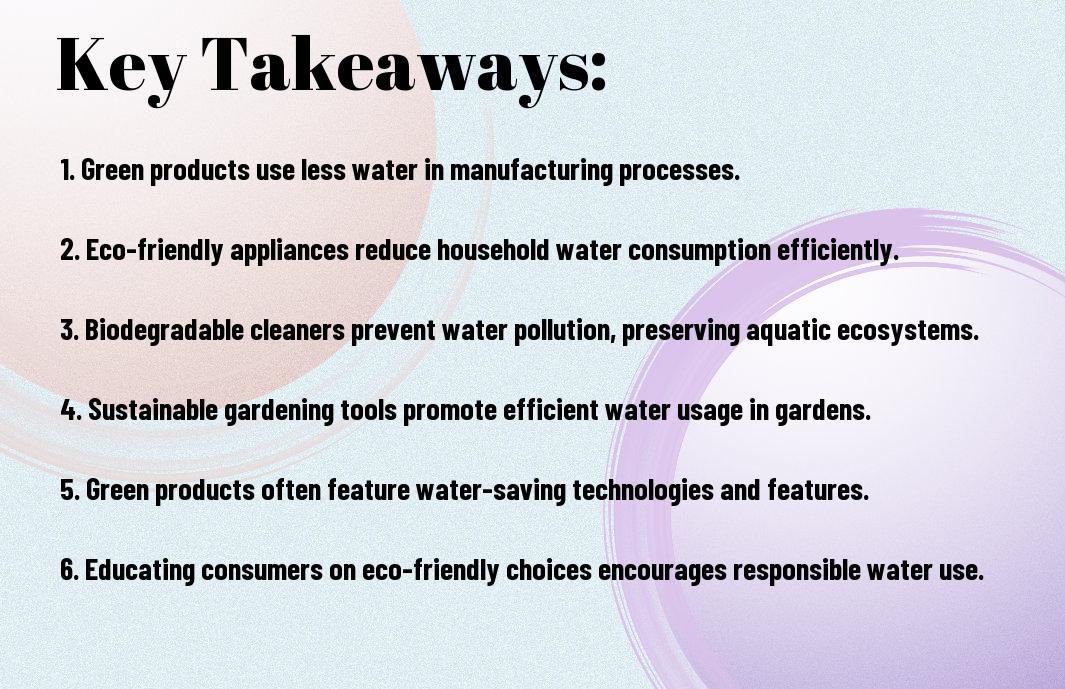
  • Using eco-friendly appliances and fixtures can significantly reduce water waste by minimizing leakage and optimizing water usage, thus helping to save water for future generations.
  • Sustainable products, such as low-flow showerheads and toilets, are designed to reduce water consumption while maintaining performance, making them an excellent choice for environmentally conscious consumers.
  • Purchasing products with environmental certifications, such as WaterSense or EcoLabel, ensures that the products meet water efficiency standards, contributing to a significant reduction in water usage over time.

    Benefits of Green Products

    For individuals seeking to reduce their environmental footprint, green products offer a viable solution. You can make a significant impact by incorporating these products into your daily life, reducing your reliance on harmful substances and promoting a healthier planet.

    Reduction of Water Pollution

    By utilizing green products, you help decrease the amount of pollutants that enter your waterways, protecting aquatic life and preserving the quality of your water supply. This simple switch can have a lasting impact on your environment.

    Conservation of Water Resources

    By choosing green products, you contribute to the conservation of your water resources, reducing the demand on this precious commodity and helping to ensure its availability for future generations. Your actions can make a significant difference in preserving the world’s water supply.

    Due to your thoughtful choices, the conservation of water resources becomes a more achievable goal. As you continue to use green products, you’ll notice a decrease in your water consumption, and your contribution to the preservation of this vital resource will grow, ultimately benefiting both you and the environment.

    Eco-Friendly Alternatives

    Now, as you explore ways to reduce your water footprint, you’ll find a range of eco-friendly alternatives that can make a significant impact. These alternatives can help you conserve water and reduce your environmental impact, allowing you to live a more sustainable lifestyle.

    Water-Efficient Appliances

    With the advent of technology, you can invest in water-efficient appliances that use significantly less water than traditional ones, helping you save water with every use. You can opt for appliances with low-flow features, which can greatly reduce your water consumption.

    Sustainable Water Management Systems

    By adopting sustainable water management systems, you can effectively manage and conserve water in your daily life. You can implement rainwater harvesting systems or greywater reuse systems, which can help reduce your water bills and minimize your environmental impact.

    In fact, sustainable water management systems can be tailored to your specific needs, allowing you to maximize water conservation in your home or community. You can explore various options, such as drip irrigation systems or water-efficient landscaping, to create a water-friendly environment that benefits both you and the planet.

    Impact on the Environment

    Unlike traditional products, green products have a significantly lower environmental impact, allowing you to reduce your ecological footprint and contribute to a healthier planet.

    Decrease in Water Waste

    Diminishing your water consumption is easier with green products, as you can minimize the amount of water used in production and disposal, ultimately reducing the strain on your local water resources.

    Protection of Aquatic Ecosystems

    Adjacent to the benefits of reducing water waste, you can also help preserve aquatic life by choosing green products, which tend to have fewer harmful chemicals that can pollute your waterways.

    Water conservation is imperative for maintaining the delicate balance of your aquatic ecosystems, and by using green products, you can play a significant role in protecting these vital environments, ensuring the long-term health and biodiversity of your planet, and the well-being of the species that inhabit it, including your own.

    Role of Individuals

    All individuals have a significant part to play in saving water by making conscious choices in their daily lives. You can start by using green products that are designed to reduce water waste, and by doing so, you will be contributing to a larger cause.

    Making Informed Choices

    About the products you use, it is vital to consider their environmental impact. You should look for products with minimal packaging and those that are designed to conserve water, allowing you to make a positive change in your daily habits.

    Promoting Water Conservation

    Around your community, you can take steps to promote water conservation by sharing your knowledge with others. You can encourage your friends and family to use green products and adopt water-saving practices, inspiring a collective effort to protect this precious resource.

    This collective effort can lead to a significant impact when you consider the number of people involved. You can participate in local initiatives, support organizations that work towards water conservation, and make environmentally conscious decisions in your own life, ultimately contributing to a more sustainable future for your community and the environment as a whole.

    Community Involvement

    Once again, you have the power to make a difference in your community by promoting green products and practices that help save water. Your efforts can inspire others to join the cause, creating a ripple effect that benefits the environment.

    Local Initiatives for Water Conservation

    Across the nation, communities are coming together to launch initiatives that reduce water waste and promote conservation. You can participate in local events, such as clean-up drives and water-saving workshops, to contribute to the cause.

    Education and Awareness Programs

    By supporting education and awareness programs, you can help spread the word about the importance of water conservation. Your involvement can make a significant impact on your community’s water-saving efforts.

    Water conservation is a complex issue that requires a multifaceted approach, and education is key to addressing it. As you learn more about the impact of your daily choices on the water supply, you can make informed decisions to reduce your water footprint and encourage others to do the same, ultimately contributing to a more sustainable future for your community.

    Government Policies and Regulations

    Your role in conserving water is supported by government policies and regulations that promote the use of green products, which in turn help reduce water waste and protect the environment.

    Support for Green Technologies

    Genuinely, green innovations are being encouraged through various initiatives, enabling you to make a positive impact on the planet by choosing eco-friendly products that save water.

    Incentives for Water Conservation

    Behind the scenes, governments are implementing incentives to encourage water conservation, and you can benefit from these programs by adopting green practices and products that reduce your water footprint.

    Consequently, as you take advantage of these incentives, you will not only be saving water but also contributing to a larger movement that prioritizes environmental sustainability, and your efforts will be reinforced by the knowledge that you are making a significant difference in protecting the planet’s precious water resources.

    Summing up

    With this in mind, you can see how your daily choices impact the planet’s water resources. By opting for green products, you significantly reduce your water footprint, preserving this precious resource for future generations. Your support for environmentally friendly products helps decrease the amount of water used in manufacturing, ultimately conserving your planet’s most vital element. As you make these conscious choices, you contribute to a larger movement, protecting your world’s water and ensuring a healthier environment.

    FAQ

    Q: What are green products and how do they contribute to water conservation?

    A: Green products are environmentally friendly products that are designed to reduce the consumption of natural resources, including water. These products help save water by using innovative technologies and materials that minimize water usage, such as low-flow showerheads, toilets, and faucets. Additionally, green products like rainwater harvesting systems and greywater reuse systems help collect and reuse water for non-potable purposes, reducing the demand on municipal water supplies.

    Q: How do green cleaning products help save water?

    A: Green cleaning products are formulated to be biodegradable and free of harsh chemicals, which reduces the amount of pollutants that enter waterways and groundwater. These products also often require less water to rinse and clean surfaces, making them a more water-efficient option. Furthermore, many green cleaning products are concentrated, which reduces the amount of packaging and transportation needed, ultimately conserving water and reducing waste.

    Q: Can using green products at home really make a significant impact on water conservation?

    A: Yes, using green products at home can make a significant impact on water conservation. Every small change, such as installing low-flow faucets or using water-efficient appliances, can add up to make a big difference. Additionally, choosing products with the WaterSense label, which is awarded by the U.S. Environmental Protection Agency, ensures that the product meets standards for water efficiency. By making these changes, individuals can save hundreds of gallons of water per year, which can collectively make a significant impact on the environment.

    Q: How do green products help reduce water waste in agriculture and industry?

    A: Green products, such as drip irrigation systems and precision agriculture technologies, help reduce water waste in agriculture by delivering water directly to the roots of plants, reducing evaporation and runoff. In industry, green products like water-efficient manufacturing equipment and closed-loop systems help minimize water usage andreduce wastewater generation. Additionally, green products like water-saving membranes and filtration systems help treat and reuse water, reducing the amount of water withdrawn from natural sources.

    Q: What are some simple ways to incorporate green products into daily life to help save water?

    A: Incorporating green products into daily life is easier than you think. Simple ways to start include replacing traditional light bulbs with energy-efficient LED bulbs, using a water filter instead of buying bottled water, and choosing personal care products that are free of harsh chemicals. Additionally, using a rain barrel to collect rainwater for gardening and household purposes, and installing a low-flow showerhead or faucet aerator can also make a big impact. By making these small changes, individuals can contribute to a larger movement towards water conservation and sustainability.

Why Green Products Are Essential for Future Generations

Key Takeaways:

To ensure a sustainable future, it’s important to adopt eco-friendly practices and products. Here are some key points to consider:

  • Using green products helps to reduce the amount of toxic waste and pollution in our environment, creating a healthier space for future generations to thrive.
  • Investing in sustainable and renewable energy sources, such as solar and wind power, can significantly reduce our reliance on fossil fuels and lower carbon emissions.
  • By choosing environmentally responsible products and practices, we can help to conserve natural resources and protect biodiversity, ensuring a thriving planet for generations to come.

Importance of Sustainability

For your future and the future of your children, embracing sustainable practices is vital. You can learn more about Why It’s Important to Use Sustainable Products in Your Daily Life and make informed choices.

Environmental Benefits

Along with reducing your carbon footprint, you can help preserve natural resources and protect biodiversity by choosing green products, ultimately safeguarding the planet for your children.

Economic Advantages

Around your community, sustainable practices can have a significant impact on the local economy, supporting businesses that prioritize the environment and promoting eco-friendly initiatives that benefit you and your family.

Economic benefits of sustainable living extend beyond your immediate surroundings, as you’ll likely notice a reduction in your household expenses when you adopt eco-friendly habits, such as reducing energy consumption and using public transport, which in turn can lead to savings that you can invest in your future or your children’s education, allowing you to create a more secure financial foundation for your family.

Impact of Non-Green Products

Clearly, the consequences of using non-green products are far-reaching, affecting not only your immediate environment but also the well-being of future generations.

Pollution and Waste

Wastefully, you discard products without considering the long-term effects on the planet, contributing to the overwhelming amounts of trash in landfills and oceans.

Health Risks

Around you, the air and water are filled with toxic substances from non-green products, posing significant threats to your health and the health of your loved ones.

With each non-green product you use, you expose yourself to a cocktail of harmful chemicals that can cause respiratory problems, cancer, and other diseases, emphasizing the need to make informed choices to protect your well-being and the environment.

Benefits of Green Products

Your daily choices have a significant impact on the environment, and opting for green products is a step in the right direction, leading to a more sustainable future.

Reduced Carbon Footprint

Prior to making the switch, you may not have considered the environmental consequences of your purchases, but now you can reduce your carbon footprint by choosing eco-friendly alternatives.

Conservation of Resources

Products that are designed with sustainability in mind help conserve natural resources, reducing waste and pollution, and you can contribute to this effort by making informed choices.

Indeed, by conserving resources, you are helping to preserve the planet’s natural balance, ensuring that future generations inherit a healthy and thriving environment, where they can live and prosper without the burden of environmental degradation.

Role of Individuals in Promoting Green Products

Not only can you make a difference by choosing green products, but you can also inspire others to do the same. Your daily decisions can contribute to a more sustainable future.

Personal Choices

Above all, your personal choices, such as selecting eco-friendly products and reducing waste, set an example for others to follow, creating a ripple effect that can lead to significant positive change.

Community Involvement

Across your community, you can participate in initiatives that promote green products and practices, helping to raise awareness and drive demand for sustainable solutions.

In addition, as you engage with your community, you can collaborate with local organizations and businesses to develop and support green initiatives, fostering a culture of environmental stewardship that benefits future generations.

Green Product Innovations

Once again, you have the opportunity to make a positive impact on the environment by adopting green product innovations that reduce your carbon footprint and promote sustainability.

Renewable Energy

With the advancement of technology, you can now harness renewable energy sources such as solar and wind power to fuel your daily life, reducing your reliance on fossil fuels and decreasing your contribution to pollution.

Eco-Friendly Technologies

At the forefront of green product innovations are eco-friendly technologies that enable you to live a more sustainable lifestyle, from energy-efficient appliances to biodegradable products that minimize waste and reduce harm to the environment.

A closer look at eco-friendly technologies reveals a wide range of options available to you, from smart home devices that optimize energy consumption to sustainable materials used in construction and manufacturing, allowing you to make informed choices that benefit both your well-being and the planet’s health.

Government Initiatives and Policies

Unlike in the past, many governments are now taking proactive steps to promote the use of green products, recognizing the significant impact they can have on the environment. You can see this shift in the policies and initiatives being implemented to support a more sustainable future.

Regulations and Standards

Around the world, governments are establishing regulations and standards to encourage the development and use of green products, helping you to make informed choices about the products you buy and use.

Incentives and Support

Initiatives such as tax breaks, grants, and subsidies are being offered to businesses and individuals who adopt green products and practices, enabling you to contribute to a more sustainable future.

Indeed, as you take advantage of these incentives and support, you will not only be reducing your environmental impact, but also saving money and improving your quality of life, which is a key benefit of choosing green products and participating in the creation of a better future for generations to come.

Conclusion

The use of green products is vital for preserving the health of your planet. As you consider the future, you must think about the impact of your daily choices on the environment. By choosing eco-friendly products, you are ensuring a safer and more sustainable world for your children and grandchildren, free from the harmful effects of pollution and toxic chemicals that can devastate your family’s well-being and the natural world. You have the power to protect your environment and your legacy.

FAQ

Q: What are green products and how do they impact the environment?

A: Green products refer to items that are designed and manufactured to have a minimal negative impact on the environment. They are made from sustainable materials, are biodegradable, and have a lower carbon footprint compared to traditional products. The use of green products helps to conserve natural resources, reduces pollution, and decreases greenhouse gas emissions, ultimately creating a healthier environment for future generations.

Q: Why is it important to choose green products over traditional ones?

A: Choosing green products is imperative because they help to mitigate the effects of climate change, preserve biodiversity, and protect ecosystems. Traditional products often contain harmful chemicals and toxins that can harm human health and the environment. By opting for green products, consumers can significantly reduce their exposure to these hazardous substances and contribute to a more sustainable future.

Q: How can green products contribute to a sustainable future for generations to come?

A: Green products play a vital role in creating a sustainable future by reducing waste, promoting renewable energy, and conserving natural resources. As the demand for green products increases, manufacturers are incentivized to adopt more sustainable practices, invest in renewable energy, and develop innovative eco-friendly technologies. This shift towards sustainability helps to ensure that future generations inherit a healthy and thriving planet.

Q: What role do individuals play in promoting the use of green products and protecting the environment?

A: Individuals have a significant impact on promoting the use of green products and protecting the environment. By making informed purchasing decisions, choosing eco-friendly products, and adopting sustainable practices, individuals can drive demand for green products and encourage manufacturers to adopt more sustainable practices. Additionally, individuals can also influence their communities and governments to prioritize environmental protection and implement policies that support the development and use of green products.

Q: How can we ensure that green products are accessible and affordable for everyone, particularly for low-income communities?

A: To ensure that green products are accessible and affordable for everyone, governments, manufacturers, and organizations can work together to implement policies and programs that support the development and distribution of affordable green products. This can include offering tax incentives, subsidies, and discounts for eco-friendly products, as well as investing in education and awareness campaigns to promote the benefits of green products. By making green products more accessible and affordable, we can create a more equitable and sustainable future for all.

Skip to content