Top Reusable Food Storage Solutions

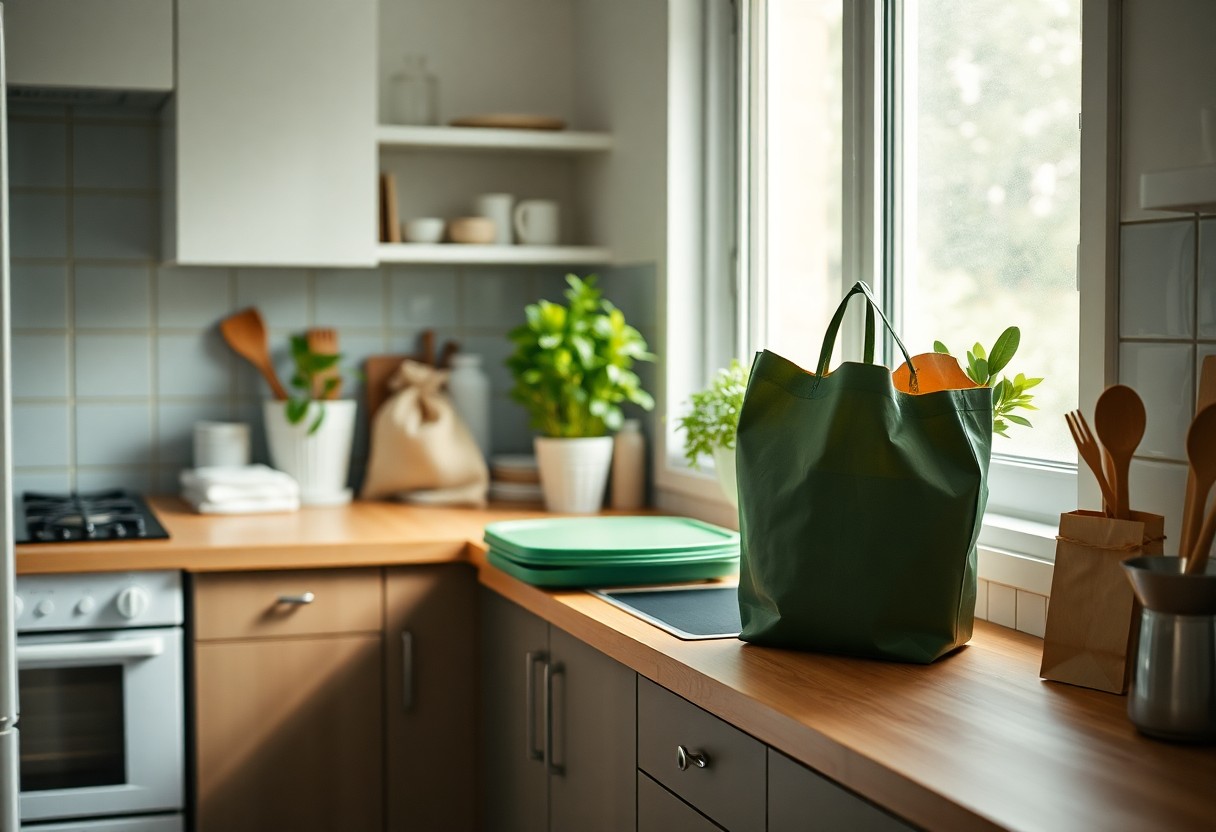
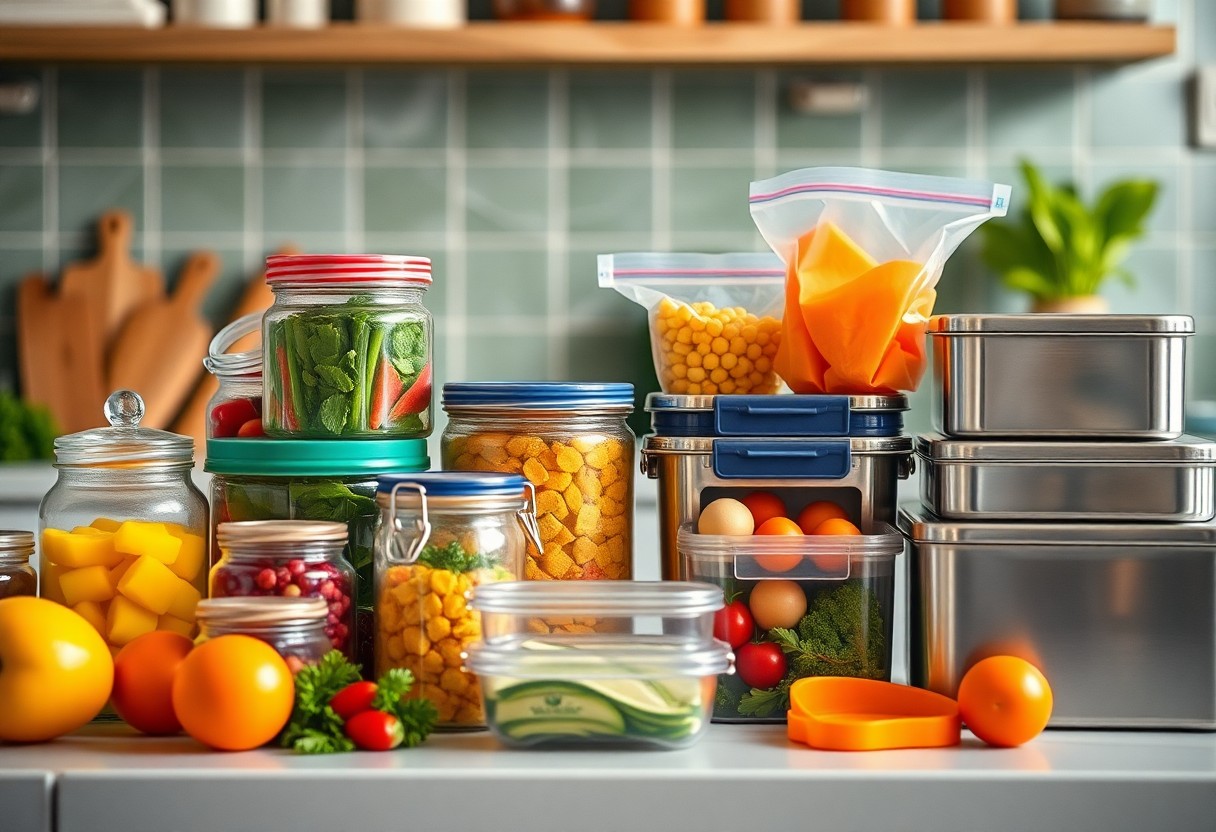
As you strive to reduce your environmental footprint, you’re likely looking for ways to minimize waste in your kitchen. Your food storage habits play a significant role in this effort. You can make a significant impact by switching to reusable food storage solutions. By doing so, you’ll not only reduce plastic waste but also keep your food fresh for longer. In this post, you’ll discover the best reusable food storage options to help you achieve your sustainability goals.
Key Takeaways:

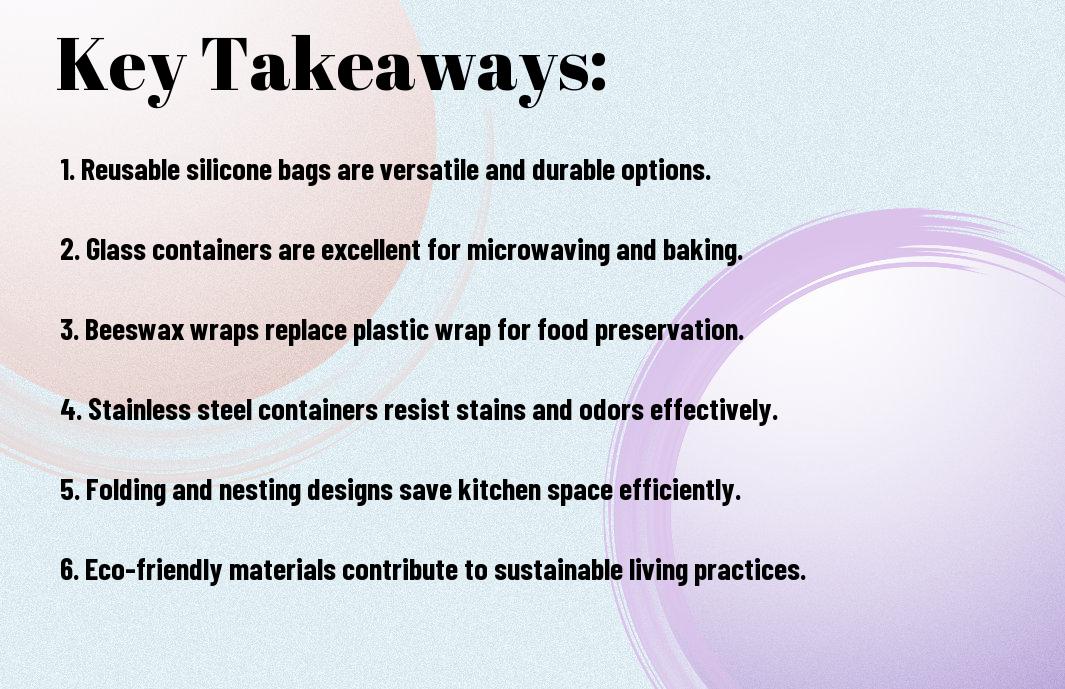
To minimize food waste and maintain a well-organized kitchen, consider the following solutions:

  • Invest in Airtight Containers to keep food fresh for a longer period, reducing the need for single-use packaging and preserving the quality of stored items.
  • Use Stackable Containers to maximize storage space in your kitchen, making it easier to find what you need when you need it and reducing clutter.
  • Opt for Bee’s Wrap or other Reusable Wraps as an alternative to plastic wrap for covering bowls and wrapping snacks, helping to reduce plastic waste.
  • Utilize Silicone Storage Bags for storing snacks, leftovers, and other food items, as they are easy to clean, durable, and can be used multiple times.
  • Choose Glass Containers with lids for storing food in the fridge or freezer, as they are non-toxic, easy to clean, and can withstand extreme temperatures.

Benefits of Reusable Food Storage

Your decision to switch to reusable food storage solutions can have a significant impact on your daily life and the environment. You will reduce waste, keep your food fresh, and save space in your kitchen.

Environmental Impact

Following the switch to reusable food storage, you’ll notice a reduction in plastic waste. After adopting this approach, you’ll be helping to decrease the amount of plastic that ends up in landfills and oceans, contributing to a more sustainable future.

Cost-Effectiveness

Benefits such as saving money and reducing waste make reusable food storage a great option. By using reusable containers, you’re investing in a product that can be used multiple times, reducing the need for single-use plastics and saving you money in the long run.

At the outset, the cost of purchasing reusable food storage containers might seem higher, but when you consider the long-term benefits, you’ll find that it’s a cost-effective solution. You’ll no longer need to constantly buy plastic bags or wrapping paper, and your containers will last for a long time, making them a worthwhile investment for your kitchen.
Types of Reusable Containers

If you’re looking for alternatives to disposable containers, consider the following options:

  • Glass containers
  • Stainless steel containers

Any of these containers can be used for storing food.

Type Characteristics
Glass Non-toxic, durable
Stainless Steel Lightweight, resistant
Plastic Affordable, versatile
Silicone Flexible, easy to clean
Bamboo Eco-friendly, sustainable

Glass Containers

Between the various options, glass containers are a popular choice for storing food, as they are non-toxic and durable, making them a great investment for your kitchen.

Stainless Steel Containers

Containers made of stainless steel are a great alternative to plastic, offering a lightweight and resistant solution for storing your food.

Another benefit of stainless steel containers is that they are easy to clean and maintain, making them a practical choice for your daily food storage needs. You can use them to store a variety of foods, from fruits and vegetables to leftovers and snacks, and they will keep your food fresh for a longer period.

Innovative Storage Solutions

Despite the many options available, you can find storage solutions that fit your specific needs. You can explore various innovative products that make food storage easier and more efficient.

Silicone Bags

Inventively designed silicone bags offer a versatile and space-saving solution for storing food. You can use them to store snacks, leftovers, or even freeze meals, making them a great addition to your kitchen.

Beeswax Wraps

Ingeniously crafted beeswax wraps provide an eco-friendly alternative to plastic wrap. You can use them to cover bowls, wrap snacks, or store leftovers, and they are easy to clean and reuse.

It is worth noting that beeswax wraps are a great option for you if you’re looking for a sustainable and non-toxic way to store your food. You can make your own beeswax wraps at home using beeswax, jojoba oil, and cotton cloth, or purchase them from a reputable supplier. This will allow you to reduce your reliance on single-use plastics and keep your food fresh for longer.

Brand Reviews

For those looking for reliable reusable food storage solutions, you’ll want to explore the various brands available in the market. You can consider factors such as quality, durability, and pricing to make an informed decision.

Popular Brands

Prominent brands like Pyrex and Tupperware offer high-quality products that are known for their durability and non-toxic materials, giving you peace of mind when storing your food.

Emerging Innovators

For your consideration, newer brands are also making a name for themselves with innovative designs and eco-friendly materials, providing you with more options to choose from.

To further explore the emerging innovators, you can look into brands that specialize in sustainable materials, such as bamboo or silicone, and consider their products’ performance, ease of use, and affordability to find the best fit for your needs.

Safety and Maintenance

Many of your reusable food storage solutions require regular maintenance to ensure they remain safe for use, and you should prioritize this to keep your food fresh and healthy.

Cleaning and Sanitizing

About the best way to keep your reusable storage containers clean, you will find that washing them with soap and warm water is an effective method, and you should do this after every use.

Durability and Lifespan

One of the key factors to consider when choosing reusable food storage solutions is how long they will last, and you want to select materials that are durable and can withstand regular use.

Due to the variety of materials used to make reusable food storage containers, you may find that some are more resistant to wear and tear than others, and by choosing high-quality products, you can ensure that your containers will last for a long time and provide you with a safe and convenient way to store your food.

Tips for Implementation

All it takes is a little planning to implement reusable food storage solutions in your daily life. Consider the following:

  • Choose the right containers for your needs
  • Label and date your containers
  • Thou shall find that reusable food storage solutions make your life easier and more sustainable.

    Meal Planning

    Prior to starting your meal planning, consider your dietary goals and preferences to ensure your reusable food storage solutions are used effectively, helping you to plan your meals and make the most of your containers, as you take control of your food storage.

    Kitchen Organization

    Kitchens can be optimized by using reusable food storage solutions, allowing you to keep your kitchen tidy and your food fresh, as you utilize your space efficiently with your new storage containers.

    Meal preparation becomes more efficient when your kitchen is well-organized, and you can easily find the ingredients and containers you need, enabling you to cook and store your meals with ease, making the most of your reusable food storage solutions, and helping you to maintain a sustainable and organized kitchen.

    Summing up

    Now that you have explored the top reusable food storage solutions, you can make informed decisions about your kitchen needs. You will find that switching to reusable containers is a simple way to reduce waste and keep your food fresh. With your new knowledge, you can choose the best options for your lifestyle and start enjoying the benefits of reusable food storage in your daily life, making your kitchen more efficient and environmentally friendly.

    FAQ

    Q: What are the benefits of using reusable food storage solutions?

    A: Reusable food storage solutions offer numerous benefits, including reducing plastic waste, saving money in the long run, and keeping food fresh for a longer period. These solutions are made from durable materials, such as stainless steel, glass, or silicone, which are non-toxic and can withstand extreme temperatures. By switching to reusable food storage containers, you can minimize your environmental footprint and contribute to a more sustainable future.

    Q: How do I choose the right reusable food storage solution for my needs?

    A: Choosing the right reusable food storage solution depends on several factors, including the type of food you plan to store, the size of the container you need, and your personal preferences. Consider the material, size, and shape of the container, as well as any special features you may need, such as airtight lids or microwave safety. For example, if you plan to store soups or sauces, a stainless steel or glass container with a tight-fitting lid would be a good choice. If you plan to store dry goods, such as grains or snacks, a silicone or fabric container may be a better option.

    Q: How do I properly clean and maintain my reusable food storage containers to ensure they last long?

    A: Proper cleaning and maintenance are imperative to extend the life of your reusable food storage containers. Wash the containers with mild soap and warm water after each use, and dry them thoroughly to prevent bacterial growth. For tougher stains or odors, mix baking soda and water to create a paste, and apply it to the container before washing. Avoid using abrasive cleaners or scouring pads, as they can damage the material. Additionally, regularly inspect your containers for signs of wear and tear, and replace them if you notice any cracks, chips, or other damage to ensure food safety and prevent contamination.
The Impact of Green Products on Reducing Food Waste

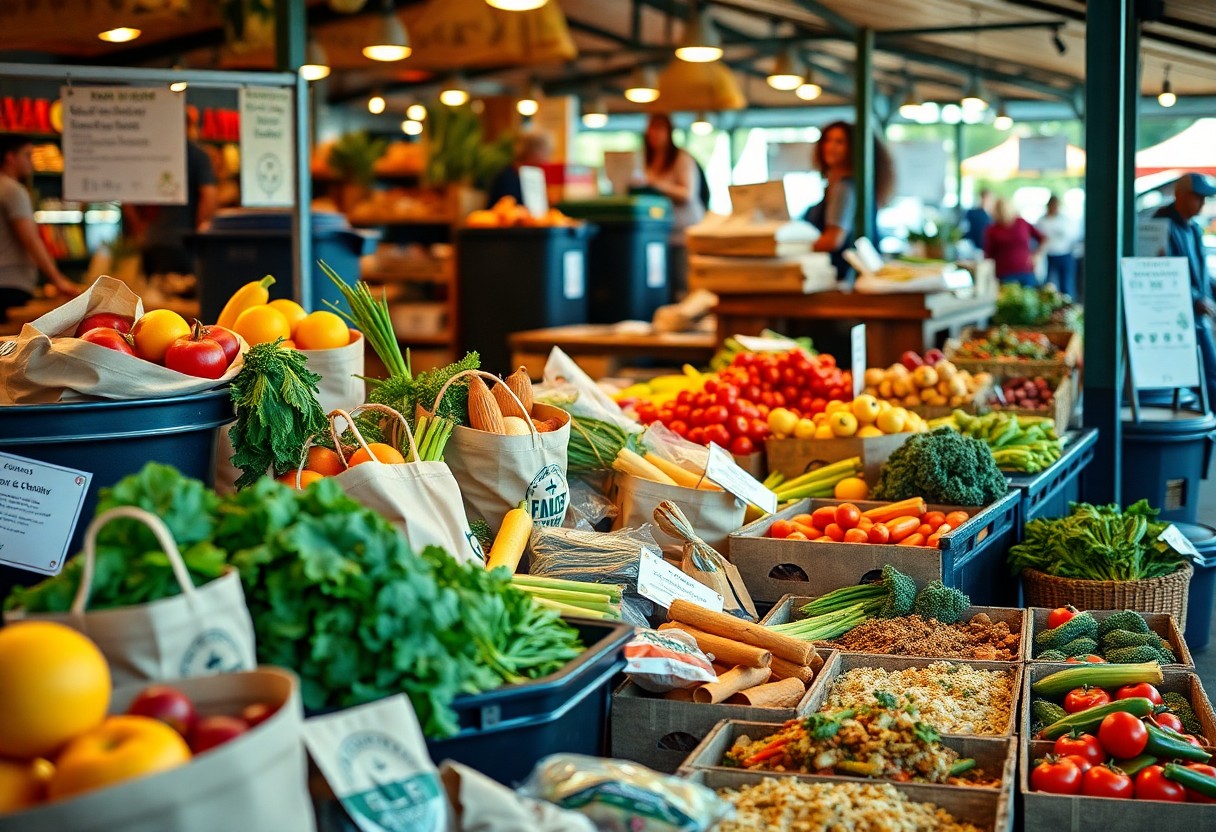
As you consider the environmental implications of your daily choices, you may wonder how your shopping habits affect the planet. You likely know that food waste is a significant problem, and you’re looking for ways to reduce your contribution to it. Your decision to opt for green products can have a substantial impact on this issue, and by making informed choices, you can help minimize the staggering amounts of food that end up in landfills, ultimately reducing your carbon footprint and promoting a more sustainable future.

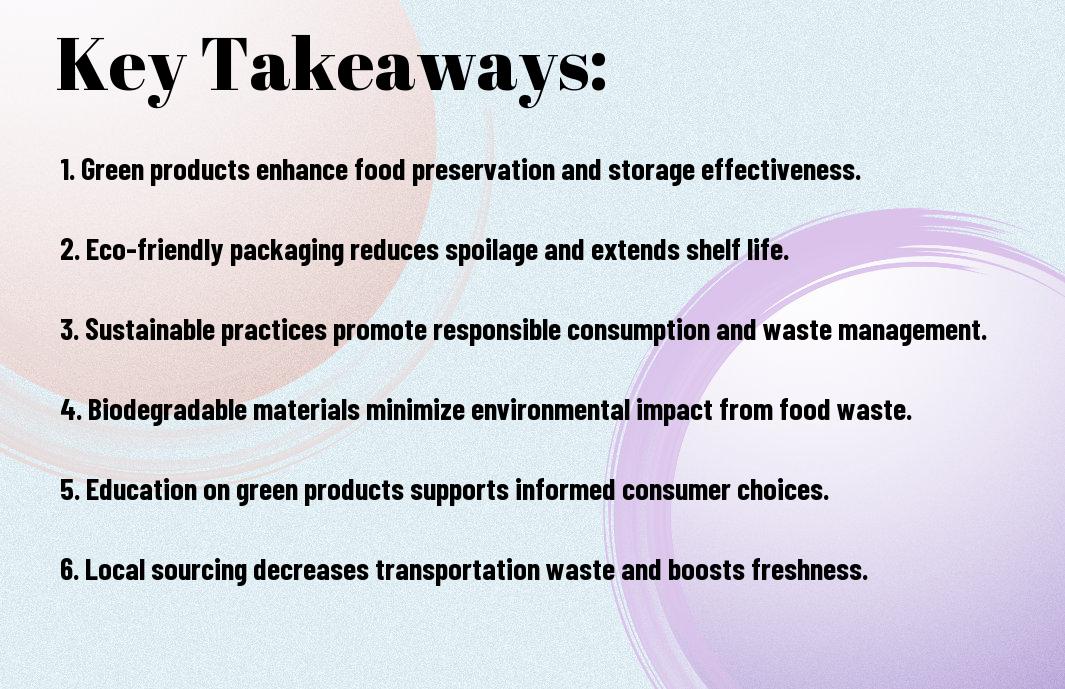
Key Takeaways:

  • Using sustainable packaging can help reduce food waste by extending the shelf life of products and preventing damage during transportation and storage.
  • Eco-friendly products, such as compostable or biodegradable packaging, can minimize the environmental impact of waste disposal and promote a circular economy.
  • Implementing smart packaging solutions, like intelligent labels and tracking systems, can help monitor and manage food supply chains more efficiently, reducing food waste and improving logistics.
  • Green products can also influence consumer behavior, encouraging people to adopt sustainable lifestyles and make environmentally conscious choices, which can lead to a reduction in food waste at the household level.
  • Supporting local food systems and promoting seasonal produce can help reduce food waste by minimizing transportation distances, preserving food freshness, and encouraging consumers to buy locally sourced products.

    Causes of Food Waste

    Before you can tackle the issue of food waste, you need to understand what leads to it. The roots of food waste are complex, involving a combination of factors from production to consumption. As you explore this topic, you’ll find that waste occurs at various stages, including households and commercial settings.

    Household Food Waste

    Closely examining your own habits, you’ll see that factors like overbuying and poor meal planning contribute to waste in your own home. You might notice that you often discard expired or spoiled food, which could have been avoided with better planning and management.

    Commercial Food Waste

    Contrary to what you might expect, commercial waste is a significant part of the problem. You’ll find that supermarkets and restaurants discard a substantial amount of food due to appearance, overstocking, or expiring dates. This not only wastes resources but also impacts your environment.

    Further investigation into commercial food waste will show you that the issue is deeply embedded in the supply chain. You’ll discover that strict quality standards, overproduction, and inefficient distribution networks all play a role in the staggering amounts of waste generated by commercial entities, affecting not just the environment but also your own wallet through higher food prices.

    Benefits of Green Products

    There’s no denying that green products have a significant impact on reducing food waste, and as you consider making the switch, you’ll find that the benefits are numerous. By choosing green products, you’re not only reducing your environmental footprint but also promoting a more sustainable food system.

    Eco-Friendly Packaging

    With the rise of eco-friendly packaging, you can now make a conscious choice to reduce waste. You’ll find that many green products utilize biodegradable or recyclable materials, allowing you to minimize your impact on the environment.

    Sustainable Food Production

    One of the most significant advantages of green products is their focus on sustainable food production. You’ll discover that sustainable farming practices prioritize soil health, biodiversity, and efficient water use, resulting in a more environmentally friendly food system.

    Even as you research deeper into sustainable food production, you’ll notice that it’s not just about the environment – it’s also about the quality of the food you eat. By choosing green products, you’re supporting farmers who prioritize sustainable practices, and in turn, you’re getting fresher, healthier produce that’s better for you and the planet.

    Impact of Green Products on Reducing Food Waste

    To minimize your environmental footprint, consider the role of green products in reducing food waste. By adopting eco-friendly practices, you can significantly decrease the amount of waste generated in your daily life.

    Reduction in Packaging Waste

    Besides the obvious benefits of reducing food waste, green products also help decrease packaging waste. You can opt for products with minimal or biodegradable packaging, reducing your overall waste output.

    Increased Food Shelf Life

    Along with reducing waste, green products can also help extend the shelf life of your food. You can use reusable containers and bags to store food, keeping it fresh for a longer period.

    Another advantage of using green products is that they often utilize natural preservatives and ingredients that help maintain the quality of your food. By choosing these products, you can enjoy your food for a longer time, reducing the likelihood of waste and saving you money in the long run.

    Consumer Behavior and Green Products

    Keep in mind that your purchasing decisions have a significant impact on the environment, and opting for green products can substantially reduce food waste. By choosing eco-friendly alternatives, you are supporting sustainable practices and promoting a healthier planet.

    Awareness of Green Products

    Toward a more sustainable future, you will find that awareness of green products is increasing, and many companies are now offering environmentally friendly options, allowing you to make informed choices that align with your values.

    Changing Consumer Habits

    Behind the shift towards green products lies a growing concern for the environment, and as you become more mindful of your consumption habits, you begin to make changes that have a positive impact on reducing food waste.

    In addition to making conscious choices, you can also influence others by sharing your knowledge and experiences with green products, creating a ripple effect that can lead to a significant reduction in food waste and a more sustainable future for all.

    Green Product Innovations

    Unlike traditional products, green innovations offer a sustainable solution to reducing food waste, and you can make a significant impact by choosing eco-friendly alternatives, as you explore the various options available in the market, you will find that these products are designed to minimize waste and reduce environmental harm.

    Biodegradable Packaging

    One of the most significant developments in green product innovations is biodegradable packaging, which you can use to reduce your environmental footprint, by opting for packaging materials that can easily decompose, you are contributing to a more sustainable future, and this simple change can make a significant difference in reducing waste.

    Food Waste Reduction Technologies

    Reduction of food waste is a key benefit of green product innovations, and you can take advantage of technologies designed to help you reduce waste, such as smart storage containers and expiration date tracking systems, these tools enable you to manage your food supply more efficiently, and make informed decisions about your consumption habits.

    Packaging plays a significant role in food waste reduction technologies, and as you consider your options, you will find that many companies are now using advanced materials and designs to create packaging that is not only biodegradable but also helps to preserve food for longer periods, this means that you can enjoy your food while also reducing waste, and by making informed choices, you can contribute to a more sustainable food system, and help to minimize the environmental impact of food production and consumption.

    Challenges and Limitations

    After adopting green products to reduce food waste, you may encounter several obstacles that hinder your progress. You will face challenges that test your commitment to sustainability, and it is vital to acknowledge these limitations to find effective solutions.

    Higher Costs of Green Products

    Any attempt to switch to green products will likely involve increased expenses, as you will be paying more for eco-friendly alternatives. You should be prepared to invest in your values, even if it means stretching your budget to accommodate the higher costs of sustainable products.

    Limited Availability of Green Products

    Costs aside, you may find that green products are not always readily available, forcing you to make compromises or go without certain items. You will need to be flexible and adapt to the limitations of your local market, which may not always cater to your sustainable preferences.

    Considering the limited availability of green products, you may need to explore alternative sources, such as online retailers or specialty stores, to access the sustainable options you desire. You can also consider supporting local farmers or producers who offer eco-friendly products, which can help create a demand for more sustainable goods in your area, ultimately contributing to a reduction in food waste.

    Final Words

    As a reminder, your choices have the power to shape a more sustainable future. You can make a significant difference by opting for green products, which in turn helps to reduce food waste. By being mindful of your consumption habits, you are contributing to a larger movement that benefits the environment and your community, ultimately leading to a better world for your own well-being.

    FAQ

    Q: What role do green products play in reducing food waste, and how can they make a difference in our daily lives?

    A: Green products, such as compostable packaging, reusable bags, and eco-friendly containers, can significantly reduce food waste by minimizing the amount of non-biodegradable waste that ends up in landfills. For instance, compostable packaging can be turned into nutrient-rich soil, which can be used to grow new food, thereby reducing the environmental impact of food production and disposal. By incorporating green products into our daily lives, we can reduce our carbon footprint, decrease greenhouse gas emissions, and promote sustainable living.

    Q: How can consumers identify green products that are effective in reducing food waste, and what certifications should they look for?

    A: Consumers can identify green products that are effective in reducing food waste by looking for certifications such as the Compostable Logo, Biodegradable Products Institute (BPI) certification, or the USDA BioPreferred label. These certifications ensure that the products meet certain standards for biodegradability, compostability, and sustainability. Additionally, consumers can also check the product labels for keywords such as “compostable,” “biodegradable,” or “recyclable” to make informed purchasing decisions. By choosing products with these certifications, consumers can trust that they are contributing to a reduction in food waste and promoting a more sustainable future.

    Q: What are some simple and practical ways to incorporate green products into daily life to reduce food waste, and how can individuals make a significant impact?

    A: Individuals can make a significant impact by incorporating simple and practical changes into their daily lives, such as using reusable bags and containers for grocery shopping, choosing products with minimal packaging, and composting food scraps. Additionally, individuals can also buy in bulk, plan meals, and use up leftovers to reduce food waste. By making these small changes, individuals can significantly reduce their environmental impact and contribute to a larger movement towards reducing food waste. Furthermore, individuals can also influence their friends and family to adopt similar habits, creating a ripple effect that can lead to significant positive change and a more sustainable future.

How to Make Your Kitchen More Sustainable

You can significantly reduce your environmental footprint by making a few simple changes in your kitchen. Your daily habits, from food storage to waste management, have a significant impact on the planet. By implementing sustainable practices, you can minimize waste, reduce energy consumption, and create a healthier cooking space. You will learn how to make eco-friendly choices and implement them in your daily kitchen routine, starting with small steps that can lead to a more sustainable kitchen.

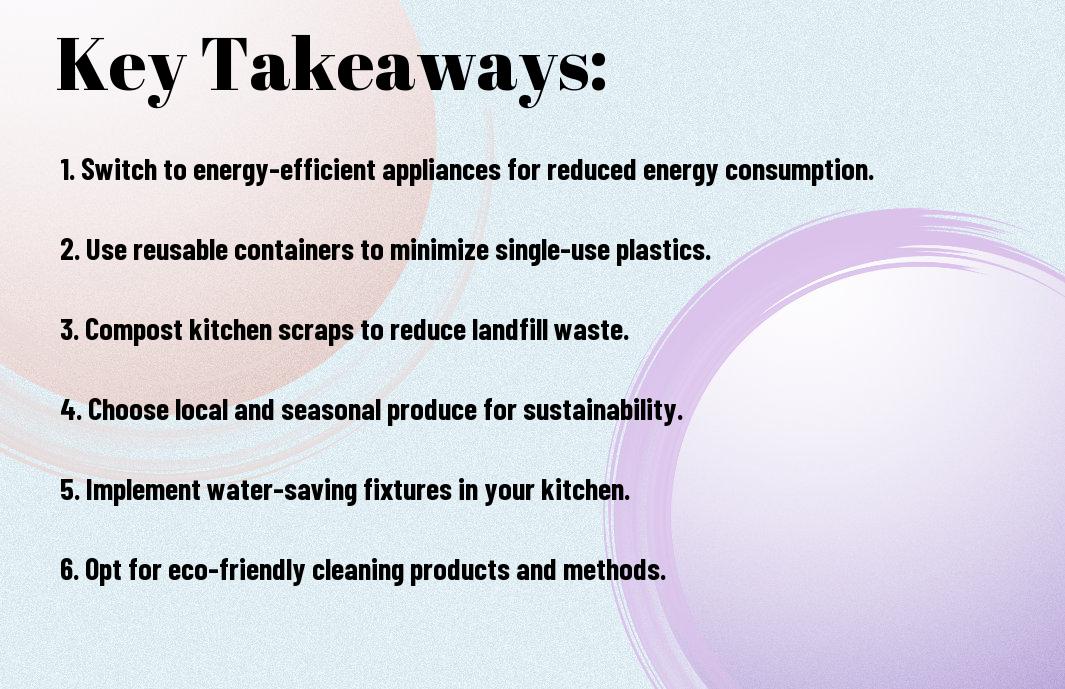
Key Takeaways:

To create a more sustainable kitchen, consider the following points:

  • Opt for energy-efficient appliances to reduce your kitchen’s carbon footprint and lower your energy bills.
  • Use eco-friendly cleaning products that are free from harsh chemicals and better for the environment.
  • Implement a recycling system to minimize waste and encourage the reuse of materials such as glass, plastic, and paper.
  • Choose locally sourced ingredients to support the local economy and reduce the carbon emissions associated with transportation.
  • Reduce food waste by planning meals, using up leftovers, and composting food scraps to create nutrient-rich soil for your garden.

Assessing Your Kitchen

The first step in making your kitchen more sustainable is to assess your current kitchen setup and habits. This involves taking a closer look at your kitchen’s layout, appliances, and practices to identify areas where you can make changes.

Identifying areas for improvement

Between the kitchen’s layout and your daily habits, there are likely several areas where you can make adjustments to increase sustainability. You will need to look at your storage, waste management, and energy usage to determine where to start making changes.

Evaluating your current habits

Assessing your daily kitchen routines will help you understand where you can make sustainable changes. You should consider your food shopping habits, cooking methods, and waste disposal practices to identify opportunities for improvement.

It is imperative to take an honest look at your habits, including your use of single-use plastics, food waste, and energy consumption. By doing so, you will be able to pinpoint specific areas where you can make adjustments to create a more sustainable kitchen that aligns with your values and goals, allowing you to make meaningful changes that benefit your health and the environment.

Reducing Waste

Even small changes in your kitchen can make a significant impact on the environment. You can start by being more mindful of your daily habits and making a few simple adjustments to reduce your waste output.

Minimizing single-use plastics

Between reusable bags and containers, you can significantly reduce your reliance on single-use plastics. You can opt for beeswax wraps, cloth towels, and metal or glass containers to store your food and other kitchen items.

Implementing a recycling system

Among the most effective ways to reduce waste is to implement a recycling system in your kitchen. You can start by designating a specific area for recyclables and making sure to rinse and sort your items properly.

Another step you can take is to educate yourself on what materials are recyclable in your area and make sure to participate in your community’s recycling program. You can also consider composting food waste to reduce the amount of trash that ends up in landfills and create a nutrient-rich soil for your garden.

Sustainable Food Choices

Keep in mind that the food you choose to buy and prepare has a significant impact on the environment. You can make a difference by choosing sustainable food options and reducing your carbon footprint.

Buying locally sourced produce

Around the corner from your home, you can find local farmers’ markets or groceries that sell locally sourced produce, which not only supports your community but also reduces transportation emissions.

Reducing food waste through meal planning

Locally, you can start by planning your meals for the week, making a grocery list, and sticking to it, which will help you avoid buying too much food that may go to waste.

In fact, planning your meals and making a list will also help you save time and money, as you will be more intentional with your grocery shopping and less likely to impulse buy, allowing you to make the most of the food you purchase and minimize waste.

Eco-Friendly Cleaning

Despite the abundance of chemical-based cleaning products available, you can make a significant impact on the environment by adopting eco-friendly cleaning practices in your kitchen. This can be achieved by making simple changes to your cleaning routine and the products you use.

Switching to natural cleaning products

Against the conventional options, you can opt for natural cleaning products that are free from harsh chemicals and toxins, making your kitchen a healthier space for you and your family.

Making your own cleaning solutions

Safely, you can create your own cleaning solutions using common household ingredients, reducing your reliance on store-bought products and minimizing waste.

Products like baking soda, vinegar, and lemon juice can be used to create effective and eco-friendly cleaning solutions for your kitchen, allowing you to take control of the ingredients used in your cleaning products and tailor them to your specific needs, giving you peace of mind and a cleaner, more sustainable kitchen.

Energy and Water Efficiency

Now, making your kitchen more sustainable involves reducing your energy and water consumption. You can start by assessing your current usage and identifying areas for improvement. This will help you make informed decisions about where to focus your efforts, ensuring a more efficient and eco-friendly kitchen.

Using energy-efficient appliances

For instance, you can replace traditional incandescent bulbs with LED ones and upgrade to energy-efficient appliances, such as refrigerators and dishwashers, to minimize your energy consumption. You can also look for appliances with the ENERGY STAR label, which indicates that they meet energy efficiency standards set by the U.S. Environmental Protection Agency.

Conserving water through simple changes

One simple way to conserve water in your kitchen is by fixing leaky faucets and installing low-flow fixtures. You can also install a faucet with an aerator, which can help reduce water flow while maintaining water pressure, making your kitchen more water-efficient.

But to take your water conservation efforts to the next level, you should also focus on changing your daily habits. You can start by turning off the tap while washing dishes or rinsing vegetables, and scraping food off plates instead of rinsing them under running water. By implementing these small changes, you can significantly reduce your water consumption and make a positive impact on the environment.

Maintenance and Upkeep

Unlike other areas of your home, your kitchen requires frequent maintenance to ensure it remains sustainable. You can find helpful tips on making your kitchen more eco-friendly at 20 ideas to help you go green in the kitchen, which will guide you in creating a more environmentally friendly space.

Regularly cleaning and maintaining appliances

Cleansing your appliances regularly will help prevent the buildup of bacteria and debris, making them more efficient and reducing your environmental footprint. You can start by wiping down your counters and sinks daily, and deep cleaning your appliances weekly.

Scheduling annual check-ups for equipment

Upkeeping your equipment is crucial to ensure it continues to function properly and efficiently. You should schedule annual check-ups for your major appliances to prevent any potential issues and reduce the need for repairs or replacements.

Equipment that is well-maintained will not only last longer, but it will also consume less energy and water, reducing your utility bills and minimizing your impact on the environment. You can start by checking your equipment’s user manual for maintenance instructions, and scheduling regular check-ups with a professional to ensure your equipment is running at its best.

Final Words

To wrap up, you have now gained insight into making your kitchen more sustainable. You can start by implementing simple changes, such as reducing food waste and using eco-friendly products. As you continue to make these adjustments, your kitchen will become a more environmentally conscious space. By taking ownership of your kitchen’s sustainability, you will not only reduce your environmental impact, but also create a healthier space for your family to enjoy.

FAQ

Q: What are some simple ways to reduce waste in my kitchen to make it more sustainable?

A: To reduce waste in your kitchen, start by implementing a few simple practices. Begin with composting food scraps and using reusable bags for grocery shopping. Additionally, opt for products with minimal or biodegradable packaging. You can also reduce paper waste by switching to digital recipes and shopping lists. Lastly, consider purchasing items in bulk and using glass containers for storage to minimize single-use plastics.

Q: How can I make my kitchen appliances more energy efficient to contribute to a sustainable kitchen?

A: Making your kitchen appliances more energy efficient is key to a sustainable kitchen. One way to do this is by upgrading to energy-star rated appliances when it’s time for replacements. In the meantime, ensure that you’re using your current appliances efficiently. This includes turning off appliances when not in use, using power strips to plug in small appliances, and adjusting your refrigerator and freezer to the optimal temperatures. Regular maintenance, such as cleaning the refrigerator coils and checking door seals, can also improve appliance efficiency.

Q: What changes can I make in my cooking habits to make my kitchen more sustainable and environmentally friendly?

A: Changing your cooking habits can significantly contribute to a more sustainable kitchen. Start by planning your meals around seasonal and locally sourced ingredients, which not only supports local farmers but also reduces the carbon footprint associated with long-distance food transportation. Adopting plant-based diets or reducing meat consumption can also lower your kitchen’s environmental impact, as animal agriculture is a significant contributor to greenhouse gas emissions. Additionally, learning to cook in bulk and using up leftovers can help minimize food waste. Consider using eco-friendly cooking methods like steaming or pressure cooking, which use less energy than traditional cooking methods. Finally, be mindful of water usage by using a water filter instead of bottled water and fixing leaks promptly.

Green Products for Eco-Friendly Parenting

As you begin on your parenting journey, you’re likely considering the impact of your choices on the planet. You want to raise your child in harmony with nature, surrounded by simplicity and sustainability. To help you achieve this, you can explore 9 Eco-Conscious Products for Green Households that promote a healthier environment. By embracing eco-friendly alternatives, you’ll create a better world for your child to thrive in, and set an example for a more mindful approach to daily life.

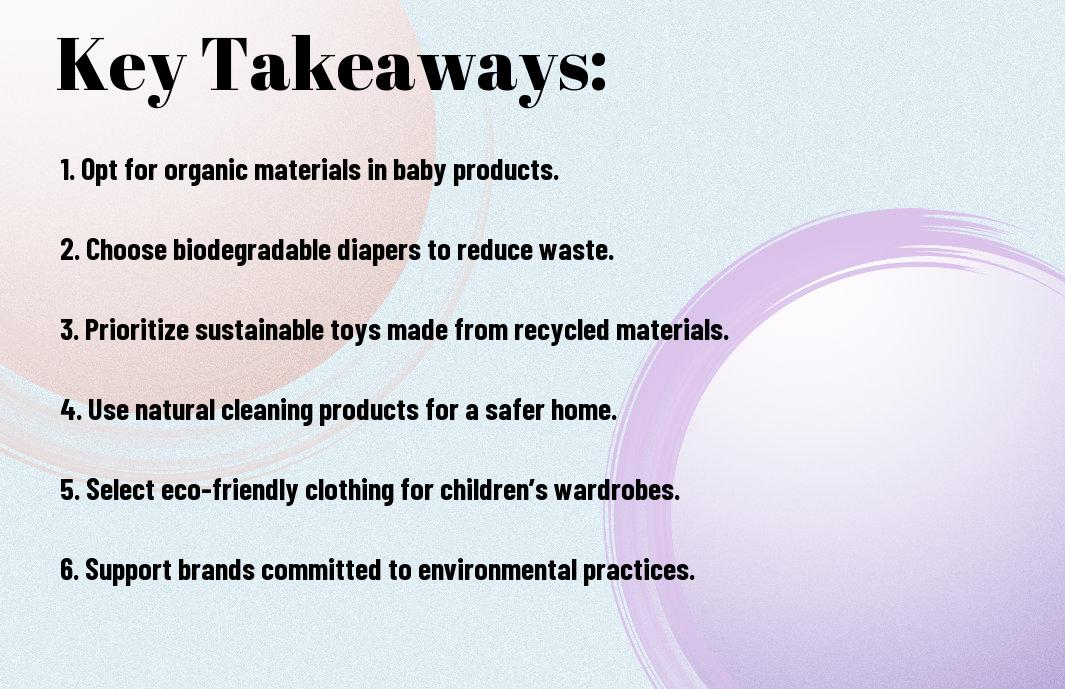
Key Takeaways:

  • In the matter of sustainable living, choosing eco-friendly products is a great way to reduce your family’s environmental footprint. Opt for products made from natural materials and designed with recyclability in mind.
  • Organic clothing and toys are a great option for parents who want to reduce their child’s exposure to harmful chemicals. Look for products that are GOTS certified or made from sustainable materials.
  • Reusable products such as cloth diapers, bags, and bottles can significantly reduce waste and help parents save money in the long run. Consider switching to refurbished or second-hand items when possible.
  • Non-toxic products are crucial for safe and healthy parenting. Choose products that are free from hazardous chemicals and made with environmentally-friendly ingredients.
  • By choosing green products, parents can set a good example for their children and teach them the importance of conservation and sustainability. Encourage your child to get involved in eco-friendly activities and make environmentalism a fun and engaging part of your daily routine.

    Benefits of Eco-Friendly Parenting

    The decision to adopt eco-friendly parenting practices will have a profound impact on your life and the world around you. By choosing green products, you are setting a positive example for your children and contributing to a healthier environment.

    Reducing Carbon Footprint

    By making conscious choices, you can significantly reduce your carbon footprint and create a more sustainable future for your family. You will be minimizing waste, conserving resources, and promoting a cleaner environment.

    Promoting Sustainable Living

    To foster a deeper connection with nature, you can incorporate eco-friendly habits into your daily routine, allowing your children to grow up with a sense of respect and appreciation for the natural world.

    Due to your commitment to sustainable living, your children will develop healthy habits and a strong environmental awareness, enabling them to make informed choices and become responsible stewards of the earth as they grow and mature.

    Green Baby Essentials

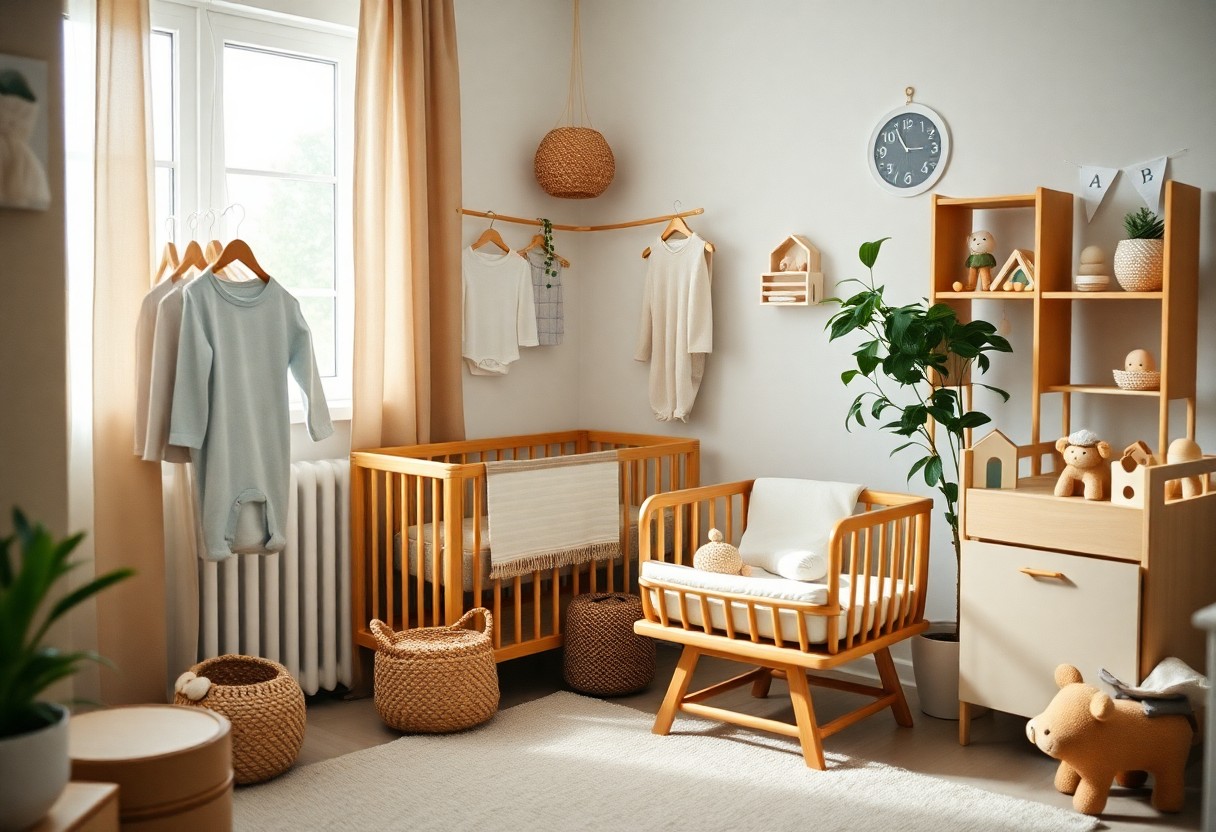
    Any new parent wants the best for their child, and choosing green products is a great way to ensure a healthy and sustainable start in life. You can find a variety of eco-friendly options for your baby, from clothing to toys, that are gentle on the planet and your little one’s skin.

    Organic Clothing and Diapers

    Following a natural approach, you’ll find that organic clothing and diapers are made from soft, chemical-free materials that promote healthy skin and a sustainable environment. You can opt for reusable diapers or biodegradable ones, and dress your baby in organic cotton clothes that are breathable and gentle.

    Eco-Friendly Toys and Gear

    Beside the nursery, you’ll want to create a play area filled with toys that inspire imagination and creativity, while being kind to the planet. You can choose wooden toys, plush toys made from natural fibers, or handmade toys that are unique and sustainable.

    In addition, when selecting eco-friendly toys and gear, consider the materials used, the production process, and the packaging. You can also opt for second-hand toys or swap with friends to reduce waste and support a sharing economy, allowing your child to thrive in a world that values simplicity and harmony with nature.

    Healthy Home Environment

    Unlike traditional homes, an eco-friendly home prioritizes your family’s well-being and the planet’s. You can achieve this by making conscious choices in your daily life, creating a space that nurtures your loved ones and the environment.

    Non-Toxic Cleaning Products

    Against the tide of harsh chemicals, you can opt for gentle, non-toxic cleaning products that effectively clean your home without harming your family or the environment, promoting a healthier space for your loved ones to thrive.

    Natural Air Purification Methods

    By embracing the simplicity of nature, you can purify the air in your home using natural methods, such as plants, which absorb pollutants and toxins, creating a fresher, cleaner environment for your family to breathe.

    Considering the benefits of natural air purification methods, you may find that incorporating plants like spider plants or peace lilies into your home decor not only beautifies your space but also contributes to a healthier atmosphere, allowing you to breathe easily and live in harmony with nature.

    Sustainable Childcare Practices

    Despite the convenience of disposable products, you can make a significant impact by adopting eco-friendly childcare practices. By choosing sustainable options, you reduce your ecological footprint and create a healthier environment for your child to thrive in.

    Cloth Diapering and Laundry

    By switching to cloth diapers, you significantly reduce waste and minimize your child’s exposure to harsh chemicals. You can also opt for gentle, eco-friendly laundry detergents to clean these diapers, promoting a healthier planet.

    Homemade Baby Food and Recipes

    Along with sustainable diapering, preparing your baby’s food at home is a simple yet effective way to reduce waste and ensure your child consumes wholesome, nutrient-rich food. You can find numerous recipes online that use fresh, organic ingredients and minimal packaging.

    Also, as you explore homemade baby food recipes, you’ll discover the joy of connecting with nature and nurturing your child’s growth. You can use seasonal fruits and vegetables, reducing your reliance on industrial agriculture and promoting a more harmonious relationship with the environment. This approach not only benefits your child but also contributes to a more sustainable future.

    Eco-Conscious Parenting Tips

    After adopting an eco-friendly lifestyle, you’ll find it easier to make choices that benefit your family and the environment. Some tips to consider:

    • Choose sustainable products
    • Reduce energy consumption

    . After making these simple changes, your daily life will become more harmonious with nature.

    Minimizing Waste and Recycling

    The key to reducing waste is to be mindful of your consumption habits, you can start by avoiding single-use products and opting for reusable alternatives, this will help you to minimize your waste and promote recycling in your daily life.

    Energy-Efficient Home Improvements

    About making your home more energy-efficient, you can start by replacing traditional light bulbs with LED ones, this simple change will not only reduce your energy consumption but also contribute to a more sustainable future for your family.

    Waste reduction and energy efficiency go hand in hand, as you continue to make eco-friendly choices, you’ll find that your home becomes a haven for your family and the environment, by using natural light, insulation, and energy-efficient appliances, you can significantly reduce your carbon footprint and create a more sustainable living space that aligns with your values and promotes harmony with nature.

    Community Involvement and Education

    Now that you’re on the path to eco-friendly parenting, consider the impact of community involvement on your journey. By engaging with your community, you can gain valuable knowledge and inspire others to adopt sustainable practices, fostering a harmonious relationship with nature.

    Local Environmental Initiatives

    On the local level, you can participate in initiatives that promote environmental conservation, such as park cleanups and recycling programs, allowing you to contribute to the well-being of your community and the planet.

    Teaching Children About Sustainability

    Among the most effective ways to encourage eco-friendly habits is to teach your children about sustainability, helping them develop a deep appreciation for the natural world and inspiring them to make environmentally conscious choices.

    Even as you guide your children towards sustainable living, you can also learn from their curious and imaginative perspectives, which can help you discover new ways to simplify your lifestyle and live in greater harmony with nature, ultimately enriching your relationship with the world around you.

    Summing up

    Taking this into account, you can see that embracing green products is a simple yet effective way to align your parenting with the rhythms of nature. As you choose eco-friendly options, you cultivate a sense of harmony with the earth, setting a powerful example for your children. By doing so, you create a healthier environment for your family and contribute to a more sustainable future, allowing your loved ones to thrive in balance with the natural world. Your thoughtful choices make a difference.

    FAQ

    Q: What are the benefits of using green products for eco-friendly parenting?

    A: Using green products for eco-friendly parenting offers numerous benefits for both the environment and your child’s health. Green products are made from natural and sustainable materials, reducing the exposure to harsh chemicals and toxins found in traditional products. This can help prevent skin irritation, allergies, and other health issues in children. Additionally, eco-friendly products promote a healthier environment by reducing waste, conserving resources, and minimizing carbon footprint. By choosing green products, parents can contribute to a sustainable future and set a positive example for their children to follow.

    Q: How can I identify genuine green products for eco-friendly parenting?

    A: Identifying genuine green products requires some research and attention to detail. Look for products that are certified by reputable organizations, such as the Environmental Working Group (EWG) or the USDA BioPreferred program. Check the product labels for ingredients and materials used, opting for those made from natural, organic, and biodegradable materials. Be wary of greenwashing, where companies make false or misleading claims about their products’ environmental benefits. Read reviews, check the company’s website, and consult with other parents to find trustworthy and effective green products for your family.

    Q: Are green products for eco-friendly parenting more expensive than traditional products?

    A: While some green products may be more expensive than their traditional counterparts, many eco-friendly options are competitively priced or even cost-effective in the long run. Consider the long-term benefits of using green products, such as reduced waste, lower energy consumption, and improved health. Additionally, many green products are designed to be reusable, recyclable, or biodegradable, reducing the need for frequent replacements. By investing in green products, parents can save money and contribute to a more sustainable future for their children. Furthermore, many companies offer discounts, promotions, or subscription services that can make green products more accessible and affordable for families.

The Best Sustainable Diaper Brands for Babies

As you consider the best options for your baby’s health and the environment, you’re likely looking for eco-friendly diaper solutions. You want to reduce your carbon footprint while keeping your baby comfortable and happy. Your search for sustainable diaper brands ends here, as you’ll discover the top brands that prioritize your baby’s health and the planet’s well-being, making it easier for you to make an informed decision for your little one.

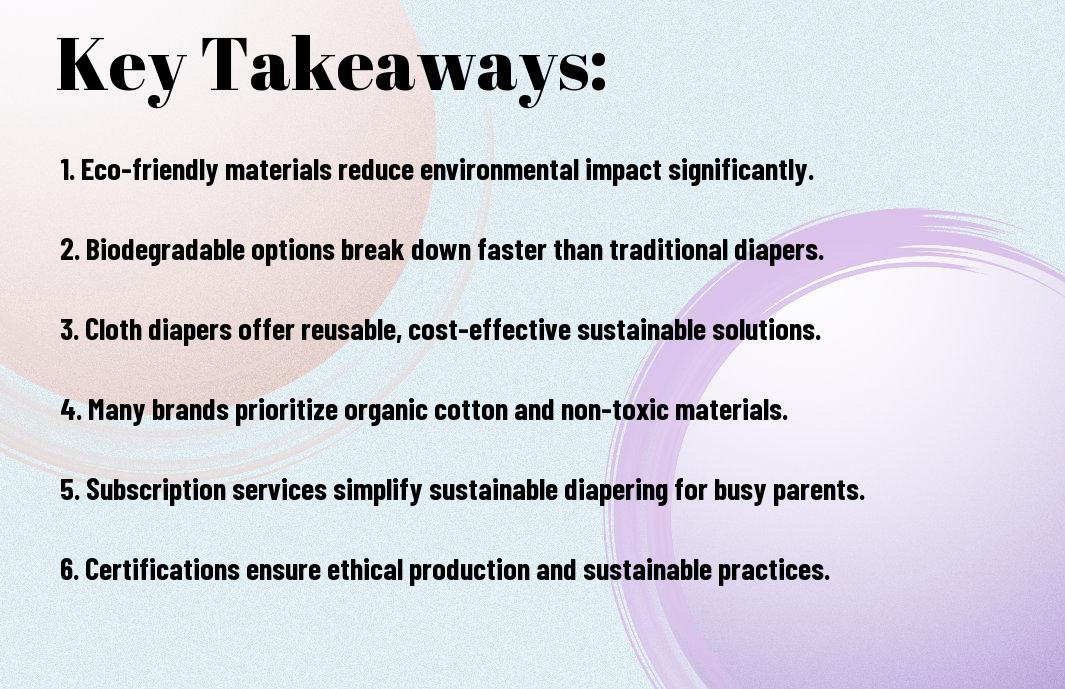
Key Takeaways:

To make an informed decision when choosing eco-friendly diapers for your baby, consider the following points:

  • Look for biodegradable materials and compostable options that reduce waste and minimize environmental impact.
  • Choose sustainable diaper brands that use natural fibers, such as bamboo or cotton, and avoid chemicals and dyes.
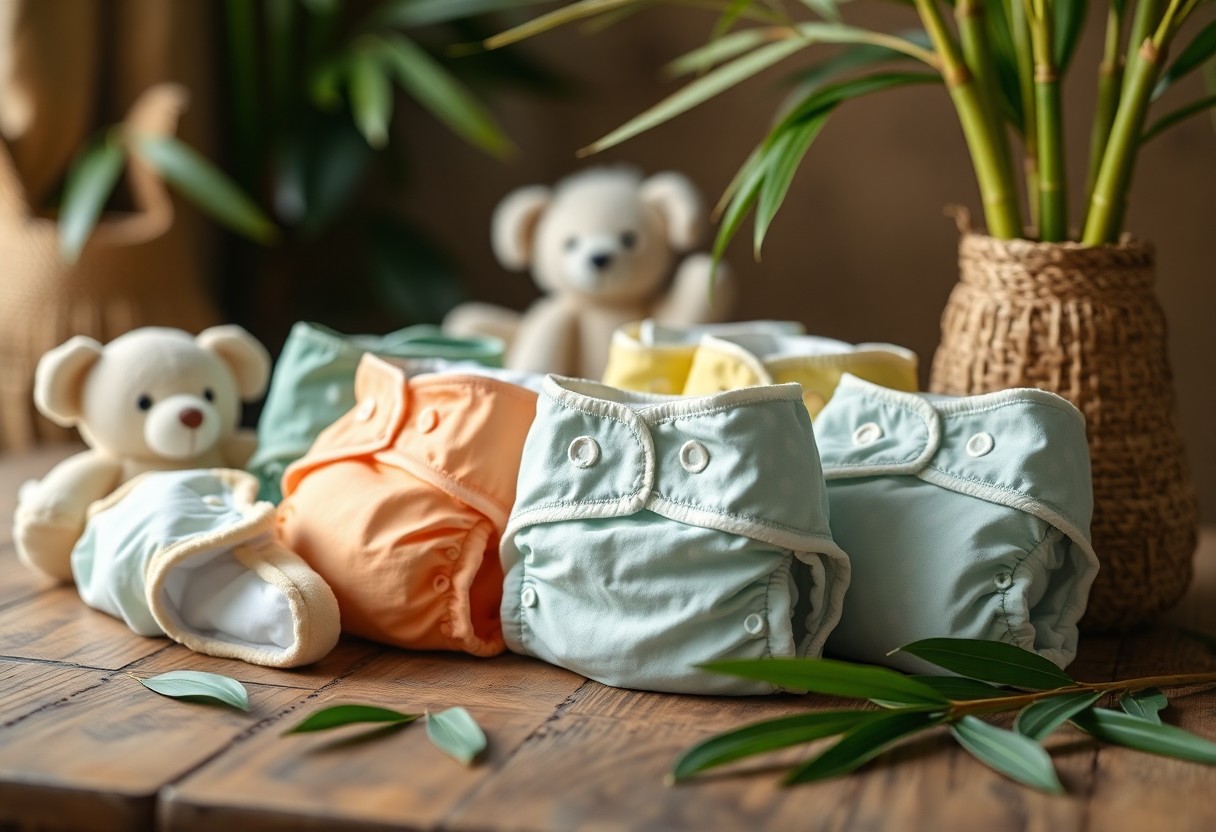
  • Consider reusable diapers, also known as cloth diapers, as a more environmentally friendly alternative to disposable diapers.
  • Check the certifications, such as EcoLogo or Safer Choice, that ensure the diaper brand meets certain environmental standards.
  • Opt for diaper brands that prioritize transparency and sustainability in their manufacturing process and supply chain to reduce their carbon footprint.

Top Picks for Sustainable Diaper Brands

For parents seeking eco-friendly alternatives, several brands stand out for their commitment to sustainability. You can consider brands like Bambo Nature, The Honest Company, and Seventh Generation, which offer a range of sustainable diaper options.

Eco-Friendly Materials and Production

Beyond the surface level, sustainable diaper brands prioritize eco-friendly materials and production methods. You will find that these brands use renewable resources, biodegradable materials, and minimize waste in their manufacturing processes.

Affordable and Accessible Options

Across the market, you will find various affordable and accessible sustainable diaper options. You can explore different brands and products to find the one that fits your budget and meets your standards for sustainability.

EcoFriendly options are becoming increasingly available, and you can now find sustainable diapers at competitive prices. You can consider buying in bulk, using coupons, or opting for subscription services to make sustainable diapers more affordable for your family.

Diaper Brands with a Mission

Any parent looking for sustainable diaper options wants to support brands that share their values. You’ll be pleased to know that many eco-friendly diaper brands prioritize the environment and social responsibility, making them a great choice for your baby.

Brands Dedicated to Environmental Conservation

Betwixt the various sustainable diaper brands, you’ll find companies that prioritize reducing waste and minimizing their carbon footprint, allowing you to make a positive impact on the planet when choosing diapers for your baby.

Companies Supporting Social Causes

Supporting social causes is also a key aspect of some sustainable diaper brands, which you’ll appreciate as a conscious consumer. You can feel good about your purchasing decisions, knowing that your diaper choice is contributing to a greater good.

Environmental concerns often go hand-in-hand with social causes, and as you explore companies supporting social causes, you’ll find that many also prioritize eco-friendly practices, ensuring that your choice of diaper brand aligns with your values and contributes to a better future for your baby to grow up in.

Features to Consider

Unlike other baby products, sustainable diapers require careful consideration of several factors. You should look for eco-friendly materials, minimal packaging, and gentle ingredients that won’t irritate your baby’s skin. As you explore your options, consider what matters most to you and your family.

Biodegradable and Compostable Diapers

Beneath the surface of traditional disposable diapers, biodegradable and compostable options offer a more sustainable choice. You can opt for diapers made from plant-based materials that can easily decompose, reducing waste and minimizing environmental impact.

Reusable and Cloth Diaper Options

Featuring a range of benefits, reusable and cloth diapers are a great alternative to disposables. You can choose from various materials, such as cotton, bamboo, or hemp, and find a style that suits your baby’s needs and your lifestyle.

Due to their durability and reusability, cloth diapers can be a significant investment upfront, but they can also save you money in the long run. You can wash and reuse them multiple times, reducing the amount of waste generated by disposable diapers and minimizing your environmental footprint. As you consider reusable and cloth diaper options, think about your baby’s comfort, your budget, and your commitment to sustainability.

Parental Preferences and Reviews

Once again, you’ll find that the best sustainable diaper brands are those that balance eco-friendliness with effectiveness, and it’s your preferences that drive the market towards more environmentally responsible options.

Popular Choices Among Eco-Conscious Parents

Around the world, you’ll notice that parents who prioritize the environment often opt for brands that use biodegradable materials and minimize waste, reflecting your values in choosing sustainable products for your baby.

Feedback and Ratings from Satisfied Customers

Ratings from other parents can give you insight into a brand’s performance, and you can trust that high ratings often indicate a product that meets your expectations for sustainability and effectiveness.

In addition, when you read reviews from satisfied customers, you can get a sense of how well a particular brand’s diapers perform in terms of absorbency, comfort, and durability, helping you make an informed decision that aligns with your priorities as a parent.

Cost and Value Analysis

All parents want the best for their babies, and sustainable diapers are a great option. You’ll find that eco-friendly diapers can be more expensive, but they offer many benefits. You can expect to pay a premium, but your baby’s health and the environment will thank you.

Budget-Friendly Sustainable Diaper Options

For those on a tight budget, you can find affordable sustainable diaper options. You can consider cloth diapers or DIY solutions that are gentler on your wallet and the environment. Your choices will depend on your lifestyle and preferences, helping you make an informed decision.

Long-Term Savings and Environmental Benefits

Behind the initial higher cost of sustainable diapers lies a more significant benefit. You’ll reduce your environmental footprint and contribute to a healthier planet for your baby’s future. Your choice will have a positive impact on the environment, making it a worthwhile investment.

With long-term savings and environmental benefits in mind, you can make a more informed decision about your diaper choices. You’ll find that sustainable diapers can lead to significant cost savings over time, as you reduce your reliance on disposable diapers and minimize waste. Your baby’s health and the planet will benefit from your eco-friendly choices, making it a win-win situation for you and your family.

Innovation and Future Trends

After exploring the current market, you’ll notice a significant shift towards eco-friendly diapering options. You can expect to see advancements in materials, designs, and technologies that reduce waste and minimize environmental impact.

Emerging Technologies in Sustainable Diaper Materials

Forward-thinking companies are developing innovative materials, such as plant-based absorbents and biodegradable diapers, that you can feel good about using on your baby’s skin.

The Rise of Zero-Waste Diapering Solutions

Oddly enough, you may find that zero-waste diapering solutions are becoming increasingly popular, offering your family a chance to reduce your environmental footprint.

And as you explore deeper into zero-waste diapering, you’ll discover that it’s not just about the diapers themselves, but also about the systems and services that support a more circular approach to baby care, allowing you to make a positive impact on the planet for your child’s future.

Final Words

Ultimately, you now have the knowledge to make an informed decision about the best sustainable diaper brands for your baby. You can choose from a variety of eco-friendly options that suit your needs and prioritize your baby’s health and the environment. With your newfound awareness, you can make a positive impact on the planet while keeping your baby comfortable and happy.

FAQ

Q: What are the benefits of using sustainable diaper brands for my baby?

A: Using sustainable diaper brands can have numerous benefits for your baby’s health and the environment. Sustainable diapers are made from eco-friendly materials, such as bamboo, recycled materials, and plant-based absorbents, which can reduce the risk of skin irritation and allergic reactions. Additionally, these diapers are biodegradable, compostable, or have a lower carbon footprint, making them a more environmentally friendly option. Some sustainable diaper brands also offer more comfortable and breathable designs, promoting healthy skin and reducing the likelihood of diaper rash.

Q: How do I choose the best sustainable diaper brand for my baby’s needs?

A: Choosing the best sustainable diaper brand for your baby involves considering several factors, including your baby’s size, skin type, and activity level. Look for brands that offer a range of sizes, from newborn to toddler, and consider the absorbency level, as some sustainable diapers may require more frequent changes. You should also check the ingredients and materials used, opting for brands that prioritize natural and organic materials. Furthermore, consider the brand’s environmental mission, certification, and transparency, as well as customer reviews and ratings, to ensure you’re making an informed decision that aligns with your values and priorities.

Q: Are sustainable diaper brands more expensive than traditional disposable diapers, and are they worth the investment?

A: While sustainable diaper brands may be more expensive than traditional disposable diapers upfront, they can be a cost-effective option in the long run. Many sustainable diaper brands offer subscription services, discounts for bulk orders, or cloth diaper options that can be reused multiple times, reducing waste and saving you money. Additionally, the health benefits of using sustainable diapers, such as reduced risk of skin irritation and allergic reactions, can lead to lower medical bills and reduced stress. Moreover, by investing in sustainable diaper brands, you’re contributing to a more environmentally friendly and socially responsible industry, which can have a positive impact on the planet and future generations.

Skip to content