How to Pack Green Products for Vacations

As you prepare for your next trip, you’re likely thinking about how to reduce your environmental footprint. You can start by packing green products, which will not only benefit the planet but also enhance your travel experience. You’ll learn how to choose the right eco-friendly items, from toiletries to clothing, and pack them efficiently to minimize waste and make the most of your luggage space, ensuring a more sustainable and enjoyable vacation for you.
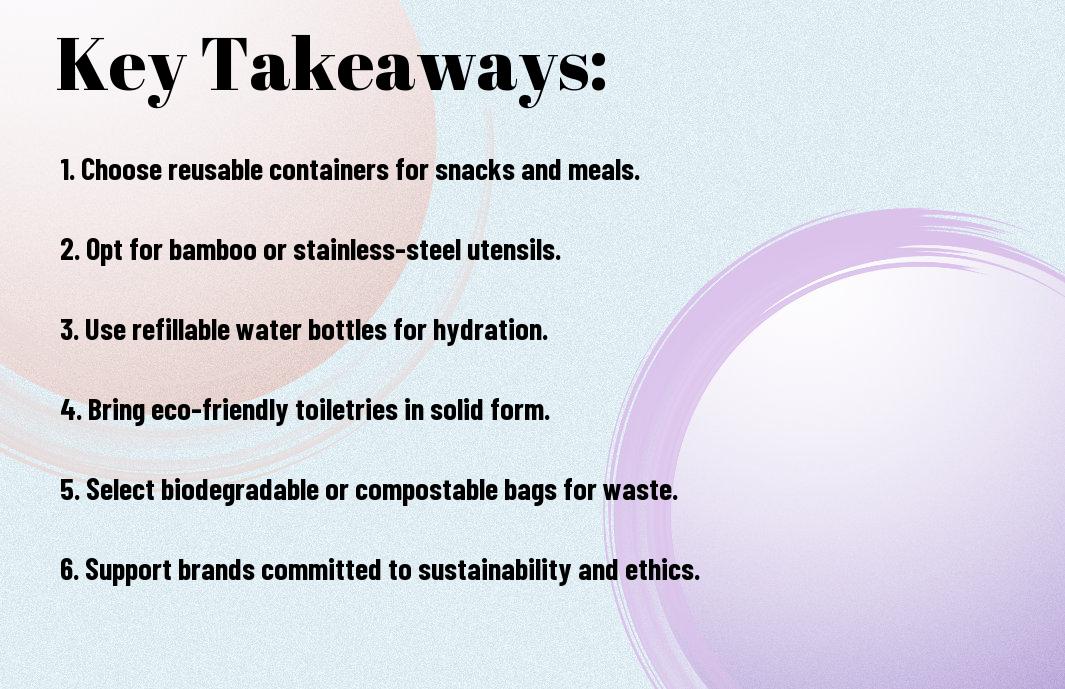
Key Takeaways:

To pack sustainably for vacations, consider the following points:

  • Choose reusable bags and containers to minimize waste and reduce the need for single-use plastics.
  • Opt for eco-friendly products, such as refillable water bottles, biodegradable soaps, and natural toiletries, to reduce your environmental impact.
  • Select multi-purpose items, like a travel towel that can serve as a blanket or dress, to pack lightly and efficiently while still being environmentally conscious.
Preparing for Eco-Friendly Travel

Your approach to travel can have a significant impact on the environment, and making a few simple changes can make a big difference. You can start by assessing your current travel habits and identifying areas where you can make more eco-friendly choices.

Choosing Renewable Products

Against the backdrop of growing environmental concerns, you should opt for renewable products that are biodegradable and sustainable. You can choose toiletries with minimal packaging and refillable containers to reduce waste.

Reducing Plastic Use

Across the globe, plastic waste has become a major issue, and you can play a role in reducing it by making conscious choices. You can start by avoiding single-use plastics and opting for reusable bags, water bottles, and straws.

The key to reducing plastic use is to be mindful of your daily habits and make small changes that can add up to make a big impact. You can also consider purchasing travel-sized toiletries in refillable containers or buying products with minimal packaging to reduce waste, and this will help you to reduce your plastic footprint while traveling.

Packing Essentials

One of the most important steps in packing green products for vacations is to prioritize eco-friendly items. You will need to consider the types of products that will reduce your environmental impact while traveling.

Reusable Bags and Containers

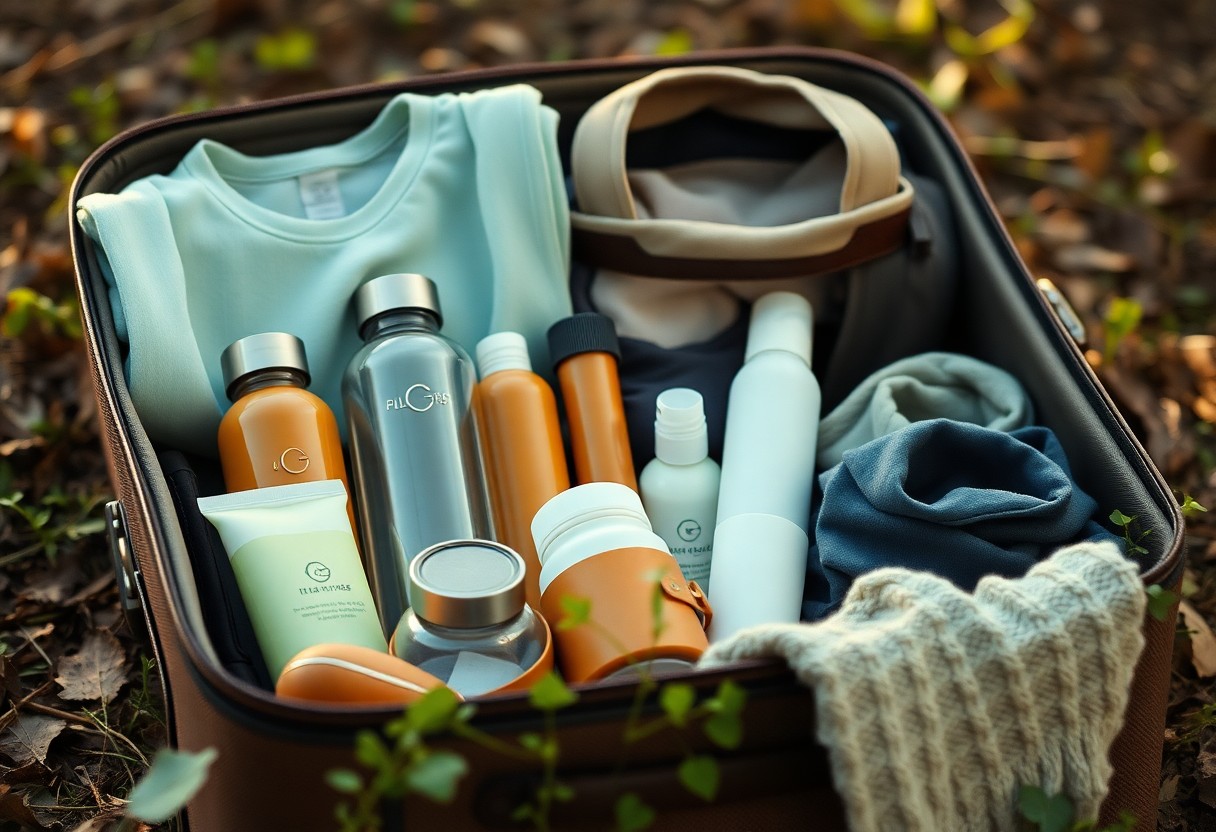
Packing reusable bags and containers is a great way to reduce waste and make your trip more sustainable. You can use them to carry your belongings, store snacks, and pack souvenirs, making them a versatile and crucial item in your luggage.

Refillable Water Bottles

Bags are not the only items you can reuse, you can also bring a refillable water bottle to reduce plastic waste. You can refill it at water fountains or filtered water stations, making it a convenient and eco-friendly option.

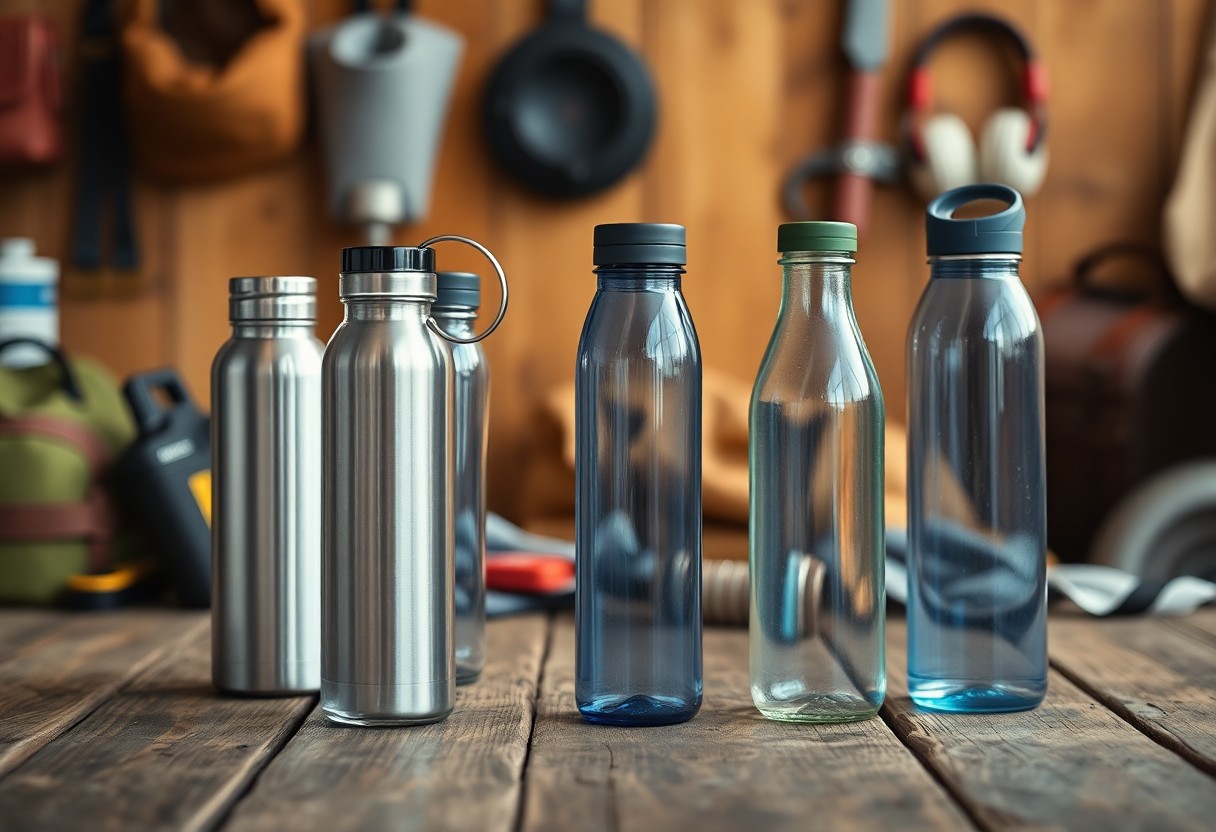
The refillable water bottle you choose should be durable, lightweight, and easy to clean. You can consider a bottle made from stainless steel or BPA-free plastic, and look for one with a secure lid to prevent leaks. By bringing a refillable water bottle, you will not only reduce your environmental impact but also save money on buying bottled water throughout your trip.

Sustainable Clothing Options

Many travelers are now opting for eco-friendly clothing options when packing for vacations. You can choose clothing items made from recycled materials, organic cotton, or repurposed fabrics, which are gentler on the environment.

Quick-Drying Fabrics

Across the various clothing options, quick-drying fabrics stand out as a popular choice for travelers. You can opt for clothing made from moisture-wicking fabrics like polyester or nylon, which dry quickly and are easy to wash.

Versatile Outfits

Beneath the surface of a well-packed suitcase lies a versatile outfit that can be worn multiple times. You can pack clothing items that can be mixed and matched to create different outfits, reducing the need for excess luggage.

Also, when choosing versatile outfits, you can consider packing clothing items that can be dressed up or down, depending on the occasion. You can opt for a scarf or a jacket that can add a touch of elegance to a simple outfit, making it suitable for a night out or a special event.

Toiletries and Personal Care

To make your vacation more eco-friendly, you’ll want to pack green toiletries and personal care products. This includes items like natural soap, shampoo, and biodegradable toothbrushes that are gentle on the environment.

Natural Soap and Shampoo

Beneath the surface of conventional soaps and shampoos, you’ll find harsh chemicals that can harm the environment. You can opt for natural alternatives that are free from such toxins, making them a great addition to your travel kit.

Biodegradable Toothbrush

Prior to choosing a toothbrush for your trip, consider a biodegradable option. You can select one made from sustainable materials like bamboo, which is gentle on the earth and reduces plastic waste.

With a biodegradable toothbrush, you’ll be reducing your carbon footprint and contributing to a more sustainable future. You can also consider toothbrushes with replaceable heads to minimize waste, and look for brands that offer eco-friendly packaging, making your travel kit more environmentally friendly.

Food and Snacks

Unlike traditional vacation packing, going green with your food and snacks requires some planning, but you can make a significant impact by choosing eco-friendly options, and you will find it’s easier than you think to make sustainable choices.

Non-Perishable Items

Bearing in mind your goal of reducing waste, you should consider packing non-perishable items that are gentle on the planet, such as energy bars, nuts, and dried fruits, which are perfect for snacking on the go, and you’ll be able to enjoy them without generating unnecessary trash.

Local and Organic Options

Akin to choosing sustainable lodging, you can also opt for local and organic food options when you arrive at your destination, and you will not only be supporting the local economy, but also reducing your carbon footprint, which is a thoughtful way to travel.

Options for local and organic food are plentiful, and you can find them at farmers’ markets, specialty stores, or even some convenience stores, so you can indulge in fresh, wholesome foods while on vacation, and you’ll feel good knowing that your choices are making a positive impact on the environment and local communities, allowing you to enjoy your vacation even more.

Additional Tips

Keep your green products organized by packing them in a separate bag. Consider the following:

  • Packing light
  • Avoiding single-use items
  • Thou shalt find that your travels become more enjoyable and sustainable.

    Minimizing Waste

    Although you aim to reduce your waste, you can take a few extra steps. By choosing products with minimal packaging, you can reduce your environmental footprint.

    Respecting Local Environments

    Always be mindful of the local ecosystem when traveling. You should take care to dispose of your waste properly and avoid disturbing the natural habitats.

    In addition, you can take your environmental responsibility a step further by supporting local businesses and conservation efforts, which will help preserve the beauty of your destination for your future visits, and you will be able to enjoy your travels while contributing to the well-being of the local community.

    Conclusion

    On the whole, you have now gained knowledge on how to pack green products for vacations. You can make your trips more eco-friendly by choosing the right products and packing them efficiently in your luggage. By following these tips, you will reduce your environmental impact, making your vacations more sustainable and guilt-free, allowing you to enjoy your travels while taking care of the planet and your own well-being, with your consciously packed green products.

    FAQ

    Q: What types of green products should I pack for my vacation to reduce my environmental impact?

    A: When packing for your vacation, consider bringing green products such as reusable water bottles, cloth bags, refillable containers, and eco-friendly toiletries. These items can help reduce plastic waste and minimize your carbon footprint. Look for products made from sustainable materials, such as bamboo or recycled plastic, and choose items that are designed to be reusable or biodegradable.

    Q: How can I pack my green products to ensure they are protected during travel?

    A: To protect your green products during travel, use a sturdy and eco-friendly luggage or backpack. Consider packing items like reusable water bottles and containers in a protective sleeve or case to prevent damage. You can also use biodegradable packing materials, such as paper or cardboard, to cushion fragile items. Additionally, make sure to pack your green products in a way that allows for easy access and use during your trip.

    Q: What are some tips for packing green products in a carry-on bag?

    A: When packing green products in a carry-on bag, it’s imperative to consider the size and weight of the items. Choose compact and lightweight green products, such as travel-sized toiletries and collapsible water bottles. Consider packing items like reusable bags and containers in a small pouch or pocket to save space. Also, be sure to check with your airline for any specific restrictions on carrying green products in your carry-on bag.

    Q: How can I dispose of green product packaging and waste during my vacation?

    A: When traveling, it’s imperative to dispose of green product packaging and waste responsibly. Look for recycling bins or composting programs at your destination, and make sure to sort your waste accordingly. If recycling options are limited, consider packing a small container or bag to collect your waste and dispose of it properly when you return home. You can also choose products with minimal or biodegradable packaging to reduce waste altogether.

    Q: Are there any specific green products that I should avoid packing for my vacation?

    A: Yes, there are some green products that you may want to avoid packing for your vacation. For example, products with liquid or gel contents, such as shampoo or sunscreen, may be subject to airline restrictions or leakage during travel. Additionally, products with fragile or sensitive components, such as solar panels or glass containers, may be prone to damage during transit. Consider alternative products or pack them carefully to minimize the risk of damage or leakage.
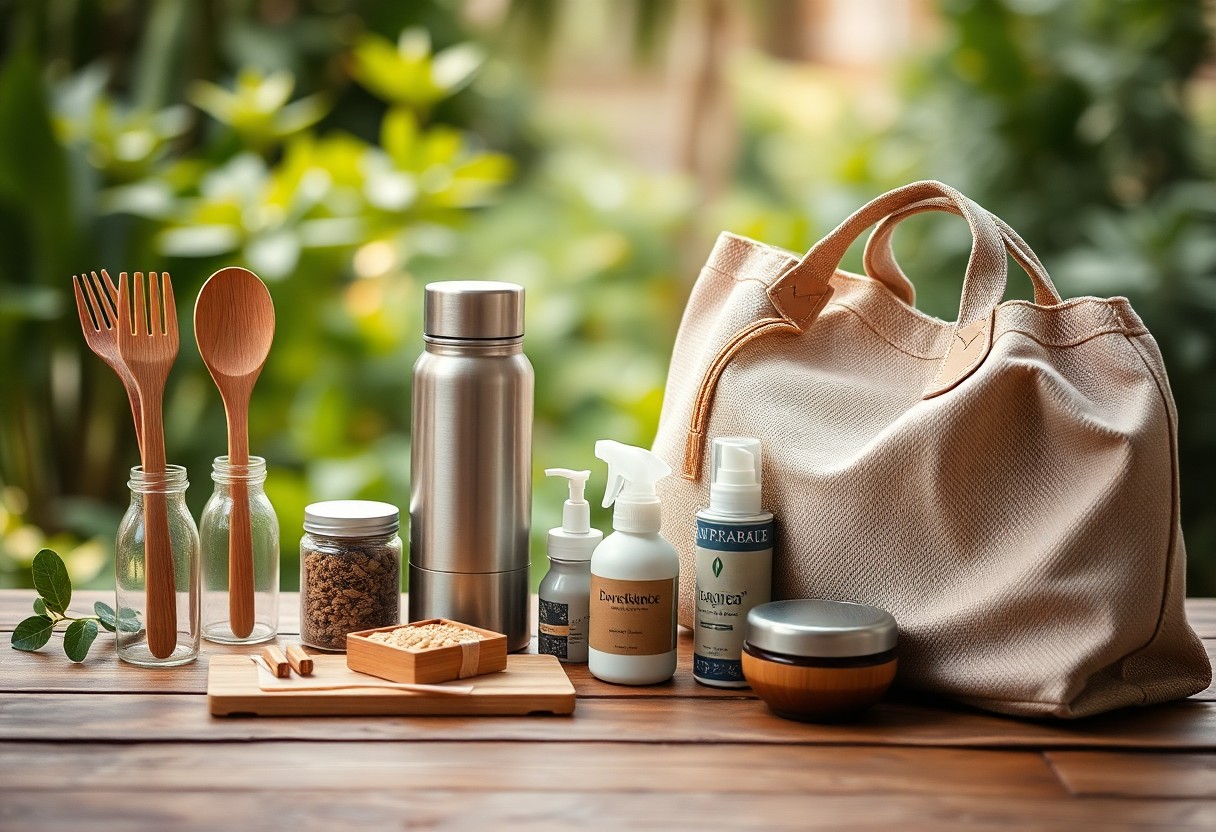
Green Products for Plastic-Free Travel

You’re about to commence on a journey, and your impact on the environment matters. As you pack your bags, you consider the products you’ll use along the way. Your travel habits can either contribute to the plastic problem or help solve it. You can make a difference by choosing green products that reduce your plastic footprint. With the right tools, you can travel plastic-free and enjoy your trip with a clear conscience.

Key Takeaways:

  • When opting for plastic-free travel, it’s crucial to choose reusable products such as water bottles, bags, and straws to minimize waste generation.
  • Using eco-friendly toiletries like refillable containers and biodegradable soaps can significantly reduce plastic pollution in destinations.
  • Investing in sustainable travel accessories like beeswax wraps and cloth bags can help travelers avoid single-use plastics and promote a more environmentally conscious approach to travel.

Benefits of Green Products

Before making the switch to green products, you may not have considered the positive effects on your travel habits. By choosing eco-friendly options, you reduce your environmental footprint and contribute to a more sustainable future.

Reduced Waste

Prior to adopting green products, your travels may have generated a significant amount of waste. You can minimize this waste by opting for reusable and biodegradable items, making your travels more efficient and environmentally friendly.

Environmental Impact

Affecting the environment in a negative way is a consequence of using plastic products. You can mitigate this impact by selecting green products that are designed to be sustainable and reduce harm to the environment.

Even simple changes, such as using a refillable water bottle or a bamboo toothbrush, can significantly decrease your environmental impact. You play a significant role in preserving the planet’s natural resources, and choosing green products is a step in the right direction, allowing you to travel with a clearer conscience.

Alternatives to Plastic

There’s a better way to travel, and it starts with making a few simple changes. You can find plenty of options at Shop Zero Waste Travel Essentials, where you can browse a wide range of eco-friendly products.

Reusable Bags

Around every corner, you’ll find opportunities to reduce your plastic use, starting with reusable bags for your daily shopping and travel needs.

Stainless Steel Water Bottles

Bags are just the beginning – consider switching to stainless steel water bottles for your hydration needs on-the-go.

It is worth noting that stainless steel water bottles are durable, non-toxic, and keep your drinks hot or cold for hours, making them a great investment for your travels, and you can refill them at water fountains or filtered water stations, reducing your reliance on single-use plastic water bottles.

Eco-Friendly Toiletries

Unlike traditional toiletries, eco-friendly options are designed to reduce waste and minimize your environmental footprint while traveling. You can opt for solid shampoos, conditioners, and soaps that come in minimal packaging, making them perfect for your plastic-free travel journey.

Refillable Containers

Besides reducing plastic waste, refillable containers are a great way to pack your toiletries. You can fill them with your favorite products and reuse them multiple times, making them a convenient and sustainable option for your travels.

Biodegradable Soaps

Toward a more sustainable future, you can switch to biodegradable soaps that are gentle on your skin and the environment. You can find biodegradable soap options in various forms, including bars, liquids, and powders, making it easy to incorporate them into your daily routine.

The biodegradable soaps you choose will break down naturally in the environment, reducing the amount of harmful chemicals released into the waterways. You can feel good about your choice, knowing that you are doing your part to protect the planet, one small step at a time, with your decision to use biodegradable soaps during your travels.

Sustainable Clothing

Now that you’re looking to reduce your plastic use while traveling, consider your clothing choices. You can make a significant impact by opting for sustainable clothing that’s designed for travel.

Quick-Drying Fabrics

Around the world, travelers are turning to quick-drying fabrics that are perfect for hiking, swimming, or simply exploring. You can find shirts, pants, and dresses made from these fabrics that will keep you cool and dry in any climate.

Recycled Materials

About the environmental impact of your clothing, you should know that recycled materials are a great option. You can find clothing made from recycled plastic, reducing waste and minimizing your footprint.

Plus, clothing made from recycled materials is often durable and long-lasting, making it a worthwhile investment for your travels. You’ll be reducing your waste output and supporting sustainable fashion practices, all while enjoying your travels in comfort and style.

Green Accommodations

All travelers can make a difference by choosing environmentally friendly places to stay. You’ll find options that fit your style and budget, from simple lodges to luxury hotels.

Eco-Lodges

Along the way, you’ll discover eco-lodges that blend into their surroundings, using local materials and minimizing waste. You can experience nature up close and support conservation efforts.

Sustainable Hotels

And as you explore sustainable hotels, you’ll notice features like energy-efficient systems, recycling programs, and locally sourced food. Your choice of accommodations can make a significant impact on the environment, and sustainable hotels offer a great way to travel responsibly, allowing you to enjoy your trip while also doing your part for the planet.

Responsible Travel Tips

To make your travel more sustainable, consider the following:

  • Choose eco-friendly accommodations
  • Use public transport
  • Thou shall see the positive impact on the environment.

    Minimizing Waste

    By adopting a few simple habits, you can reduce your waste output. You can start by refusing single-use plastics and choosing products with minimal packaging.

    Respecting Local Environments

    Below the surface of tourist attractions, local ecosystems thrive. You can help preserve them by staying on designated trails and not littering.

    Consequently, your actions will contribute to the conservation of unique landscapes and the well-being of local communities, allowing you to enjoy your travels with a clearer conscience, knowing that your presence has not harmed the environment that you came to appreciate.

    Conclusion

    With these considerations, you can make a change in your travel habits. You opt for green products, reducing your plastic use. Your small steps, like choosing reusable bags and water bottles, contribute to a larger movement. You travel plastic-free, setting an example for others to follow, and preserving the beauty of the places you visit.

    FAQ

    Q: What are the benefits of using green products for plastic-free travel?

    A: Using green products for plastic-free travel can significantly reduce the amount of waste generated during trips, minimizing the harmful impact on the environment. By choosing eco-friendly alternatives to traditional travel products, such as reusable water bottles, cloth bags, and refillable containers, travelers can help conserve natural resources, decrease greenhouse gas emissions, and protect wildlife. Additionally, many green products are designed to be durable and long-lasting, making them a cost-effective option in the long run.

    Q: What types of green products are available for plastic-free travel?

    A: There is a wide range of green products available for plastic-free travel, including reusable water bottles, coffee cups, and straws, as well as biodegradable and compostable alternatives to traditional travel products. Travelers can also opt for refillable containers, beeswax wraps, and cloth bags to reduce their reliance on single-use plastics. Furthermore, many companies now offer eco-friendly travel kits and sets that include a combination of these products, making it easy to switch to a plastic-free travel routine.

    Q: How can I ensure that the green products I choose are genuinely eco-friendly?

    A: To ensure that the green products you choose are genuinely eco-friendly, look for certifications such as BPA-free, phthalate-free, and compostable. You can also check the product’s materials, manufacturing process, and end-of-life disposal options to assess its environmental impact. Additionally, opt for products made from sustainable materials, such as bamboo, recycled plastics, or natural fibers, and choose products with minimal packaging or those that use biodegradable packaging materials.

    Q: Can green products for plastic-free travel be more expensive than traditional products?

    A: While some green products for plastic-free travel may be more expensive than their traditional counterparts, many eco-friendly options are affordable and can even save you money in the long run. For example, a reusable water bottle can replace the need for single-use plastic bottles, and a cloth bag can be used for multiple trips. Moreover, many companies offer affordable and accessible green products, and some even provide discounts or promotions for customers who choose eco-friendly options.

    Q: How can I incorporate green products into my daily travel routine?

    A: Incorporating green products into your daily travel routine can be easy and convenient. Start by replacing one or two traditional products with eco-friendly alternatives and gradually transition to a fully plastic-free travel routine. You can also make a few simple changes to your daily habits, such as carrying a reusable water bottle, using a cloth bag for shopping, and opting for public transport or walking instead of driving. By making these small changes, you can significantly reduce your environmental impact and contribute to a more sustainable future.

The Best Reusable Water Bottles for Travel

As you prepare for your next adventure, you’re likely thinking about ways to stay hydrated on-the-go. Your travel plans require a reliable water bottle that’s durable, lightweight, and easy to carry. You want a bottle that can keep up with your active lifestyle, and you’re looking for options that are both functional and sustainable. With so many options available, you can trust that this guide will help you find the perfect reusable water bottle for your travels.

Key Takeaways:

To find the best reusable water bottle for travel, consider the following:

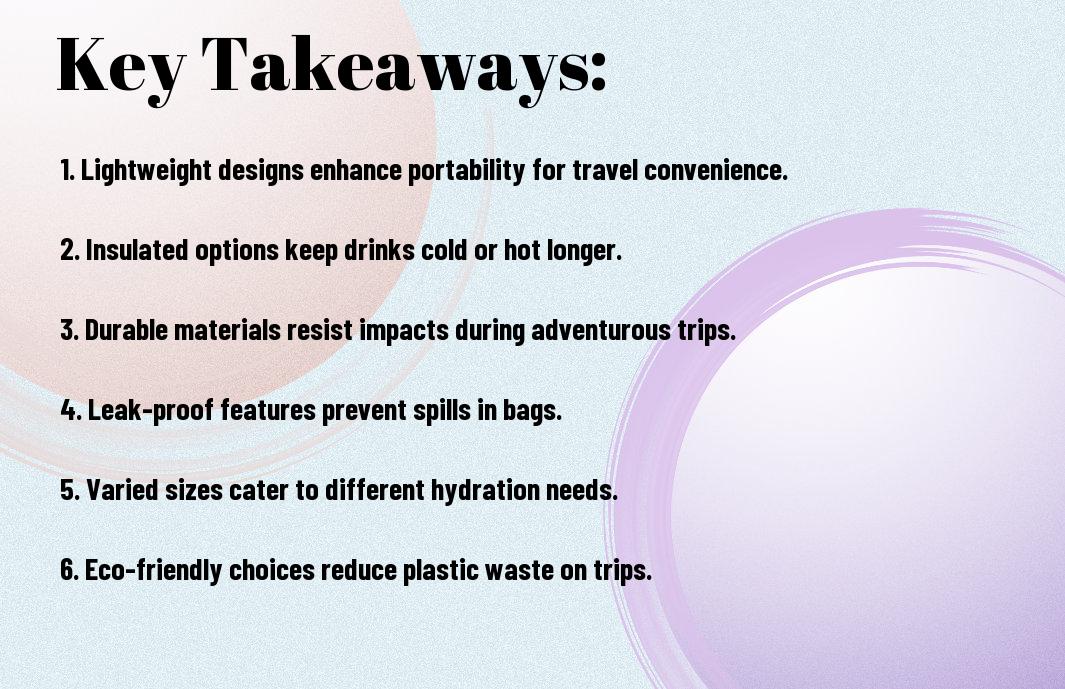
  • The durability and leak-proof design of a water bottle are necessary for withstanding the rigors of travel, making stainless steel and BPA-free materials ideal options.
  • A lightweight and compact design is vital for travelers, allowing for easy packing and transport, and features like collapsible or foldable designs can be particularly useful.
  • When choosing a reusable water bottle for travel, also consider insulation properties to keep drinks hot or cold for hours, and ease of cleaning to maintain hygiene and prevent bacterial growth during your travels.

Key Features to Consider

A good reusable water bottle for travel should have several key features. You’ll want to consider the following:

  • Size and weight
  • Material and durability
  • Insulation and temperature control
  • Leak-proof design

. The right features will make a big difference in your travel experience.

Durability

Toward the top of your list should be a bottle that can withstand rough handling, as you will likely be tossing it into your bag or backpack. You want your water bottle to be able to keep up with your active lifestyle.

Insulation

Approximately, any good insulated water bottle will keep your drinks hot or cold for hours, making it perfect for long trips. You’ll appreciate the convenience of having a refreshing drink whenever you need it.

Indeed, insulation is a key factor in choosing the best reusable water bottle for travel. You will want to look for a bottle with double-walled or vacuum insulation, which will help to keep your drinks at the right temperature. This feature will make a big difference in your overall satisfaction with your water bottle, and you’ll be glad you prioritized it when you’re enjoying a cold drink on a hot day or a hot drink on a cold day.

Top Picks for Travel

You have numerous options when it comes to choosing the best reusable water bottle for travel, but some stand out from the rest due to their durability, functionality, and convenience.

Collapsible Bottles

Behind the popularity of collapsible bottles is their ability to save space in your luggage, making them an excellent choice for travelers who need to pack light.

Insulated Stainless Steel Bottles

With insulated stainless steel bottles, you can enjoy your favorite hot or cold beverage at the perfect temperature, making them a great option for long trips or outdoor activities.

In addition to keeping your drinks at the right temperature, insulated stainless steel bottles are also durable, leak-proof, and resistant to rust, ensuring that your bottle will last for many trips to come, and you can rely on it to keep you hydrated throughout your journey.

Benefits of Reusable Water Bottles

Your decision to use a reusable water bottle can have a significant impact on your daily life and the environment. By switching to a reusable bottle, you can reduce plastic waste, save money, and stay hydrated on-the-go.

Environmental Impact

With the alarming rate of plastic waste, using a reusable water bottle is a step in the right direction. With this simple switch, you can significantly reduce your contribution to the plastic problem and help protect the planet for future generations.

Cost-Effectiveness

Above all, reusable water bottles are a cost-effective alternative to single-use plastic bottles. Above the initial investment, you can save money in the long run by refilling your bottle instead of buying bottled water.

Bottles that are reusable can be used hundreds of times, making them a valuable investment for you. As you continue to use your reusable bottle, you will notice a significant reduction in your spending on bottled water, and you can allocate that money to other aspects of your travel, such as trying new foods or activities, making your travels even more enjoyable and memorable.

Travel-Specific Features

Once again, you’ll want to consider the features that make a reusable water bottle ideal for travel, such as durability, ease of use, and portability, to ensure your bottle keeps up with your adventures.

Size and Weight

Similarly, sizing is vital when choosing a travel water bottle, as you’ll want it to fit comfortably in your bag or backpack, without taking up too much space or weighing you down, allowing you to carry it easily throughout your trip.

Leak-Proof Designs

On the go, you need a water bottle that can keep up with your active lifestyle, which is why leak-proof designs are a must-have, as they prevent spills and messes, keeping your belongings safe and dry.

LeakProof designs are especially important for you, as they provide peace of mind when carrying your water bottle in your bag or backpack, knowing that your clothes and electronics are protected from accidental spills, and you can focus on enjoying your travel experience.

Maintenance and Care

Despite the durability of your reusable water bottle, regular maintenance is necessary to keep it in good condition.

Cleaning Tips

You can follow these tips:

  • Wash with soap and water
  • Soak in vinegar solution
  • Any failure to clean your bottle properly can lead to bacterial growth and bad tastes.

    Replacement Parts

    Around the time your bottle starts to show signs of wear, you may need to replace certain parts to keep it functioning properly.
    The replacement parts you need will depend on the type of bottle you have and how you use it. You should check your bottle’s manufacturer website for compatible replacement parts, as using the wrong parts can compromise your bottle’s safety and performance. This will help you to maintain your bottle and extend its lifespan, allowing you to continue using it for your travels.

    Brands to Consider

    All travelers know that a good reusable water bottle is imperative for staying hydrated on the go. When searching for the best one, you’ll want to consider brands that offer durability, sustainability, and style.

    Established Brands

    Considering brands like Nalgene, Klean Kanteen, and CamelBak, you’ll find a wide range of options that cater to your needs, from insulated bottles to collapsible ones, allowing you to choose the perfect fit for your travels.

    Emerging Brands

    Beside the well-known brands, you’ll also find newer companies that offer innovative designs and features, such as Grayl, S’well, and LARQ, which provide unique solutions for your hydration needs while traveling.

    With emerging brands, you can discover new materials, technologies, and designs that might better suit your preferences and travel style, giving you more options to find the perfect reusable water bottle that meets your expectations and enhances your travel experience.

    Summing up

    Conclusively, you have a wide range of options when it comes to choosing the best reusable water bottle for your travels. You can select a bottle that fits your needs, from insulated to collapsible designs, to stay hydrated on-the-go. With your new reusable water bottle, you will reduce plastic waste and save money in the long run, making it a worthwhile investment for your next trip.

    FAQ

    Q: What are the benefits of using a reusable water bottle for travel?

    A: Using a reusable water bottle for travel has several benefits, including reducing plastic waste, saving money on buying bottled water, and staying hydrated on-the-go. Additionally, reusable water bottles are often made from durable materials that can withstand the rigors of travel, making them a great investment for frequent travelers. By choosing a reusable water bottle, you can help minimize your environmental impact and contribute to a more sustainable future.

    Q: What features should I look for in a reusable water bottle for travel?

    A: When identifying a reusable water bottle for travel, consider features such as durability, leak-proof design, insulation, and ease of cleaning. A good travel water bottle should be able to withstand rough handling, keep drinks hot or cold for hours, and be easy to clean and maintain. Other features to consider include size, weight, and compatibility with different types of lids or filters. Look for bottles made from BPA-free materials and that are designed with travel in mind, such as those with compact designs or carrying handles.

    Q: What types of materials are used to make reusable water bottles for travel?

    A: Reusable water bottles for travel are made from a variety of materials, including stainless steel, silicone, and plastic. Stainless steel bottles are popular for their durability and ability to keep drinks hot or cold, while silicone bottles are often flexible and collapsible, making them easy to pack. Plastic bottles, on the other hand, are often lightweight and affordable, but may not be as durable as other materials. When choosing a reusable water bottle, consider the pros and cons of each material and select one that meets your needs and preferences.

    Q: How do I clean and maintain my reusable water bottle for travel?

    A: Cleaning and maintaining your reusable water bottle for travel is easy. Simply wash the bottle with soap and warm water after each use, and dry it thoroughly to prevent bacterial growth. For more thorough cleaning, use a bottle brush to scrub away any stubborn stains or residue. Some reusable water bottles may also be dishwasher safe, but be sure to check the manufacturer’s instructions before putting it in the dishwasher. Regular cleaning and maintenance will help keep your water bottle in good condition and prevent the growth of bacteria and other microorganisms.

    Q: Are reusable water bottles for travel worth the investment?

    A: Yes, reusable water bottles for travel are definitely worth the investment. While they may seem like a luxury item, reusable water bottles can save you money in the long run by reducing your reliance on single-use plastic water bottles. Additionally, many reusable water bottles are designed to last for years, making them a great value for frequent travelers. By investing in a reusable water bottle, you can help reduce your environmental impact, stay hydrated on-the-go, and enjoy a more sustainable and convenient drinking experience.

How to Stay Sustainable While Traveling

As you set off on your next adventure, you’re likely thinking about the amazing experiences that await you, but have you considered your impact on the places you visit? You have the power to make a positive difference, and with a few simple tweaks to your travel habits, you can minimize your footprint and contribute to the preservation of our beautiful planet. Your travels can be a force for good, and this guide will show you how.

Key Takeaways:

To minimize your environmental footprint while traveling, consider the following points:

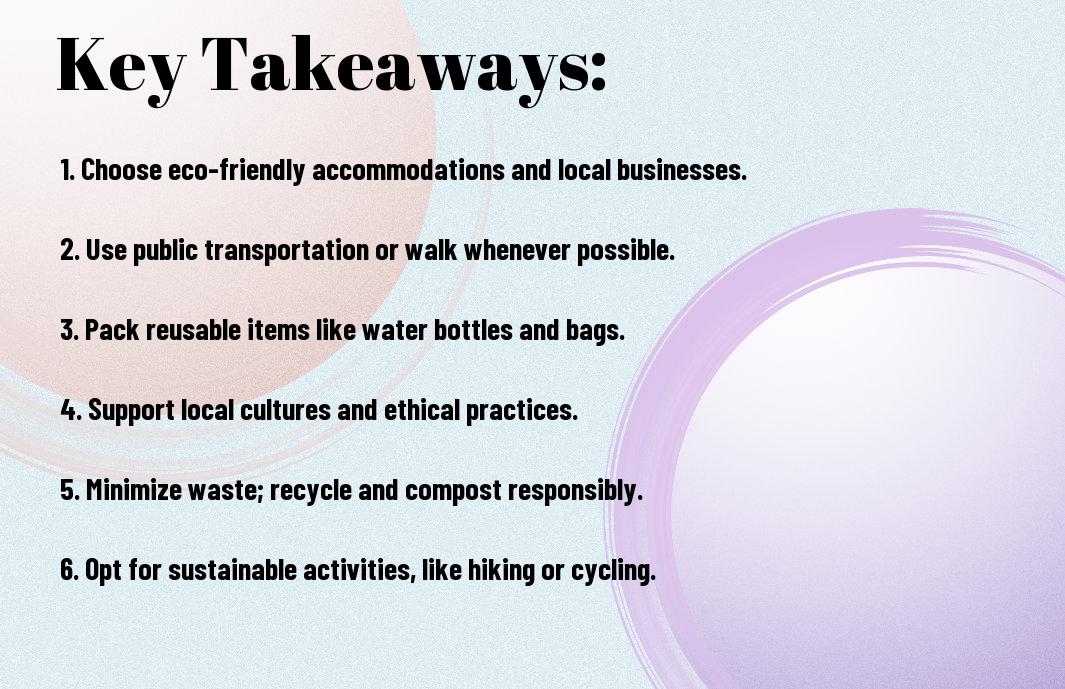
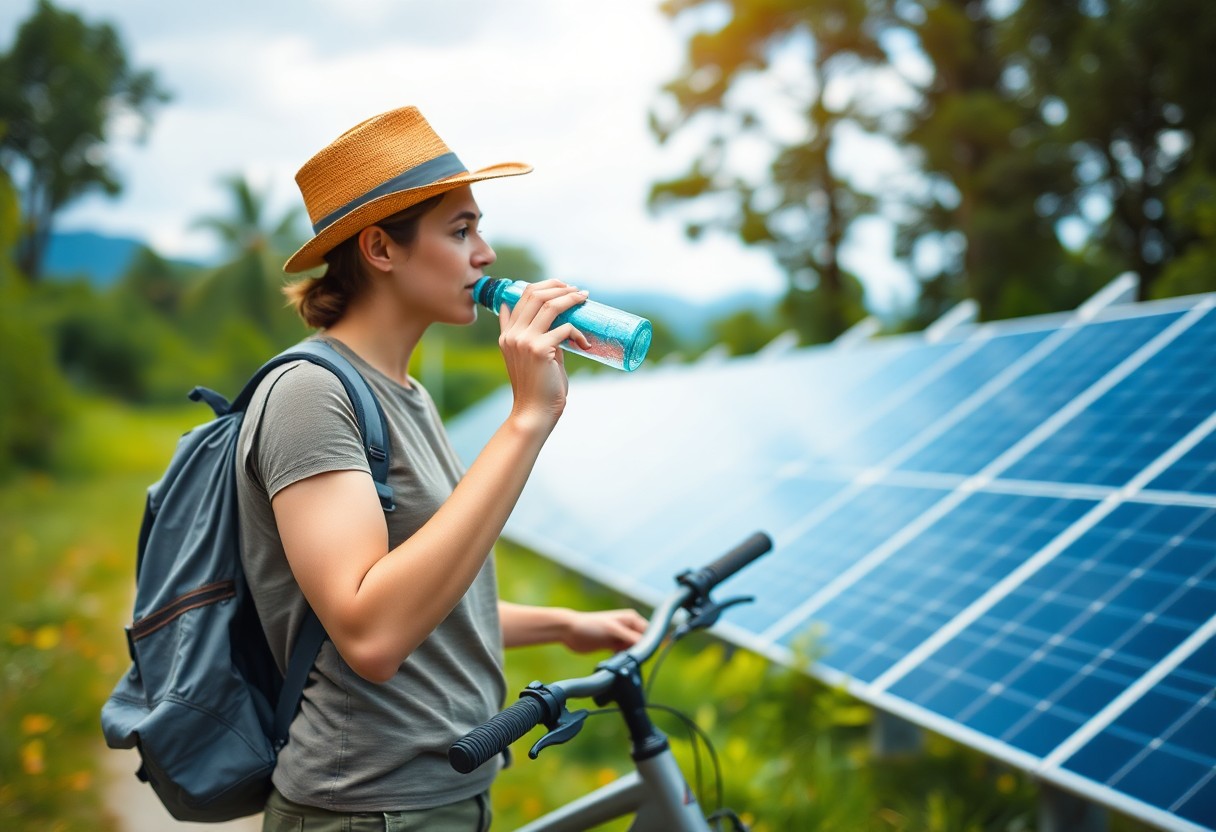
  • Choose Eco-Friendly accommodations that use sustainable practices, such as Renewable Energy sources and Waste Reduction programs, to reduce your carbon footprint.
  • Plan your itinerary to include Local Transportation methods, such as walking or biking, and opt for Sustainable Tour operators that support Environmental Conservation efforts.
  • Pack Light and avoid single-use Plastics by bringing your own Reusable water bottle, bag, and other vitals to reduce Waste and promote Sustainable Travel practices.

Planning Ahead

For a stress-free and sustainable trip, it’s crucial to plan ahead, considering your impact on the environment and local communities from the outset. You’ll want to think about your destination, transportation, and accommodations, making informed choices that align with your values.

Researching Eco-Friendly Destinations

Destinations that prioritize sustainability are becoming increasingly popular, and you can find plenty of options that cater to eco-conscious travelers like yourself. You’ll discover places that boast environmentally-friendly practices, from renewable energy to waste reduction, allowing you to make a positive impact on the local environment.

Choosing Sustainable Transportation

On the move, you have the power to choose transportation methods that minimize your carbon footprint. You can opt for trains, buses, or even biking, which not only help the planet but also offer a more immersive experience, allowing you to connect with locals and take in the sights.

Further, when choosing sustainable transportation, you’ll find that it often leads to a more authentic and engaging travel experience. You might take a scenic train ride, walk through a new city, or bike along a coastal path, all while doing your part for the environment and enjoying the journey, rather than just focusing on the destination, which is a big part of the fun of traveling, after all, getting to your destination with a clear conscience.

Reducing Waste

If you want to make a positive impact on the environment while traveling, check out How to travel better: a beginner’s guide to sustainable travel in 2023 and beyond for tips. You’ll learn how to minimize your footprint and contribute to a more sustainable future.

Avoiding Single-Use Plastics

To minimize waste, opt for refillable water bottles and coffee containers. You’ll not only reduce plastic waste but also save money in the long run.

Using Reusable Bags and Containers

Before you head out, pack reusable bags and containers to avoid using disposable ones. You’ll be surprised at how much of a difference this simple step can make.

Even with reusable bags and containers, you can take your sustainability efforts to the next level by choosing products made from eco-friendly materials. You can explore local markets for unique, handmade options that will also support the local community, making your travel experience even more authentic and rewarding.

Conserving Resources

Your travels can have a significant impact on the environment, and conserving resources is a key part of sustainable travel. By making a few simple changes, you can reduce your footprint and help preserve the beauty of the places you visit.

Minimizing Water Usage

Beneath the surface of your daily habits, there are many ways to save water while traveling. You can take shorter showers, turn off the tap while brushing your teeth, and avoid wasting water in your hotel room.

Reducing Energy Consumption

With a little awareness, you can significantly reduce your energy consumption on the road. You can turn off lights and air conditioning in your hotel room, use public transport, and choose eco-friendly tour operators.

The details of reducing energy consumption while traveling are worth exploring further. You’ll find that many hotels and tour operators now offer eco-friendly options, such as energy-efficient lighting and sustainable transportation. By choosing these options, you can lower your carbon footprint and contribute to a more sustainable travel industry.

Supporting Local Communities

Keep in mind that your travels can have a significant impact on the local economy and environment. By supporting local communities, you can help preserve their unique culture and way of life.

Eating at Local Restaurants

Akin to authenticity, opting for local eateries allows you to experience the true flavors of the region, while also putting your money directly into the local economy, benefiting your hosts and enhancing your travel experience.

Shopping at Local Markets

Above all, browsing local markets gives you the opportunity to discover unique, handmade products and interact with the people who created them, allowing you to take a piece of the community back home with you.

This experience not only supports the local artisans but also provides you with a chance to learn about their craft and the story behind each item, making your purchases even more meaningful and allowing you to share your newfound knowledge with others, fostering a deeper appreciation for the local culture.

Respecting the Environment

To minimize your impact on the environment, you’ll want to adopt some simple yet effective habits while traveling. This includes being mindful of your actions and their consequences on the places you visit.

Protecting Wildlife and Habitats

By taking a thoughtful approach to your travels, you can help preserve the natural beauty of your destinations. You’ll avoid disturbing or disrupting the local wildlife and their habitats, ensuring that they thrive for years to come.

Reducing Carbon Footprint

To reduce your carbon footprint, you’ll want to make conscious choices about your transportation and activities. You can opt for eco-friendly options, such as walking or cycling, and choose tour operators that adhere to sustainable practices.

Carbon emissions are a significant concern for travelers, and you can take steps to mitigate your impact. As you explore your destinations, consider offsetting your flights, using public transport, or carpooling to minimize your carbon footprint, and you’ll be contributing to a more sustainable future for the places you love to visit.

Staying Mindful

Despite the excitement of exploring new destinations, it’s easy to get caught up in the moment and forget about your impact on the environment and local communities. As you travel, you’ll encounter various cultural norms and practices that may be unfamiliar to you, and it’s vital to be thoughtful and considerate in your interactions.

Being Aware of Cultural Differences

One of the most significant aspects of mindful travel is being aware of the cultural differences that exist between your home country and your destination. You’ll need to adapt to new customs, traditions, and ways of life, and being open-minded and flexible will help you navigate these differences with ease.

Respectful Tourism Practices

Among the many ways you can practice mindful travel, adopting respectful tourism practices is key. You’ll want to be thoughtful about your actions and how they may impact the local environment and community, whether it’s reducing your use of single-use plastics or supporting local businesses.

Mindful of your surroundings, you’ll start to notice the small changes you can make to reduce your footprint, such as choosing eco-friendly accommodations, using public transport, or avoiding activities that may harm the local wildlife. As you become more aware of your impact, you’ll find that making sustainable choices becomes second nature, and you’ll be able to enjoy your travels with a clear conscience, knowing that you’re contributing to the preservation of the places you visit.

Final Words

Taking this into account, you’ll find that staying sustainable while traveling becomes second nature. As you wander through foreign lands, your footprint will be lighter, and your impact more positive. You’ll savor local flavors, support eco-friendly establishments, and preserve the beauty of your destinations for future generations to enjoy. By making a few simple changes to your travel habits, you’ll not only help the planet, but also enrich your own travel experiences. Your journeys will be more authentic, and your memories more meaningful.

FAQ

Q: What are some simple ways to reduce my environmental impact while traveling?

A: To reduce your environmental impact while traveling, start by choosing eco-friendly accommodations, such as hotels or lodges that have implemented sustainable practices like solar power, recycling, and reducing water waste. Additionally, opt for public transportation, walk, or bike whenever possible, and avoid single-use plastics by carrying a refillable water bottle and shopping bag. You can also reduce your carbon footprint by offsetting your flights and choosing tour operators that follow sustainable tourism practices.

Q: How can I minimize my waste while traveling, especially in countries with limited recycling facilities?

A: Minimizing waste while traveling requires careful planning and attention to detail. Start by packing lightly and avoiding single-use plastics, such as straws, bags, and water bottles. Choose products with minimal packaging, buy in bulk, and avoid products with excess packaging. When shopping, opt for local and seasonal products, and avoid buying items that are packaged in plastic. You can also bring a portable water filter or purification tablets to reduce your reliance on bottled water. Finally, dispose of your waste properly, and participate in local clean-up initiatives or beach cleanups to give back to the community.

Q: What are some sustainable transportation options I can use while traveling?

A: There are several sustainable transportation options you can use while traveling, depending on your destination and budget. Consider using public transportation, such as buses, trains, or subways, which are often affordable and environmentally friendly. You can also walk or bike, which are great ways to explore local areas and get some exercise. If you need to take a taxi or ride-hailing service, consider choosing an eco-friendly option, such as an electric or hybrid vehicle. Additionally, consider offsetting your flights by investing in carbon offset projects, such as reforestation or renewable energy initiatives.

Q: How can I respect local cultures and environments while traveling, and avoid contributing to overtourism?

A: Respecting local cultures and environments while traveling requires sensitivity, awareness, and planning. Start by researching your destination and understanding local customs, traditions, and environmental concerns. Be respectful of local communities, and avoid behaviors that could be perceived as disruptive or disrespectful, such as taking photos of people without permission or littering. Choose tour operators that follow sustainable tourism practices and support local economies. Additionally, consider visiting during the off-season or traveling to lesser-known destinations to avoid contributing to overtourism. Finally, support local conservation efforts, and participate in community-based tourism initiatives that promote cultural exchange and environmental stewardship.

Q: What are some eco-friendly products I can pack to reduce my environmental impact while traveling?

A: There are several eco-friendly products you can pack to reduce your environmental impact while traveling, including a refillable water bottle, a portable water filter or purification tablets, and a shopping bag or backpack made from sustainable materials. You can also pack a set of reusable bamboo utensils, a straw, and a container for take-out food. Additionally, consider packing eco-friendly toiletries, such as soap, shampoo, and toothpaste, that are free from harsh chemicals and come in biodegradable packaging. Finally, choose products that are designed for travel, such as a packing cube system or a travel-sized necessarys kit, to reduce waste and minimize your environmental footprint.

Eco-Friendly Backpacks for Everyday Adventures

As you prepare for your daily commute or weekend hike, you’re likely thinking about the gear you need to bring along. Your backpack is an imperative item, and choosing an eco-friendly option can make a significant impact on the environment. You have the power to reduce your carbon footprint by selecting a backpack made from sustainable materials, and this blog post will guide you in finding the perfect one for your everyday adventures.

Key Takeaways:

To make informed decisions when choosing eco-friendly backpacks for daily use, consider the following points:

  • Look for sustainable materials such as recycled polyester, organic cotton, or plant-based fabrics that reduce the environmental impact of production and disposal.
  • Consider the durability and longevity of the backpack, as a well-made bag can withstand the test of time and reduce the need for frequent replacements, thereby minimizing waste.
  • Choose a backpack with practical features such as multiple compartments, pockets, and adjustable straps to ensure it meets your daily needs and encourages continued use, reducing the likelihood of it ending up in a landfill.

Types of Eco-Friendly Backpacks

A variety of eco-friendly backpacks are available, including:

  • Recycled backpacks
  • Organic backpacks
  • Sustainable backpacks
  • Eco-friendly backpacks
  • Biodegradable backpacks

Assume that you will find the one that suits your needs in the table below:

Type Description
Recycled Made from recycled materials
Organic Made from organic materials
Sustainable Made from sustainable materials
Eco-friendly Environmentally friendly
Biodegradable Can be decomposed

Recycled Materials

Materials like recycled plastic and cotton are used to make eco-friendly backpacks, allowing you to reduce your environmental impact.

Sustainable Fabrics

To create eco-friendly backpacks, you can opt for sustainable fabrics like hemp and bamboo, which are durable and long-lasting.

Further, sustainable fabrics like Tencel and Piñatex offer additional benefits, such as moisture-wicking properties and breathability, making them ideal for your everyday adventures, allowing you to stay comfortable and confident in your choice of backpack.

Features to Consider

Clearly, when selecting an eco-friendly backpack, you need to consider several key features that meet your needs. You want a backpack that is not only environmentally friendly but also functional and durable for your everyday adventures.

Obviously, one of the most important aspects to look for in an eco-friendly backpack is durability and comfort. You need a backpack that can withstand your daily commutes and outdoor activities while providing adequate support and comfort for your back and shoulders.

Water Resistance and Breathability

Following your research on durability, afterwards, you should consider water resistance and breathability. You will want a backpack that can protect your belongings from the elements and allow for airflow to prevent moisture buildup.

At this point, you should look for materials like nylon, polyester, or canvas that are water-resistant and breathable. You can also check for features like waterproof zippers, taped seams, and mesh panels that enhance the backpack’s water resistance and breathability, ensuring your gear stays dry and comfortable throughout your adventures.

Benefits of Eco-Friendly Backpacks

After switching to an eco-friendly backpack, you can expect a significant positive impact on your daily adventures. You can explore the best options by checking out The 13 Best Sustainable Backpacks, Tested and Reviewed to find the perfect fit for your needs.

Reduced Environmental Impact

Besides being stylish, eco-friendly backpacks also reduce waste and minimize your carbon footprint, allowing you to adventure with a clearer conscience, knowing you’re doing your part for the planet.

Improved Health and Wellbeing

The materials used in eco-friendly backpacks are often non-toxic and hypoallergenic, making them a great choice for you and your family, especially during extended outdoor adventures.

Benefits of choosing an eco-friendly backpack for your health and wellbeing extend beyond the environmental advantages, as you’ll also be reducing your exposure to harsh chemicals and toxins, promoting a healthier you on all your adventures.

Top Picks for Everyday Adventures

To find the perfect eco-friendly backpack for your daily adventures, consider your specific needs and preferences. You’ll want a bag that’s durable, comfortable, and sustainable.

Daypacks and Commuter Bags

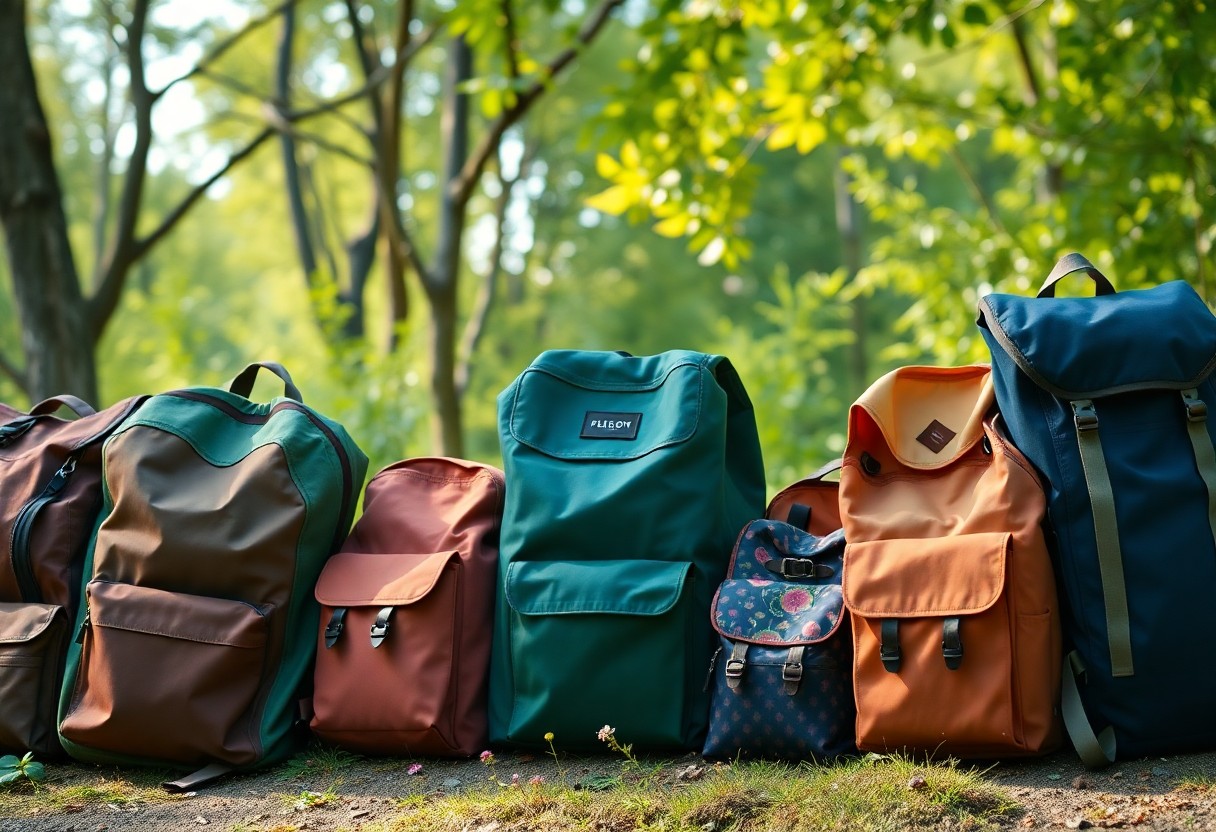
Bags that are perfect for daily commutes or short trips include those made from recycled materials and featuring multiple compartments for organization. You can choose from a variety of stylish and functional designs that fit your lifestyle.

Hiking and Travel Backpacks

Above all, a good hiking or travel backpack should be comfortable and reliable. You’ll want to look for features like padded straps, multiple pockets, and a sturdy frame to support your gear on long journeys.

Travel with confidence knowing your eco-friendly backpack is made from sustainable materials and designed to last. You can choose from a range of sizes and styles to suit your adventure, from lightweight daypacks to larger backpacks with advanced features like rain covers and hydration systems.

Tips for Choosing the Right Backpack

Your next adventure starts with the right gear, and a backpack is a great place to begin. Consider the following:

  • Size and comfort
  • Sustainability
  • Durability
  • Assume that finding the perfect backpack will take some time and research.

    Assessing Your Needs

    On the path to finding your ideal backpack, consider your daily activities and the items you need to carry. Think about the size, weight, and features that matter most to you, and use this information to guide your search.

    Reading Reviews and Product Labels

    Between the various options available, it can be difficult to make a decision. Look for reviews from other customers and pay attention to product labels that highlight eco-friendly materials and production methods.

    Indeed, reading reviews and product labels is an crucial step in choosing the right backpack for your everyday adventures. You can learn about the durability, comfort, and sustainability of a backpack by reading reviews from other customers who have used it. Additionally, product labels can provide valuable information about the materials used, such as recycled polyester or organic cotton, and the production methods, such as fair labor practices or minimal waste generation. By considering this information, you can make an informed decision that aligns with your values and needs.

    Caring for Your Eco-Friendly Backpack

    Once again, you’ll want to ensure your eco-friendly backpack lasts for many adventures to come. Proper care will extend its lifespan and maintain its quality.

    Cleaning and Maintenance

    Around the time your backpack gets dirty, gently wipe it with a soft cloth and mild soap to keep it clean and dry.

    Repair and Replacement Options

    Cautiously, you should inspect your backpack for any signs of wear and tear, and consider repairing or replacing parts to extend its life.

    Consequently, you can look into repair services or DIY kits that offer sustainable and eco-friendly solutions, allowing you to fix your backpack and reduce waste, which is not only good for your wallet but also for the environment, as you’ll be extending the life of your backpack and reducing the need for new, resource-intensive products.

    Summing up

    With these considerations, you can make an informed decision when choosing an eco-friendly backpack for your everyday adventures. You will be able to find a bag that meets your needs while also protecting the environment. By selecting a backpack made from sustainable materials, you are reducing your carbon footprint and promoting a healthier planet. Your choice will have a positive impact on the environment, making your adventures even more enjoyable and guilt-free.

    FAQ

    Q: What are eco-friendly backpacks made of and how do they benefit the environment?

    A: Eco-friendly backpacks are made from sustainable materials such as recycled polyester, organic cotton, and plant-based fabrics. These materials reduce waste, conserve natural resources, and minimize the carbon footprint associated with traditional backpack production. By choosing an eco-friendly backpack, you’re supporting environmentally responsible manufacturing practices and helping to reduce the amount of plastic waste in our oceans and landfills.

    Q: Are eco-friendly backpacks durable and long-lasting, or will they fall apart easily?

    A: Eco-friendly backpacks are designed to be just as durable and long-lasting as traditional backpacks. Many eco-friendly backpacks are made with high-quality, sustainable materials that can withstand the rigors of everyday use. Look for backpacks with reinforced stitching, sturdy zippers, and water-resistant treatments to ensure your eco-friendly backpack will keep up with your active lifestyle.

    Q: Can I use an eco-friendly backpack for hiking and outdoor adventures, or are they only suitable for daily commuting?

    A: Eco-friendly backpacks are perfect for both daily commuting and outdoor adventures. Many models feature water-resistant linings, multiple compartments, and padded shoulder straps, making them ideal for hiking, camping, and other outdoor activities. Additionally, eco-friendly backpacks often have a stylish and versatile design, making them suitable for everyday use, such as school, work, or travel.

    Q: How do I care for and clean my eco-friendly backpack to ensure its longevity?

    A: To keep your eco-friendly backpack in great condition, avoid machine washing or dry cleaning, as these methods can damage the sustainable materials. Instead, spot clean any stains or spills with a mild soap and water, and allow the backpack to air dry. You can also use a soft brush to gently remove dirt and debris from the fabric. Regular cleaning and maintenance will help extend the life of your eco-friendly backpack and keep it looking its best.

    Q: Are eco-friendly backpacks more expensive than traditional backpacks, and is the extra cost worth it?

    A: While some eco-friendly backpacks may be priced slightly higher than traditional backpacks, the extra cost is often worth it for the environmental benefits and long-term durability. Many eco-friendly backpack brands also offer affordable options or discounts for students, outdoor enthusiasts, or customers who prioritize sustainability. By investing in an eco-friendly backpack, you’re not only reducing your environmental impact but also supporting companies that prioritize sustainability and social responsibility.

Skip to content