The Best Green Products for Remote Work

You work from home, and your space reflects your values. You want products that make your remote work easier and kinder to the environment. Your goal is to be productive while reducing your carbon footprint. This article will guide you through the best green products to make your workspace more sustainable and efficient, helping you make informed choices for your home office.

Key Takeaways:

To create an efficient and sustainable workspace while working remotely, consider the following points:

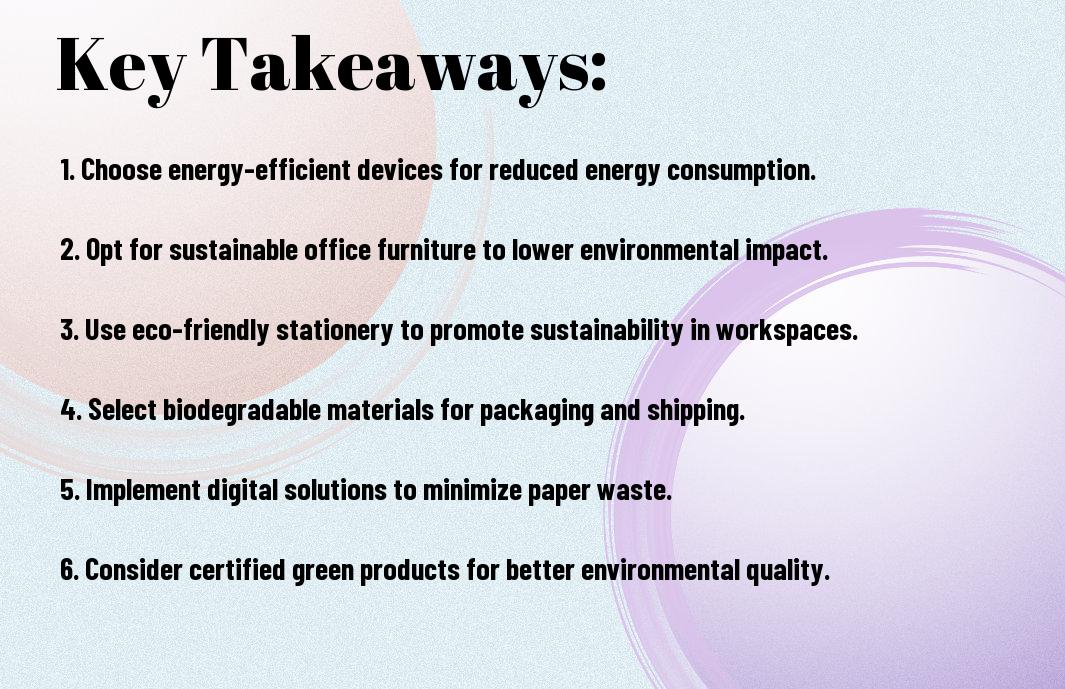
  • Invest in energy-efficient devices and eco-friendly office supplies to minimize your carbon footprint and reduce waste.
  • Utilize digital tools and cloud-based services to streamline your workflow, reduce paper usage, and enhance collaboration with team members.
  • Opt for ergonomic and space-saving furniture to create a comfortable and productivity-focused workspace that promotes well-being and environmental responsibility.
Top Green Products for Remote Work

For your remote work setup, choosing the right green products can make a significant difference. You want products that are not only functional but also environmentally friendly.

Eco-Friendly Desk Accessories

Working from home, you need a workspace that inspires productivity. You can start with eco-friendly desk accessories, such as bamboo pens and recycled paperweights, to create a sustainable work environment.

Sustainable Office Supplies

Between meetings and deadlines, you need office supplies that get the job done. You can opt for sustainable office supplies like refillable notebooks and biodegradable pens to reduce your carbon footprint.

A key aspect of sustainable office supplies is their durability. You can invest in high-quality, long-lasting products that will reduce waste and save you money in the long run. Consider switching to digital tools and reusable supplies to minimize your environmental impact.

Energy-Efficient Equipment

Some of the best green products for remote work are energy-efficient equipment. You can reduce your carbon footprint by using devices that consume less power. Look for products with energy-saving features to minimize your environmental impact.

Solar-Powered Chargers

Previously, you might have relied on traditional chargers, but now you can opt for solar-powered chargers. You can charge your devices using renewable energy from the sun, making your remote work more sustainable.

Energy-Saving Laptops

Between your old laptop and a new energy-saving one, you should choose the latter. You will not only reduce your energy consumption but also extend the life of your device.

Plus, energy-saving laptops are designed to perform efficiently while minimizing power usage. You can work remotely without worrying about running out of battery or contributing to pollution. Your new laptop will be a valuable investment in your remote work setup and the environment.

Green Tech for Productivity

All remote workers need the right tools to stay efficient. You can boost your productivity with eco-friendly tech, such as energy-efficient computers and sustainable software.

Apps for Remote Collaboration

Against the backdrop of a busy workday, you’ll find apps like Trello and Asana help you collaborate with your team seamlessly, reducing the need for paper and travel.

Digital Tools for Organization

Producing high-quality work requires organization, and you can achieve this with digital tools like Evernote and Google Drive, which help you manage your files and notes in one place.

Also, these digital tools allow you to access your files from anywhere, at any time, making it easier for you to work remotely and stay productive, while reducing your carbon footprint by minimizing the need for physical storage and travel.

Healthy Work Environment

After setting up your remote workspace, consider the elements that promote well-being. You want your environment to boost productivity and comfort. This includes air quality, furniture, and natural elements that create a healthy space.

Air-Purifying Plants

Beneath the surface of a productive workspace lies the importance of clean air. You can achieve this by adding plants that purify the air, such as snake plants or spider plants, to your environment, creating a healthier space for you to work.

Ergonomic Furniture

Working long hours in a chair that doesn’t support your back can lead to discomfort and pain. You should invest in ergonomic furniture that promotes good posture and reduces the risk of injury, allowing you to focus on your work.

Placing emphasis on your physical comfort, ergonomic furniture is designed to support your body during long work hours. You can opt for a standing desk, an ergonomic chair, or a footrest to create a comfortable workspace that meets your needs, allowing you to work efficiently and maintain your overall well-being.

Sustainable Remote Work Practices

Keep your remote work setup eco-friendly by adopting simple habits. You can start by using energy-efficient devices and turning them off when not in use. This will help you reduce your carbon footprint and create a more sustainable work environment.

Digital Document Management

Remotely, you can manage your documents digitally, reducing the need for paper. You can use cloud storage services to store and share files, making it easier to collaborate with colleagues and clients.

Zero-Waste Policy

Remotely, you can implement a zero-waste policy by reducing your use of disposable products. You can use reusable cups, bags, and containers to minimize waste and reduce your environmental impact.

For instance, you can avoid printing documents and instead use digital signatures to sign contracts and agreements. You can also compost food waste and recycle paper, plastic, and glass. By making these small changes, you can significantly reduce your waste output and create a more sustainable remote work setup.

Benefits of Green Remote Work

Many benefits come with adopting green remote work practices. You can learn about 10 tried-and-tested ways to promote remote work sustainability to reduce your impact.

Environmental Impact

With the shift to remote work, you’ll reduce your carbon footprint by minimizing daily commutes and energy consumption.

Cost Savings

Beside the environmental benefits, you’ll also save money on utilities, transportation, and office space.

Remote work allows you to allocate your budget more efficiently, as you won’t need to spend on office equipment, furniture, or other overhead costs. You can use the savings to invest in green products and tools that enhance your remote work setup, creating a more sustainable and productive environment for yourself.

To wrap up

Considering all points, you’ve got a clear picture of the best green products for remote work. You can now choose the ones that fit your needs, reducing your environmental footprint. With these products, you’ll work efficiently while being kind to the planet. Your remote work setup will be both productive and eco-friendly, allowing you to stay focused on your goals.

FAQ

Q: What are the benefits of using green products while working remotely?

A: Using green products while working remotely can have numerous benefits, including reducing your carbon footprint, improving air quality, and promoting sustainability. Green products, such as energy-efficient laptops and recyclable paper, can help minimize waste and reduce the environmental impact of remote work. Additionally, many green products are designed with health and wellness in mind, which can improve productivity and overall well-being.

Q: What are some of the best green products for remote workers who spend most of their time on their computers?

A: Some of the best green products for remote workers who spend most of their time on their computers include energy-efficient laptops, eco-friendly keyboard and mouse sets, and sustainable computer monitors. Look for products with Energy Star certification or made from recycled materials. Additionally, consider using a portable power bank to charge your devices on-the-go, reducing the need for single-use batteries and minimizing electronic waste.

Q: How can I reduce paper waste while working remotely, and what green products can help me do so?

A: To reduce paper waste while working remotely, consider switching to digital documents and notes, and using reusable products such as notebooks made from recycled paper or bamboo. You can also use a digital signature tool to sign documents electronically, eliminating the need for printed copies. Furthermore, look for green products like refillable pens and pencils, and consider using a paper shredder to securely dispose of sensitive documents.

Q: What are some green products that can help improve indoor air quality while working from home?

A: Some green products that can help improve indoor air quality while working from home include air-purifying plants, crucial oil diffusers, and eco-friendly air purifiers. These products can help remove pollutants and toxins from the air, promoting a healthier work environment. Additionally, consider using natural cleaning products and avoiding harsh chemicals, which can contribute to poor indoor air quality. Look for products with natural ingredients and minimal packaging to reduce waste.

Q: How can I make my home office more sustainable, and what green products can help me do so?

A: To make your home office more sustainable, consider using energy-efficient lighting, such as LED bulbs, and adjusting your thermostat to use less energy. You can also use eco-friendly furniture, such as a standing desk made from reclaimed wood, and decorate your space with plants and natural elements. Additionally, look for green products like recyclable office supplies, biodegradable trash bags, and a compost bin to reduce waste and promote sustainability. By making these simple changes, you can create a more environmentally friendly and productive home office space.

How to Make Your Office More Sustainable

You sit at your desk, surrounded by paper, plastic, and waste. Your office is a hub of activity, but also a source of environmental strain. You can change this. By making a few simple adjustments, you can reduce your office’s footprint and create a healthier workspace. You’ll learn how to assess your current practices, implement eco-friendly solutions, and maintain a sustainable office environment. Start making a difference today, one small step at a time, and transform your office into a greener, more sustainable space.

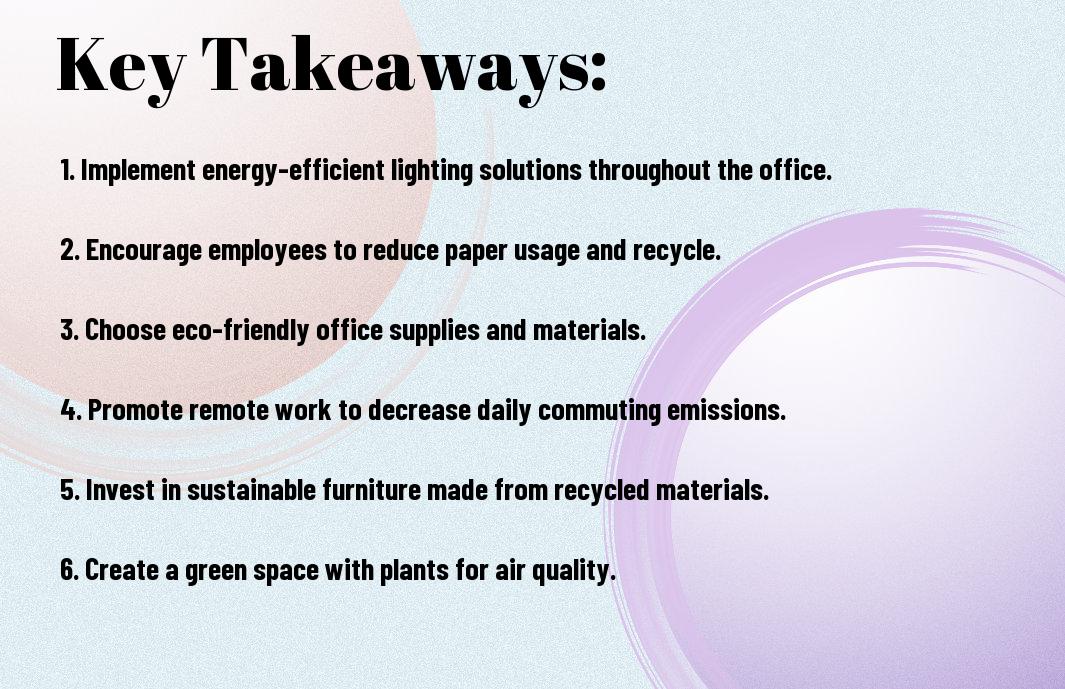
Key Takeaways:

To create a more sustainable office environment, consider the following points:

  • Implement energy-efficient practices such as using LED lighting, turning off lights and electronics when not in use, and adjusting thermostat settings to optimize heating and cooling systems.
  • Reduce waste by Implementing a recycling program, reducing paper usage through digital documentation, and encouraging employees to use reusable containers and bags.
  • Promote eco-friendly behaviors among employees by providing incentives for using public transportation, carpooling, or biking to work, and incorporating sustainable practices into company policies and values.

Section

Your office can become a more sustainable workspace with a few simple changes. You start by assessing your current practices and identifying areas for improvement. This will help you create a plan to make your office more environmentally friendly.

Reducing Energy Consumption

The first step in reducing energy consumption is to identify areas where you can cut back. You can start by turning off lights and electronics when not in use, and adjusting your thermostat to use less energy.

Using Eco-Friendly Lighting

Across the office, you can make a big impact by switching to eco-friendly lighting options. You can replace traditional light bulbs with LED bulbs, which use significantly less energy and last longer.

It is worth noting that using eco-friendly lighting can also improve the overall aesthetic of your office. You can choose from a variety of styles and designs, and LED bulbs are available in a range of colors and brightness levels. By making this simple switch, you can reduce your energy consumption and create a more sustainable office space.

Section

Clearly, making your office more sustainable is a goal you can achieve with simple changes. Check out 10 Ways to Make Your Office More Sustainable This Year for inspiration.

Implementing Recycling Programs

Behind every successful sustainable office is a solid recycling program. You can start by designating recycling bins and encouraging your team to participate.

Minimizing Paper Waste

Paper usage can be significantly reduced by switching to digital documents. You can start by implementing a paperless policy for meetings and memos.

A key step in minimizing paper waste is to assess your current usage and identify areas where you can cut back. You can do this by tracking your paper usage for a month and then finding digital alternatives for tasks that use the most paper.

Section

Many offices are taking steps to reduce their environmental impact. You can start by making simple changes to your daily operations. Begin by assessing your energy consumption and waste management. This will help you identify areas where you can improve your sustainability.

Promoting Sustainable Transportation

Any efforts you make to promote sustainable transportation will have a significant impact. You can encourage your employees to use public transport, walk, or bike to work. Consider providing incentives for those who do, such as discounted gym memberships or extra time off.

Encouraging Carpooling and Remote Work

On the path to a more sustainable office, you’ll find that carpooling and remote work are valuable tools. You can set up a carpooling system and allow employees to work from home one day a week. This will reduce the number of cars on the road and lower your office’s carbon footprint.

Indeed, encouraging carpooling and remote work can have a significant impact on your office’s sustainability. You can use online platforms to facilitate carpooling and provide employees with the tools they need to work remotely. By doing so, you’ll not only reduce your office’s environmental impact, but also improve employee satisfaction and productivity. You’ll be taking a significant step towards creating a more sustainable and efficient work environment.

Section

Once again, you’re taking steps to make your office more sustainable, and that’s a good start. You’ll be reducing your environmental footprint, and your employees will appreciate the effort. Your office will be a healthier, more productive place to work.

Creating a Green Office Space

Behind the scenes, making your office green involves some planning. You’ll need to assess your space, identify areas for improvement, and make a plan to implement changes. You can start by reducing energy consumption and waste.

Incorporating Plants and Natural Elements

For a more sustainable office, you can bring in some greenery. You can add plants, a living wall, or a green roof to your space. This will help purify the air and improve the aesthetic of your office.

Also, incorporating plants and natural elements can have a significant impact on your employees’ well-being. You can choose low-maintenance plants like succulents or air plants that are easy to care for. By adding some natural elements, you’ll be creating a more pleasant and productive work environment for your employees, and that’s a step in the right direction.

Section

Keep your office sustainable by making simple changes. You can start by assessing your current practices and identifying areas for improvement. Your goal is to minimize waste and reduce your environmental footprint.

Reducing Water Usage

Reducing your water consumption is crucial. You can achieve this by fixing leaks and implementing water-saving measures. Your efforts will contribute to a significant decrease in water waste.

Installing Low-Flow Fixtures

Beside making other changes, installing low-flow fixtures is a practical step. You can replace traditional faucets and toilets with low-flow alternatives. Your office will benefit from reduced water consumption.

For instance, low-flow faucets use significantly less water than traditional ones, making them an excellent choice for your office. You can also consider installing greywater systems or rainwater harvesting systems to further reduce your water usage. By taking these steps, you will make your office more sustainable and environmentally friendly.

Section

Despite the challenges, making your office more sustainable is achievable. You can start by assessing your current practices and identifying areas for improvement. Your goal is to reduce waste and minimize your environmental footprint. You’ll need to involve your employees in this process to ensure a successful transition.

Educating Employees on Sustainability

Awareness is key to promoting sustainability in your office. You should provide your employees with information on the importance of sustainable practices and how they can contribute. Your employees will be more likely to participate if they understand the benefits of sustainability.

Encouraging Environmentally Friendly Practices

For instance, you can encourage your employees to use public transport or carpool to work. You can also implement recycling programs and reduce energy consumption by using energy-efficient equipment. Your office will become more sustainable over time with these practices.

Indeed, encouraging environmentally friendly practices requires a consistent effort from you and your employees. You need to lead by example and demonstrate your commitment to sustainability. As you make progress, you can reassess and adjust your strategies to ensure your office remains on a sustainable path. You will see the benefits of your efforts in the long run, from cost savings to a positive impact on the environment.

Conclusion

Summing up, you’ve learned ways to make your office more sustainable. You can implement these changes to reduce waste and energy consumption. By making a few simple adjustments, you can create a more environmentally friendly workspace. Your actions will have a positive impact on the planet, and you’ll set an example for your colleagues to follow. You’ll be proud of the difference you’ve made in your office.

FAQ

Q: What are the benefits of making my office more sustainable?

A: Making your office more sustainable can have numerous benefits, including reducing your environmental footprint, improving the health and wellbeing of employees, and saving money on energy and resource costs. Sustainable offices can also enhance your company’s reputation and contribute to a positive brand image. Additionally, sustainable practices can increase employee productivity and job satisfaction, leading to better overall performance and retention.

Q: How can I reduce energy consumption in my office?

A: There are several ways to reduce energy consumption in your office. Start by replacing traditional light bulbs with LED or energy-efficient lighting, and install motion sensors to turn off lights in unused areas. Adjust your thermostat settings to optimize heating and cooling, and consider upgrading to energy-efficient equipment and appliances. You can also encourage employees to turn off their computers, printers, and other devices when not in use, and consider using power strips to eliminate standby power consumption.

Q: What are some ways to reduce waste in my office?

A: Reducing waste in your office can be achieved through several simple steps. Implement a recycling program for paper, plastic, glass, and other materials, and encourage employees to participate. Reduce paper usage by switching to digital documents and communications, and use reusable products such as coffee cups, water bottles, and shopping bags. You can also compost food waste and other organic materials, and avoid single-use plastics and disposable products. Finally, consider partnering with suppliers who offer sustainable packaging and products.

Q: How can I promote sustainable transportation options for my employees?

A: Promoting sustainable transportation options can have a significant impact on reducing your office’s carbon footprint. Encourage employees to use public transportation, walk, or bike to work by providing incentives such as subsidized transit passes or bike storage facilities. Consider implementing a teleportation or flexible work arrangement policy to reduce the need for commuting. You can also promote carpooling and ride-sharing among employees, and provide information on local transportation options and resources. Additionally, consider installing electric vehicle charging stations or providing preferred parking for hybrid or electric vehicles.

Q: How can I get my employees involved in sustainability efforts?

A: Getting your employees involved in sustainability efforts is crucial to creating a sustainable office culture. Start by educating employees on the importance of sustainability and the role they can play in reducing the office’s environmental impact. Encourage employee participation through volunteer opportunities, such as park cleanups or environmental events, and provide incentives for sustainable behaviors such as using public transportation or reducing energy consumption. You can also establish a green team or sustainability committee to lead sustainability initiatives and provide a platform for employee feedback and suggestions. Finally, recognize and reward employees who contribute to sustainability efforts, and celebrate your office’s sustainability achievements and progress.

Top Recycled Paper Products for Students

You’re heading back to school, and your supplies list is long. You need paper products that are good for the environment and your studies. You can make a difference with recycled paper products. Your notebooks, journals, and printer paper can all be made from recycled materials. You’ll be reducing waste and helping the planet. This article will show you the best recycled paper products for your academic needs.

Key Takeaways:

To minimize environmental impact, students can opt for eco-friendly products made from recycled materials. Here are some key points to consider:

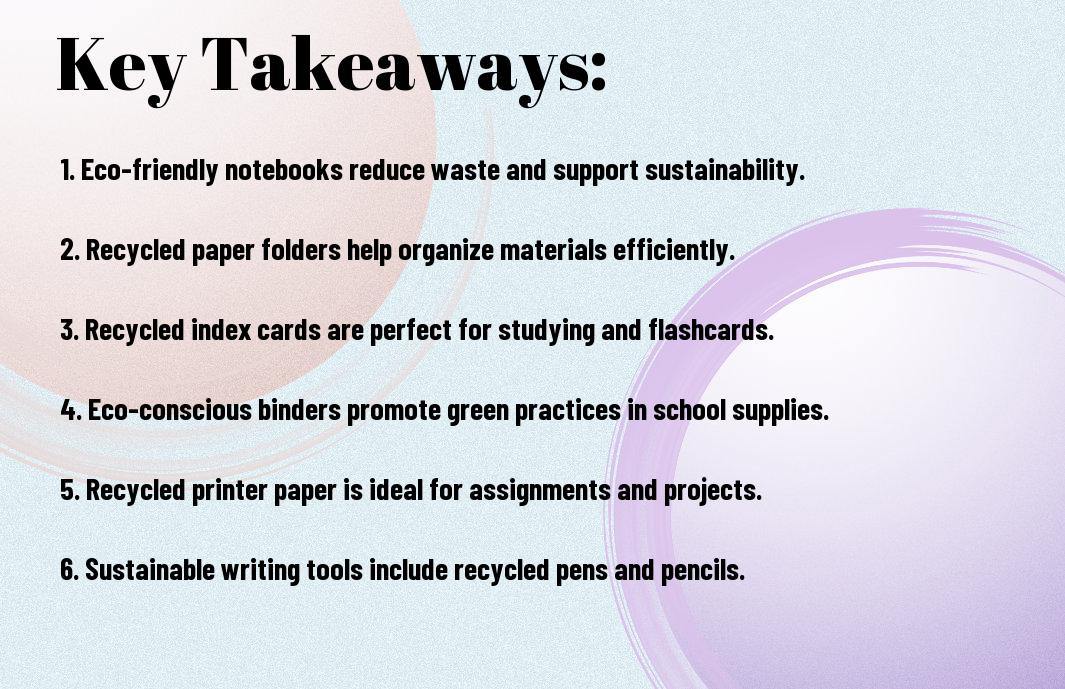
  • Students can choose notebooks and journals made from 100% post-consumer recycled paper, which reduces the demand for virgin wood pulp and helps to conserve natural resources.
  • Recycled paper products, such as folders, binders, and index cards, are not only sustainable but also durable and affordable, making them a great alternative to traditional products.
  • By selecting certified recycled paper products, students can support environmentally responsible manufacturing practices and promote a closed-loop recycling system, which helps to reduce waste and minimize carbon footprint.

Types of Recycled Paper Products

Your options for recycled paper products are diverse, including:

  • Notebooks
  • Journals
  • Printing papers
  • Stationery
  • Cardboards

This variety is broken down into the following table:

Product Description
Notebooks For everyday use
Journals For writing and reflection
Printing papers For printing documents
Stationery For correspondence
Cardboards For packaging

Notebooks and Journals

Renewable notebooks and journals are made from 100% recycled materials, offering you an eco-friendly way to take notes and express yourself.

Printed Materials and Stationery

Materially, recycled paper is used to produce various printed materials and stationery, such as letters, envelopes, and business cards, making your communication more sustainable.

Hence, you can opt for recycled printed materials and stationery for your daily needs, knowing you are contributing to a more environmentally friendly lifestyle, and you will find that these products are just as effective as their non-recycled counterparts.

Benefits of Using Recycled Paper

Clearly, using recycled paper products is a smart move for students like you. You can learn more about Choosing Eco-Friendly Paper Products – Let’s Go Green to reduce your environmental footprint.

Environmental Impact

Benefits to the planet are numerous when you opt for recycled paper. You help conserve natural resources, reduce waste, and minimize pollution.

Economic Benefits

About the cost, you might be surprised to learn that recycled paper can be just as affordable as traditional paper products.

Recycled paper products can help you save money in the long run, as they often come from sustainable sources and production processes, reducing your overall expenditure on paper goods, which is a smart choice for your wallet, and you can allocate those funds to other important items for your studies.

Top Picks for Students

Not all paper products are created equal, but you can make a difference with your choices. You’ll find a variety of recycled paper products that fit your needs, from notebooks to binders. Your options are plentiful, and your decision will impact the environment.

Recycled Paper Notebooks

Almost any student can appreciate a good notebook, and those made from recycled paper are a great choice. You can find them in various sizes and styles, making it easy to pick one that suits your needs. Your notes and ideas will be safely stored in a book that’s gentle on the planet.

Reusable Binders and Folders

Similar to students who prioritize organization, you can benefit from reusable binders and folders. You’ll keep your notes and handouts in order, and these products will withstand the wear and tear of daily use. Your schoolwork will be tidy, and you’ll be reducing waste.

Due to their durability, reusable binders and folders are a smart investment for you. You’ll use them throughout the semester, and they’ll likely last for years to come. Your papers will be protected, and you’ll be doing your part to reduce the demand for new, resource-intensive products. You’ll be making a difference with your simple, everyday choices.

Creative Uses for Recycled Paper

Many students are looking for innovative ways to reuse recycled paper, and you can find plenty of options. You can use it for notes, drafts, or even as a material for your projects. This approach will help you develop your creativity and reduce waste.

DIY Crafts and Projects

Above all, you’ll find that recycled paper can be used in various DIY crafts and projects. You can create unique items, such as paper mache, origami, or collages, that showcase your skills and imagination.

Art Supplies and Materials

Alongside other materials, you’ll discover that recycled paper can be a valuable addition to your art supplies. You can use it to create drawings, sketches, or paintings, adding texture and depth to your work.

Crafts using recycled paper can become an crucial part of your artistic expression. You can experiment with different techniques, such as layering, tearing, or folding, to create distinctive and intriguing pieces that reflect your personality and style.

Choosing the Right Product

Keep in mind that the right recycled paper product for you will depend on your specific needs as a student. You’ll want to consider what you’ll be using the product for, how often you’ll use it, and what features are must-haves for you.

Quality and Durability

Besides the eco-friendly aspect, you should also think about the quality and durability of the product. You want your recycled paper products to withstand regular use and last throughout the semester or academic year.

Price and Affordability

Behind every purchase is a budget, and as a student, you’re likely on a tight one. You’ll need to consider how much you’re willing to spend on recycled paper products and whether they fit within your financial means.

Right from the start, you should set a budget for your recycled paper products and look for options that meets your needs while being affordable. You can compare prices, look for discounts, or buy in bulk to get the best value for your money. This way, you can stay eco-friendly without breaking the bank.

Eco-Friendly Brands and Suppliers

After researching eco-friendly options, you’ll find various brands offering recycled paper products tailored to your needs as a student. These brands prioritize sustainability, ensuring their products are made from recycled materials and produced with minimal environmental impact.

Local and Small Businesses

Any student looking for unique, eco-friendly products can explore local and small businesses in your area, which often offer personalized and handmade items, supporting your community while reducing carbon footprint.

Online Retailers and Marketplaces

Businesses like Amazon and Etsy provide a wide range of eco-friendly paper products, making it easy for you to find what you need and have it delivered to your doorstep, reducing the need for in-person shopping and its associated emissions.

Another advantage of online retailers and marketplaces is the ability to read reviews from other customers, helping you make informed decisions about the products you purchase and ensuring you find the best fit for your needs as a student, all while supporting sustainable practices.

Summing up

As a reminder, you now know the best recycled paper products for your studies. You’ve seen the options, from notebooks to Printing papers. You can make a difference with your choices, using products that reduce waste and support sustainability. Your decision to use recycled paper products will simplify your study routine while helping the environment.

FAQ

Q: What are the benefits of using recycled paper products for students?

A: Using recycled paper products can help students contribute to a sustainable future by reducing waste, conserving natural resources, and decreasing the demand for virgin wood pulp. Recycled paper products are also often affordable and of high quality, making them an excellent choice for students who need to buy notebooks, journals, and other paper supplies for school.

Q: What types of recycled paper products are available for students?

A: There are many types of recycled paper products available for students, including notebooks, journals, binders, folders, and even recycled cardboard pencil cases. Many manufacturers also produce recycled paper products with fun and colorful designs, making them a great choice for students who want to add some personality to their school supplies.

Q: How can students choose the best recycled paper products for their needs?

A: To choose the best recycled paper products, students should consider factors such as the recycling percentage, the type of paper used, and the durability of the product. Look for products with a high post-consumer waste content and products that are made with sustainable forestry practices. Students should also consider their personal preferences, such as the size and style of the notebook or journal, to ensure they find a product that meets their needs.

Q: Are recycled paper products more expensive than traditional paper products?

A: While some recycled paper products may be slightly more expensive than traditional paper products, many are priced competitively and offer great value for the price. In addition, buying recycled paper products can help students save money in the long run by reducing waste and minimizing the need for frequent replacements. Many schools and universities also offer discounts or incentives for students who purchase recycled paper products.

Q: How can students make the most of recycled paper products and reduce their environmental impact?

A: To make the most of recycled paper products, students can adopt simple habits such as reusing old notebooks and journals, recycling their paper waste, and buying products in bulk. Students can also explore creative ways to repurpose old paper products, such as turning old notebooks into art journals or using recycled cardboard to create unique crafts. By being mindful of their paper usage and choosing recycled products, students can significantly reduce their environmental impact and contribute to a more sustainable future.

The Impact of Green Products on Office Efficiency

As you consider ways to boost your office’s productivity, you may be surprised by the significant role green products can play. Your workspace can greatly benefit from eco-friendly alternatives, leading to a more efficient and healthy environment. By incorporating green products into your daily operations, you can enhance your employees’ well-being and contribute to a sustainable future. You will discover how simple changes can have a lasting impact on your office’s overall performance and the planet.

Key Takeaways:

To improve office efficiency, consider the following points about green products:

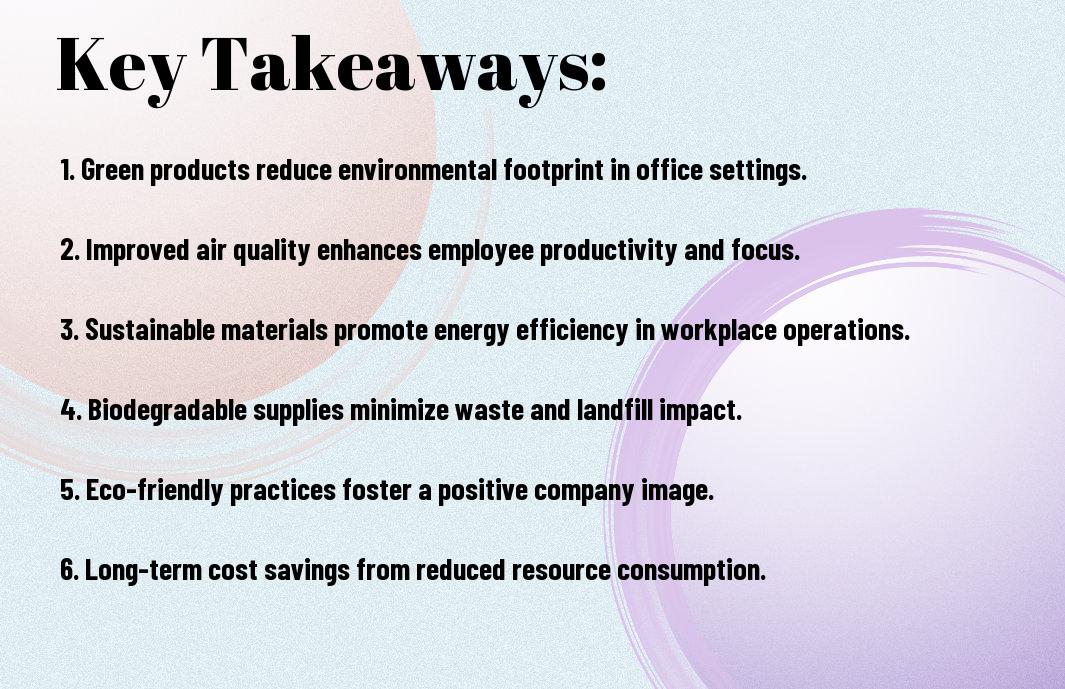
  • Using sustainable materials and energy-efficient devices can significantly reduce office expenses and minimize the environmental footprint of the organization.
  • Implementing recycling programs and utilizing eco-friendly office supplies can boost employee morale and productivity, as staff are more likely to be motivated in a healthy and sustainable work environment.
  • Investing in green technologies, such as LED lighting and air purification systems, can enhance the overall wellbeing of employees, leading to improved concentration and job satisfaction.

Benefits of Green Products

For offices looking to boost efficiency, green products are an excellent choice. They offer numerous advantages, from reducing your environmental footprint to saving you money. By incorporating green products into your office, you can create a healthier and more productive work environment.

Environmental Advantages

Prior to adopting green products, your office may have been generating significant amounts of waste and pollution. By switching to eco-friendly alternatives, you can significantly reduce your office’s impact on the environment, creating a more sustainable future for your business.

Economic Benefits

Economically, investing in green products can have a positive impact on your office’s bottom line. You can reduce your energy consumption, lower your utility bills, and even attract customers who prioritize environmental sustainability, ultimately increasing your revenue and enhancing your brand reputation.

And as you research deeper into the economic benefits of green products, you’ll find that the advantages extend beyond cost savings. By adopting green products, you can also improve your office’s image and increase employee morale, leading to increased productivity and job satisfaction, which can have a lasting impact on your business’s overall success and your ability to attract and retain top talent in the industry, benefiting you and your office in the long run.

Improving Office Efficiency

Now that you have introduced green products into your office, you can expect to see improvements in overall efficiency, leading to a more streamlined work environment and increased job satisfaction among employees.

Productivity Gains

Around the time you start using green products, you will notice a significant boost in productivity, as a healthier and more comfortable work environment fosters creativity and focus, allowing you to accomplish more in less time.

Waste Reduction

Any efforts you make to reduce waste will have a positive impact on your office efficiency, and by implementing green products, you will be minimizing the amount of non-biodegradable waste generated by your office.

Productivity in your office will significantly increase as you adopt waste reduction strategies, such as recycling and reusing materials, allowing you to allocate more time and resources to core business activities, and you will find that your office becomes a more sustainable and environmentally friendly space, reflecting your values and commitment to reducing your ecological footprint.

Green Product Options

Unlike traditional products, green alternatives can significantly enhance your office’s environmental footprint. You can explore various options, such as learning Why Businesses Are Switching to Eco-Friendly And Sustainable Office Products to make informed decisions.

Eco-Friendly Office Supplies

Around your office, you’ll find numerous opportunities to switch to eco-friendly supplies, such as recycled paper and biodegradable pens, which can greatly impact your office’s sustainability.

Sustainable Furniture

At the heart of your office, sustainable furniture can play a significant role in reducing waste and promoting a healthier environment, allowing you to create a space that benefits both your employees and the planet.

In addition, by choosing sustainable furniture, you’re not only reducing your carbon footprint, but also creating a comfortable and productive workspace that enhances your overall office efficiency, allowing you to focus on what matters most – your business’s success and the well-being of your employees.

Implementation Strategies

Not all offices are equipped to handle the switch to green products, but with a solid plan, you can make a seamless transition. You will need to assess your current practices and identify areas where green products can be implemented to improve office efficiency.

Employee Education

About the benefits of green products, your employees should be well-informed to make a significant impact on office efficiency. You can provide training sessions or workshops to educate them on the proper use and advantages of eco-friendly products.

Leadership Support

Against the backdrop of a typical office setup, you may face challenges in implementing green products, but with your leadership support, the transition can be smoother. You can lead by example and encourage your team to follow your footsteps in adopting environmentally friendly practices.

Understanding the role of leadership in promoting green products is vital for a successful implementation. You can start by setting clear goals and objectives for your office, such as reducing waste or conserving energy, and then provide your team with the necessary resources and support to achieve these goals, thereby increasing your office efficiency.

Overcoming Challenges

All offices face obstacles when implementing green products, but with careful planning, you can overcome them and increase your office efficiency. By analyzing your current practices and setting realistic goals, you can create a smoother transition to eco-friendly alternatives.

Initial Investment Costs

The higher upfront costs of green products can be daunting, but you will find that the long-term benefits and savings make them a worthwhile investment for your office.

Behavioral Changes

Behaviorally, your staff may be hesitant to adapt to new practices, but with proper training and education, you can encourage them to embrace the changes and contribute to a more sustainable work environment.

Hence, as you implement behavioral changes, you will notice a significant shift in your office culture, with your staff becoming more mindful of their actions and their impact on the environment, leading to a more efficient and sustainable workplace that benefits both your business and the planet, and you will be able to measure the positive effects on your office efficiency.

Measuring Success

Once again, you will need to evaluate the effects of green products on your office efficiency, and this involves tracking various metrics to determine their impact.

Key Performance Indicators

Accompanying your implementation of green products, you will identify specific metrics, such as energy consumption and waste reduction, to assess their effectiveness in enhancing your office efficiency.

Feedback Mechanisms

Indicative of a well-planned strategy, you will establish channels for your employees to provide insights on the green products, allowing you to gauge their satisfaction and identify areas for improvement.

Further, by engaging with your employees and encouraging their input, you can create a culture of sustainability and continuous improvement, where your team feels invested in the success of your green initiatives, and you can make informed decisions to optimize your office efficiency and minimize your environmental footprint.

Final Words

Following this exploration of green products, you can enhance your office efficiency by incorporating environmentally friendly solutions. By choosing sustainable options, you will not only contribute to a healthier planet, but also improve your workspace. Your decision to go green can have a significant impact on your productivity and overall well-being, making your office a better place to work.

FAQ

Q: What are green products and how can they improve office efficiency?

A: Green products are environmentally friendly items that can help reduce waste, conserve resources, and promote sustainability. In an office setting, green products such as energy-efficient lighting, recycled paper, and eco-friendly cleaning supplies can help improve efficiency by reducing energy consumption, minimizing waste, and creating a healthier work environment. By incorporating green products into daily operations, offices can reduce their environmental footprint while also improving employee productivity and overall performance.

Q: How can switching to green products affect the overall cost of running an office?

A: While some green products may have a higher upfront cost, many can help reduce long-term expenses. For example, energy-efficient lighting and appliances can significantly lower utility bills, while eco-friendly cleaning supplies can reduce the need for frequent replacements and maintenance. Additionally, many green products are designed to be durable and long-lasting, which can reduce waste and minimize the need for frequent purchases. By investing in green products, offices can potentially reduce their overall costs and improve their bottom line.

Q: What role do green products play in improving indoor air quality and employee health?

A: Green products can play a significant role in improving indoor air quality and employee health. Traditional office products and materials can release harmful chemicals and pollutants into the air, contributing to poor indoor air quality and negative health effects. In contrast, green products such as air-purifying plants, natural cleaning supplies, and low-VOC (volatile organic compound) materials can help remove pollutants and promote healthier indoor air. By incorporating green products into the office environment, employers can help reduce the risk of respiratory problems, improve employee well-being, and boost productivity.

Q: Can green products help reduce office waste and promote sustainability?

A: Yes, green products can help significantly reduce office waste and promote sustainability. Products such as recycled paper, reusable water bottles, and compostable coffee cups can help minimize the amount of waste sent to landfills. Additionally, green products such as refillable ink cartridges, reusable staplers, and energy-efficient printers can help reduce electronic waste and lower the office’s carbon footprint. By adopting green products and practices, offices can reduce their environmental impact, conserve natural resources, and promote a culture of sustainability.

Q: How can offices get started with incorporating green products and promoting a more sustainable work environment?

A: Offices can get started by conducting a thorough assessment of their current products and practices to identify areas for improvement. This can involve conducting a waste audit, evaluating energy usage, and researching green product alternatives. Next, offices can develop a plan to incorporate green products and practices into daily operations, such as switching to energy-efficient lighting, implementing a recycling program, or encouraging employees to use public transportation or carpool. By taking small steps towards sustainability and continuously evaluating and improving their practices, offices can create a more environmentally friendly and efficient work environment that benefits both employees and the planet.

Why Every School Needs Green Supplies

As you consider the environmental impact of your school, you may wonder how to reduce your ecological footprint. You can start by incorporating green supplies into your daily operations. By making this simple switch, you will not only be contributing to a healthier planet, but also teaching your students valuable lessons about sustainability. Your school can benefit from the numerous advantages of green supplies, and you can take the first step towards creating a more environmentally-friendly learning environment.

Key Takeaways:

To promote a healthier and more sustainable learning environment, it’s necessary to consider the impact of school supplies on the planet. Here are the main points to consider:

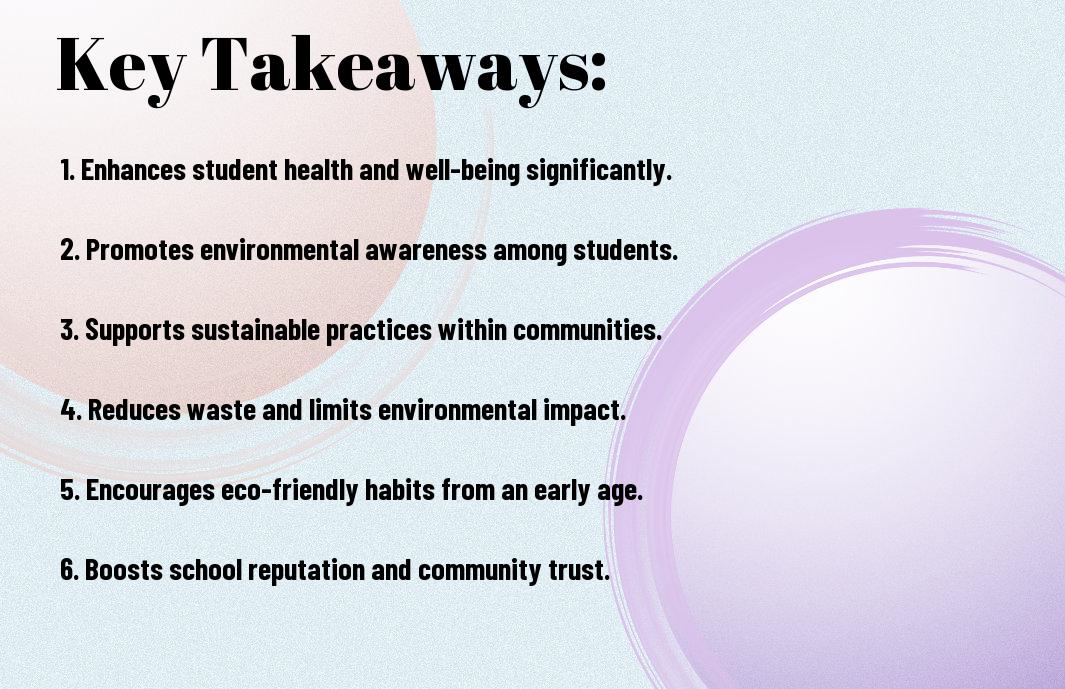
  • Every school can benefit from using eco-friendly supplies, such as pencils made from recycled materials, to reduce waste and minimize their carbon footprint.
  • Implementing green practices, like using reusable bags and biodegradable products, can help schools save money in the long run and set a positive example for students.
  • By choosing environmentally responsible supplies, schools can contribute to a healthier environment, reduce exposure to toxic chemicals, and promote a culture of sustainability among students and staff.

Benefits of Green Supplies

Your school can greatly benefit from switching to green supplies, as they offer a cleaner and healthier environment for students and staff, while also promoting sustainability.

Environmental Impact

Benefits to the environment are numerous, as green supplies reduce waste, conserve natural resources, and minimize your school’s carbon footprint, allowing you to contribute to a more sustainable future.

Health Benefits

Above all, green supplies can greatly improve the health and wellbeing of your students and staff, as they reduce exposure to toxic chemicals and pollutants, creating a safer learning environment for you.

This improvement in health can have a significant impact on your students’ ability to focus and learn, as a healthier environment can lead to better attendance, improved concentration, and enhanced overall performance, allowing you to see tangible results from making the switch to green supplies.

Cost-Effective Options

You can reduce your environmental impact without breaking the bank by choosing green supplies for your school. Many eco-friendly options are available at competitive prices, making them a viable choice for budget-conscious institutions.

Affordable Alternatives

Around this time, you may be considering switching to eco-friendly alternatives, such as recycled paper and refillable pens, which can be just as effective as traditional supplies at a lower cost.

Long-Term Savings

Options like energy-efficient lighting and solar panels may require an initial investment, but they can lead to significant long-term savings on your school’s utility bills, allowing you to allocate your resources more efficiently.

It is imperative to consider the long-term benefits of green supplies, as they can lead to significant cost savings over time, allowing you to invest in other areas of your school, such as education and extracurricular activities, ultimately benefiting your students and community.

Innovative Solutions

After adopting green supplies, you will notice a significant reduction in your school’s environmental footprint. You can explore various options, such as reusable bags, refillable water bottles, and energy-efficient equipment, to create a sustainable learning environment.

Eco-Friendly Products

Upon considering your school’s supply needs, you can opt for eco-friendly products made from recycled materials, biodegradable plastics, or sustainable wood, which reduce waste and promote a healthier environment.

Sustainable Practices

Toward achieving a greener school, you can implement sustainable practices, such as recycling programs, composting, and energy conservation, to minimize your school’s impact on the environment and promote a culture of sustainability among students and staff.

Products that support sustainable practices, such as solar-powered chargers and energy-efficient lighting, can help you reduce your school’s carbon footprint and create a healthier learning environment, allowing you to make informed decisions about your school’s supplies and practices.

Implementation Strategies

Keep in mind that introducing green supplies to your school requires a well-planned approach. You can start by conducting an audit of your current supplies and identifying areas where eco-friendly alternatives can be implemented.

Teacher Involvement

Across the board, teacher support is crucial for a successful transition to green supplies. You will need to educate your teachers on the benefits and proper use of eco-friendly supplies to ensure a smooth integration into your school’s daily operations.

Student Participation

Involving students in the process of adopting green supplies is key to creating a sustainable school culture. You can encourage your students to participate in recycling programs, suggest eco-friendly supply options, and take ownership of reducing waste in your school.

In fact, by empowering your students to take an active role in promoting sustainability, you can foster a sense of responsibility and environmental awareness that extends beyond the classroom, ultimately benefiting your entire community.

Green Supply Examples

For a school to reduce its environmental footprint, you can consider using eco-friendly supplies. Examples of green supplies include recycled materials, biodegradable products, and sustainable equipment.

Recycled Materials

Oddly, you may not be aware that many schools are now using recycled materials for various purposes, such as notebooks made from recycled paper and pens made from recycled plastic.

Biodegradable Products

Obviously, one of the easiest ways to reduce waste is to use biodegradable products, such as compostable bags and bioplastics, which can easily decompose and do not harm the environment.

Consequently, when you choose biodegradable products, you are not only reducing your school’s waste but also teaching your students about the importance of sustainability and environmental conservation, which can have a lasting impact on their behavior and attitude towards the environment.

Challenges and Opportunities

Despite the benefits of green supplies, you may face obstacles when implementing them in your school. You will need to weigh the costs and benefits, considering your school’s budget and resources.

Overcoming Barriers

Beyond the initial investment, you can find ways to make green supplies a sustainable choice for your school. You will need to assess your school’s specific needs and find solutions that work for you.

Collaborative Efforts

About the importance of teamwork, you should consider involving your community in the process of adopting green supplies. You can work with teachers, students, and parents to make eco-friendly choices.

Overcoming the challenges of implementing green supplies requires a collective effort. You can start by conducting a thorough assessment of your school’s current practices and identifying areas where you can make a positive impact. By working together, you can develop a plan to incorporate green supplies into your school’s daily operations, reducing waste and promoting sustainability. As you make progress, you can share your successes and learn from others, ultimately creating a more environmentally friendly learning environment for your students.

Final Words

Now, as you consider the benefits of eco-friendly products, you can see that your school’s transition to green supplies is a step in the right direction. You will not only reduce your environmental footprint, but also promote a healthier learning environment for your students. By making this switch, you are investing in your community’s well-being and setting a positive example for your students to follow. Your decision will have a lasting impact on the future of your school and the planet.

FAQ

Q: What are green supplies and why are they important for schools?

A: Green supplies refer to products and materials that are eco-friendly, non-toxic, and sustainable. They are important for schools because they help reduce the institution’s environmental footprint, promote a healthy learning environment, and teach students the value of sustainability and conservation. By incorporating green supplies into daily operations, schools can significantly minimize their impact on the environment and create a better future for generations to come.

Q: How can green supplies contribute to a healthier learning environment?

A: Traditional school supplies often contain harmful chemicals and toxins that can negatively impact the health and well-being of students and staff. Green supplies, on the other hand, are made from natural materials and are free from toxic substances, reducing the risk of respiratory problems, allergies, and other health issues. By using green supplies, schools can create a healthier and safer environment that promotes the overall well-being of their students and staff.

Q: What types of green supplies can schools use to reduce their environmental impact?

A: There are numerous types of green supplies that schools can use to reduce their environmental impact. These include recycled paper products, such as notebooks and pencils made from recycled materials, refillable water bottles, energy-efficient lighting and equipment, non-toxic cleaning products, and reusable bags and containers. Additionally, schools can also consider using digital tools and resources to reduce paper waste and minimize their carbon footprint.

Q: Can green supplies help schools save money in the long run?

A: Yes, green supplies can help schools save money in the long run. Although some green supplies may be more expensive than their traditional counterparts, they are often more durable and long-lasting, reducing the need for frequent replacements. Additionally, green supplies can help schools reduce their energy consumption and waste management costs, leading to significant savings over time. By investing in green supplies, schools can reduce their operational costs and allocate more resources to support student learning and academic programs.

Q: How can schools encourage students and staff to adopt green habits and practices?

A: Schools can encourage students and staff to adopt green habits and practices by incorporating environmental education into their curriculum, launching recycling programs and awareness campaigns, and providing incentives for sustainable behaviors. Schools can also involve students in the decision-making process of selecting green supplies and implementing sustainable practices, empowering them to take ownership of their environmental impact. By fostering a culture of sustainability, schools can inspire students and staff to make eco-friendly choices and develop lifelong habits that benefit the environment and their communities.

Skip to content