How to Choose Sustainable Office Furniture

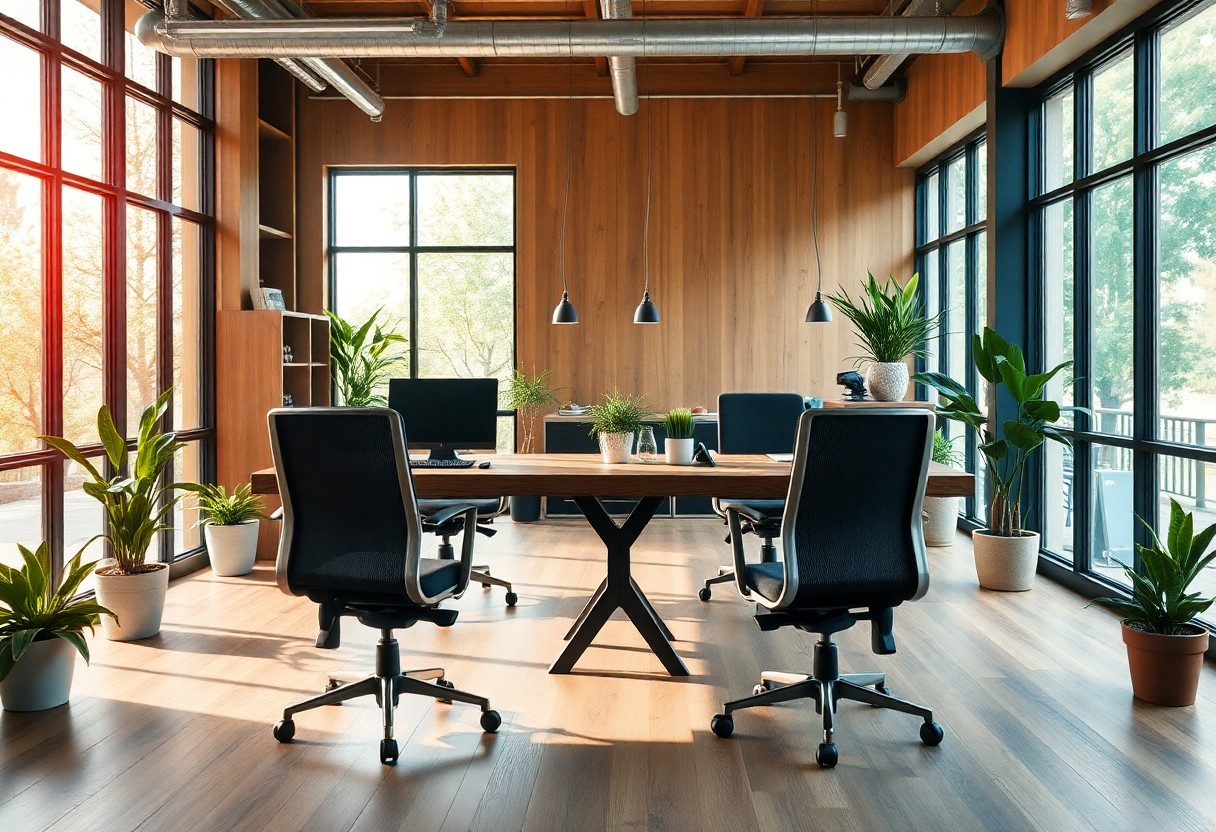
You’re considering renovating your office, and your choice of furniture will have a significant impact on the environment. As you weigh your options, you’ll want to prioritize sustainability to minimize your ecological footprint. Your decision will not only affect the planet, but also contribute to a healthier workspace. You’ll need to evaluate materials, production processes, and durability to make an informed choice that aligns with your values and supports a more environmentally conscious workplace.
Key Takeaways:

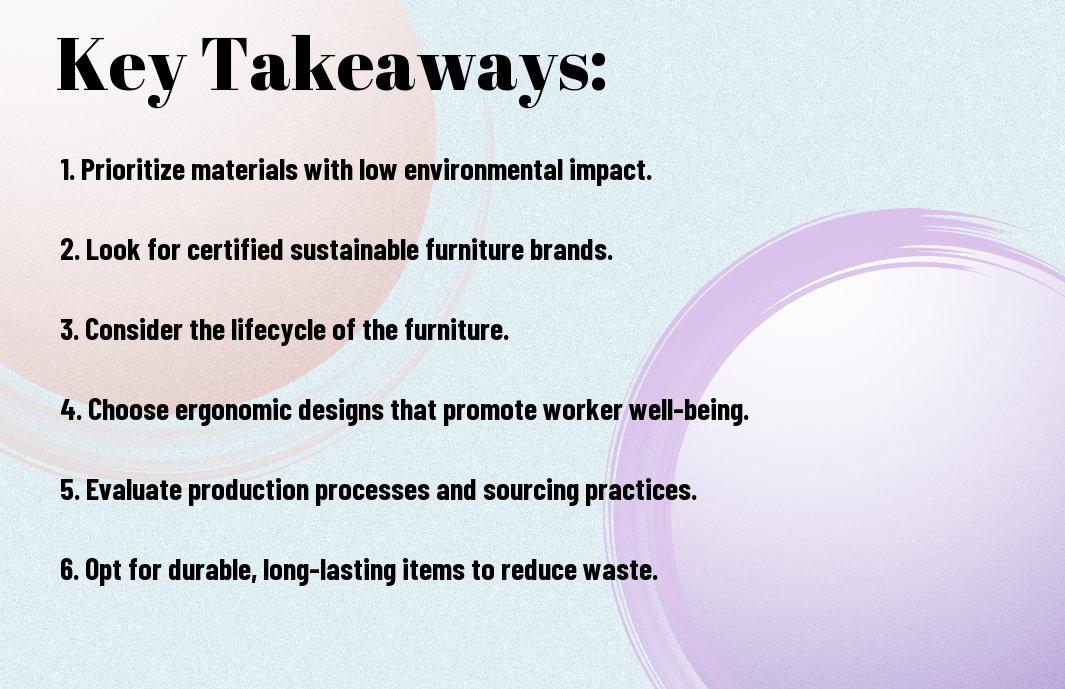
To select sustainable office furniture, consider the following points:

  • Look for furniture made from recycled materials or reclaimed wood to reduce waste and support eco-friendly practices.
  • Choose furniture with energy-efficient designs, such as chairs with adjustable ergonomics to promote comfort and reduce the need for frequent replacements.
  • Consider the lifespan of the furniture and opt for pieces with durable construction and easy maintenance to minimize waste and support a circular economy.
Defining Sustainable Office Furniture

A key aspect of creating an environmentally friendly workspace is selecting furniture that aligns with your values. You want your office furniture to be made from materials that do not harm the environment and are designed to last, reducing waste and the need for frequent replacements.

Importance of Eco-Friendly Materials

To determine the sustainability of your office furniture, you need to consider the materials used in its construction. You should opt for materials that are recycled, recyclable, or sustainably sourced, as these have a lower environmental impact.

Certifications and Labels to Look For

Certifications such as FSC and Greenguard can help you identify sustainable office furniture. You can look for these labels when shopping for furniture to ensure that your choices align with your environmental goals.

The certifications and labels you find on sustainable office furniture are not just marketing tools, but rather a guarantee that the product has met certain standards. You can use these labels to make informed decisions about your purchases, and be confident that you are buying furniture that is better for the environment. As you shop for your office furniture, you should prioritize products with these certifications to create a workspace that is both functional and sustainable.

Assessing Your Office Needs

Some offices have specific requirements that need to be met when choosing sustainable furniture. You should consider the overall aesthetic and functionality you want to achieve in your workspace.

Workspace Requirements and Budget

Office layouts and dimensions play a significant role in determining the type of furniture you can accommodate, and your budget will also influence your decision.

Employee Comfort and Productivity

Around the office, you’ll notice that employee comfort and productivity are closely linked to the furniture they use, and you should prioritize their needs when making your selection.

Another aspect to consider is the long-term benefits of investing in ergonomic furniture, which can lead to increased job satisfaction and reduced absenteeism, ultimately benefiting your business and contributing to a more sustainable work environment.

Furniture Options and Alternatives

After considering your office needs, you can explore various sustainable furniture options, from eco-friendly materials to refurbished pieces, to create a workspace that aligns with your values.

Repurposed and Refurbished Furniture

Furniture remnants can be transformed into unique and functional pieces, allowing you to reduce waste and give old items a new life, making your office furniture selection more sustainable.

Innovative Materials and Designs

Behind the scenes, manufacturers are developing innovative materials and designs that prioritize sustainability, enabling you to choose furniture that not only reduces environmental impact but also enhances your workspace aesthetic.

Even as you explore deeper into innovative materials and designs, you will find that your options expand to include furniture made from recycled plastic, bamboo, and other sustainable resources, allowing you to create a truly eco-friendly office environment that reflects your commitment to reducing your environmental footprint.

Evaluating the Environmental Impact

To make informed decisions, you need to assess the environmental effects of your choices. Consider the materials, production processes, and disposal methods of the furniture you select.

Carbon Footprint and Energy Efficiency

Evaluating the carbon footprint of your office furniture is important. You should look for products with low energy consumption and sustainable materials to minimize your impact on the environment.

Waste Reduction and Recycling

Beside the energy efficiency, you should also consider waste reduction and recycling options. You can choose furniture made from recycled materials or designed for easy recycling.

Another aspect of waste reduction is the durability of the furniture. You can opt for high-quality, long-lasting pieces that will not need to be replaced often, reducing the amount of waste generated by your office. By doing so, you will contribute to a more sustainable environment and reduce your ecological footprint.

Creating a Sustainable Office Space

All aspects of your office space contribute to its sustainability. You’ll want to consider the environmental impact of your furniture, layout, and systems. By making informed choices, you can reduce your office’s carbon footprint and create a healthier workspace.

Layout and Design Considerations

One key factor in designing a sustainable office is the layout. You should arrange your space to maximize natural light and minimize waste. Consider the flow of traffic and the placement of furniture to create an efficient and comfortable workspace.

Lighting and Ventilation Systems

Creating a sustainable office space also involves installing efficient lighting and ventilation systems. You can invest in LED bulbs and solar-powered systems to reduce energy consumption. Proper ventilation is also important for maintaining good air quality and reducing the need for air conditioning.

In fact, a well-designed lighting and ventilation system can significantly reduce your energy costs and improve the overall health and productivity of your employees. You can consider installing occupancy sensors, which automatically turn off lights when a room is unoccupied, and use natural ventilation techniques, such as opening windows, to reduce the need for mechanical systems.

Implementation and Maintenance

Not only is choosing sustainable office furniture important, but implementing and maintaining it is also vital to reducing your environmental impact. You must consider the entire lifecycle of your furniture to ensure sustainability.

Procurement and Installation Process

Besides the initial selection, you should also consider the procurement and installation process, ensuring that your sustainable furniture is delivered and set up in a way that minimizes waste and carbon emissions, allowing you to make a positive impact on the environment.

Ongoing Care and Upkeep

By adopting a proactive approach to maintenance, you can extend the life of your sustainable furniture, reducing the need for frequent replacements and the waste that comes with it, which will help you to achieve your sustainability goals.

In addition, to properly care for your sustainable office furniture, you should establish a regular cleaning schedule, address any repairs promptly, and consider repurposing or repainting items when possible, which will help you get the most out of your investment and support your commitment to sustainability.

Final Words

Following this guide, you can make informed decisions when selecting sustainable office furniture. You will be able to evaluate your needs, consider eco-friendly materials, and choose pieces that promote a healthy work environment. By doing so, you will not only reduce your environmental impact but also create a space that benefits your well-being and productivity. Your thoughtful choices will contribute to a more sustainable future, and you can take pride in your role in protecting the planet.

FAQ

Q: What are the key factors to consider when choosing sustainable office furniture?

A: When dicking out sustainable office furniture, consider the materials used, such as recycled or sustainably sourced wood, and the production process. Look for certifications like FSC (Forest Stewardship Council) or Greenguard Gold, which ensure the furniture meets certain environmental standards. Additionally, think about the durability and longevity of the piece, as well as its ability to be recycled or repurposed at the end of its life cycle.

Q: How can I determine the environmental impact of a piece of office furniture?

A: To assess the environmental impact of office furniture, examine the materials, manufacturing process, and transportation methods used. Check if the manufacturer provides information on the carbon footprint, waste reduction, and energy efficiency of their products. You can also look for environmental product declarations (EPDs) or life cycle assessments (LCAs) that provide a comprehensive overview of the furniture’s environmental effects.

Q: What are some eco-friendly materials used in sustainable office furniture?

A: Sustainable office furniture often incorporates eco-friendly materials such as reclaimed or recycled wood, bamboo, and low-VOC (volatile organic compound) finishes. Some manufacturers also use innovative materials like recycled plastic, bioplastics, or plant-based composites. Furthermore, consider furniture with natural textiles, such as organic cotton or hemp, and avoid products with chemicals like formaldehyde, flame retardants, or stain-resistant treatments.

Q: Can sustainable office furniture be budget-friendly?

A: While sustainable office furniture may have a higher upfront cost, it can be a cost-effective option in the long run. Durable, well-made furniture can last longer, reducing the need for frequent replacements and waste. Additionally, energy-efficient furniture with features like LED lighting or ergonomic design can lead to increased productivity and reduced energy consumption, resulting in cost savings over time. Consider the total cost of ownership, including maintenance, repair, and end-of-life disposal, to make an informed decision.

Q: How can I ensure that my sustainable office furniture is also functional and comfortable for employees?

A: To balance sustainability with functionality and comfort, involve your employees in the decision-making process and conduct a needs assessment to determine the required features and specifications. Choose furniture that promotes ergonomics, flexibility, and well-being, such as adjustable desks, comfortable seating, and adequate lighting. Consider the acoustic and visual comfort of the space, and select furniture that aligns with your company’s culture and brand identity. By prioritizing both sustainability and user experience, you can create a workspace that supports the health, happiness, and productivity of your employees.

The Best Green Products for Teachers

As you prepare your classroom for another year of enlightening young minds, you may find yourself pondering the most efficacious ways to reduce your ecological footprint. Your desire to create a sustainable learning environment is truly commendable, and fortunately, there exist a plethora of ingenious green products tailored specifically to your needs. You will soon discover a vast array of innovative solutions to simplify your transition to a more environmentally conscious teaching practice, and this guide will serve as your trusted companion in navigating the vast market of eco-friendly teaching importants.

Key Takeaways:

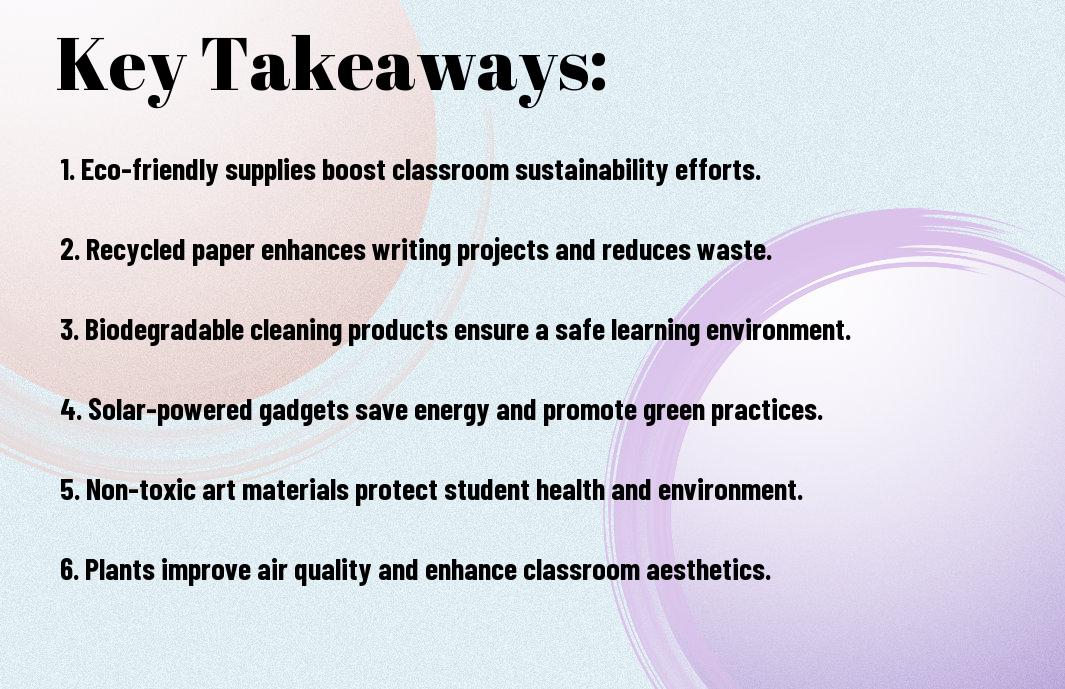
To create an eco-friendly classroom, consider the following products that support sustainability and environmental awareness:

  • Invest in reusable bags and containers to reduce waste and promote conservation in the classroom.
  • Use natural and non-toxic cleaning products to maintain a healthy learning environment and minimize pollution.
  • Implement energy-efficient lighting and electronics, such as LED bulbs and power strips, to reduce energy consumption and support green initiatives.

Eco-Friendly Classroom Essentials

A well-organized classroom is a haven for learning, and you can create one with eco-friendly vitals. For inspiration, you may consult Our Guide to the Best Green Products for Schools to find the perfect items for your teaching needs.

Sustainable School Supplies

Before you proceed with purchasing school supplies, consider the environmental impact of your choices, and opt for materials that are sustainable and gentle on the planet, allowing you to create a healthier learning environment for your students.

Reusable Teaching Materials

Against the backdrop of a growing awareness of environmental issues, you are likely to find that reusable teaching materials are an excellent choice for your classroom, offering a practical and earth-friendly alternative to traditional supplies.

Sustainable practices in the classroom begin with the materials you use, and reusable teaching materials are an excellent place to start, as they can be used multiple times, reducing waste and minimizing your environmental footprint, thereby allowing you to contribute to a more eco-friendly future for your students.

Green Teaching Resources

One of the most effective ways to instill environmental awareness in your students is by utilizing green teaching resources. You can find a plethora of materials that cater to various subjects and age groups, making it easier for you to incorporate eco-friendly lessons into your curriculum.

Digital Tools for Environmental Education

Greener methods of teaching are becoming increasingly popular, and you can take advantage of them to enhance your students’ learning experience. You will find numerous digital tools that provide interactive and engaging ways to teach environmental education, making it a delightful experience for your students.

Online Platforms for Sustainable Lessons

Around the globe, educators are turning to online platforms to access sustainable lessons and resources. You can explore these platforms to discover new and innovative ways to teach your students about the importance of sustainability and environmental conservation.

Tools like these online platforms offer you a wide range of lesson plans, activities, and resources that you can tailor to suit your teaching style and your students’ needs. You can use them to create a comprehensive and engaging curriculum that promotes sustainable living and environmental awareness, and you will likely find that your students respond positively to this approach.

Healthy Classroom Environment

Keep your classroom a haven of wellness by incorporating green products that promote a healthy learning space. You will be delighted to find a plethora of options available to create an environment conducive to your students’ growth and development.

Air-Purifying Plants for the Classroom

Among the numerous ways to maintain a healthy classroom, introducing air-purifying plants is an excellent choice. You can select from a variety of plants, such as spider plants or peace lilies, to purify the air and beautify your classroom.

Non-Toxic Cleaning Products for Schools

Before making a decision on cleaning products, you should consider the impact of harsh chemicals on your students’ health. You will find that non-toxic cleaning products are an ideal alternative, providing a safe and healthy environment for your pupils.

Plus, opting for non-toxic cleaning products will not only benefit your students but also contribute to a more sustainable future. You can explore a range of eco-friendly cleaning solutions, from plant-based disinfectants to biodegradable wipes, to ensure your classroom remains clean and hygienic without compromising on health or the environment.

Innovative Green Products

Not only do you wish to reduce your carbon footprint, but you also desire to inspire your students to do the same. In innovative green products, you will discover a myriad of sustainable solutions to enhance your teaching experience.

Solar-Powered Educational Tools

Beneath conventional teaching aids, you will find solar-powered educational tools that are redefining the way you engage with your students. These innovative devices are not only eco-friendly but also foster a deeper understanding of renewable energy.

Eco-Friendly Teacher Bags and Accessories

Utilizing eco-friendly teacher bags and accessories, you can make a stylish statement while promoting sustainability. You will find an array of options, from reusable bags to bamboo pens, that cater to your unique needs and preferences.

With your eco-friendly teacher bags and accessories, you can confidently begin on a journey towards a more sustainable teaching practice. You will appreciate the durability and versatility of these products, which are designed to withstand the demands of your busy teaching schedule, while also reducing your environmental impact. As you explore the world of eco-friendly teacher bags and accessories, you will discover a plethora of opportunities to enhance your teaching experience and inspire your students to adopt a more sustainable lifestyle.

Budget-Friendly Options

Unlike some of your colleagues, you may not have a lavish budget to indulge in extravagant green products. Fear not, dear teacher, for there are numerous affordable alternatives that can help you reduce your environmental footprint without breaking the bank.

Affordable Green Products for Teachers

Green initiatives can be quite accessible, and you can find a variety of eco-friendly products at reasonable prices, allowing you to make a positive impact on the environment while staying within your means.

DIY Sustainable Classroom Decor

Around your classroom, you can create a haven of sustainability by repurposing old items, which not only reduces waste but also fosters creativity and inspires your students to think outside the box.

Classroom decor can be a delightful reflection of your personality, and by opting for DIY sustainable projects, you are setting a marvelous example for your pupils, demonstrating that even the simplest actions can have a profound impact on the environment, and encouraging them to take an active role in protecting their planet, which is, after all, their legacy.

Teacher Wellness and Self-Care

Many educators prioritize their students’ well-being, often neglecting their own. You deserve attention to your mental and physical health, and incorporating green products into your routine can be a delightful way to do so.

Eco-Friendly Stress Relief Tools

Beneath the demands of teaching, you may find solace in eco-friendly stress relief tools, such as important oil diffusers or bamboo planners, which can help you unwind and stay organized in a sustainable manner.

Sustainable Self-Care Practices for Educators

After a long day of teaching, you can indulge in sustainable self-care practices, like meditation or yoga, to rejuvenate your mind and body, and you will find that your green lifestyle choices are a perfect complement to these activities.

Plus, as you investigate deeper into sustainable self-care practices, you will discover that they not only benefit your own well-being but also set a wonderful example for your students, encouraging them to adopt environmentally conscious habits that will serve them well throughout their lives, and you will take pride in knowing that your choices are contributing to a larger positive impact.

To wrap up

Hence, as you consider introducing eco-friendly items into your daily teaching routine, you will find that the best green products suit your discerning tastes and educational needs. You can now make informed choices, selecting products that not only benefit your students but also the environment, thereby enhancing your overall teaching experience and contributing to a more sustainable future, tailored to your unique style and your classroom’s requirements.

FAQ

Q: What are the benefits of using green products in the classroom?

A: Using green products in the classroom can have a significant impact on both the environment and the health of students and teachers. Eco-friendly products can help reduce exposure to toxic chemicals, minimize waste, and promote a sustainable lifestyle. By incorporating green products into the classroom, teachers can create a healthier and more sustainable learning environment that benefits everyone. Some popular green products for teachers include reusable water bottles, bamboo pens, and recycled paper products.

Q: What are some of the best green products for teachers to use in the classroom?

A: Some of the best green products for teachers to use in the classroom include energy-efficient lighting, such as LED bulbs, and eco-friendly cleaning products that are free from harsh chemicals. Additionally, teachers can use reusable storage containers, recycled notebooks, and refillable whiteboard markers to reduce waste and minimize their environmental footprint. Other great options include solar-powered chargers, vegetable-based inks, and biodegradable trash bags.

Q: How can teachers encourage students to use green products and develop sustainable habits?

A: Teachers can encourage students to use green products and develop sustainable habits by leading by example and incorporating environmental education into their lesson plans. This can include teaching students about the importance of recycling, conserving energy, and reducing waste. Teachers can also involve students in eco-friendly activities, such as planting a classroom garden or participating in a school-wide recycling program. By making sustainability a part of the curriculum, teachers can help students develop healthy habits that will last a lifetime.

Q: Are green products more expensive than traditional products, and are they worth the extra cost?

A: While some green products may be more expensive than their traditional counterparts, many eco-friendly options are affordable and can even save teachers money in the long run. For example, reusable water bottles and coffee cups can eliminate the need for disposable products, and energy-efficient lighting can reduce energy costs. Additionally, many schools and organizations offer discounts and incentives for teachers who purchase green products, making them more accessible and affordable.

Q: Where can teachers find and purchase green products for the classroom?

A: There are many online retailers and stores that specialize in green products for the classroom, such as Amazon, Staples, and Office Depot. Teachers can also find eco-friendly products at local health food stores, specialty shops, and school supply stores. Many companies also offer bulk discounts and wholesale prices for teachers and schools, making it easy to stock up on green products. Additionally, some schools and districts have their own environmental programs and purchasing initiatives that provide teachers with access to green products and sustainable resources.

How Green Products Improve Learning Environments

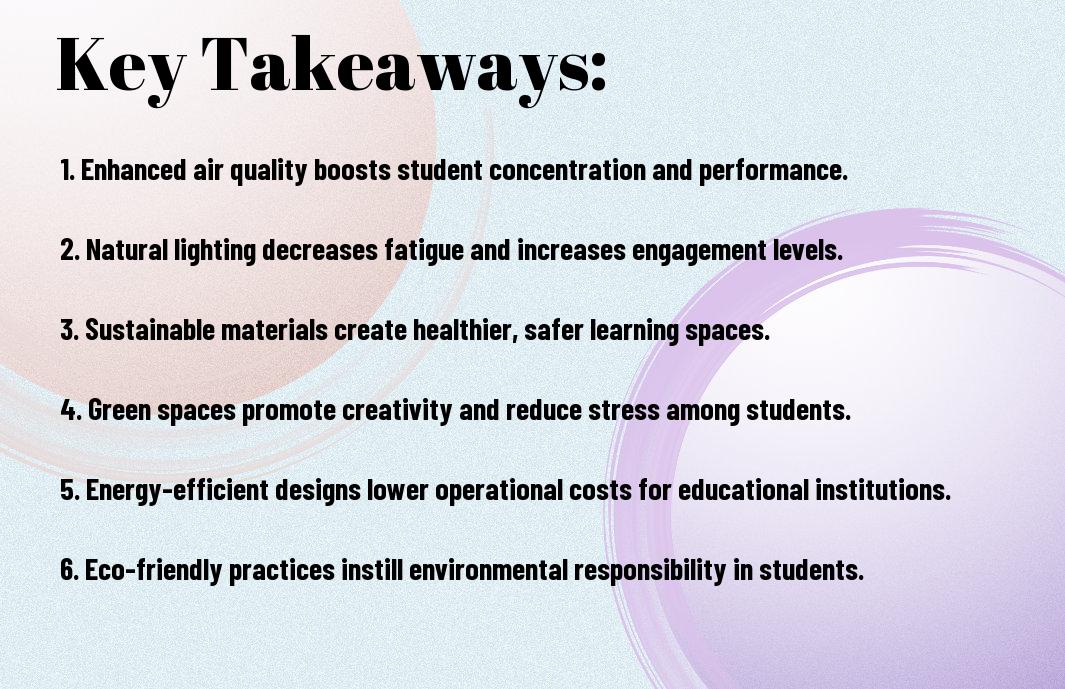
As you consider ways to enhance your learning space, you may be surprised by the impact of green products on the educational experience. You can create a healthier and more productive environment by incorporating eco-friendly materials and products into your classroom or study area. By doing so, you will not only be supporting sustainability, but also improving the overall well-being and focus of your students, which can lead to better learning outcomes and a more positive experience for everyone involved.

Key Takeaways:

To enhance learning environments, incorporating green products can have a significant impact. Here are a few key points to consider:

  • Using sustainable materials in educational settings can improve air quality, which in turn enhances student health and productivity.
  • Energy-efficient solutions, such as LED lighting and solar panels, can reduce energy consumption and lower operational costs, allowing for more resources to be allocated towards educational programs and student development.
  • Implementing eco-friendly products and practices can foster a sense of community and environmental awareness among students, encouraging them to adopt sustainable lifestyles and develop a deeper appreciation for the natural world.

Benefits of Green Products

The incorporation of green products in learning environments can have a significant impact on your students’ well-being and academic performance. By choosing eco-friendly options, you can create a healthier and more sustainable space for your students to learn and grow.

Improved Air Quality

Products like air purifiers and natural cleaning supplies can greatly improve the air quality in your classroom, reducing the presence of toxins and pollutants that can hinder your students’ ability to focus and learn.

Enhanced Student Health

Above all, using green products can help prevent the spread of illnesses and allergies, creating a healthier environment for your students to thrive in. You can expect to see a decrease in absenteeism and an increase in overall student well-being.

With the implementation of green products, you can also expect to see a reduction in respiratory problems and other health issues that can be exacerbated by poor air quality. Your students will be able to breathe easier, focus better, and perform at their best, thanks to the healthier environment you’ve created for them.

Sustainable Learning Environments

Assuming you want to create an optimal learning space, incorporating green products is a great way to start. You can improve the overall ambiance and productivity of your learning environment by adopting sustainable practices and products.

Energy-Efficient Solutions

For instance, you can invest in energy-efficient lighting and heating systems to reduce your carbon footprint. You will not only contribute to a healthier planet, but also save on your energy bills.

Eco-Friendly Materials

By choosing eco-friendly materials for your learning space, you can create a healthier and more sustainable environment. You can opt for recycled furniture, natural flooring, and non-toxic paints to minimize your impact on the environment.

Another benefit of using eco-friendly materials is that they can improve the air quality in your learning space. You can reduce exposure to harmful chemicals and pollutants, creating a safer and more comfortable environment for you to focus and learn.

Psychological Impact of Green Spaces

Not only do green products improve the physical learning environment, but they also have a profound impact on your mental well-being. By incorporating green spaces into your learning environment, you can experience a range of psychological benefits that enhance your overall learning experience.

Boosted Mood and Productivity

One of the most significant advantages of green spaces is their ability to boost your mood and productivity. You will find that being surrounded by green products can increase your focus and energy, allowing you to stay motivated and engaged in your learning.

Reduced Stress and Anxiety

With the presence of green spaces, you will experience a significant reduction in stress and anxiety. You will feel more calm and relaxed, which can lead to improved mental health and well-being.

In addition, as you spend more time in green spaces, you will notice a decrease in your stress levels and anxiety, allowing you to better cope with the demands of learning and achieve your academic goals. By creating a peaceful and calming environment, you can improve your overall learning experience and reach your full potential.

Incorporating Green Products in Schools

After implementing green products in your school, you will notice a significant improvement in the learning environment. You can start by replacing traditional cleaning products with eco-friendly ones and using recycled materials for decorations and supplies. This will not only reduce your school’s carbon footprint but also promote a healthier environment for your students.

Affordable Options and Initiatives

Around the country, schools are finding creative ways to incorporate green products without breaking the bank. You can explore options like buying in bulk, shopping during sales, or partnering with local organizations that offer discounts on eco-friendly products. By doing so, you can create a more sustainable learning environment without overspending.

Community Involvement and Education

On top of incorporating green products, you can also educate your students about the importance of sustainability. You can organize workshops, seminars, or even field trips to teach your students about the benefits of going green. This will not only help your students develop a sense of responsibility but also encourage them to make eco-friendly choices in their daily lives.

Another way to promote community involvement and education is by engaging with local businesses and organizations that share your commitment to sustainability. You can partner with them to develop educational programs, host events, or even launch initiatives that promote eco-friendly practices in your community. By working together, you can create a ripple effect that inspires others to join the green movement and makes a positive impact on the environment.

Innovative Green Technologies

Once again, you will find that innovative green technologies play a significant role in improving learning environments. You can integrate various green technologies into your educational setting to promote sustainable development and reduce environmental impact.

Smart Classrooms and Labs

The incorporation of smart classrooms and labs enables you to create interactive and engaging learning experiences. You will be able to use digital tools and multimedia resources to enhance your teaching methods and make your lessons more effective.

Renewable Energy Systems

Smart investments in renewable energy systems, such as solar and wind power, can significantly reduce your reliance on non-renewable energy sources. You will be able to power your educational facilities in a sustainable and environmentally friendly manner.

Energy efficiency is a key benefit of renewable energy systems, allowing you to reduce your energy consumption and lower your utility bills. You can use the saved funds to invest in other areas of your educational institution, such as upgrading your infrastructure or providing additional resources for your students. By adopting renewable energy systems, you will not only be reducing your environmental impact but also contributing to a more sustainable future for your community.

Challenges and Limitations

Unlike traditional learning environments, green schools face unique obstacles, including higher upfront costs and the need for specialized maintenance, which can be daunting for you as you consider making the switch to a more sustainable learning space.

Implementation Costs and Barriers

Around the time you start planning your green school initiative, you will encounter various barriers, including lack of funding, insufficient infrastructure, and limited access to green products, all of which can hinder your progress and force you to reevaluate your priorities.

Balancing Sustainability and Budget

At the forefront of your decision-making process, you must weigh the environmental benefits of green products against the financial constraints of your institution, as you strive to create a learning environment that is both sustainable and affordable for your students.

Challenges associated with balancing sustainability and budget can be significant, and you will need to carefully consider your options, prioritize your spending, and explore creative solutions, such as grants, partnerships, or phased implementation, to ensure that your green school initiative is both effective and financially viable, ultimately benefiting you and your students in the long run.

Summing up

Considering all points, you can see how green products enhance your learning environment. By incorporating eco-friendly materials, you create a healthier space that boosts productivity. For more insights, visit The Green Classroom: Sustainable Practices For Eco-Friendly Learning to discover innovative ways to transform your space, ultimately improving your overall learning experience.

FAQ

Q: What are green products and how do they contribute to improving learning environments?

A: Green products are environmentally friendly materials and supplies that are designed to reduce harm to the environment and promote sustainability. In learning environments, such as schools and universities, green products can contribute to improved air quality, reduced waste, and enhanced overall health and well-being of students and staff. By using green products, educational institutions can create a healthier and more sustainable learning environment that supports the academic success and development of their students.

Q: How do green products improve indoor air quality in learning environments?

A: Green products, such as low-VOC (volatile organic compound) paints, natural flooring, and energy-efficient ventilation systems, can significantly improve indoor air quality in learning environments. These products reduce the emission of harmful chemicals and pollutants, creating a cleaner and healthier breathing environment for students and staff. Improved indoor air quality has been linked to improved cognitive function, reduced absenteeism, and enhanced overall health and well-being.

Q: Can green products help reduce distractions and improve student focus in the classroom?

A: Yes, green products can help reduce distractions and improve student focus in the classroom. For example, using natural light and installing acoustic panels can minimize echo and distractions, creating a more conducive learning environment. Additionally, incorporating plants and natural elements into the classroom design can help reduce stress and improve student engagement. By creating a calm and focused learning environment, green products can help students stay on task and achieve their academic goals.

Q: How can educational institutions incorporate green products into their existing infrastructure?

A: Educational institutions can incorporate green products into their existing infrastructure in a variety of ways, such as replacing traditional lighting with energy-efficient LED bulbs, installing recycling programs, and using eco-friendly cleaning supplies. Schools can also consider renovating existing buildings with sustainable materials, such as reclaimed wood and low-VOC paints, or incorporating green roofs and walls into their design. By making these changes, educational institutions can reduce their environmental footprint and create a healthier and more sustainable learning environment.

Q: What are the long-term benefits of using green products in learning environments?

A: The long-term benefits of using green products in learning environments are numerous and significant. By creating a healthier and more sustainable learning environment, educational institutions can improve student academic performance, reduce absenteeism, and enhance overall health and well-being. Additionally, green products can help reduce energy consumption and lower maintenance costs, resulting in long-term cost savings for the institution. By investing in green products, educational institutions can create a positive and supportive learning environment that benefits both students and the environment for years to come.

Sustainable Office Tools for Everyday Use

You’re looking to make your office more eco-friendly, and your daily choices can have a significant impact. Your workspace can be streamlined with sustainable tools that benefit the environment. You can start by incorporating simple, environmentally conscious products into your routine, from recyclable pens to energy-efficient devices. By making these small changes, you’ll be reducing your carbon footprint and creating a healthier workspace for yourself and your colleagues.

Key Takeaways:

To implement sustainable practices in the office, consider the following tools for everyday use:

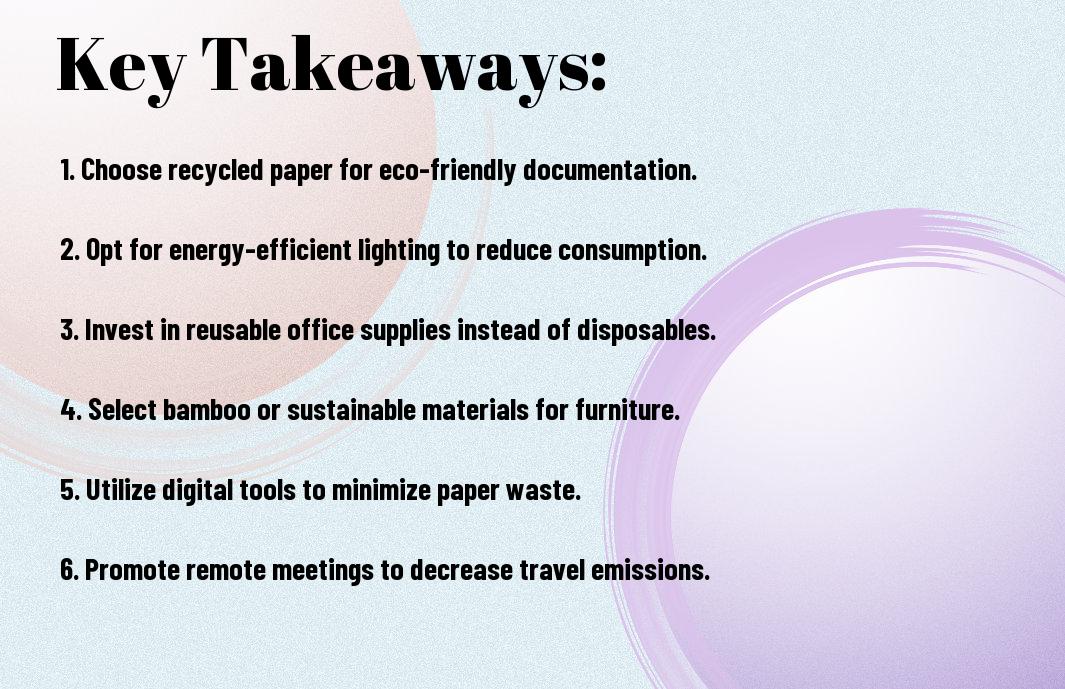
  • Use recyclable materials for office supplies, such as pens and paper, to reduce waste and minimize the office’s environmental impact.
  • Implement energy-efficient solutions, including LED lighting and power strips, to reduce the office’s carbon footprint and lower energy consumption.
  • Incorporate digital tools, such as cloud storage and digital notebooks, to reduce the need for physical documents and promote a more sustainable work environment.

Benefits of Sustainable Office Tools

The use of sustainable office tools can greatly benefit your workspace. You will be contributing to a healthier environment and reducing your carbon footprint. Your office will also become more efficient, allowing you to work more effectively.

Environmental Impact

Across the globe, offices are shifting towards sustainable practices. You can make a difference by choosing eco-friendly tools, reducing waste and conserving natural resources. Your sustainable choices will have a positive impact on the environment.

Cost-Effective Solutions

Alongside the environmental benefits, sustainable office tools offer cost-effective solutions. You can save money by using energy-efficient equipment and reducing your consumption of resources. Your budget will thank you for making the switch to sustainable tools.

A key aspect of cost-effective solutions is the long-term savings they provide. As you invest in sustainable office tools, you will find that they last longer and require less maintenance, saving you money in the long run. You can allocate your resources more efficiently, allowing your business to grow and thrive.

Eco-Friendly Paper Products

Some of the simplest ways to make your office more sustainable are by switching to eco-friendly paper products. You can start by choosing products that are made from recycled materials or sustainably sourced. This small change can significantly reduce your office’s environmental impact. You’ll be reducing waste and helping to conserve natural resources.

Recycled Paper

One of the easiest switches you can make is to recycled paper for your printing needs. You’ll find that it’s just as effective as traditional paper, and it’s better for the planet. Your office will be reducing its carbon footprint, and you’ll be supporting companies that prioritize sustainability.

Biodegradable Notebooks

Among the many eco-friendly options available, biodegradable notebooks are a great choice. You can use them for meetings, note-taking, and brainstorming sessions, and when you’re done, they can easily decompose. Your office will produce less waste, and you’ll be promoting a more sustainable work environment.

Biodegradable notebooks are made from natural materials that break down quickly and easily. You can use them with confidence, knowing that they won’t harm the environment. As you make the switch to biodegradable notebooks, you’ll be taking a significant step towards reducing your office’s environmental impact, and you’ll be setting a positive example for your coworkers to follow. You’ll find that making this small change can have a significant impact on your office’s sustainability, and it’s a great place to start making your workplace more eco-friendly.

Sustainable Desk Accessories

Your workspace can be eco-friendly with sustainable desk accessories, making a significant impact on the environment. You can start by replacing traditional items with environmentally friendly alternatives.

Reusable Pens

One simple switch you can make is to reusable pens, which can be refilled and used multiple times, reducing plastic waste and the demand for new pens.

Bamboo Paperweights

Against the backdrop of a hectic office, bamboo paperweights can bring a sense of calm and sustainability to your desk, holding down your papers while promoting eco-friendliness.

Understanding the benefits of bamboo paperweights, you’ll find that they are made from highly renewable resources, durable, and require minimal maintenance, making them a great addition to your sustainable office tools.

Energy-Efficient Office Equipment

Unlike traditional office equipment, energy-efficient options can significantly reduce your environmental footprint. You can make a difference by choosing equipment that consumes less power, and your office will benefit from lower utility bills.

LED Lighting

Alongside traditional lighting, alternative lighting solutions like LED bulbs are available, offering significant energy savings. You can replace your old bulbs with LEDs to reduce your energy consumption and contribute to a more sustainable office environment.

Energy-Star Rated Printers

Behind the scenes, energy-efficient printers can make a big impact. By opting for Energy-Star rated printers, you can minimize your office’s energy waste and reduce your carbon footprint.

This energy efficiency can lead to significant cost savings over time, and you’ll be supporting a more sustainable future. You can explore various Energy-Star rated printer models that meet your office needs, and make an informed decision to switch to a more environmentally friendly option.

Innovative Storage Solutions

Keep your office organized with innovative storage solutions. You can find inspiration for eco-friendly products at Green Your Office: Eco-Friendly Products and Supplies for a Sustainable Workspace, and discover new ways to reduce waste in your daily routine.

Repurposed File Containers

Apart from buying new, you can use old containers to store your office supplies, giving them a new life and reducing your environmental footprint.

Collapsible Storage Bins

Around the office, collapsible storage bins are a great solution for storing items that you don’t use frequently, keeping your workspace clutter-free and tidy.

With collapsible storage bins, you can easily store and transport items, and when not in use, they can be folded and stored away, saving you valuable office space and making your work more efficient.

Implementing Sustainable Practices

Not only can sustainable office tools reduce your environmental impact, but they can also save you money in the long run. You can start by assessing your current practices and looking for areas where you can improve.

Reducing Waste

Prior to making any changes, you should take stock of your current waste output and identify areas where you can cut back. You can start by reducing paper usage and switching to digital documents.

Encouraging Employee Participation

Similar to waste management, encouraging employee participation is key to a successful sustainability plan. You can start by educating your employees on the importance of sustainability and providing them with the necessary tools to make a positive impact.

The key to encouraging employee participation is to make sustainability a team effort. You can do this by setting sustainability goals and challenges, and rewarding employees for their contributions. This will not only help your office become more sustainable, but it will also boost employee morale and productivity. You can also provide your employees with sustainable office tools, such as reusable water bottles and coffee cups, to help them make a positive impact.

Summing up

Following this, you can now choose your office tools more thoughtfully. You will find that sustainable options are readily available, making your workspace more eco-friendly. Your daily tasks will become more efficient with these tools, and you will contribute to a better environment. By making these simple changes, you are taking a step towards a more sustainable future, and that’s a great start.

FAQ

Q: What are sustainable office tools and why are they important for everyday use?

A: Sustainable office tools are products designed to reduce waste, conserve resources, and minimize environmental impact. They are imperative for everyday use as they help reduce carbon footprint, promote eco-friendly practices, and create a healthier work environment. By incorporating sustainable office tools, individuals and organizations can contribute to a more environmentally responsible and sustainable future.

Q: What types of sustainable office tools are available for everyday use?

A: There are various sustainable office tools available, including reusable notebooks made from recycled materials, refillable pens and pencils, energy-efficient lighting and equipment, bamboo or recycled paper products, and non-toxic cleaning supplies. Additionally, digital tools such as cloud storage, online calendars, and digital signatures can also help reduce paper waste and promote sustainability.

Q: How can I make the switch to sustainable office tools in my workplace?

A: To make the switch to sustainable office tools, start by conducting an office audit to identify areas where sustainable practices can be implemented. This can include replacing traditional lighting with LED bulbs, switching to reusable water bottles, and encouraging employees to use public transport or carpool. You can also consider implementing a recycling program, reducing paper usage, and purchasing sustainable office supplies. Educating employees about the benefits of sustainable practices can also help promote a culture of sustainability in the workplace.

Q: Are sustainable office tools more expensive than traditional office supplies?

A: While some sustainable office tools may have a higher upfront cost, many are comparably priced to traditional office supplies. Additionally, sustainable office tools can often provide long-term cost savings by reducing waste, conserving resources, and promoting energy efficiency. For example, using reusable notebooks and refillable pens can reduce the need for frequent replacements, while energy-efficient equipment can lower utility bills. By considering the long-term benefits, sustainable office tools can be a cost-effective option for individuals and organizations.

Q: How can I ensure that the sustainable office tools I choose are genuinely environmentally friendly?

A: To ensure that the sustainable office tools you choose are genuinely environmentally friendly, look for products that are certified by reputable organizations such as the Forest Stewardship Council (FSC) or the Environmental Protection Agency (EPA). You can also check the product’s packaging and labeling for claims such as “recycled,” “biodegradable,” or “non-toxic.” Additionally, research the company’s environmental policies and practices to ensure that they align with your values and goals. By doing your research and making informed choices, you can promote sustainability and reduce your environmental impact.

Green Products for a Sustainable Lifestyle

As you begin on your journey towards a more sustainable lifestyle, you’ll find that making conscious choices about the products you use can have a profound impact on the health of our planet. You have the power to create positive change by opting for green products that align with your values and promote environmental stewardship. By incorporating these eco-friendly alternatives into your daily life, you’ll not only be reducing your carbon footprint, but also cultivating a deeper connection with the natural world that surrounds you.

Key Takeaways:

To adopt a sustainable lifestyle, it’s important to focus on eco-friendly products that reduce our environmental impact. Here are three key points to consider:

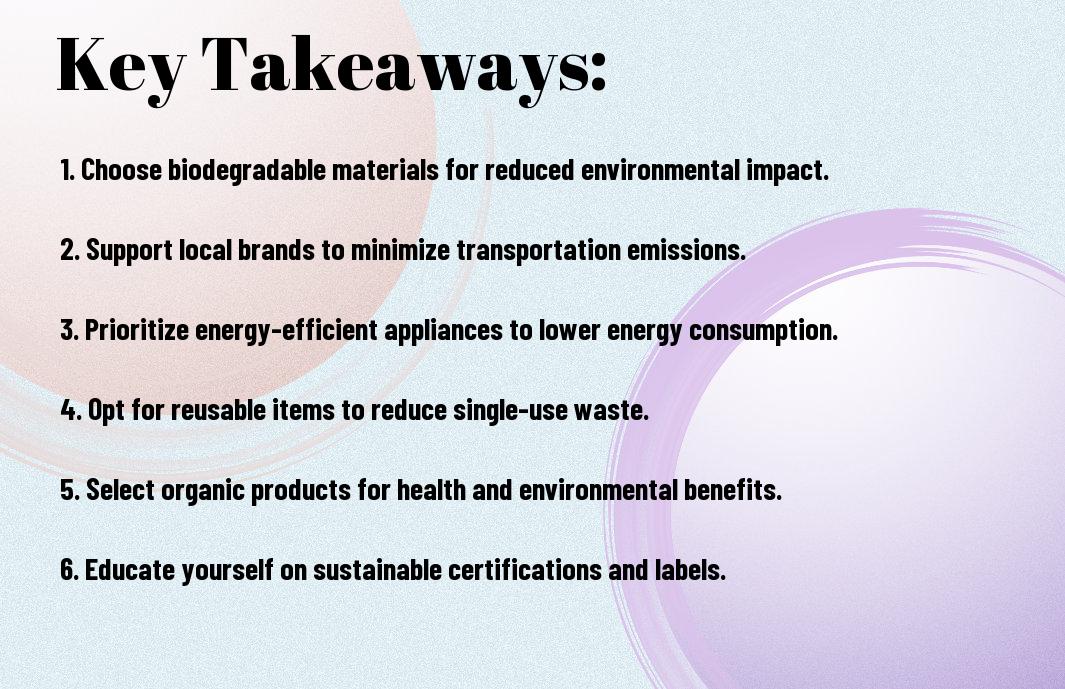
  • Using renewable energy sources and biodegradable materials can significantly reduce our carbon footprint and help preserve the planet for future generations.
  • Investing in energy-efficient appliances and sustainable home products can lead to long-term cost savings and a reduced environmental impact.
  • Choosing natural and organic products for personal care and household cleaning can promote a healthier living environment and support a more ecological balance.

Benefits of Green Products

A shift towards green products can greatly impact your life and the environment. By choosing eco-friendly options, you contribute to a more sustainable future, reducing your carbon footprint and promoting a healthier lifestyle.

Environmental Impact

Eco-friendly practices, such as using green products, help preserve natural resources and decrease pollution, allowing you to live in harmony with nature and ensure a better future for yourself and your community.

Health Advantages

Beneficial effects of green products on your well-being are numerous, as they reduce exposure to toxic chemicals and promote a cleaner environment, ultimately leading to a healthier you.

To further enhance your health, consider the long-term effects of using green products, such as improved air and water quality, which can significantly boost your overall well-being and quality of life, allowing you to thrive in a sustainable and healthy environment.

Eco-Friendly Home Essentials

Some of the simplest changes you can make to live a more sustainable lifestyle start at home. By incorporating eco-friendly products into your daily routine, you can significantly reduce your environmental footprint. This can include everything from reusable water bottles to energy-efficient lighting, making it easier for you to live in harmony with nature.

Sustainable Cleaning Products

On the path to a more sustainable home, consider switching to cleaning products that are free from harsh chemicals and better for the environment. You can find these products at most stores or make your own using natural ingredients, allowing you to clean your home without harming the planet.

Energy-Efficient Appliances

Along with sustainable cleaning products, energy-efficient appliances are a great way to reduce your energy consumption. You can start by replacing traditional light bulbs with LED bulbs or installing low-flow showerheads, which will not only reduce your environmental impact but also lower your utility bills.

The benefits of energy-efficient appliances extend beyond just your home. By using less energy, you are contributing to a larger movement towards sustainability, helping to protect natural resources for future generations. As you continue on your journey towards a more sustainable lifestyle, consider the long-term effects of your choices and how they can positively impact the world around you.

Green Personal Care

Many of the products you use in your daily personal care routine can have a significant impact on the environment. As you consider your role in preserving the planet, it’s important to examine the ingredients and manufacturing processes behind your favorite products. By making a few simple changes, you can significantly reduce your ecological footprint and promote a more sustainable lifestyle.

Natural Skincare

Beneath the surface of conventional skincare products, you’ll often find harsh chemicals and artificial fragrances that can harm your skin and the environment. You can opt for natural skincare alternatives that harness the power of plants and important oils to nourish and protect your skin.

Organic Haircare

Besides the benefits of natural skincare, you can also adopt organic haircare practices that prioritize your health and the well-being of the planet. You can choose shampoos and conditioners made with organic ingredients, free from synthetic additives and harsh chemicals.

Considering your haircare routine, you may be surprised by the array of organic options available, from sulfate-free shampoos to coconut oil-based conditioners. As you explore these alternatives, you’ll not only be reducing your exposure to harmful chemicals, but also supporting sustainable agriculture and environmentally responsible manufacturing practices that promote a healthier planet for you and future generations.

Sustainable Fashion

Keep in mind that your wardrobe choices have a significant impact on the environment. By adopting sustainable fashion practices, you can reduce your carbon footprint and promote a healthier planet.

Eco-Friendly Clothing

Around the world, sustainable clothing brands are emerging, offering eco-friendly alternatives to traditional fashion. You can opt for clothes made from organic materials, recycled textiles, or repurposed fabrics, reducing waste and minimizing harm to the environment.

Second-Hand Shopping

Only by exploring second-hand stores, you can discover unique, pre-loved pieces that not only reduce waste but also add character to your wardrobe. You can find high-quality, gently used clothing that aligns with your personal style.

In addition, second-hand shopping allows you to extend the life of existing garments, reducing the demand for new, resource-intensive clothing. As you browse through thrift stores or online marketplaces, you’ll find one-of-a-kind items that reflect your values and contribute to a more circular fashion system, ultimately benefiting you and the planet.

Green Technology

Not only can green technology help reduce your carbon footprint, but it can also save you money in the long run. By incorporating green technology into your daily life, you can make a significant impact on the environment.

Renewable Energy Sources

Beneath the surface of traditional energy sources, you’ll find renewable energy sources like solar and wind power, which can power your home and reduce your reliance on fossil fuels, allowing you to live a more sustainable lifestyle.

Energy-Saving Devices

The key to reducing your energy consumption lies in using energy-saving devices, such as LED light bulbs and energy-efficient appliances, which can significantly decrease your energy usage and lower your utility bills, helping you to live a more environmentally friendly life.

Plus, as you continue to use energy-saving devices, you’ll notice a significant reduction in your energy consumption, and you can take pride in knowing that you’re doing your part to protect the environment, and you can also consider investing in smart home devices that can help you monitor and control your energy usage, making it easier for you to make sustainable choices.

Community Involvement

Now, as you begin on your journey towards a sustainable lifestyle, you’ll find that your community plays a vital role in supporting your efforts. You can explore 36 Eco-Friendly Products to Help You Live Sustainably and Reduce Your Carbon Footprint to make informed choices. By engaging with your community, you’ll discover new ways to live in harmony with the environment.

Local Environmental Initiatives

Collectively, your community can make a significant impact by participating in local environmental initiatives, such as clean-up drives and tree-planting activities, which will inspire you to take action and contribute to a greener future.

Green Community Events

Previously, you may have overlooked the importance of community events in promoting sustainability, but now you can attend workshops, webinars, and fairs that showcase eco-friendly products and practices, empowering you to make a positive change in your daily life.

In fact, as you participate in green community events, you’ll not only gain valuable knowledge but also connect with like-minded individuals who share your passion for sustainability, fostering a sense of belonging and motivation to continue making environmentally conscious choices that will ultimately benefit your community and the planet.

Summing up

Upon reflecting on the benefits of green products, you will find that adopting them into your daily life is a simple yet effective way to contribute to a more sustainable future. By choosing eco-friendly options, you are not only reducing your environmental footprint, but also improving your own well-being. As you continue on this path, you will discover the positive impact that your conscious choices have on the world around you, inspiring you to make even more thoughtful decisions in your pursuit of a sustainable lifestyle.

FAQ

Q: What are green products and how do they contribute to a sustainable lifestyle?

A: Green products are environmentally friendly goods and services that help reduce our carbon footprint and promote sustainability. They are made from natural, biodegradable, and non-toxic materials, and are designed to minimize waste and pollution. By choosing green products, individuals can significantly reduce their environmental impact, conserve natural resources, and contribute to a healthier planet.

Q: What types of green products are available for everyday use?

A: There are numerous green products available for everyday use, including eco-friendly cleaning supplies, energy-efficient appliances, sustainable clothing, and organic food products. Additionally, green products like reusable bags, water bottles, and bamboo toothbrushes can help reduce single-use plastics and waste. Many companies also offer green versions of traditional products, such as solar-powered chargers, LED light bulbs, and recycled paper products.

Q: How can I identify authentic green products and avoid greenwashing?

A: To identify authentic green products, look for certifications like the USDA Organic label, Energy Star rating, or the Leaping Bunny logo, which indicate that the product meets certain environmental and social standards. You can also check the product’s packaging and labels for information about its ingredients, materials, and manufacturing process. Be wary of vague claims or buzzwords like “natural” or “eco-friendly,” and instead opt for products with transparent and specific information about their environmental benefits.

Q: Can adopting a green lifestyle with green products be expensive?

A: While some green products may be more expensive than their traditional counterparts, many are affordable and can even save you money in the long run. For example, energy-efficient appliances and LED light bulbs can reduce your energy consumption and lower your utility bills. Additionally, buying in bulk, using public transport, or carpooling can also help reduce your expenses. Moreover, many companies offer discounts, promotions, or loyalty programs for customers who choose green products, making it more accessible to adopt a sustainable lifestyle.

Q: How can I make a significant impact on the environment by using green products?

A: Every small change counts, and using green products can collectively make a significant impact on the environment. By choosing green products, you can reduce your carbon footprint, conserve natural resources, and help mitigate climate change. Moreover, by supporting companies that offer green products, you are promoting a demand for sustainable and environmentally friendly goods, which can drive innovation and encourage other companies to follow suit. By making green choices, you can also inspire others to do the same, creating a ripple effect that can lead to a more sustainable future for all.

Skip to content