Eco-Friendly Jewelry for the Conscious Consumer

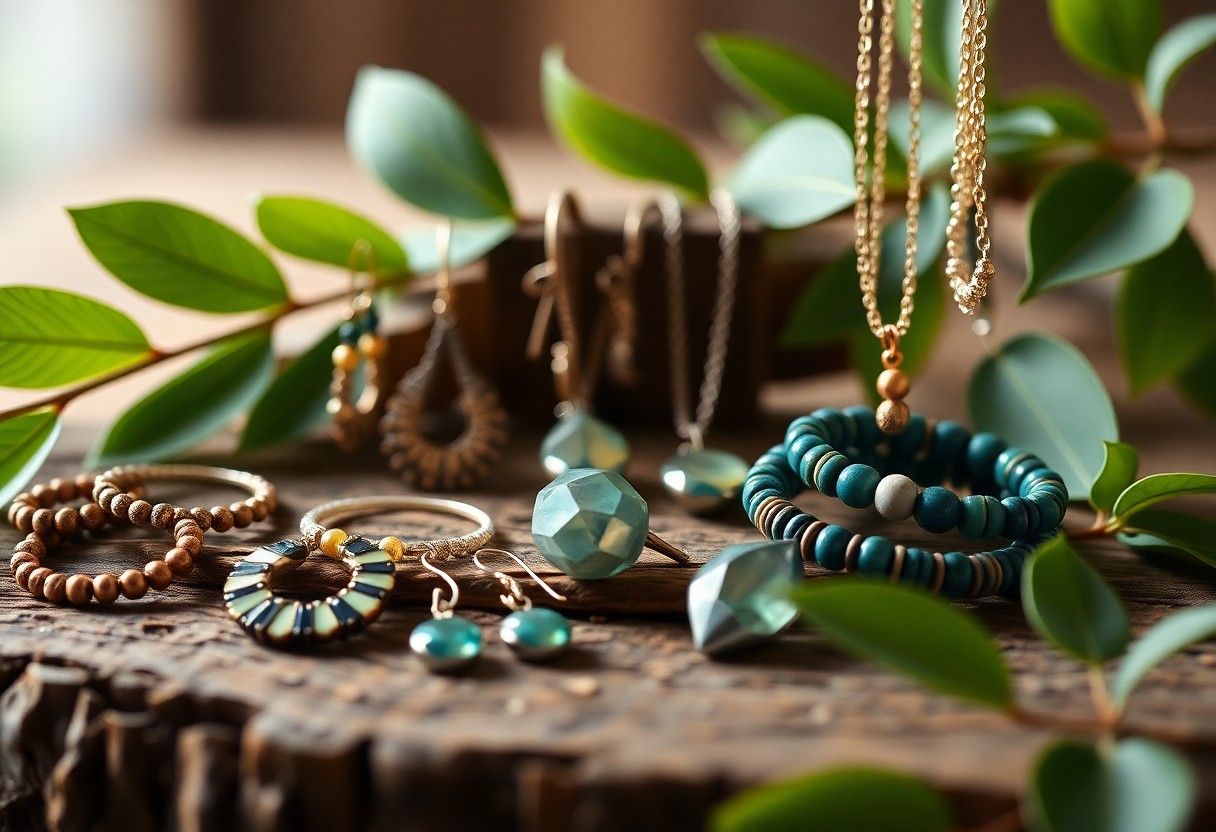
As you consider your next jewelry purchase, you’re likely thinking about more than just style and budget. Your values and commitment to sustainability are also at play. You want to adorn yourself with pieces that not only make you feel beautiful, but also align with your passion for protecting the planet. You’re part of a growing movement of conscious consumers who care about the environmental and social impact of your purchases, and your jewelry choices are no exception.
Key Takeaways:

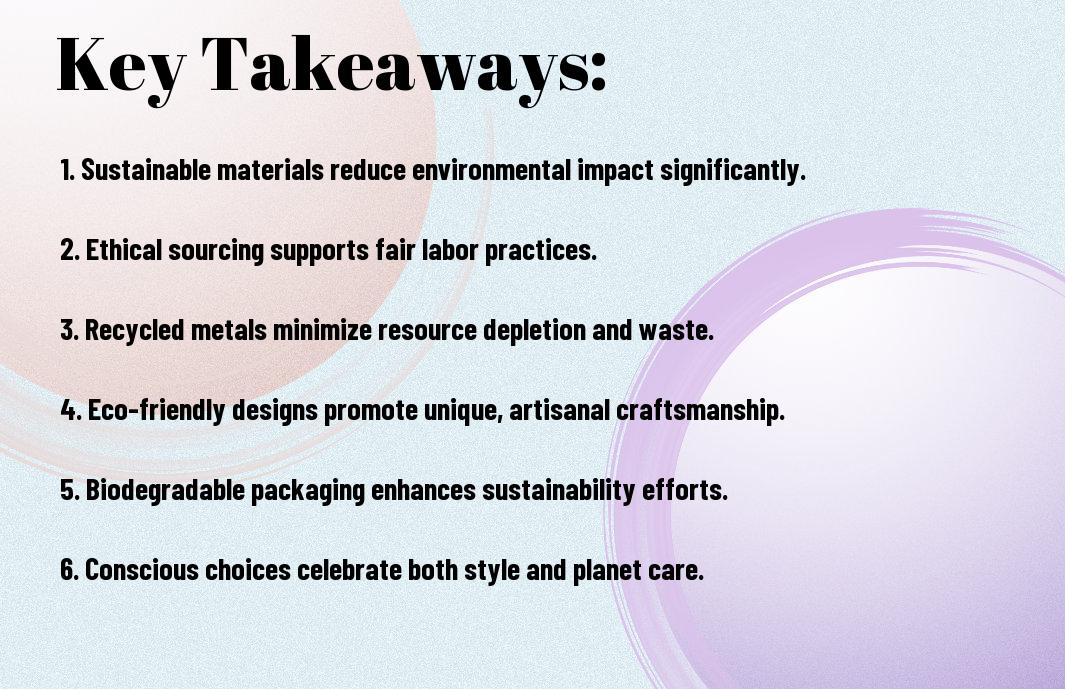
To make informed choices about sustainable jewelry, consider the following points:

  • Look for jewelry made from recycled materials, such as repurposed metals and Conflict-Free diamonds, to reduce the demand for new, environmentally-harmful mining practices.
  • Choose jewelry from brands that prioritize fair labor practices and ensure that their supply chain is transparent and free from human rights abuses.
  • Consider the environmental impact of the jewelry’s packaging and opt for brands that use biodegradable or minimal packaging to reduce waste.
  • Invest in timeless pieces made from high-quality, durable materials that won’t need to be replaced frequently, reducing the overall carbon footprint of your jewelry collection.
  • Support brands that promote sustainable practices throughout their entire operation, from design to production, and that are committed to reducing their ecological footprint.

Benefits of Eco-Friendly Jewelry

A key advantage of choosing eco-friendly jewelry is the positive impact it has on the environment and society. By opting for sustainable jewelry, you are supporting a more conscious and responsible industry.

Environmental Impact

Along with the growing demand for eco-friendly products, you can contribute to reducing the harmful effects of traditional jewelry production on the environment, such as pollution and waste.

Social Responsibility

On one hand, eco-friendly jewelry promotes fair labor practices and safe working conditions, allowing you to feel good about your purchase.

Hence, as you consider the social implications of your jewelry choices, you are not only acquiring a beautiful piece but also supporting a more equitable and just industry that values your well-being and that of the artisans involved.
Types of Eco-Friendly Jewelry

Clearly, you have various options when it comes to eco-friendly jewelry, including:

  • Recycled metal
  • Sustainable materials

Recognizing the differences is key, as shown in the table below:

Type Description
Recycled Metal Made from reused metals
Sustainable Material Made from eco-friendly materials
Conflict-Free Free from conflict minerals
Vintage Second-hand jewelry
Lab-Grown Made from lab-grown materials

Recycled Metal Jewelry

Besides traditional mining, you can opt for recycled metal jewelry, which reduces waste and supports environmentally friendly practices.

Sustainable Material Jewelry

Around the world, you are finding unique pieces made from sustainable materials, such as bamboo or reclaimed wood.

Jewelry made from sustainable materials is not only stylish, but also supports eco-friendly practices, allowing you to make a positive impact on the environment with your purchasing decisions, and you can feel good about wearing your eco-friendly jewelry, knowing that it was made with the planet in mind.

Certifications and Labels

Fair Trade Certification

Certifying your jewelry purchase as fair trade ensures that the artisans and miners involved in its production were treated fairly and paid a living wage, allowing you to support ethical practices with your purchase.

Eco-Labeling Schemes

Trading in traditional jewelry for eco-friendly alternatives can be made easier with eco-labeling schemes, which provide you with a clear indication of a product’s environmental impact, helping you make informed decisions about your purchases.

Further investigation into eco-labeling schemes will reveal a range of options, such as those that indicate the use of recycled materials, conflict-free diamonds, or sustainably sourced metals, giving you the power to choose jewelry that not only looks beautiful but also does good for the planet and its inhabitants, allowing you to wear your values on your sleeve, or in this case, around your neck.

Designer Spotlight

To highlight the best in eco-friendly jewelry, you’ll discover innovative designers who prioritize sustainability. You’ll find unique pieces that not only adorn your body but also support a greener future.

Emerging Designers

Around the world, talented emerging designers are creating stunning eco-friendly jewelry. You can explore their work, often featuring recycled materials and minimal waste, to find the perfect piece that aligns with your values.

Established Brands

Toward the forefront of eco-friendly jewelry are established brands that have perfected their sustainable practices. You can trust these brands to provide high-quality, environmentally responsible pieces that enhance your style and support your commitment to the planet.

Hence, as you examine into the world of established eco-friendly jewelry brands, you’ll notice a common thread – a passion for reducing environmental impact. You’ll learn about their dedication to using conflict-free materials, minimizing waste, and implementing fair labor practices, allowing you to feel confident in your purchasing decisions and proud to wear your eco-friendly jewelry.

Tips for the Conscious Consumer

Despite the abundance of eco-friendly jewelry options, making informed choices can be overwhelming. Consider the following:

  • Look for sustainable materials
  • Check the brand’s values
  • Thou shalt make a positive impact with your purchasing decisions.

    Research and Education

    Beneath the surface of eco-friendly jewelry lies a complex web of environmental and social issues. You can learn about the mining processes and labor practices behind your favorite brands, enabling you to make more informed choices.

    Making Informed Choices

    Mindfully, you approach the jewelry market, aware of the potential environmental and social implications of your purchases. You consider the materials, production processes, and brand values, seeking to align your choices with your personal values.

    To make informed choices, you need to take a step back and assess your own values and priorities. You may want to ask yourself questions like: What materials are you comfortable with? Are you willing to pay a premium for sustainable jewelry? By taking the time to reflect on your values and priorities, you can ensure that your jewelry purchases align with your personal code of ethics and contribute to a more sustainable future.

    Industry Trends and Innovations

    After embracing eco-friendly jewelry, you’ll find that the industry is evolving rapidly. As a conscious consumer, you can explore The Conscious Consumer’s Guide to Buying Sustainable Fine Jewelry to make informed choices.

    New Materials and Technologies

    One of the most exciting developments in eco-friendly jewelry is the use of innovative materials, such as recycled metals and lab-grown gemstones, which reduce environmental impact.

    Collaborations and Partnerships

    To further promote sustainability, many eco-friendly jewelry brands are forming collaborations and partnerships with environmental organizations and suppliers who share your values.

    Understanding the importance of collaborations and partnerships in the eco-friendly jewelry industry, you can see how these alliances enable brands to create more sustainable products, support conservation efforts, and promote environmentally responsible practices throughout their supply chains, ultimately helping you make a positive impact with your purchasing decisions.

    To wrap up

    Presently, as you explore the world of eco-friendly jewelry, you’ll find that your choices can make a significant impact on the environment. By opting for sustainable materials and responsible mining practices, you’re supporting a more conscious approach to fashion. Your decision to wear eco-friendly jewelry not only reflects your personal style, but also your commitment to protecting the planet for future generations. You’re helping to create a better world, one piece of jewelry at a time.

    FAQ

    Q: What is eco-friendly jewelry and how does it benefit the environment?

    A: Eco-friendly jewelry refers to jewelry made from sustainable materials, such as recycled metals, conflict-free diamonds, and environmentally responsible gemstones. This type of jewelry benefits the environment by reducing the demand for newly mined metals and gems, which can lead to deforestation, water pollution, and habitat destruction. By choosing eco-friendly jewelry, consumers can help minimize the negative impact of the jewelry industry on the environment and promote more sustainable practices.

    Q: How can I identify eco-friendly jewelry as a conscious consumer?

    A: To identify eco-friendly jewelry, look for certifications such as Fairmined or Fairtrade, which ensure that the metals and gems used are sourced responsibly. You can also check the jewelry’s material composition, opting for pieces made from recycled or sustainably sourced materials. Additionally, research the brand’s values and policies, as many eco-friendly jewelry brands prioritize transparency and sustainability in their production processes. Some brands may also provide information on the origin of their materials, the working conditions of their artisans, and their environmental practices.

    Q: Can eco-friendly jewelry be stylish and trendy, or is it limited to simple, minimalist designs?

    A: Eco-friendly jewelry can be both stylish and trendy, as many designers are now creating intricate and fashionable pieces using sustainable materials. From statement pieces made from recycled plastic to delicate, minimalist designs featuring conflict-free diamonds, there is a wide range of eco-friendly jewelry options available to suit various tastes and styles. Moreover, many eco-friendly jewelry brands collaborate with influential designers, resulting in unique and fashionable pieces that not only make a statement but also promote sustainability. As the demand for eco-friendly jewelry grows, the industry is evolving to offer more diverse and stylish options for the conscious consumer.
Top Tips for Sustainable Fashion Choices

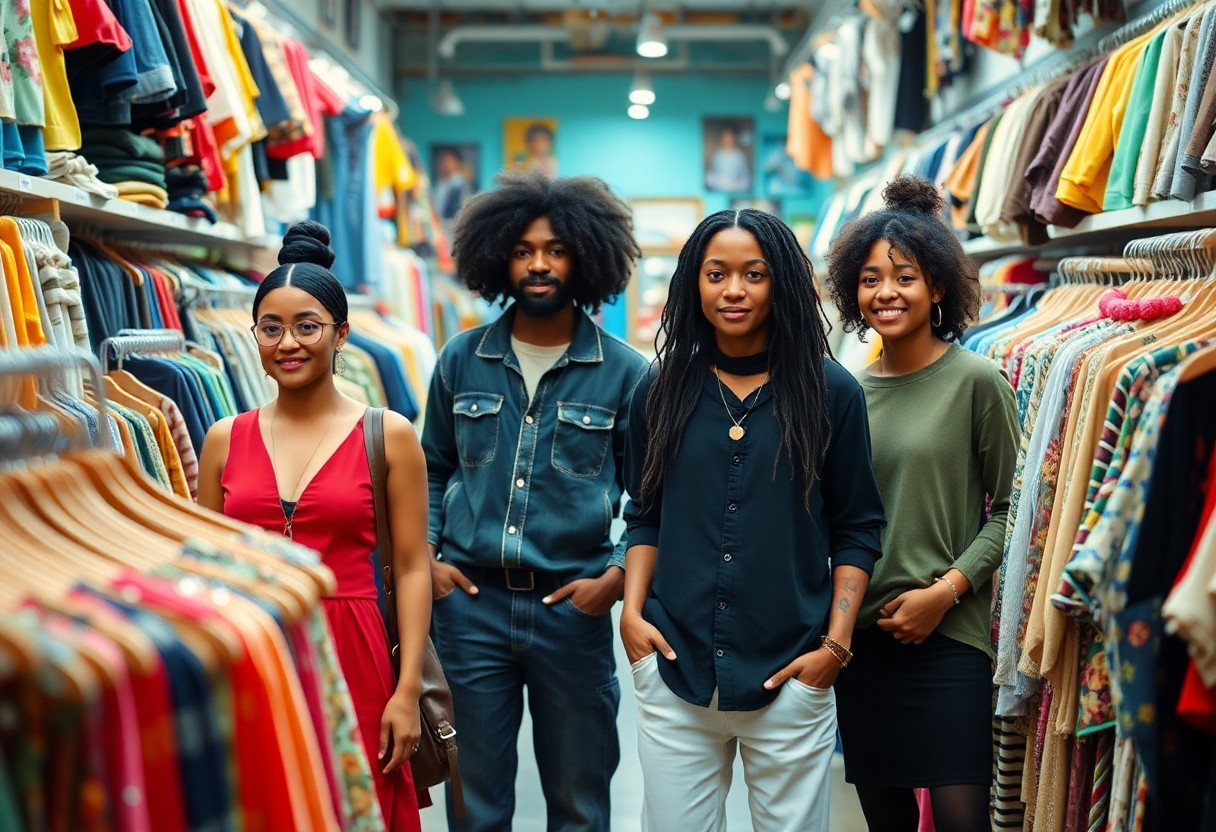
As you navigate the world of fashion, you’re likely considering the impact of your clothing choices on the environment. Your purchasing decisions can significantly influence the sustainability of the fashion industry. You can make a positive change by adopting practices that reduce waste and support eco-friendly brands. By understanding your options and making informed decisions, you can cultivate a more sustainable approach to fashion, aligning your style with your values and contributing to a more environmentally conscious future.

Key Takeaways:

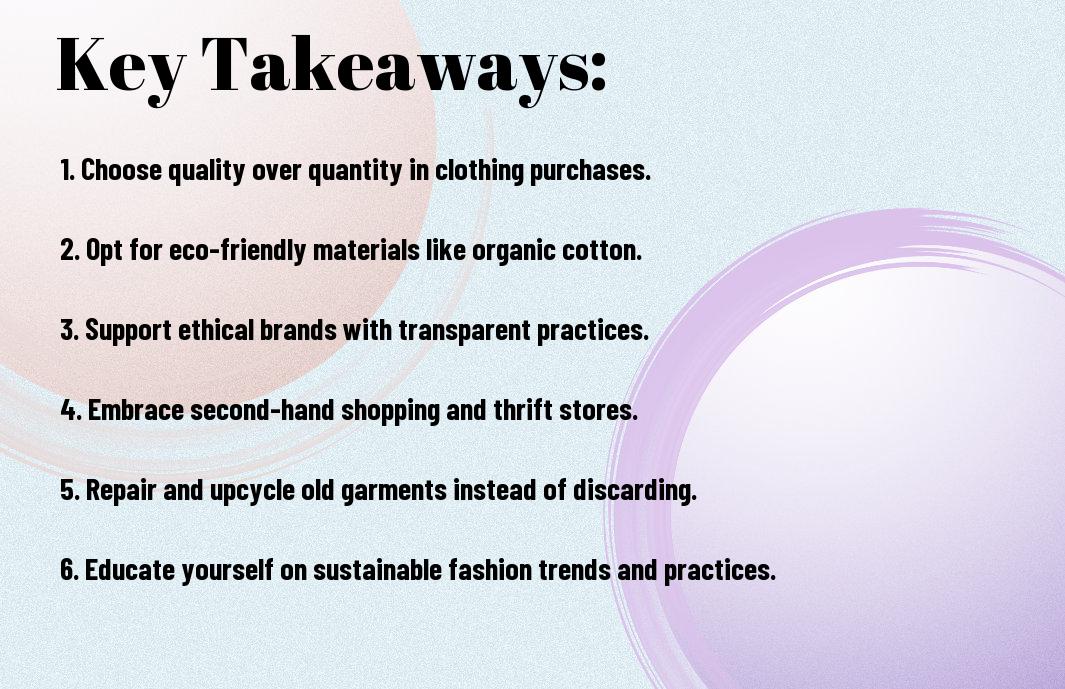
To make a positive impact on the environment through your clothing choices, consider the following points:

  • Invest in high-quality and durable clothing that will last longer, reducing the need for frequent purchases and waste.
  • Choose second-hand or vintage clothing as an alternative to buying new, which can help reduce the demand for resource-intensive new garments.
  • Opt for clothing made from sustainable materials, such as organic cotton, recycled polyester, or Tencel, which have a lower environmental impact than traditional materials.
  • Consider the end-of-life of your clothing and choose items that can be easily recycled or upcycled, reducing the amount of waste sent to landfills.
  • Support transparent and accountable fashion brands that prioritize ethics and sustainability in their production processes, ensuring fair labor practices and minimal environmental harm.

Finding Sustainable Fashion

For those looking to make a positive impact on the environment, finding sustainable fashion is a great place to start. You can begin by exploring brands that prioritize eco-friendly materials and production methods, and considering the longevity of the pieces you purchase.

Knowing Your Fabrics

Upon examining your wardrobe, you’ll notice that different fabrics have varying effects on the environment. You can make informed choices by learning about the fabrics used in your clothing and opting for sustainable options that align with your values.

The Impact of Fast Fashion

Against the backdrop of growing environmental concerns, the impact of fast fashion cannot be ignored. You play a significant role in reducing waste and pollution by choosing to invest in sustainable fashion over fast, trendy pieces.

In fact, the production and distribution of fast fashion contribute significantly to greenhouse gas emissions, water pollution, and textile waste. As you become more mindful of your fashion choices, you’ll find that investing in sustainable fashion not only benefits the environment, but also promotes a more thoughtful and intentional approach to your personal style.

Buying Second-Hand

Now, you can make a significant impact on the environment by choosing second-hand clothing, reducing waste and supporting sustainable fashion. This approach helps to extend the life of existing garments, decreasing the demand for new, resource-intensive clothing.

Thrift Store Treasures

Thrifty shopping allows you to discover unique, high-quality pieces while reducing your environmental footprint. You can find one-of-a-kind items that reflect your personal style, often at affordable prices.

Online Marketplaces

Treasured online platforms offer a wide range of second-hand clothing, making it easy to find what you’re looking for from the comfort of your own home. You can browse through various sellers, filter by size, and read reviews to ensure a smooth transaction.

Due to the rise of online marketplaces, you have access to a vast array of second-hand clothing options, allowing you to shop sustainably and conveniently. You can explore different websites, apps, and social media platforms to find the perfect second-hand piece that fits your style and budget, making sustainable fashion more accessible than ever.

Quality Over Quantity

Unlike fast fashion, which prioritizes trendy pieces over durability, choosing quality over quantity is imperative for sustainable fashion. You can make a significant impact by investing in a smaller number of high-quality, long-lasting items that won’t need to be replaced often.

Investing in Timeless Pieces

The key to a sustainable wardrobe is investing in timeless pieces that won’t go out of style quickly. You should look for classic designs, high-quality materials, and attention to detail, as these factors will ensure your clothes last for years to come.

Caring for Your Clothes

Adeptly maintaining your clothes is vital to extending their lifespan. You can start by following the care labels, avoiding machine washing when possible, and making repairs instead of replacing items.

It is also important to consider the environmental impact of your laundry habits, as excessive washing and drying can lead to significant water and energy consumption. You can make a difference by washing your clothes in cold water, hanging them to dry, and avoiding fabric softeners and bleach, which can damage your clothes and harm the environment.

Fashionable Alternatives

Once again, you can make a difference by exploring alternatives to fast fashion, and you can start by checking out Top 10 Tips for Sustainable Fashion | Future.Green for more information.

Renting and Sharing

Beneath the surface of traditional fashion lies the option of renting and sharing, which allows you to wear stylish outfits without committing to a purchase, reducing your environmental footprint.

Swapping with Friends

Across various social circles, swapping clothes with friends has become a popular trend, enabling you to refresh your wardrobe without buying new, and you can try this approach with your friends.

Also, swapping with friends can help you discover new styles and pieces you may not have considered before, and you can use online platforms or host swapping events to make the process easier and more enjoyable, allowing you to connect with like-minded individuals who share your passion for sustainable fashion.

The Power of Choice

All your fashion choices have an impact on the environment and society. By making sustainable fashion choices, you can contribute to a more responsible industry.

Voting with Your Wallet

Allying your values with your purchases sends a message to the fashion industry. You decide what brands thrive based on your spending habits.

Supporting Eco-Friendly Brands

Around the world, brands are emerging with environmentally-friendly practices. You can support these brands by choosing their products over others.

Your decision to support eco-friendly brands can significantly influence the fashion industry’s shift towards sustainability. You will be promoting practices that reduce waste, use recycled materials, and implement fair labor conditions, ultimately contributing to a more environmentally conscious future for fashion.

Making a Difference

Many of your daily choices can contribute to a more sustainable fashion industry, and by making conscious decisions, you can have a significant impact. Your role in promoting sustainable fashion is vital, and every small action counts.

Small Steps to Big Change

Around every corner, you’ll find opportunities to make a positive impact, starting with your own wardrobe and shopping habits. You can begin by investing in high-quality, eco-friendly clothing and reducing your fast fashion purchases.

Inspiring Others

Beneath the surface of your personal sustainable fashion journey lies the potential to inspire those around you. You can share your knowledge and experiences with friends and family, encouraging them to make more informed choices.

Further, as you continue to make sustainable fashion choices, you’ll become a role model for others, demonstrating that stylish and responsible fashion is achievable. You can use social media platforms to showcase your favorite eco-friendly brands, share tips on sustainable fashion, and engage with like-minded individuals who share your passion for creating a more sustainable fashion industry.

Conclusion

With these considerations, you can make informed decisions about your fashion choices. You will be able to reduce your environmental impact by choosing sustainable materials, buying second-hand, and caring for your clothes properly. By incorporating these tips into your daily life, you will contribute to a more sustainable fashion industry and make a positive impact on the planet with your purchasing power, shaping your style while protecting the environment with your conscious choices.

FAQ

Q: What are some simple ways to make my wardrobe more sustainable?

A: To make your wardrobe more sustainable, consider investing in timeless pieces that won’t go out of style quickly, choose clothing made from eco-friendly materials like organic cotton, recycled polyester, or Tencel, and avoid fast fashion by buying second-hand or swapping clothes with friends. Additionally, learning to care for your clothes properly, such as washing them in cold water and hanging them to dry, can significantly extend their lifespan and reduce waste.

Q: How can I identify sustainable fashion brands and make informed purchasing decisions?

A: Identifying sustainable fashion brands involves looking beyond the surface level. Check if the brand has a clear sustainability policy on their website, which includes details about their supply chain, material sourcing, and waste management. Look for certifications like GOTS (Global Organic Textile Standard) for organic cotton products or Bluesign for environmentally friendly textile production. Moreover, reading reviews and articles from reputable sources can provide insights into a brand’s commitment to sustainability. It’s also important to question the brand directly through social media or customer service about their practices if the information is not readily available.

Q: What role does clothing rental or sharing play in sustainable fashion, and how can I get involved?

A: Clothing rental or sharing services are innovative ways to embrace sustainable fashion by reducing the need for new, resource-intensive clothing purchases. These platforms allow users to rent outfits for special occasions or subscribe to monthly boxes that offer a variety of clothing items. To get involved, start by researching local clothing rental services in your area or online platforms that cater to your style and needs. Some popular options include clothing swap events, online marketplaces for gently used clothing, and fashion subscription boxes that focus on sustainability. By participating in clothing rental or sharing, you not only reduce your environmental footprint but also have the opportunity to experiment with new styles without the long-term commitment of purchasing.

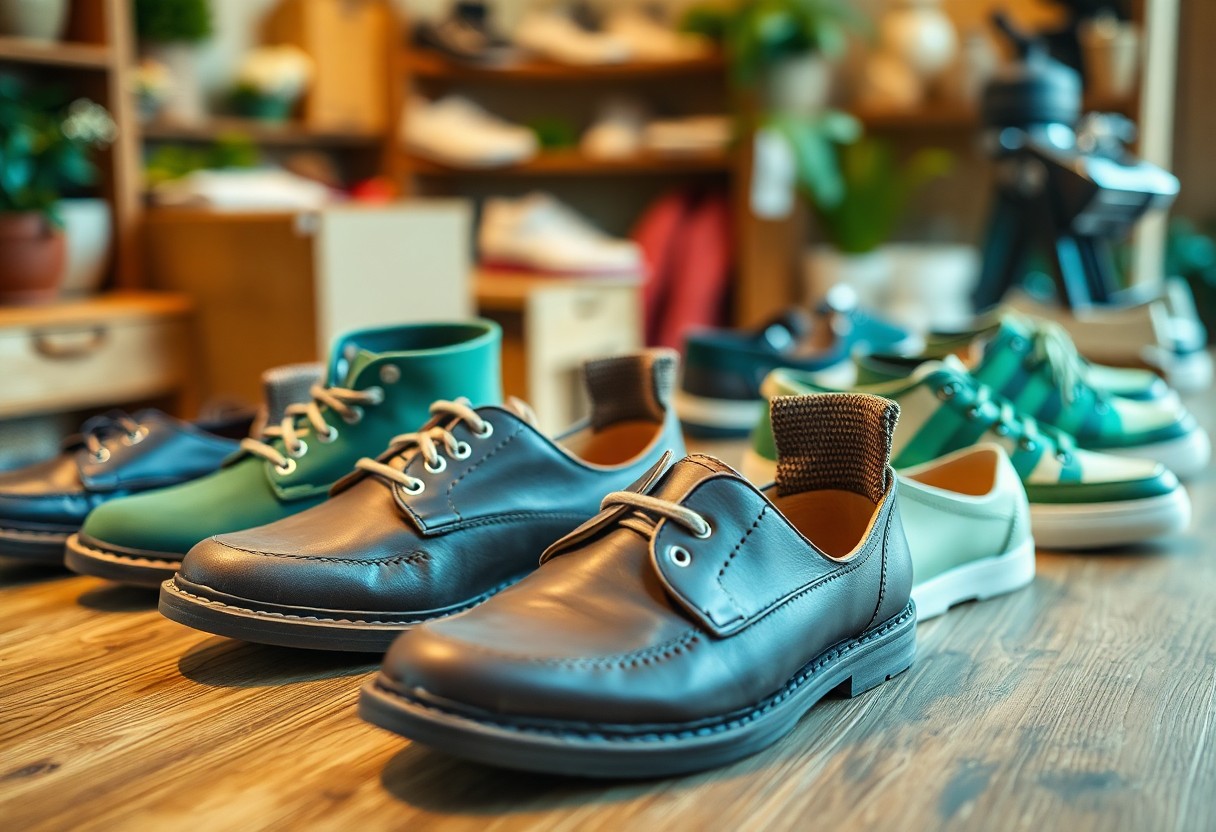
Green Footwear Brands Revolutionizing the Industry

As you consider your next shoe purchase, you’re likely thinking about more than just style and comfort. You’re probably also considering the environmental impact of your decision. Fortunately, your concerns are being addressed by innovative green footwear brands that are changing the game. You can now opt for sustainable, eco-friendly shoes that not only reduce your carbon footprint but also offer great quality and design, allowing you to make a positive impact on the planet while still looking and feeling great.

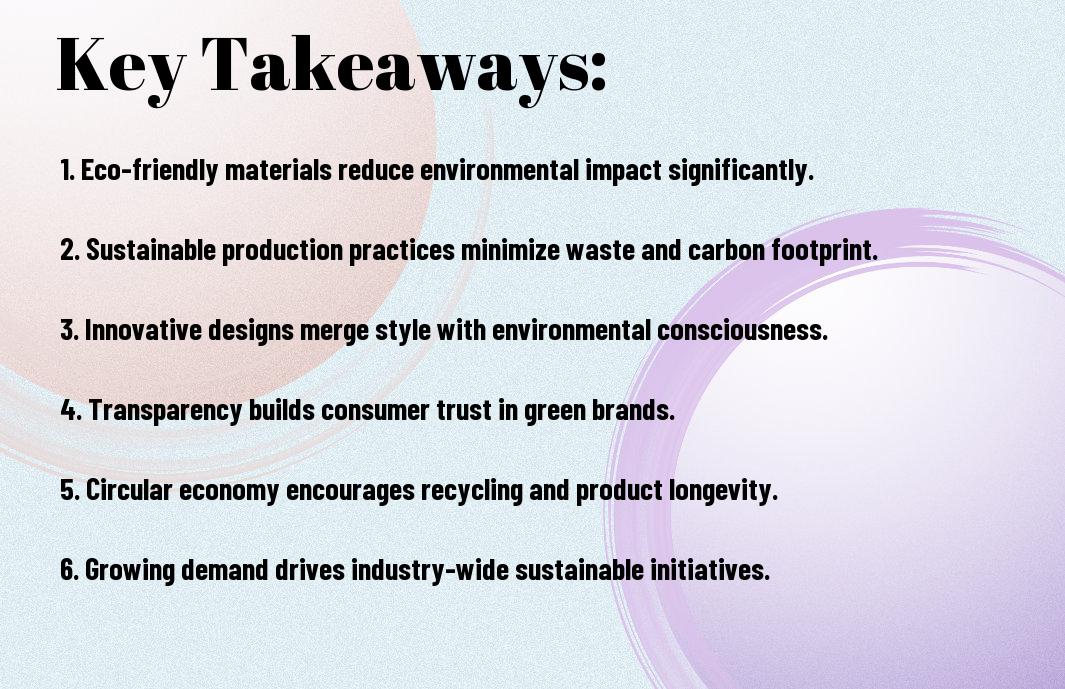
Key Takeaways:

To stay ahead in the sustainable fashion industry, here are some key points about green footwear brands:

  • Eco-friendly materials are being used by innovative brands to reduce their environmental impact, such as recycled plastics, organic cotton, and plant-based materials.
  • Sustainable production methods are being implemented, including zero-waste design and carbon offsetting to minimize the brands’ carbon footprint.
  • Many green footwear brands are focusing on durability and timeless design to encourage customers to buy less and keep their shoes for longer, reducing waste and the demand for new, resource-intensive products.
  • Circular business models are being adopted, where shoes are designed to be recyclable or biodegradable, and customers are encouraged to return their old shoes to be recycled or upcycled.
  • Green footwear brands are also promoting social responsibility, ensuring fair labor practices and safe working conditions throughout their supply chain to create a more ethical and responsible industry.

Sustainable Materials

While exploring green footwear brands, you’ll notice a significant shift towards sustainable materials. This approach reduces environmental impact, making your shoe purchases more eco-friendly.

Eco-Friendly Textiles

Across the industry, you’re seeing a rise in innovative textiles, such as organic cotton and hemp, which offer a more sustainable alternative to traditional materials, allowing you to make a positive impact with your choices.

Recycled Components

Similar to textiles, you’re now finding recycled components in footwear, such as outsoles made from recycled rubber, which reduces waste and minimizes your carbon footprint.

For instance, some brands are using recycled plastic bottles to create shoe uppers, showcasing the potential for creative reuse of materials, and giving you the opportunity to support sustainable practices with your purchases.

Innovative Designs

Thepush for innovative designs in green footwear is transforming the industry, and you can expect to see brands incorporating sustainable materials and technologies into their products, enabling you to make a positive impact on the environment with your purchasing decisions.

Minimalist Approaches

Along with the growing demand for eco-friendly footwear, you will find that minimalist designs are gaining popularity, allowing you to reduce your carbon footprint by choosing simple, yet stylish options that align with your values.

Functional Aesthetics

Above the traditional notions of fashion, you will discover that green footwear brands are prioritizing functionality, creating shoes that are not only visually appealing but also designed with your comfort and well-being in mind, making them a great choice for your daily life.

Innovative use of materials and technologies in functional aesthetics is enabling you to experience the perfect blend of style, comfort, and sustainability, and as you explore the world of green footwear, you will find that these designs are redefining the way you think about your shoes and their impact on the environment.

Environmentally Conscious Manufacturing

Not only are green footwear brands committed to sustainability, but they also prioritize environmentally friendly manufacturing processes. You can expect to see a significant reduction in waste and carbon emissions from these brands.

Reduced Waste Production

Eco-friendly practices are being implemented to minimize waste generation. You will notice that your favorite green footwear brands are designing products with recyclable materials and biodegradable components, reducing your environmental footprint.

Renewable Energy Sources

Above all, green footwear brands are leveraging renewable energy sources to power their manufacturing facilities. You can feel good about supporting brands that utilize solar, wind, or hydro energy to produce your shoes.

A notable aspect of renewable energy sources in green footwear manufacturing is the potential for significant cost savings. As you consider switching to eco-friendly footwear, you may find that brands using renewable energy sources can offer competitive pricing without compromising on quality or style, making your sustainable choice more accessible and affordable.

Green Footwear Brands

Keep in mind that your footwear choices can significantly impact the environment. You can opt for eco-friendly brands that prioritize sustainability, reducing your carbon footprint with every step.

Patagonia

Opposing the conventional norms of fast fashion, Patagonia stands out as a pioneer in environmentally-friendly footwear. You can trust their commitment to using recycled materials and sustainable practices in their production processes.

Reformation

Contrary to traditional fashion brands, Reformation is making a conscious effort to reduce waste and emissions. You can explore their collection of stylish, eco-friendly shoes that align with your values.

Considering Reformation’s dedication to transparency, you can track the environmental impact of your purchases. You will find that their footwear is designed to be both fashionable and sustainable, making it easier for you to make a positive impact on the planet with your purchasing decisions.

Consumer Impact

To make a difference, you need to consider the environmental impact of your footwear choices. By choosing green footwear brands, you are contributing to a more sustainable future.

Growing Demand

Any change in consumer behavior starts with you, and as you demand more eco-friendly products, companies are forced to adapt, driving innovation in the industry and leading to a growing demand for sustainable footwear.

Increased Awareness

On the path to sustainability, you play a significant role in raising awareness about the importance of eco-friendly footwear, and as you make informed choices, you inspire others to do the same, creating a ripple effect.

Consumer awareness about the environmental and social impact of the footwear industry is increasing, and as you learn more about the benefits of sustainable footwear, you will be more likely to support brands that prioritize the planet, leading to a positive impact on the environment and promoting a more sustainable future for your community.

Industry Challenges

Unlike traditional footwear brands, green footwear brands face unique obstacles in their mission to reduce environmental impact. You will encounter various hurdles, from sourcing sustainable materials to implementing eco-friendly manufacturing processes, as you explore into the world of green footwear.

Scalability Issues

Around the topic of scalability, you should consider the challenges of meeting high demand while maintaining sustainability standards, which can be a significant concern for your business as you grow and expand your customer base.

Cost-Effective Solutions

Beneath the surface of green footwear production, you will find that cost-effective solutions are imperative for your brand’s success, as you strive to balance affordability with sustainability, and make eco-friendly options accessible to a wider audience.

It is worth noting that cost-effective solutions in green footwear often involve innovative materials and manufacturing techniques, which you can adopt to reduce waste, minimize environmental impact, and create high-quality products that appeal to your target market, ultimately driving growth and profitability for your brand.

Conclusion

Considering all points, you can see that green footwear brands are making a significant impact on the industry. As you explore your options, you’ll find that sustainable footwear is becoming more accessible. For a deeper dive, you can check out the Roadmap to Sustainable Footwear: On a Journey to Revolutionizing the Industry, which outlines the path to a more eco-friendly future for your shoes.

FAQ

Q: What are some notable green footwear brands that are making a significant impact in the industry?

A: Several green footwear brands are revolutionizing the industry with their sustainable practices and eco-friendly products. Some notable brands include Veja, which uses organic cotton and recycled materials in their shoes, and People Tree, which offers fair trade and environmentally friendly footwear options. Additionally, brands like Reformation and Everlane are prioritizing transparency and sustainability in their production processes, making them popular choices among environmentally conscious consumers.

Q: How are green footwear brands reducing their environmental footprint?

A: Green footwear brands are reducing their environmental footprint through various initiatives, such as using recycled and biodegradable materials, implementing energy-efficient manufacturing processes, and reducing waste in their supply chains. Some brands are also using innovative materials, like plant-based leather alternatives and recycled plastics, to minimize their impact on the environment. Furthermore, many green footwear brands are adopting circular business models, which involve designing products to be recyclable, reusable, or biodegradable, thereby reducing the amount of waste sent to landfills.

Q: What benefits do green footwear brands offer to consumers, aside from the environmental benefits?

A: Green footwear brands offer several benefits to consumers, aside from the environmental benefits. Many of these brands prioritize high-quality, durable materials and construction, resulting in shoes that are both stylish and long-lasting. Additionally, green footwear brands often focus on comfort and wellness, using materials and designs that promote healthy feet and bodies. Some green footwear brands also offer customization options, allowing consumers to personalize their shoes to fit their individual needs and preferences. Overall, green footwear brands are providing consumers with a range of benefits, from style and comfort to sustainability and social responsibility.

How to Style Eco-Friendly Outfits

As you launch on your sustainable fashion journey, you’re likely looking for ways to create stylish outfits that align with your values. You want your wardrobe to not only look great but also do good for the planet. Your fashion choices have the power to make a positive impact, and with a few simple tips, you can create eco-friendly outfits that are both chic and environmentally conscious. You’ll learn how to make informed choices and style your way to a more sustainable wardrobe.

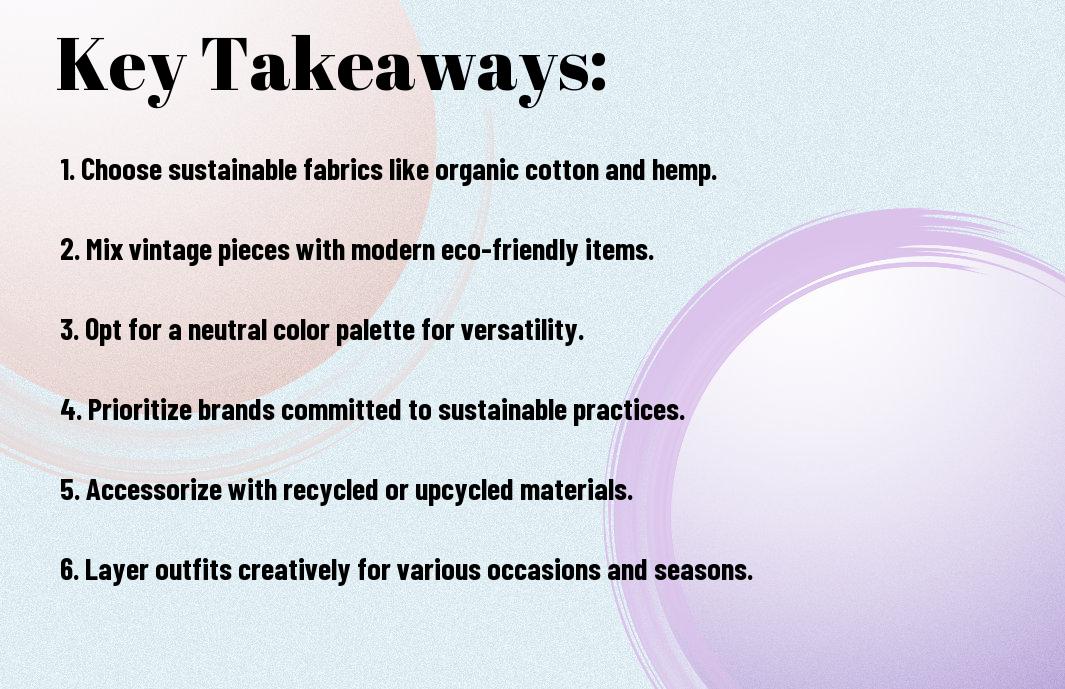
Key Takeaways:

To create sustainable fashion, consider the following points when styling eco-friendly outfits:

  • Choose natural fabrics such as organic cotton, hemp, and bamboo, which have a lower environmental impact than synthetic materials.
  • Invest in second-hand clothing to reduce waste and support the recycling of existing garments, giving old pieces a new life.
  • Incorporate timeless pieces into your wardrobe, focusing on classic styles that won’t go out of fashion quickly, thereby reducing the need for frequent purchases.
  • Opt for minimalist designs and avoid excessive accessories to minimize waste and reduce the carbon footprint associated with production and transportation.
  • Consider the lifespan of your clothing, selecting items that are well-made and durable, to ensure they can be worn repeatedly without needing replacement.

Choosing Sustainable Fabrics

A great way to start creating eco-friendly outfits is by selecting sustainable fabrics, as this will significantly reduce your environmental impact. You can opt for materials that are gentle on the planet, such as organic cotton, hemp, or repurposed materials.

Organic Cotton and Hemp

Fabrics like organic cotton and hemp are excellent choices for eco-friendly outfits, as they require less water and pesticides to produce, making them a more sustainable option for you to consider when choosing your clothing.

Repurposed and Recycled Materials

Cotton alternatives, such as repurposed and recycled materials, offer a creative way to reduce waste and give old materials a new life, allowing you to create unique and stylish outfits while minimizing your environmental footprint.

Even more innovative approaches involve using recycled plastics, fishing nets, or other waste materials to create new fabrics, giving you the opportunity to make a positive impact on the environment with your fashion choices, and enabling you to contribute to a more circular and sustainable fashion industry.

Building a Capsule Wardrobe

While creating a sustainable fashion sense, you’ll want to focus on building a capsule wardrobe that is both stylish and eco-friendly. This involves paring down your closet to only the most necessary, versatile pieces that can be mixed and matched to create a variety of outfits.

Timeless Pieces and Versatility

Against the fast fashion trend, you can opt for timeless pieces that won’t go out of style quickly, allowing you to create a multitude of outfits with just a few items. This approach helps reduce waste and supports your commitment to sustainability.

Minimalism and Quality Over Quantity

Between the desire for trendy clothes and the need for sustainability, you can find a balance by choosing high-quality, eco-friendly garments that align with your personal style. This mindful approach will help you make better purchasing decisions.

With a focus on minimalism and quality over quantity, you can curate a wardrobe that not only reflects your personal style but also supports your values. You’ll find that investing in a few, well-made pieces made from sustainable materials will save you money and reduce your environmental impact in the long run, as these items will last longer and withstand the test of time.

Accessorizing with Eco-Friendly Options

Unlike traditional accessories, eco-friendly options can elevate your outfit while promoting sustainability. You can explore various alternatives, such as repurposed materials, organic textiles, and vintage items, to add a unique touch to your look.

Second-Hand and Vintage Accessories

Between thrift stores and online marketplaces, you can find one-of-a-kind accessories that not only reduce waste but also add character to your outfit. You can discover hidden gems, from vintage scarves to pre-loved hats, to complete your eco-friendly look.

Sustainable Jewelry and Hats

To take your eco-friendly style to the next level, consider sustainable jewelry and hats made from environmentally-friendly materials. You can opt for pieces crafted from recycled metals, sustainably-sourced wood, or organic fabrics, which not only look great but also support eco-friendly practices.

This approach to accessorizing allows you to express your personal style while promoting a more conscious fashion industry. You can feel confident in your choices, knowing that your sustainable jewelry and hats are not only stylish but also better for the planet, and you can experiment with different combinations to find the perfect fit for your unique taste and preferences.

Color Palette and Patterns

After selecting your eco-friendly fabrics, it’s time to think about the color palette and patterns that will bring your outfit together. You can choose a variety of colors and patterns that not only reflect your personal style but also align with your values of sustainability.

Earthy Tones and Natural Dyes

Above all, consider earthy tones and natural dyes that evoke a sense of simplicity and harmony with nature. You can opt for shades of olive, terracotta, and sky blue, which are not only aesthetically pleasing but also gentle on the environment.

Minimal Prints and Classic Designs

Around the concept of minimalism, you can create a stylish and eco-friendly outfit by opting for minimal prints and classic designs. You can choose simple patterns like stripes or polka dots, which are timeless and versatile, and pair them with solid colors to create a chic and sustainable look.

In fact, embracing minimal prints and classic designs is a great way to reduce waste and support sustainable fashion. By investing in a few high-quality, timeless pieces, you can create a variety of outfits without contributing to the fast fashion cycle, and your wardrobe will be more curated and stylish as a result, reflecting your personal taste and commitment to sustainability.

Mixing and Matching for Unique Outfits

Despite having a limited wardrobe, you can create a variety of eco-friendly outfits by mixing and matching different pieces. Visit 10 Ways to Dress Elegantly and Sustainably for inspiration on styling your outfits sustainably.

Layering and Textures

Uniquely, you can experiment with layering different textures to add depth to your outfits, allowing you to create a distinct look.

Creating a Personal Style

Around your personal style, you can build a wardrobe that reflects your values and aesthetic, making it easier to create eco-friendly outfits.

But as you develop your personal style, you’ll find that it’s not just about the clothes you wear, but also about how you wear them, and the story you tell through your fashion choices, allowing you to express yourself authentically while staying true to your eco-friendly values.

Caring for Your Eco-Friendly Outfits

For your eco-friendly outfits to last, proper care is necessary. You can extend their lifespan by adopting simple habits and techniques that minimize harm to the environment.

Washing and Drying Techniques

Against all odds, you can keep your eco-friendly outfits looking great by washing them in cold water and avoiding harsh chemicals. This helps preserve the fabric and reduces your environmental footprint.

Repairing and Repurposing Old Items

Outfits that are worn out can be given a new life with a few simple repairs. You can fix a torn seam or turn an old t-shirt into a reusable bag, reducing waste and saving money.

Drying your repaired items naturally, instead of using a dryer, will help prevent wear and tear, and you can also use this opportunity to get creative with your old items, turning them into unique and functional pieces that reflect your personal style, and by doing so, you are reducing the need for new, resource-intensive clothing, and your eco-friendly outfits will continue to serve you well.

To wrap up

From above, you now have a clear understanding of how to style eco-friendly outfits. You can create a sustainable wardrobe by choosing second-hand items, investing in timeless pieces, and accessorizing with eco-friendly accessories. By making these simple changes, you will not only reduce your environmental impact, but also develop your personal style, making your wardrobe more unique and reflective of your values, and you will be contributing to a more sustainable fashion industry with your thoughtful choices.

FAQ

Q: What are the key pieces to include in an eco-friendly outfit?

A: When creating an eco-friendly outfit, consider including pieces made from sustainable materials such as organic cotton, recycled polyester, or Tencel. Look for clothing items that are timeless, versatile, and can be mixed-and-matched with other pieces in your wardrobe. Some necessary items to include are a classic white shirt, a pair of well-fitted jeans, a cozy sweater, and a statement jacket. Don’t forget to accessorize with eco-friendly accessories like a recycled bag, a pair of sustainable sneakers, or a handmade scarf.

Q: How can I style an eco-friendly outfit for a formal event?

A: Styling an eco-friendly outfit for a formal event can be easy and chic. Consider renting or borrowing a gown made from sustainable materials, or opt for a second-hand formal wear. You can also choose a capsule wardrobe piece that can be dressed up or down, such as a tailored suit or a flowy evening dress. Pair your outfit with eco-friendly jewelry, like a piece made from recycled metals or conflict-free diamonds. Don’t forget to add a touch of elegance with a sustainable clutch or a pair of vegan heels. With a little creativity, you can create a stunning and eco-friendly formal outfit that’s sure to impress.

Q: How can I care for my eco-friendly clothing to make it last longer?

A: To extend the life of your eco-friendly clothing, it’s necessary to care for it properly. Check the care label and follow the instructions for washing, drying, and ironing. Consider using eco-friendly laundry detergents and avoiding fabric softeners or bleach, which can damage the fabric. Hang your clothes to dry instead of using a dryer, and avoid over-drying, which can cause shrinkage. Store your clothes in a cool, dry place, away from direct sunlight, and consider using garment bags or boxes to protect them from dust and moisture. By taking these simple steps, you can help prolong the life of your eco-friendly clothing and reduce waste.

Eco-Friendly Kitchen Tools You’ll Love

You’re taking steps to reduce your environmental footprint, and your kitchen is a great place to start. As you explore ways to make your cooking space more sustainable, you’ll find a variety of eco-friendly tools that can help. Your kitchen habits can have a significant impact on the planet, and making a few simple changes can make a big difference. You can upgrade to eco-friendly kitchen tools that are durable, sustainable, and gentle on the environment, making your cooking routine more manageable and guilt-free.

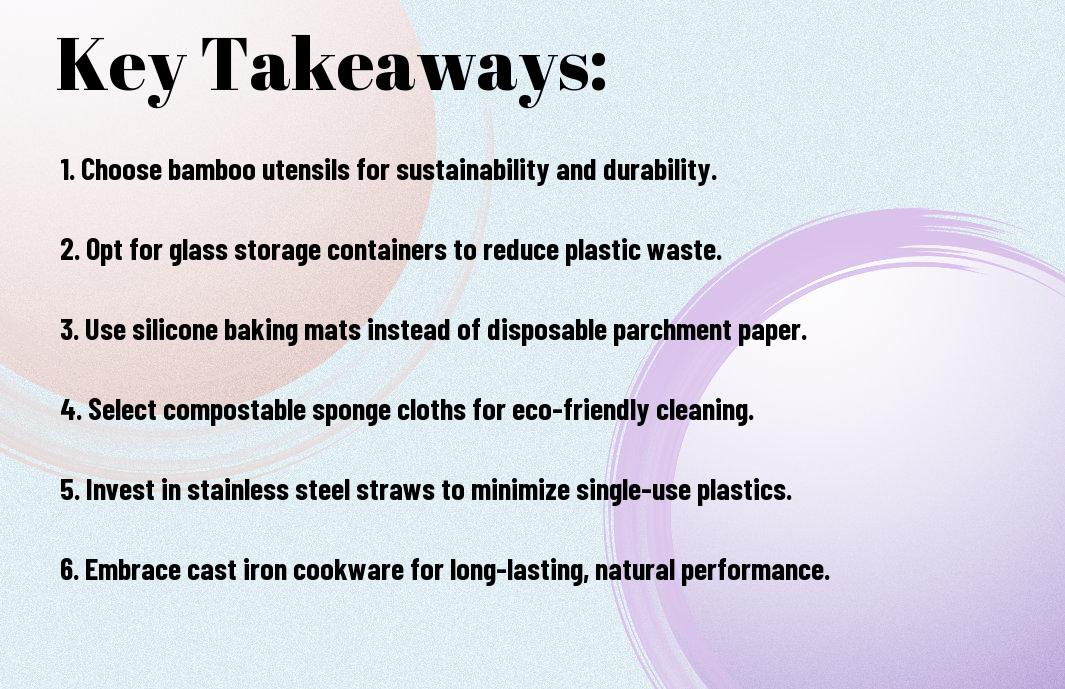
Key Takeaways:

To make your kitchen more sustainable, consider the following points:

  • Invest in reusable utensils and storage containers to reduce waste and minimize your environmental footprint.
  • Choose eco-friendly materials like bamboo, stainless steel, or silicone for your kitchen tools, as they are durable and long-lasting.
  • Opt for energy-efficient appliances and LED lighting to reduce your kitchen’s carbon footprint and lower your energy bills.
  • Use natural and biodegradable cleaning products to maintain a healthy kitchen environment and reduce harmful chemicals.
  • Consider upcycling or repurposing old kitchen items to give them a new life and reduce landfill waste, promoting a more circular economy.

Essential Eco-Friendly Tools

The key to a sustainable kitchen lies in the tools you use, and making a few simple switches can have a significant impact on your environmental footprint. You can start by replacing traditional materials with eco-friendly alternatives, which are not only better for the planet but also provide long-term durability and performance.

Reusable Bags and Containers

Beneath the surface of single-use plastics, you’ll find a world of reusable options that make storing and transporting food a breeze. You can opt for cloth bags, stainless steel containers, or glass jars to keep your kitchen organized and your waste minimal, helping you to reduce your reliance on disposable products.

Bamboo Utensils and Cutting Boards

With the rise of eco-friendly kitchen tools, you now have access to a wide range of sustainable options, including bamboo utensils and cutting boards. You can replace your traditional wooden or plastic utensils with bamboo alternatives, which are lightweight, durable, and gentle on the environment, allowing you to prepare meals with a clear conscience.

Essential to your kitchen’s transition to eco-friendliness, bamboo utensils and cutting boards offer a natural, biodegradable solution to traditional materials. You can use them for food preparation, serving, and even as a decorative element, adding a touch of warmth and character to your kitchen. As you explore the world of bamboo kitchen tools, you’ll discover the numerous benefits they offer, from their sustainable sourcing to their ease of maintenance, making them an excellent choice for your eco-friendly kitchen.

Sustainable Cooking Options

One of the most effective ways to reduce your environmental impact is by adopting sustainable cooking methods. You can start by exploring alternatives to traditional cooking techniques and investing in eco-friendly kitchen tools. This will not only help reduce your carbon footprint but also promote a healthier lifestyle.

Energy-Efficient Appliances

Alongside traditional methods, an array of energy-efficient appliances can help you cook sustainably. You can consider investing in appliances with high energy ratings, as they consume less power and reduce your energy bills. This simple switch can make a significant difference in your overall energy consumption.

Solar-Powered Cooking Alternatives

Around the world, at the forefront of sustainable cooking, solar-powered cooking alternatives are gaining popularity. You can opt for solar ovens or cookers that utilize sunlight to cook your meals, reducing your reliance on non-renewable energy sources. This innovative approach to cooking is not only eco-friendly but also cost-effective.

Further exploration of solar-powered cooking alternatives reveals a range of benefits, including reduced greenhouse gas emissions and lower cooking costs. You can use solar cookers for various types of cuisine, from baking to boiling, and they are particularly useful for outdoor activities like camping or picnics. By incorporating solar-powered cooking into your lifestyle, you can significantly reduce your carbon footprint and contribute to a more sustainable future.

Eco-Friendly Cleaning Solutions

After switching to eco-friendly kitchen tools, consider your cleaning methods. You can find inspiration for Eco-Friendly Kitchen Essentials: 10 Must-Have Products for a Sustainable Home at Eco-Friendly Kitchen Essentials: 10 Must-Have Products for a Sustainable Home, to create a more sustainable space.

Natural Cleaning Products

Solutions to traditional cleaning products can be found in natural ingredients like baking soda and vinegar. You can use these to clean your kitchen tools and surfaces, reducing your environmental impact.

DIY Cleaning Remedies

Across the internet, you’ll find various DIY cleaning remedies that use common household items. You can make your own cleaning solutions using lemon juice, castile soap, and other natural ingredients.

Hence, making your own cleaning products is a great way to reduce waste and avoid harsh chemicals. You can customize your cleaning solutions to your specific needs, and even add a pleasant scent with crucial oils, making your kitchen a healthier and more enjoyable space.

Reduce, Reuse, Recycle

To make your kitchen more eco-friendly, you’ll want to adopt the reduce, reuse, recycle approach. This simple principle can significantly impact your environmental footprint, and it’s easier than you think to implement in your daily routine.

Reducing Food Waste

Around the time you plan your meals, you can take steps to reduce food waste by buying only what you need and using up leftovers. You can also compost food scraps to create nutrient-rich soil for your garden, reducing the amount of waste that ends up in landfills.

Creative Ways to Repurpose Kitchen Items

Prior to throwing away old kitchen items, consider giving them a new life. You can turn old jars into storage containers, use old t-shirts as cleaning rags, and repurpose old utensils as plant markers, giving your kitchen a unique touch while reducing waste.

This approach not only helps the environment, but it also helps you get creative and think outside the box when it comes to your kitchen tools. You can find countless tutorials and inspiration online to help you give new life to old items, and as you get started, you’ll find that it’s easier than you thought to breathe new life into old kitchen items and make your kitchen more eco-friendly.

Healthy and Environmentally Friendly Food Choices

Unlike other kitchen aspects, your food choices have a significant impact on the environment. You can make a difference by choosing eco-friendly options that promote sustainability and reduce waste.

Organic and Local Produce

Above all, opting for organic and local produce is an excellent way to support environmentally friendly farming practices. You can find these options at your local farmer’s market or grocery store, and they will help you reduce your carbon footprint.

Plant-Based Diet Options

For a more sustainable kitchen, consider incorporating plant-based diet options into your meals. You can start by substituting meat with plant-based alternatives and exploring new recipes that are both delicious and eco-friendly.

And as you explore plant-based diet options, you’ll find that your kitchen becomes more environmentally friendly. You’ll be reducing your reliance on resource-intensive animal products, and your meals will become more sustainable and healthy, allowing you to make a positive impact on the environment with every bite.

Kitchen Decor with a Conscience

Now that you’re equipping your kitchen with eco-friendly tools, it’s time to think about the decor. You can create a beautiful and sustainable kitchen that reflects your values. Consider the materials and textiles you use to create a space that is both functional and environmentally friendly.

Eco-Friendly Materials and Textiles

Besides the furniture, you can also choose eco-friendly materials and textiles for your kitchen decor. You can opt for sustainable fabrics, recyclable materials, and repurposed items to add a personal touch to your kitchen.

Sustainable Kitchen Design Ideas

Material choices play a significant role in creating a sustainable kitchen. You can choose materials that are locally sourced, recyclable, and durable to minimize waste and reduce your carbon footprint.

For instance, you can use reclaimed wood for your kitchen island or countertops, or choose energy-efficient lighting to reduce your energy consumption. You can also incorporate plants and a living wall to purify the air and create a natural ambiance in your kitchen. By making these choices, you can create a kitchen that is not only beautiful but also environmentally friendly and sustainable.

Conclusion

Drawing together the benefits of eco-friendly kitchen tools, you’ll find that they not only reduce your environmental footprint, but also enhance your cooking experience. By incorporating these tools into your daily routine, you can create a more sustainable kitchen that reflects your values. With your new eco-friendly kitchen tools, you’ll be able to cook with confidence, knowing you’re making a positive impact on the planet.

FAQ

Q: What are the benefits of using eco-friendly kitchen tools?

A: Using eco-friendly kitchen tools has numerous benefits, including reducing waste, minimizing environmental impact, and promoting sustainable living. Eco-friendly kitchen tools are made from natural, non-toxic materials that are biodegradable, recyclable, or reusable, which helps to decrease the amount of plastic waste in landfills and oceans. Additionally, many eco-friendly kitchen tools are designed to be durable and long-lasting, which can help to reduce the need for frequent replacements and save you money in the long run.

Q: How can I choose the best eco-friendly kitchen tools for my needs?

A: To choose the best eco-friendly kitchen tools for your needs, consider the materials used, durability, and functionality. Look for tools made from sustainable materials such as bamboo, stainless steel, or glass, and avoid tools made from plastic or other non-biodegradable materials. Consider the specific tasks you need to perform in your kitchen and choose tools that are designed for those tasks. You can also read reviews and do research to find the most popular and highly-rated eco-friendly kitchen tools. Furthermore, consider the maintenance and cleaning requirements of the tools to ensure they fit your lifestyle.

Q: Are eco-friendly kitchen tools more expensive than traditional kitchen tools?

A: While some eco-friendly kitchen tools may be more expensive than their traditional counterparts, many affordable options are available. The cost of eco-friendly kitchen tools can vary depending on the brand, quality, and materials used. However, many eco-friendly kitchen tools are designed to be durable and long-lasting, which can help to save you money in the long run by reducing the need for frequent replacements. Additionally, investing in eco-friendly kitchen tools can have long-term benefits for the environment and your health, making them a worthwhile investment for many consumers. You can also find affordable options by shopping during sales, using coupons, or buying in bulk.

Skip to content